
madworld: warfront
technology used

Open 3D Engine

Affinity Suite

Atlassian Suite
launch trailer
MadWorld: Warfront is a tactical 3PS contained within two primary modes. The metagame, where players join clans to fight Wars to claim territory and the missions where players and their squads complete objectives to gain resources.
gameplay demonstration
Both game modes feed one another. Wars create opportunities to spend resources and also create the contested territories where missions can be played. Missions are players' primary means to obtain resources which are used in crafting and to supply wars. Primarily, players engage in missions to earn war points; whichever clan has the most war points at the end of a war win and claim (or retain) the territories where they scored the most points.
promotional and gameplay screenshots
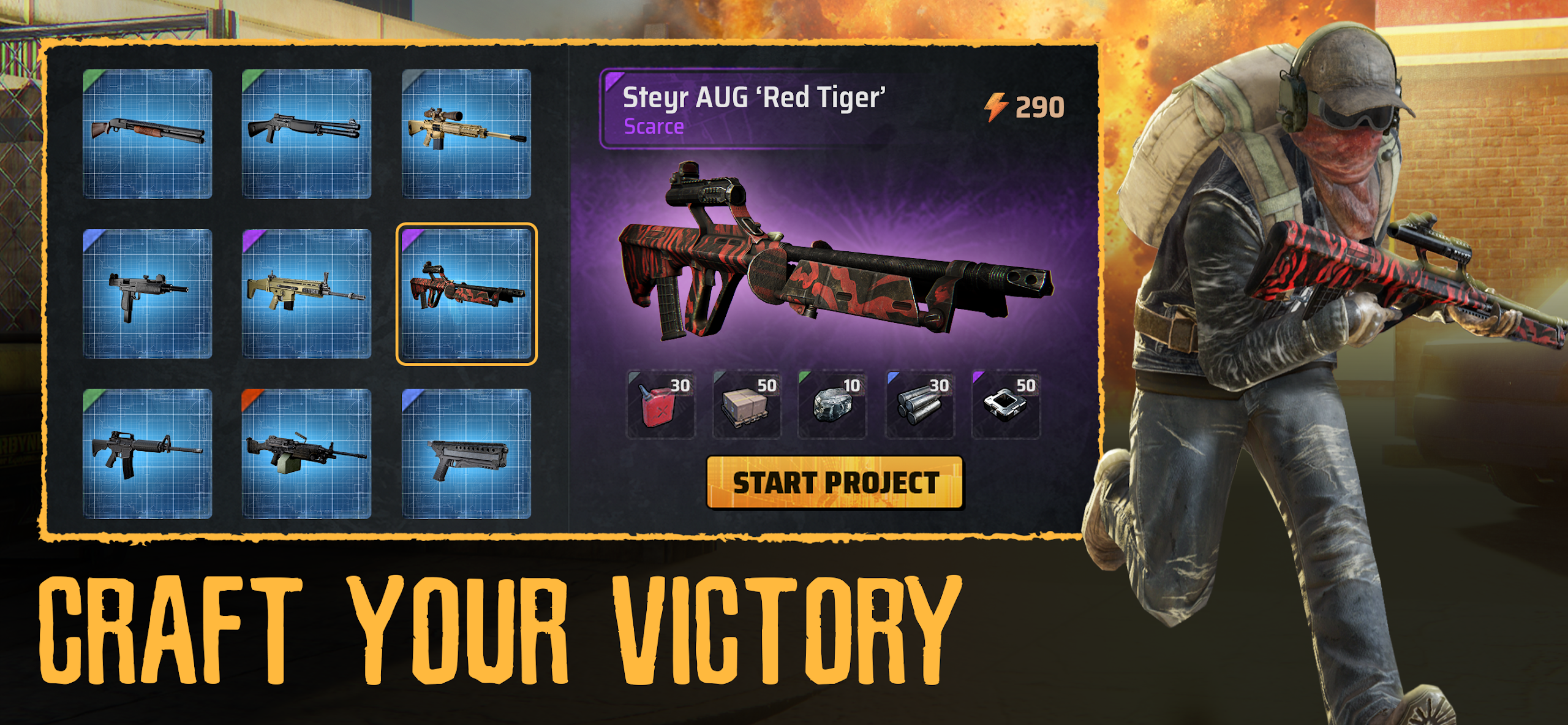
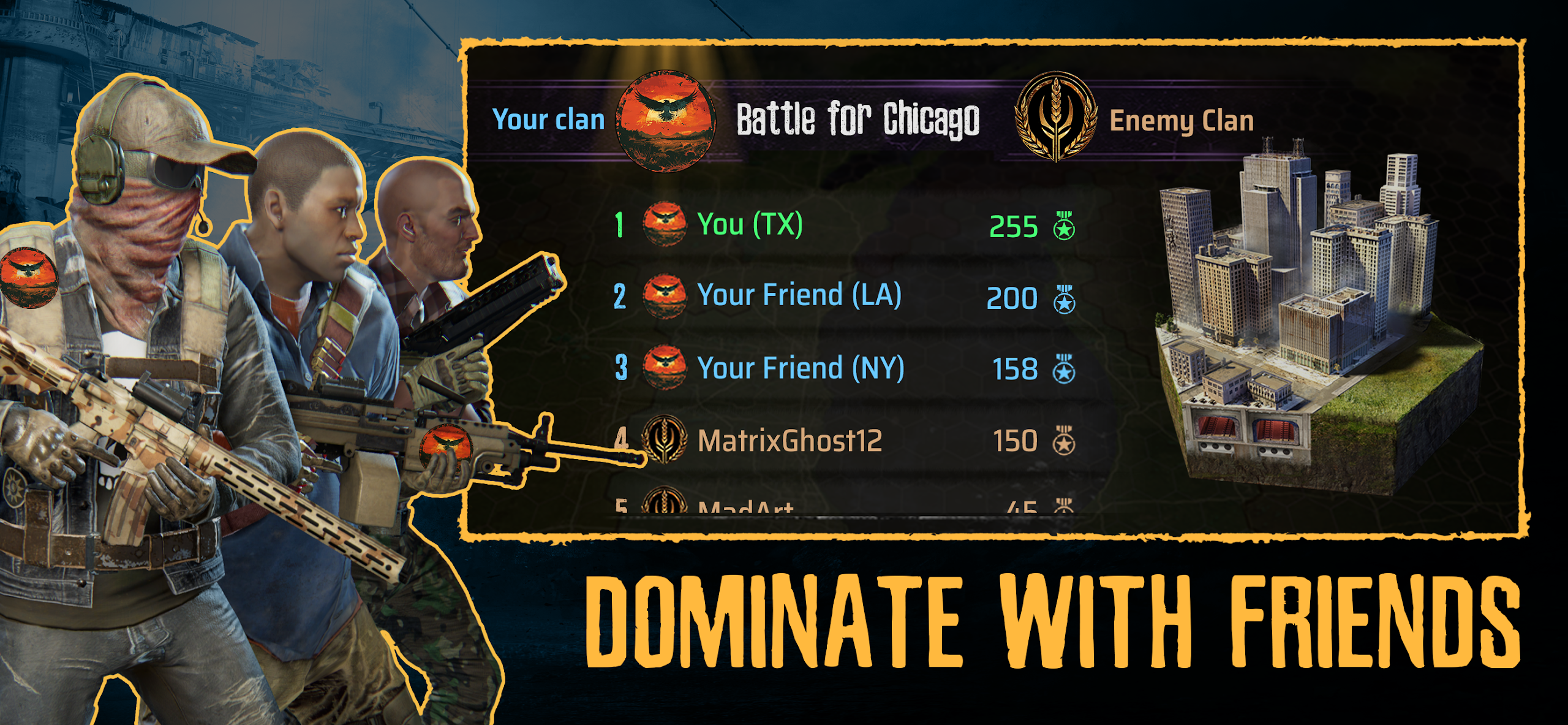
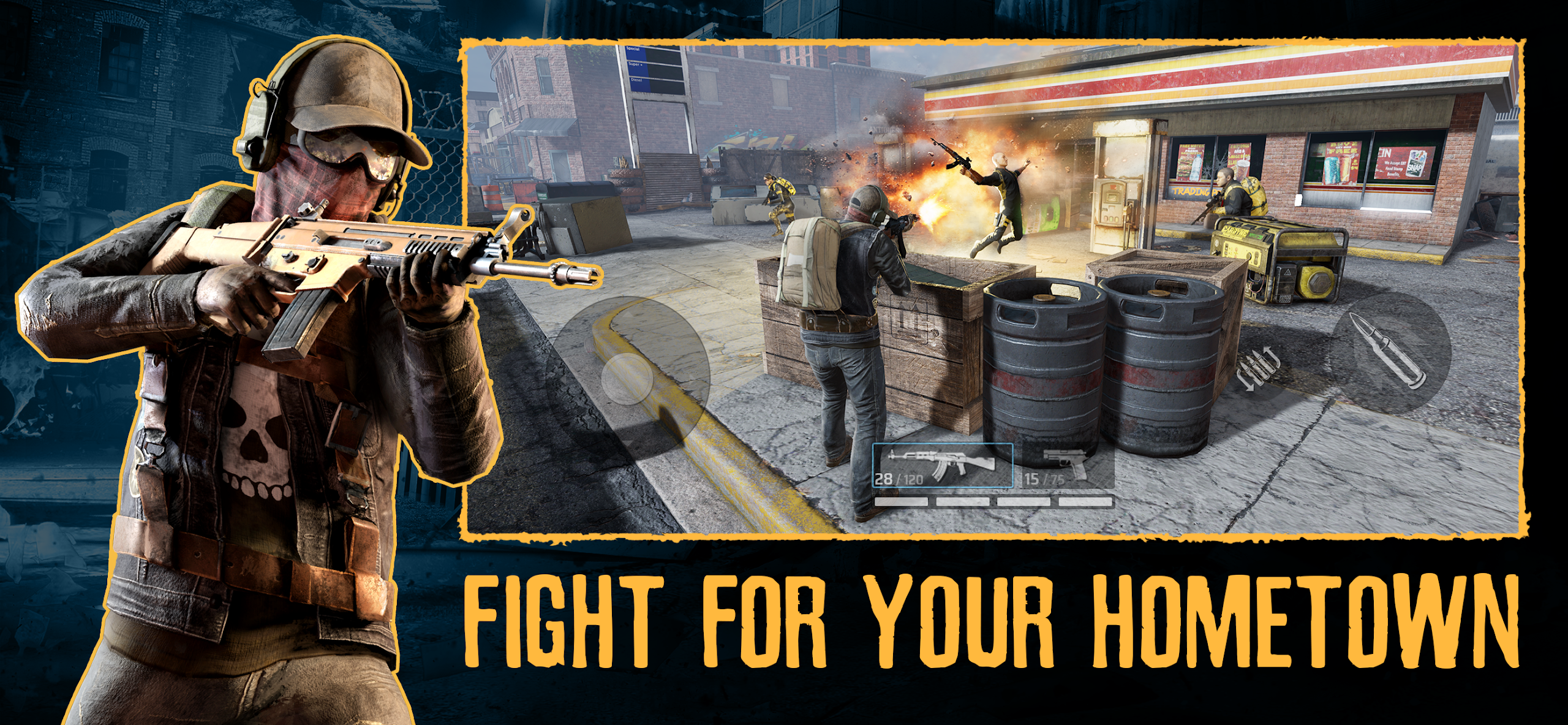
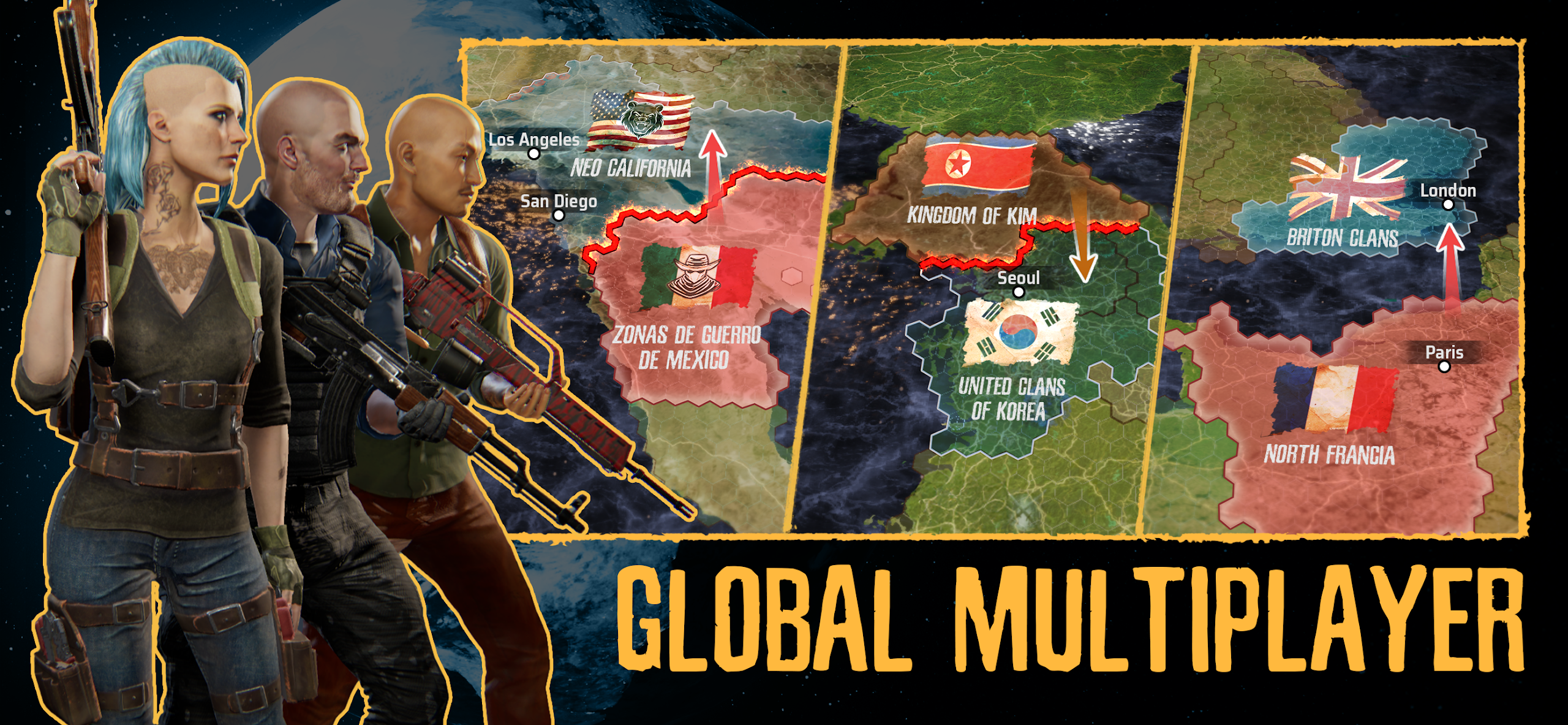
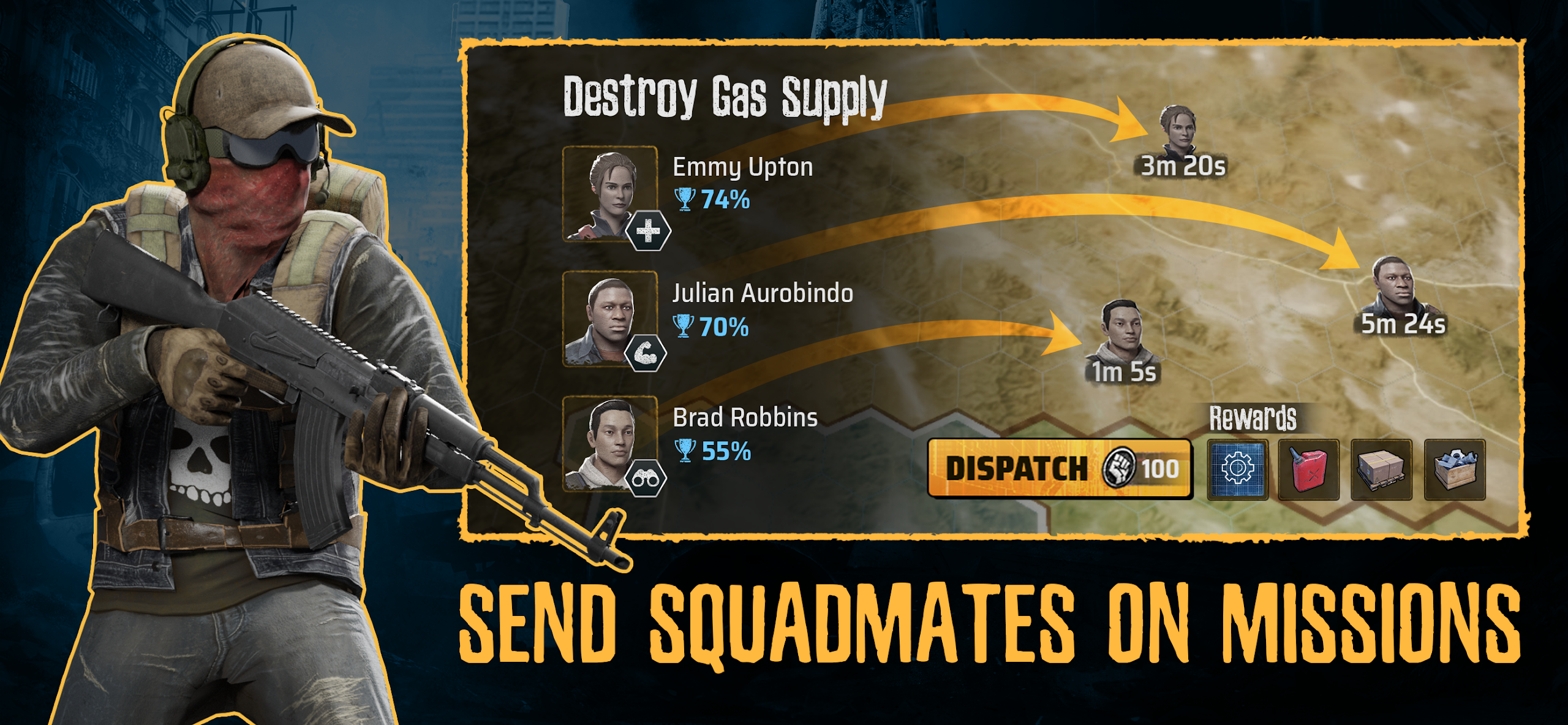
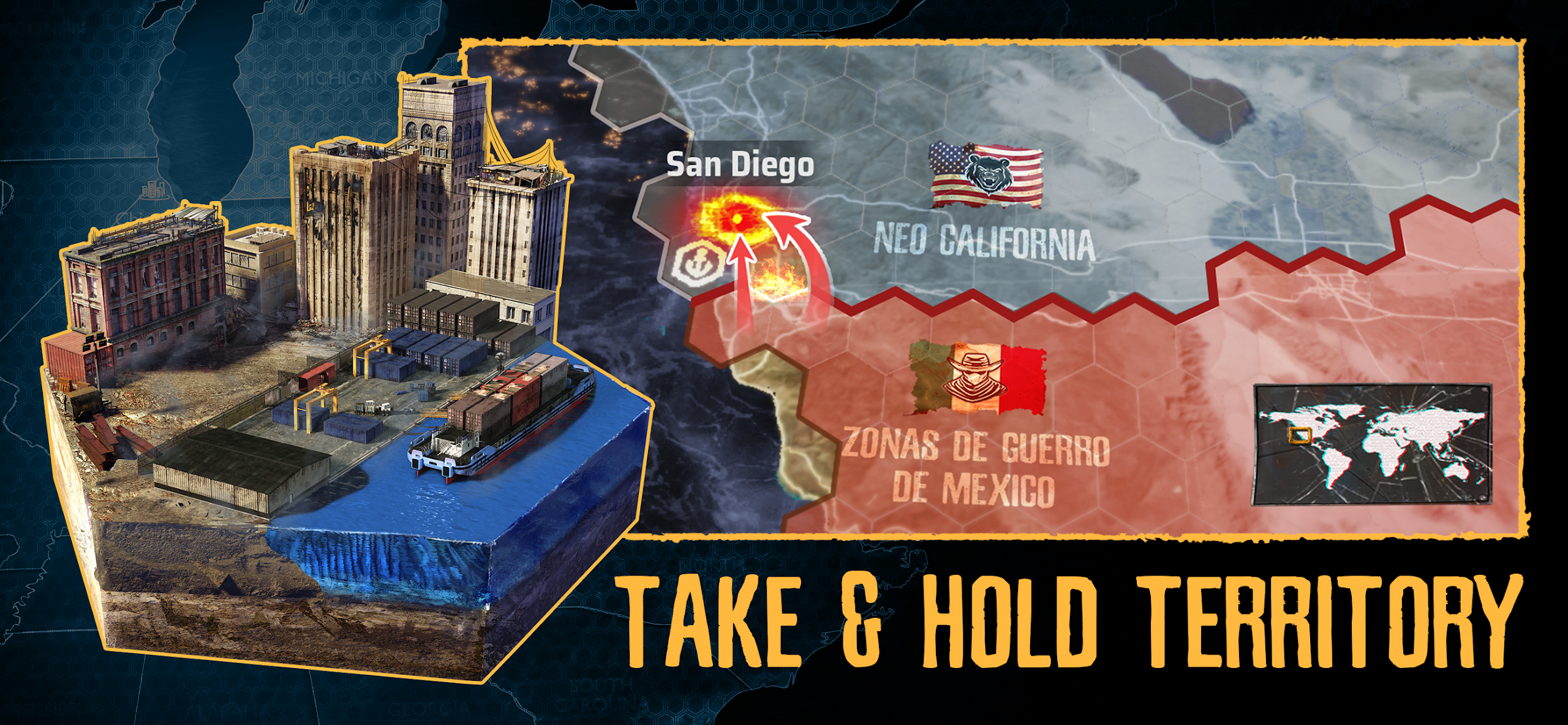
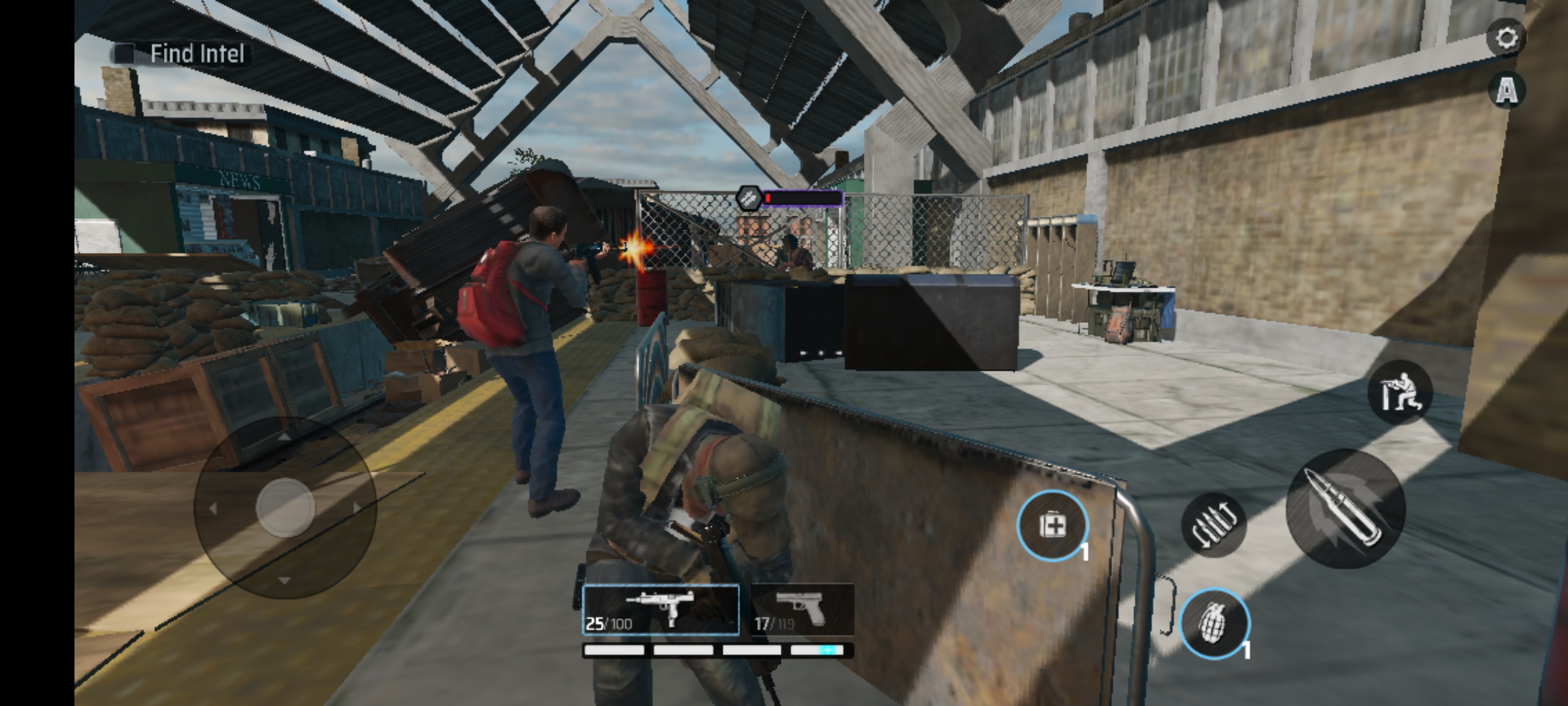
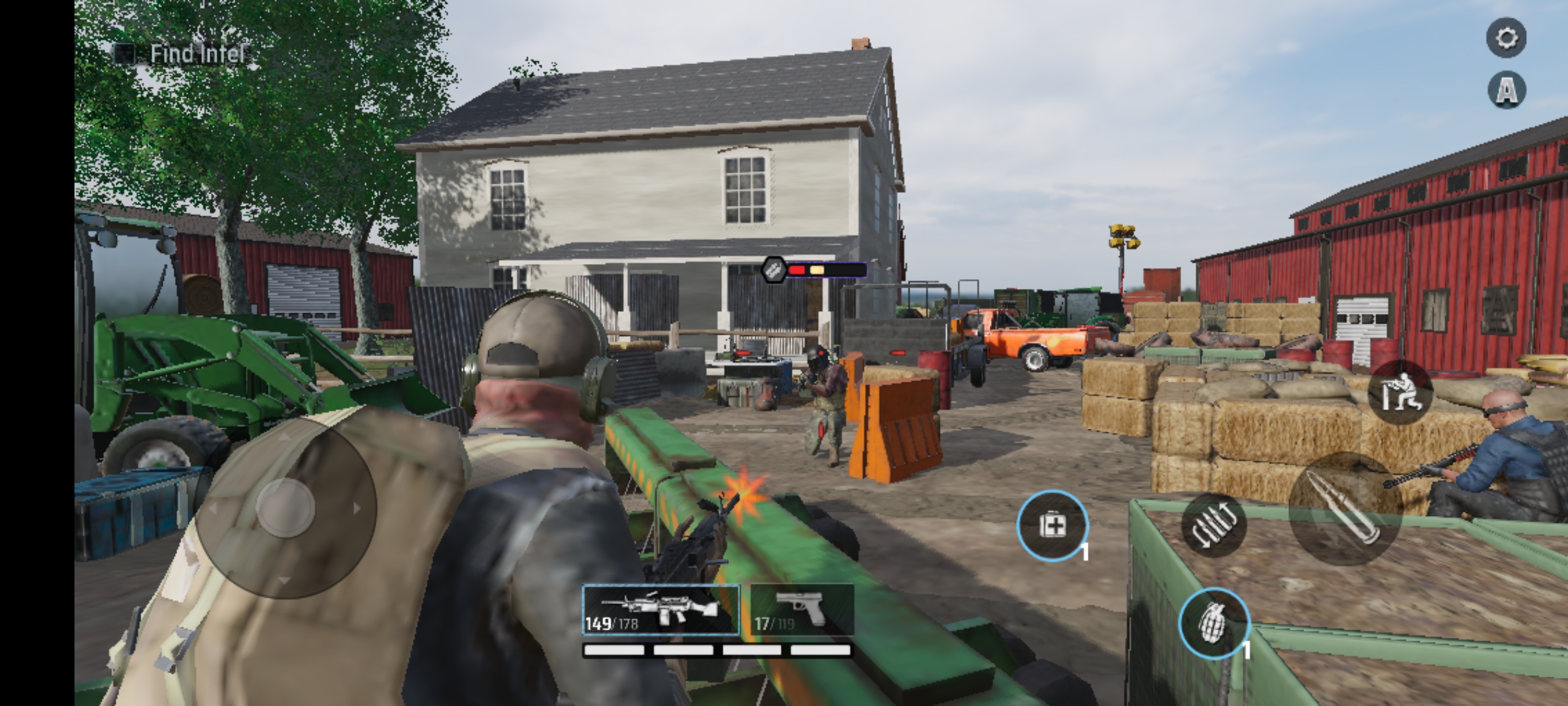
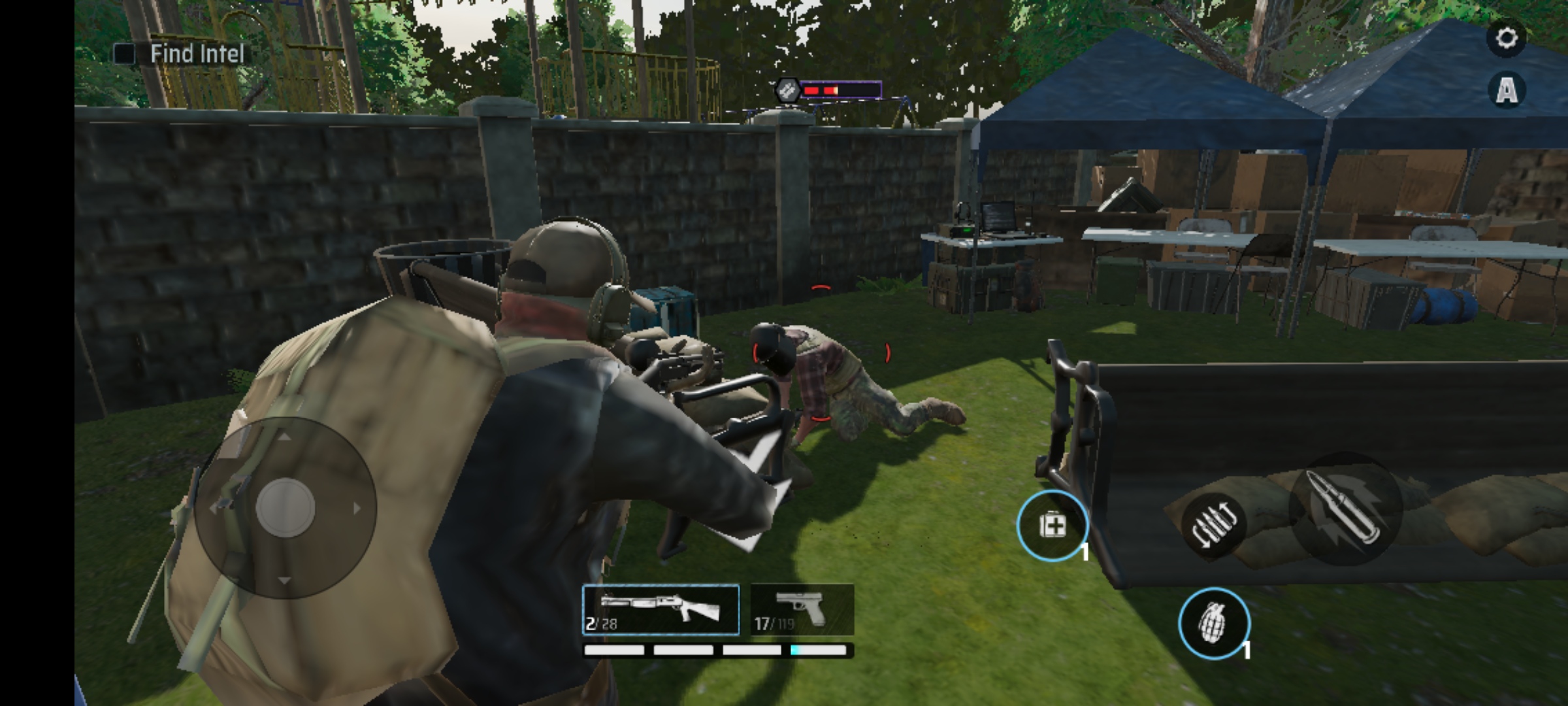
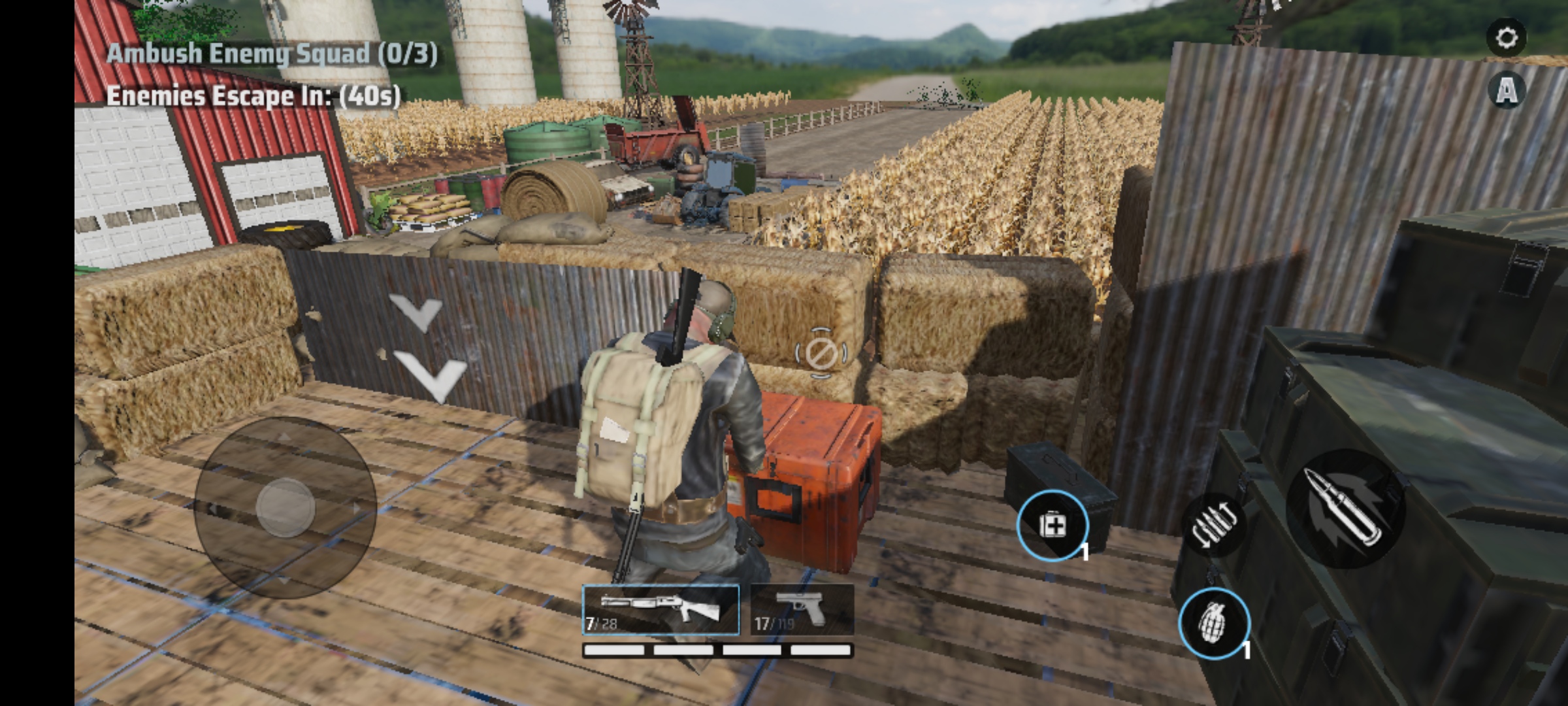
My work on MadWorld: Warfront was primarily that of senior game designer. My work on the project included restructuring the game into an objective-based 3PS, designing the game's levels/missions, weapons/equipment, loot drops, designing wars, and it FTP economy. This also included building out much of the game's content within Carbonated's proprietary tools. I also assisted with tasks like UX/UI design providing initial mocks for flow and appearance.
creating a third person shooter part one
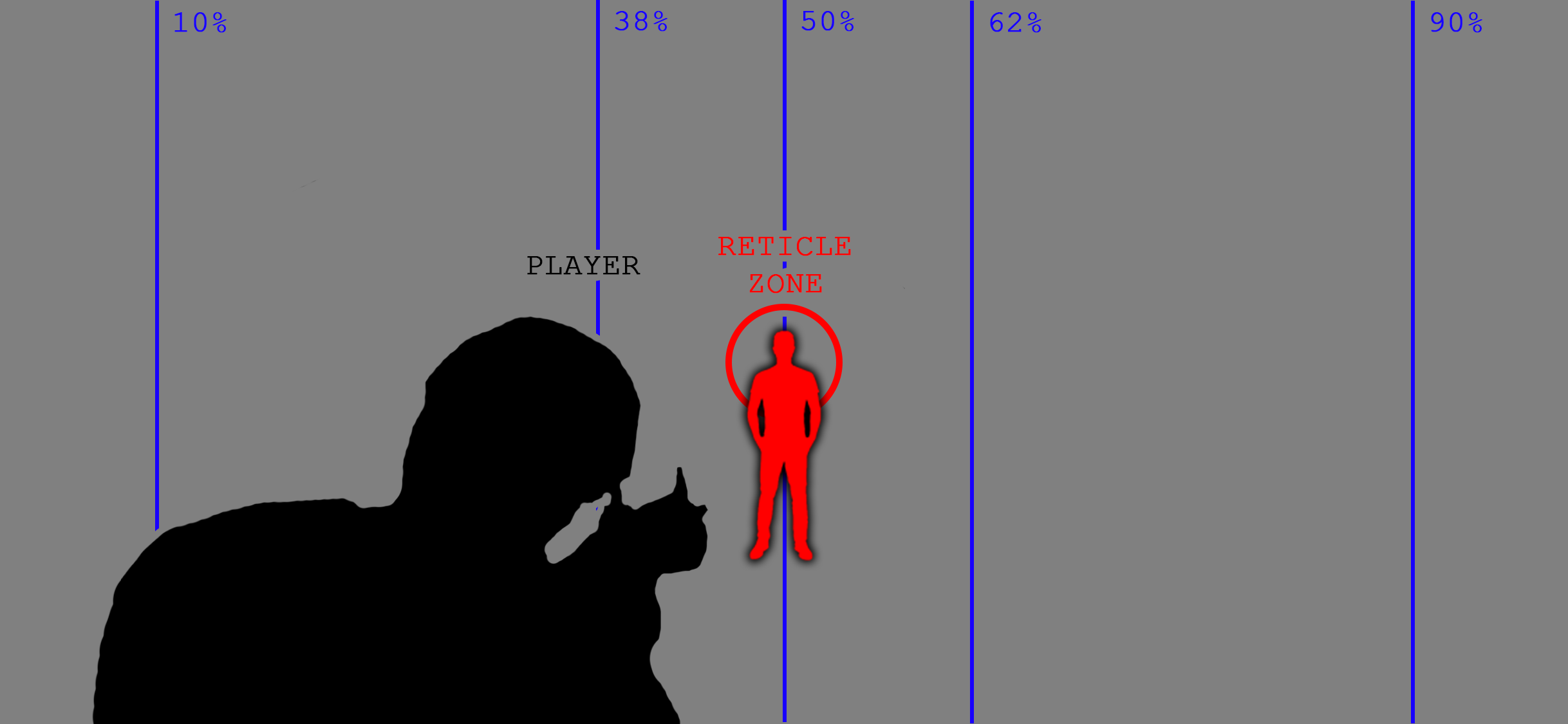
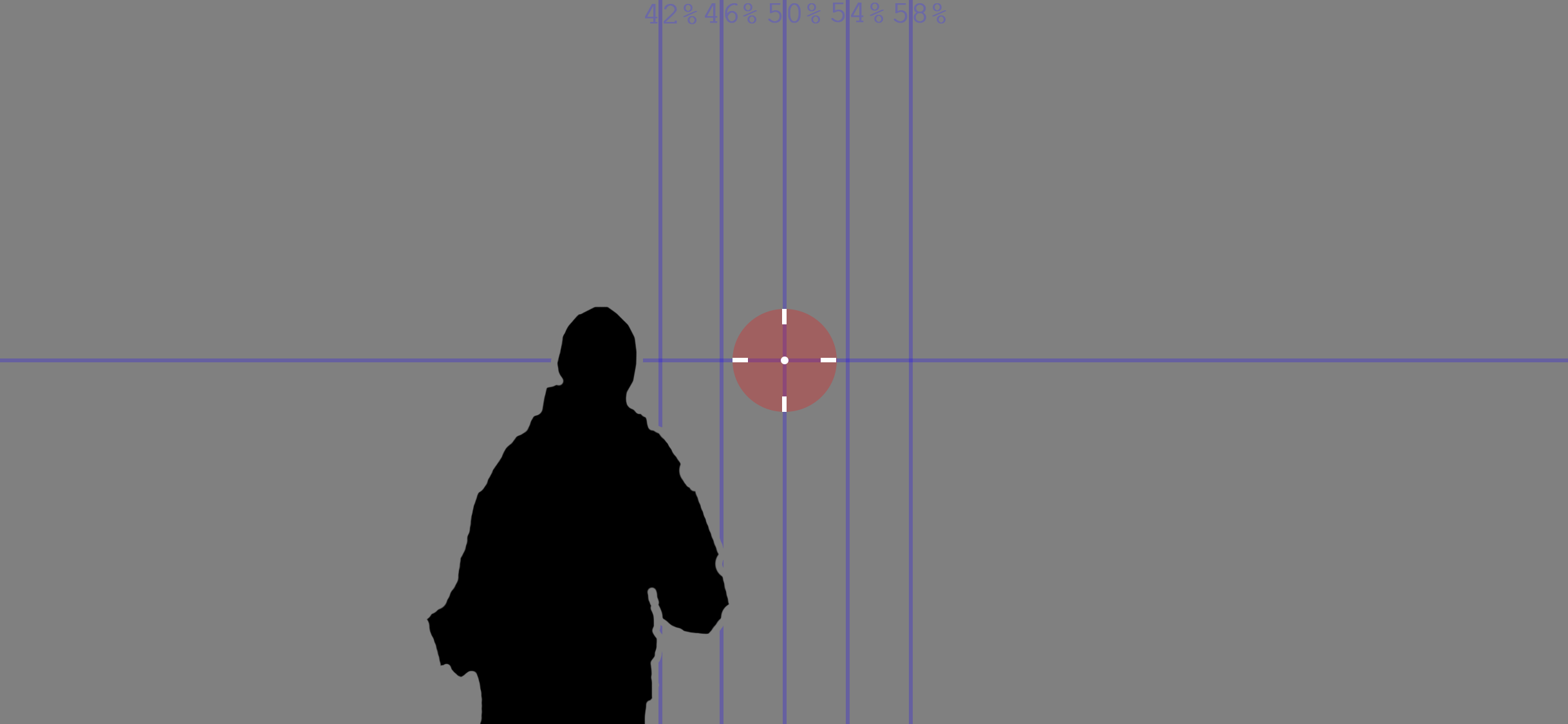
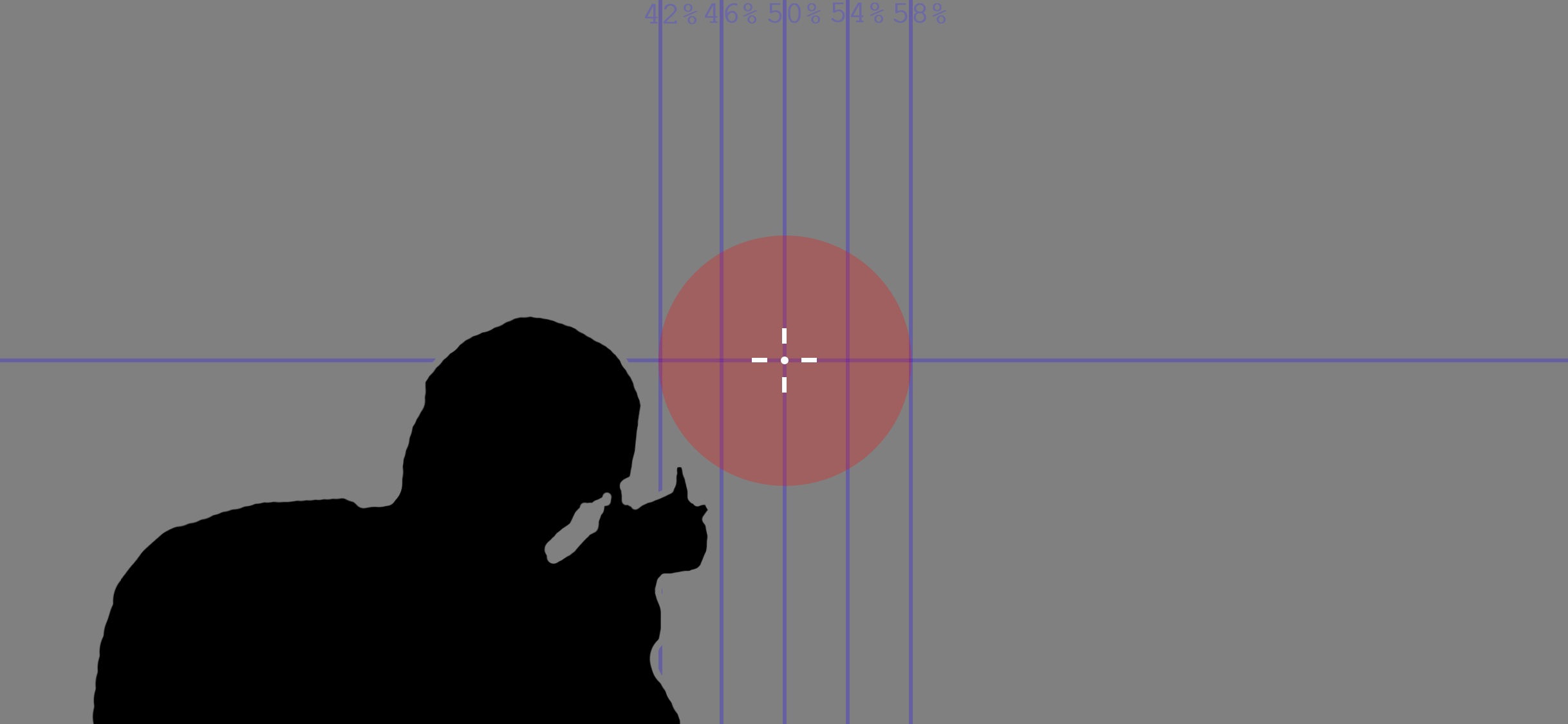
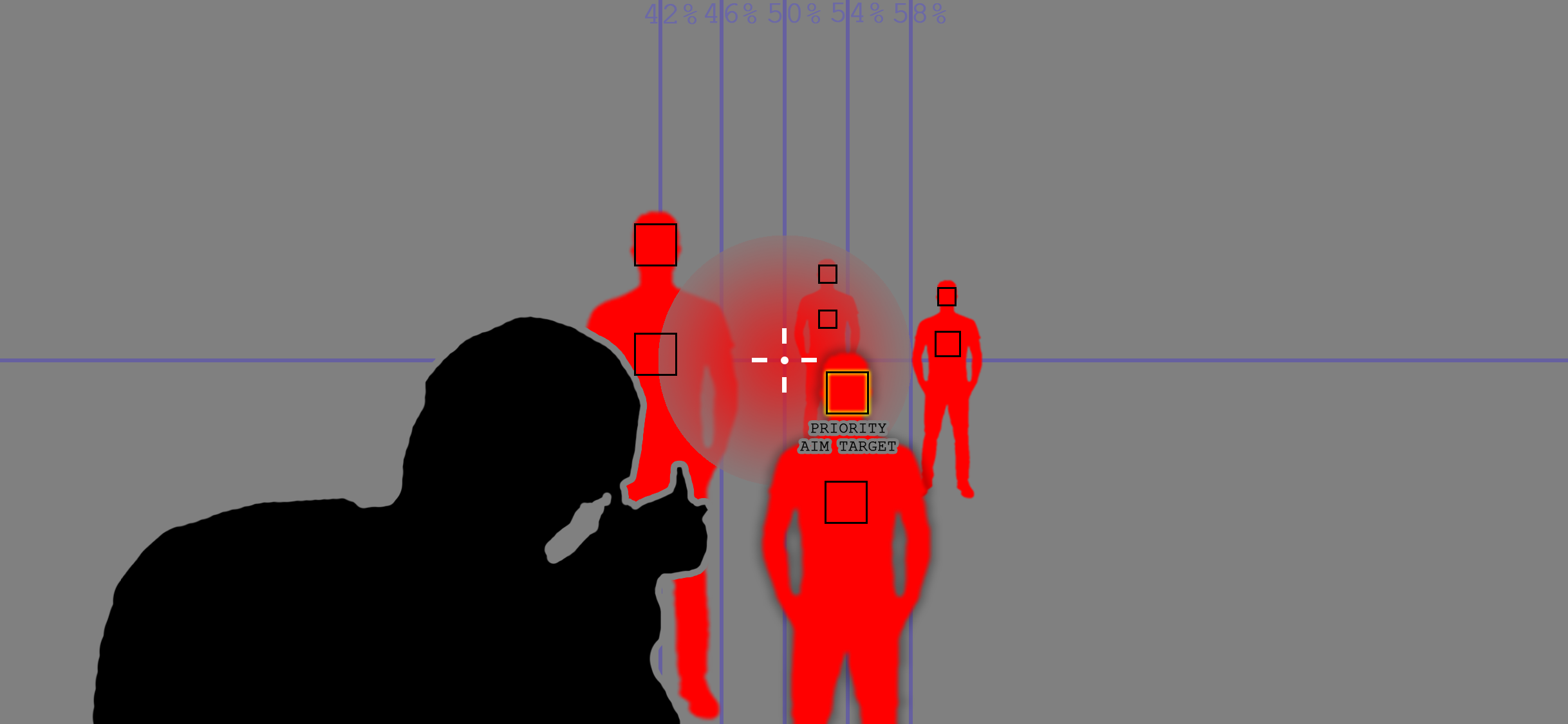
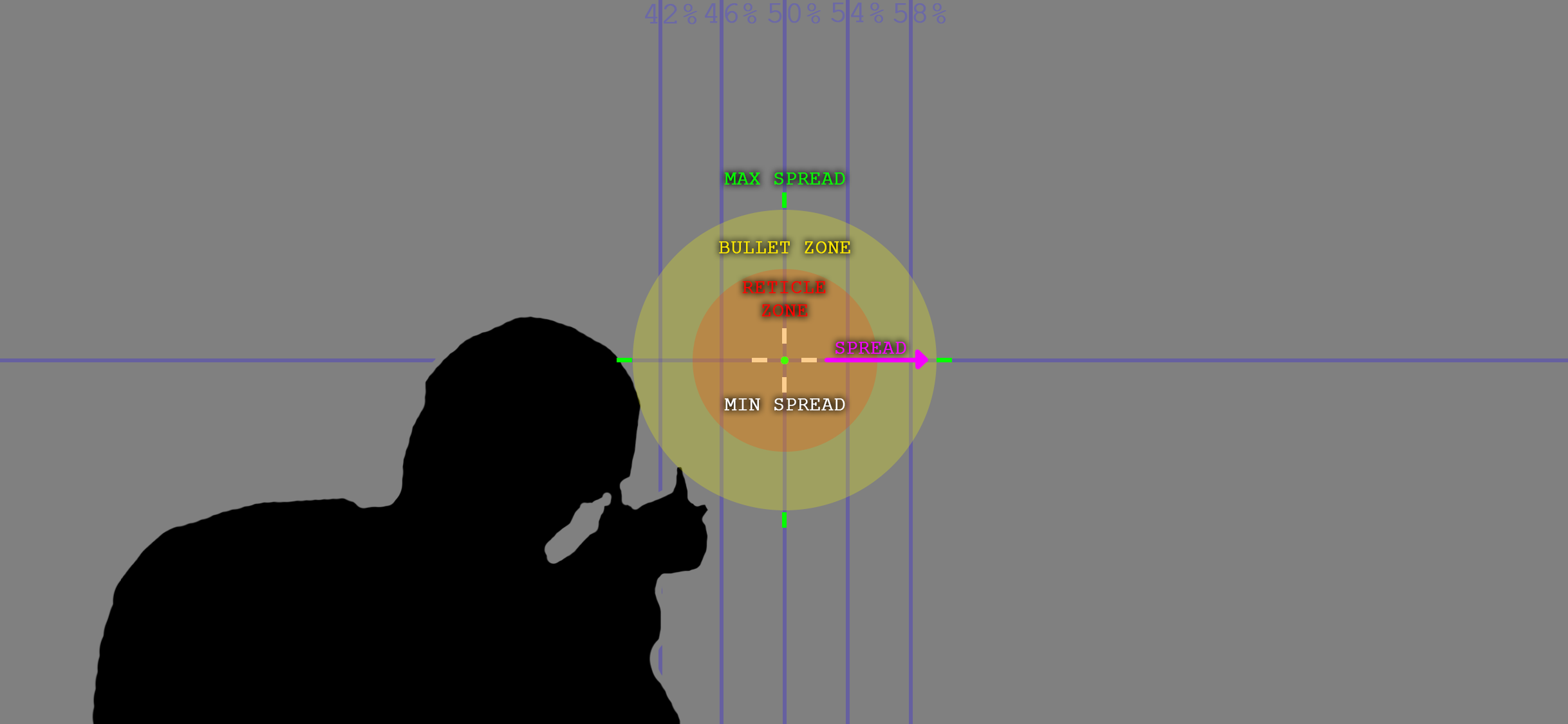
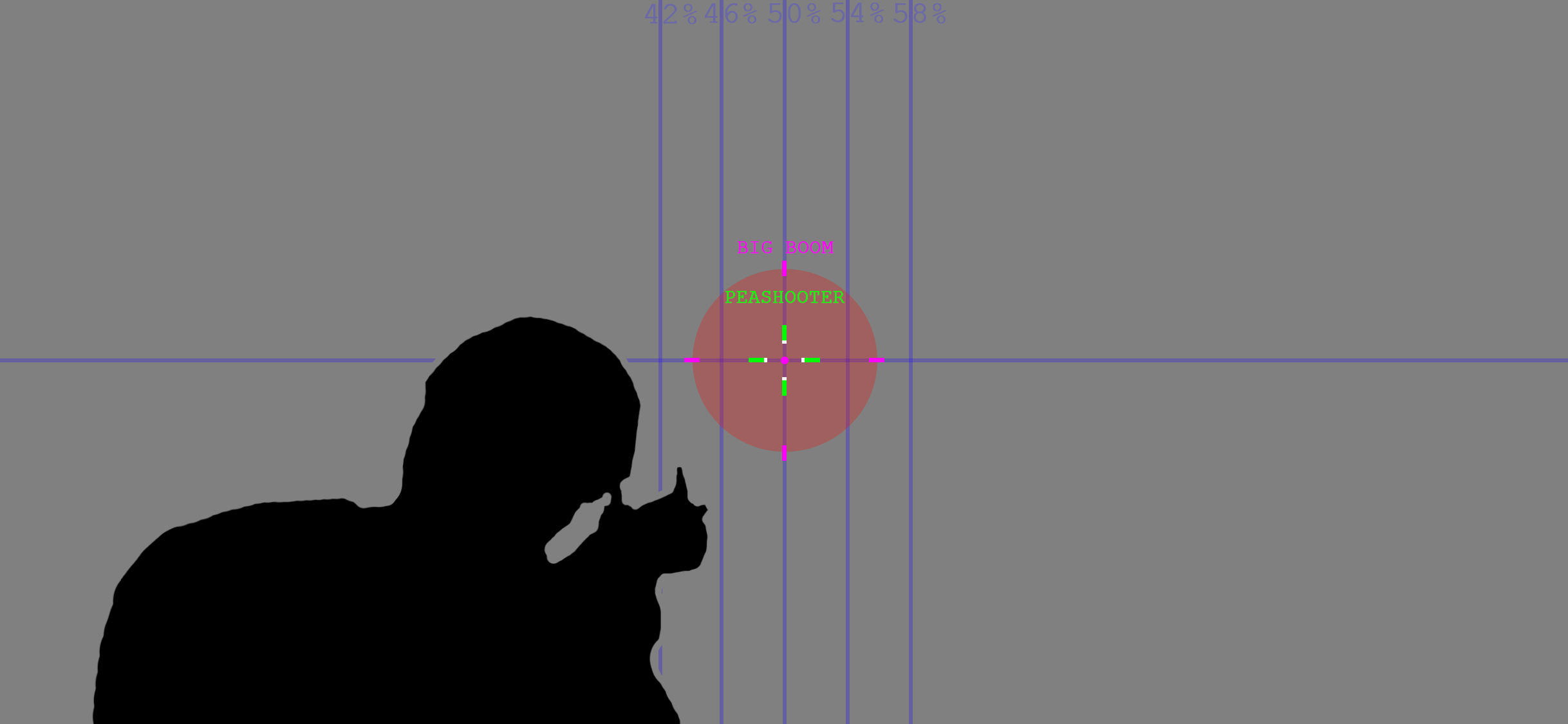
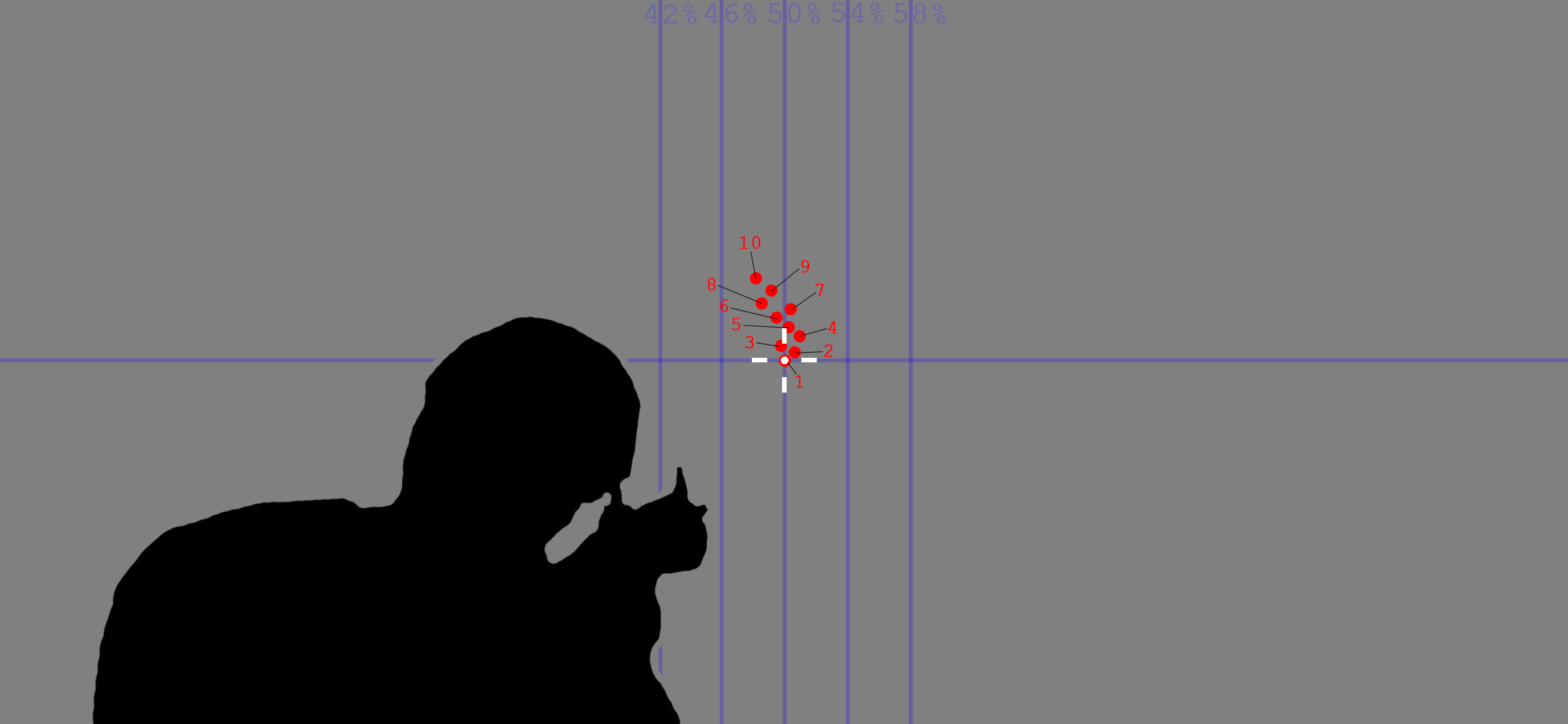
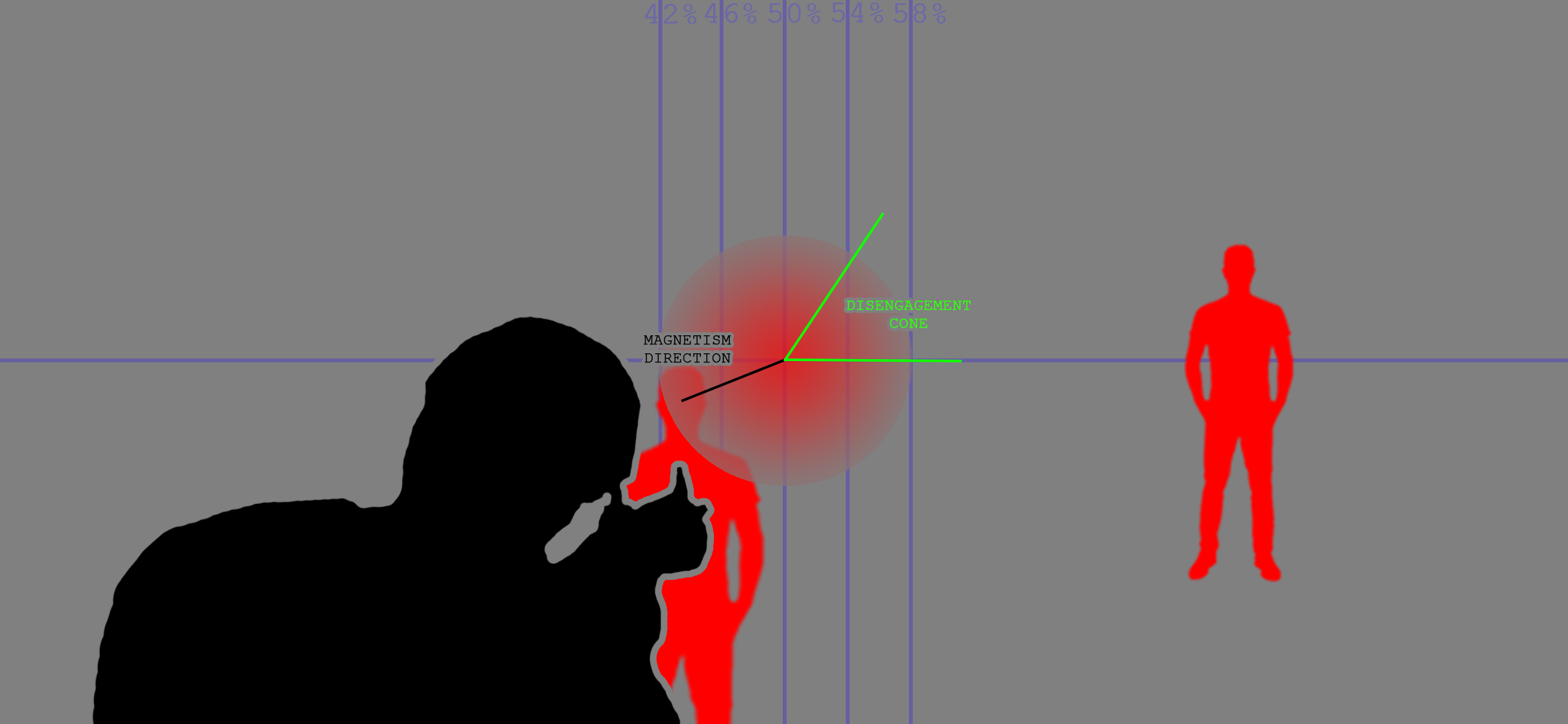

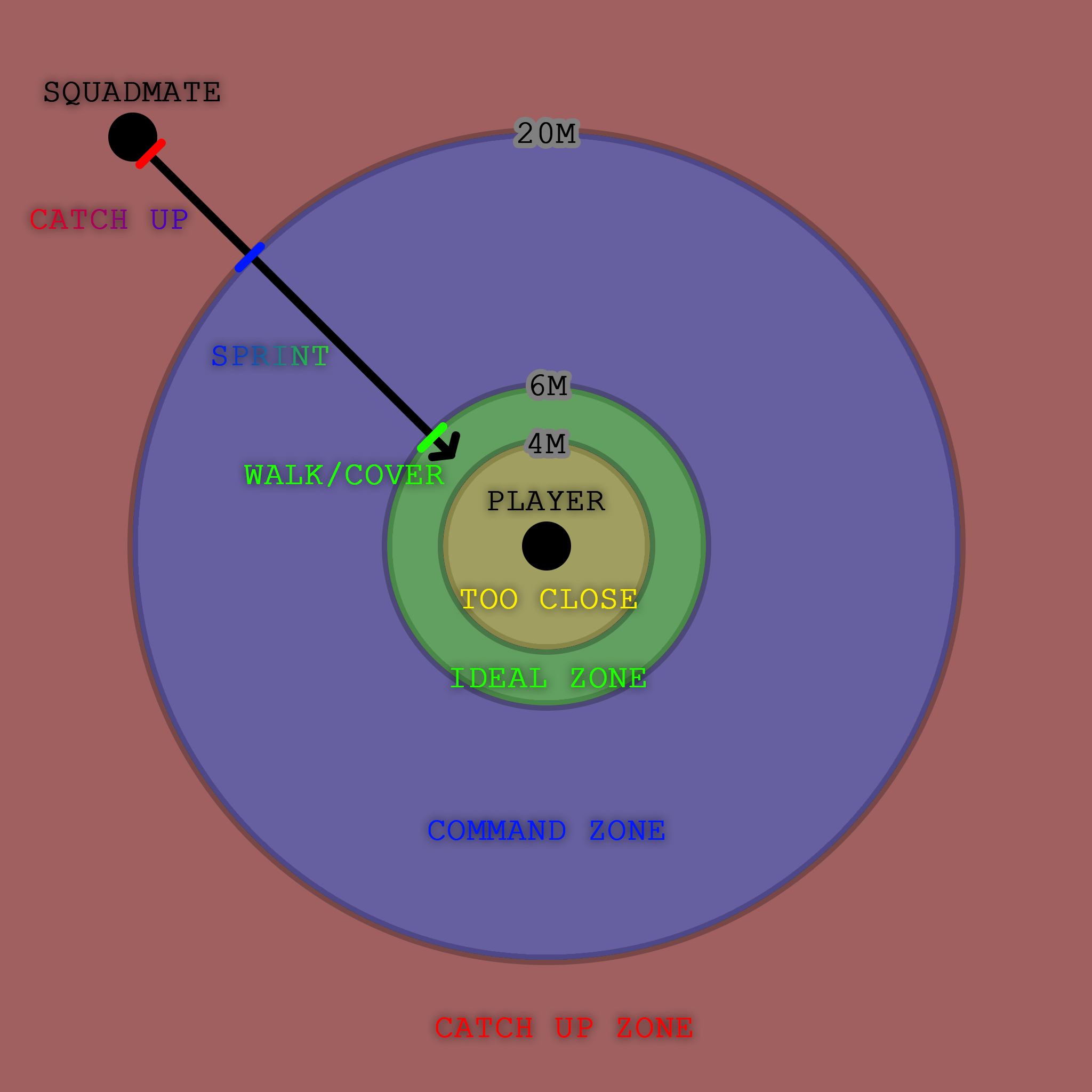
One of my primary methods for communicating designs was through creating visually simple and consistent mocks. These visual aids did a lot of heavy lifting for the engineers, helping them see the intent when written design was either too complex to fully understand or was generally difficult to explain. Many of the mocks I created are shown above with short descriptions of the designs they represent.
creating a third person shooter part two
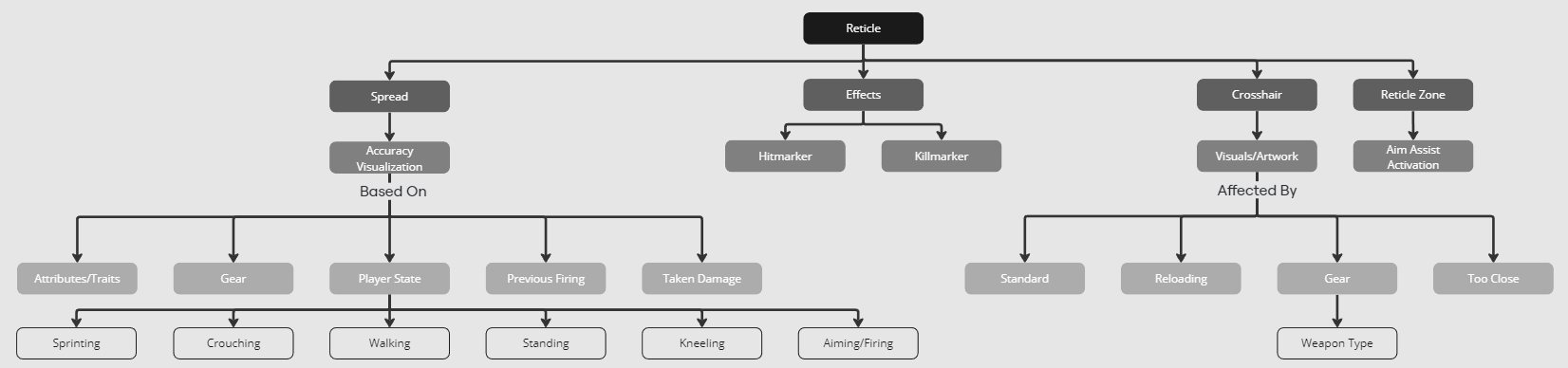
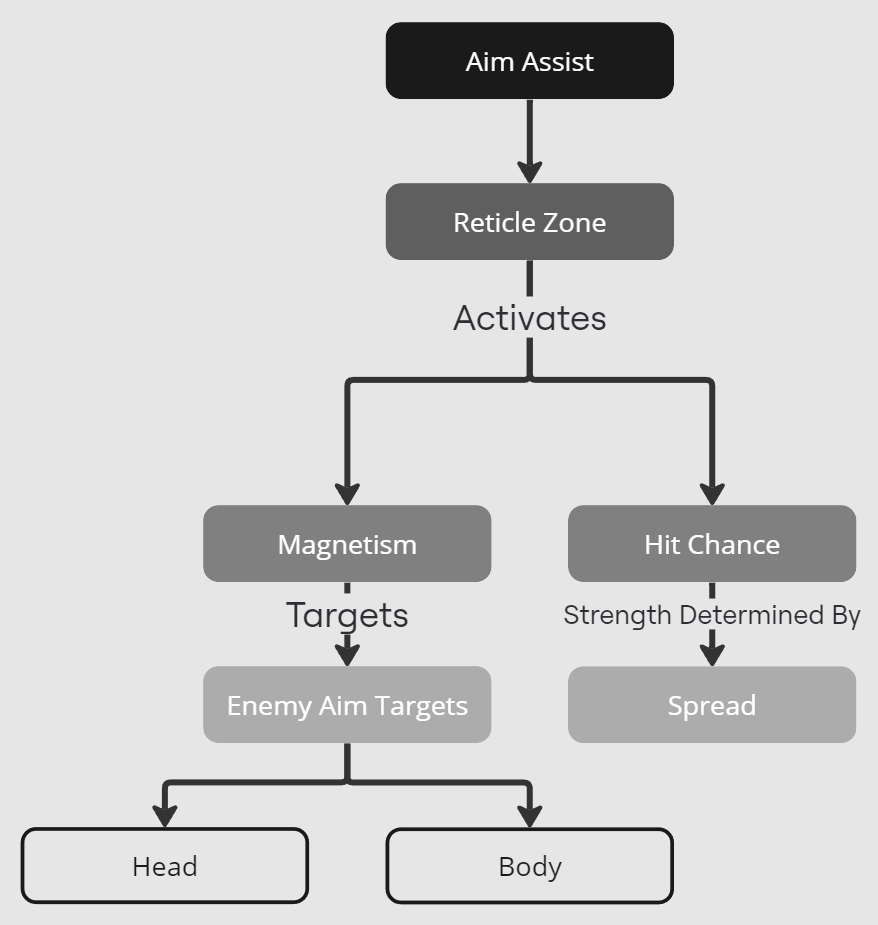
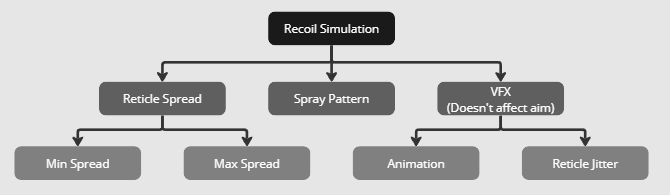
I mentioned on my Zero Day project that I tried a 'terminology tree' during that project to help the team communicate efficiently to minimize confussion from the misuse of terms. I used that same practice on MadWorld, creating flow charts to demonstrate visually how various terms related to one another. This was particularly useful for the 'power' system - a system which algorithmically determines how powerful a weapon is based on its attributes and displays that information to players so they can make quick and easy decisions about their equipment choices. More on power below.
This way of displaying information proved to be extremely important on a game with a complex meta like MadWorld where there are hundreds of items for players to acquire all with unique appllications and relationships. Not only did players need to understand what they were looking at, but developers needed a deep understand of game items to keep code clean and avoid errors.
fleshing out content - gear
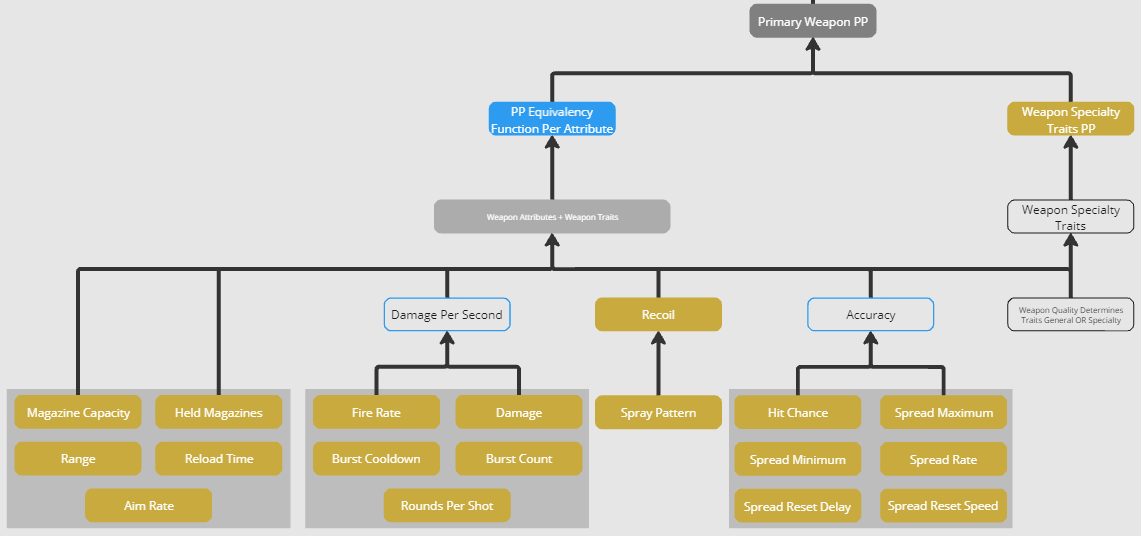
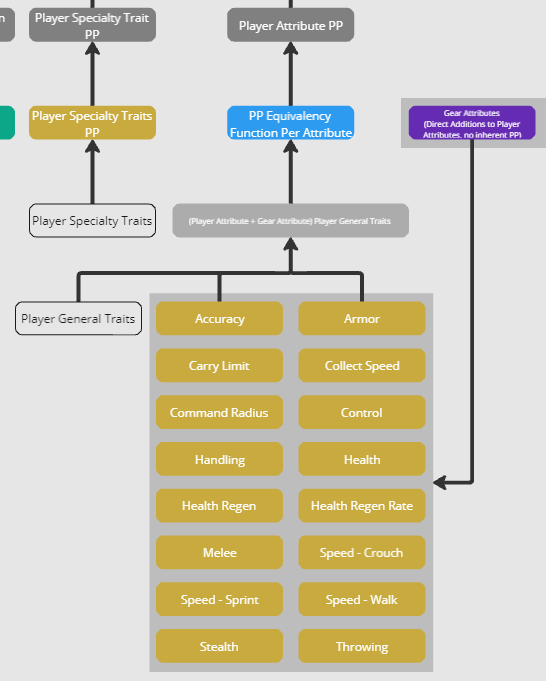
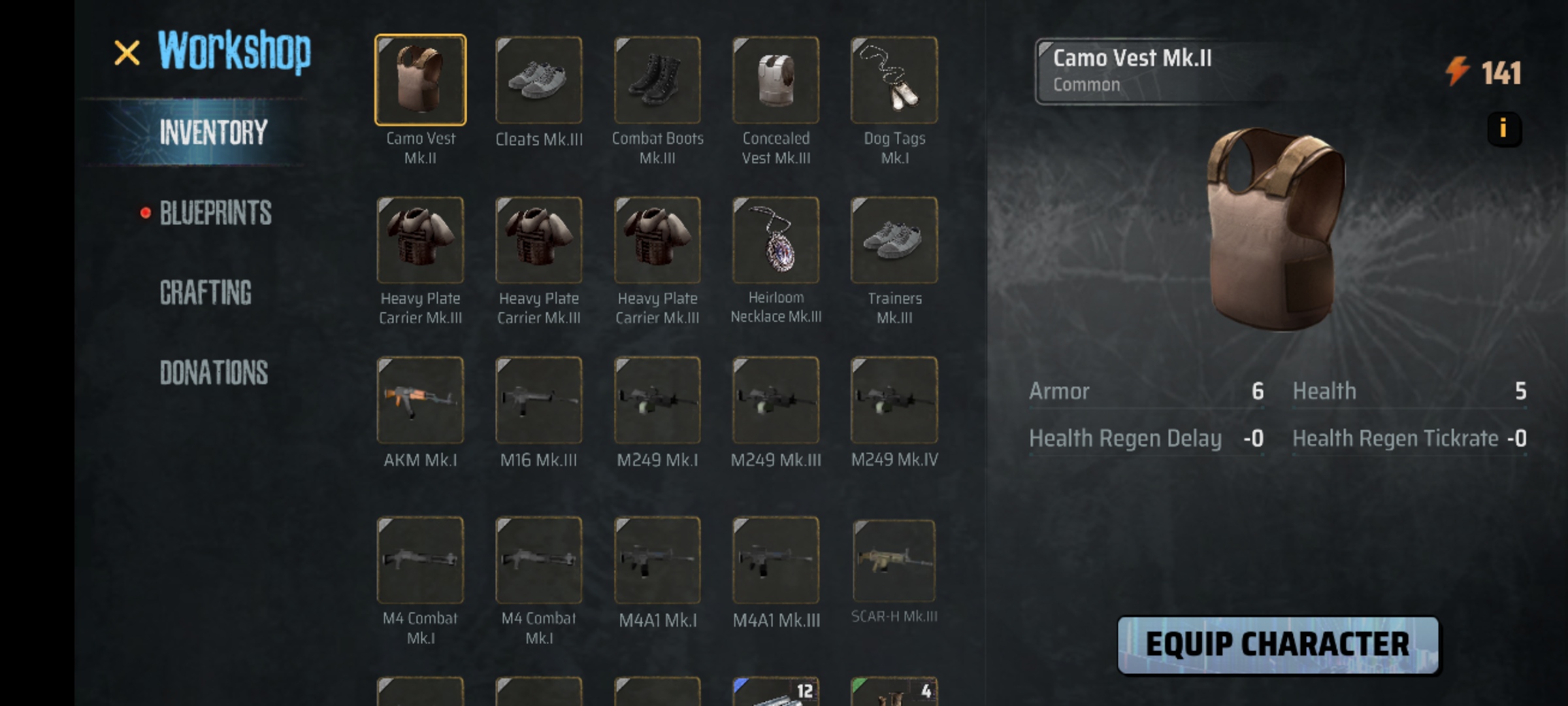
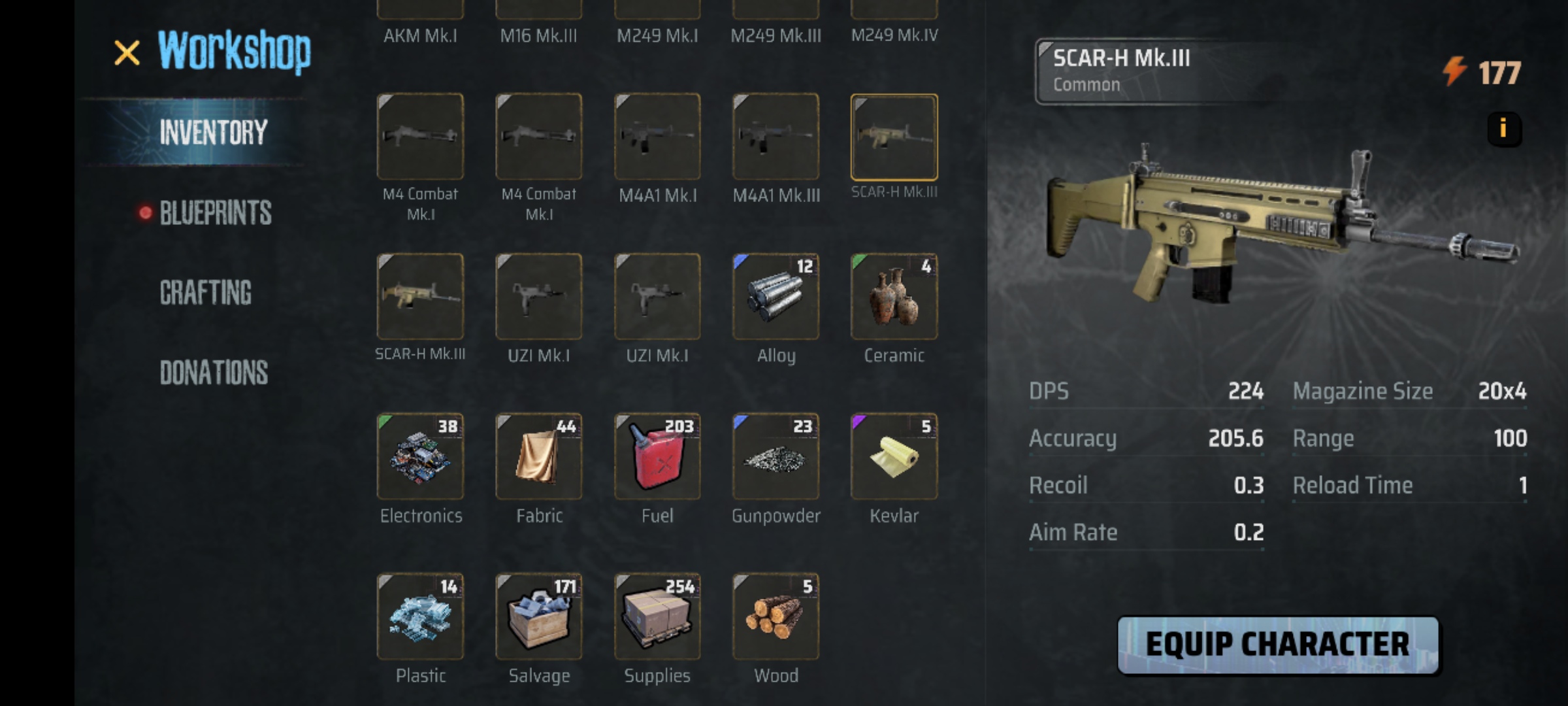
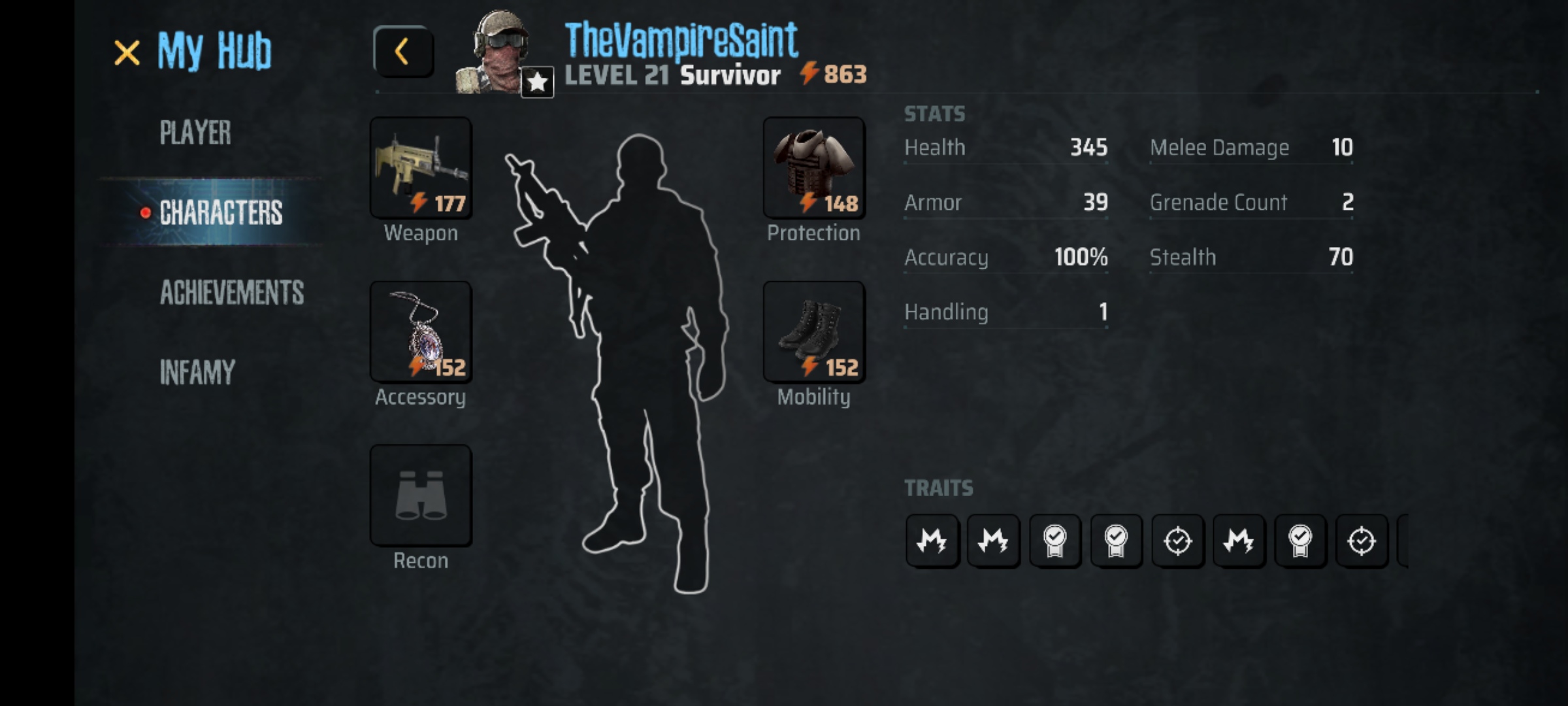
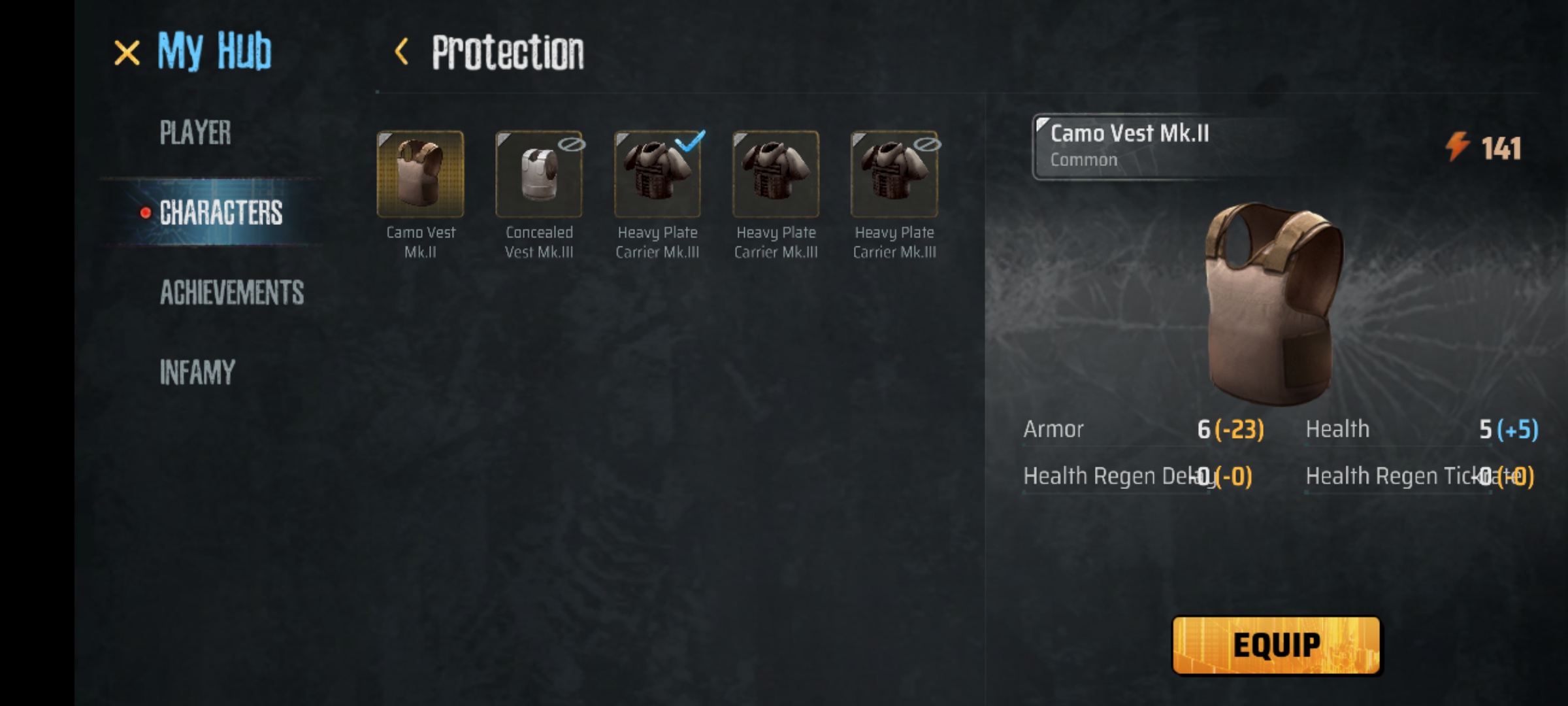
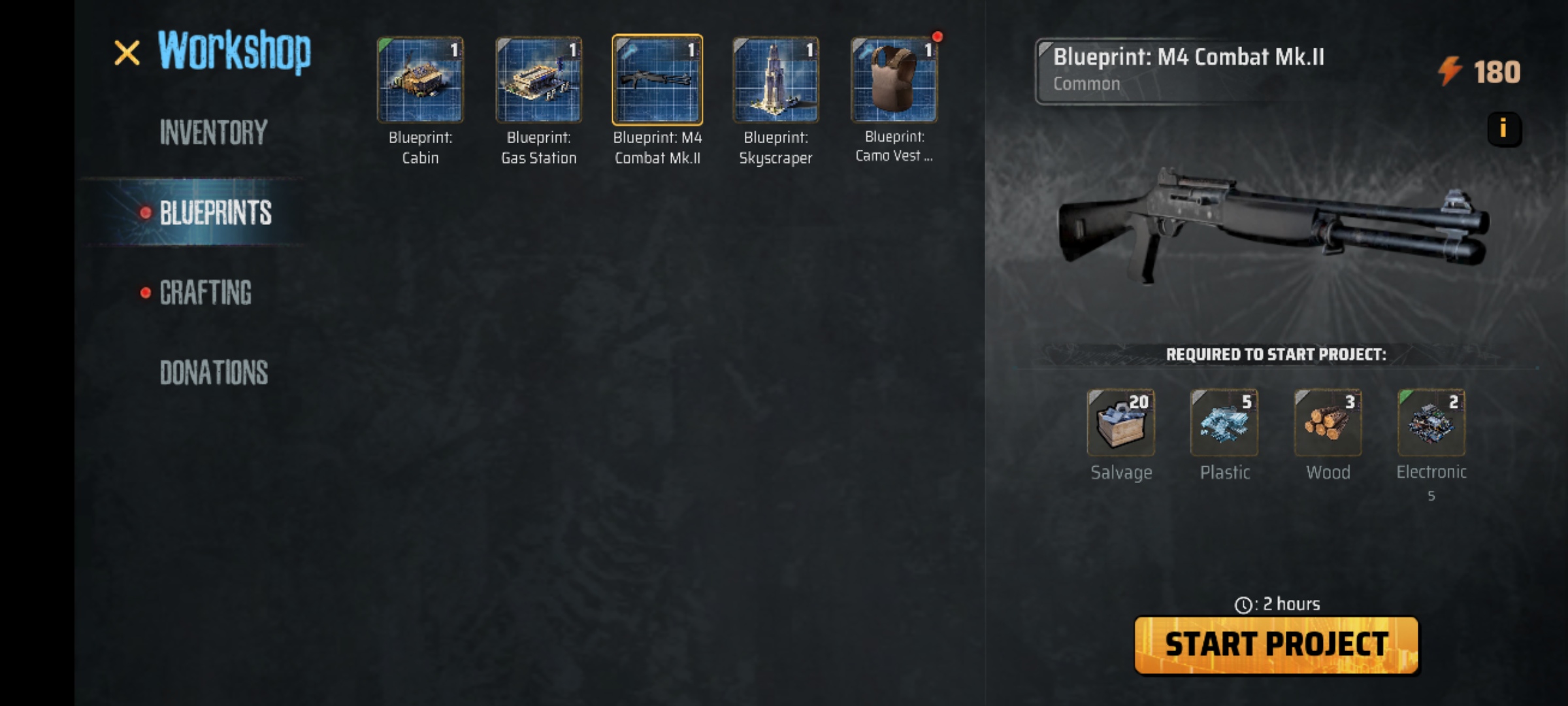
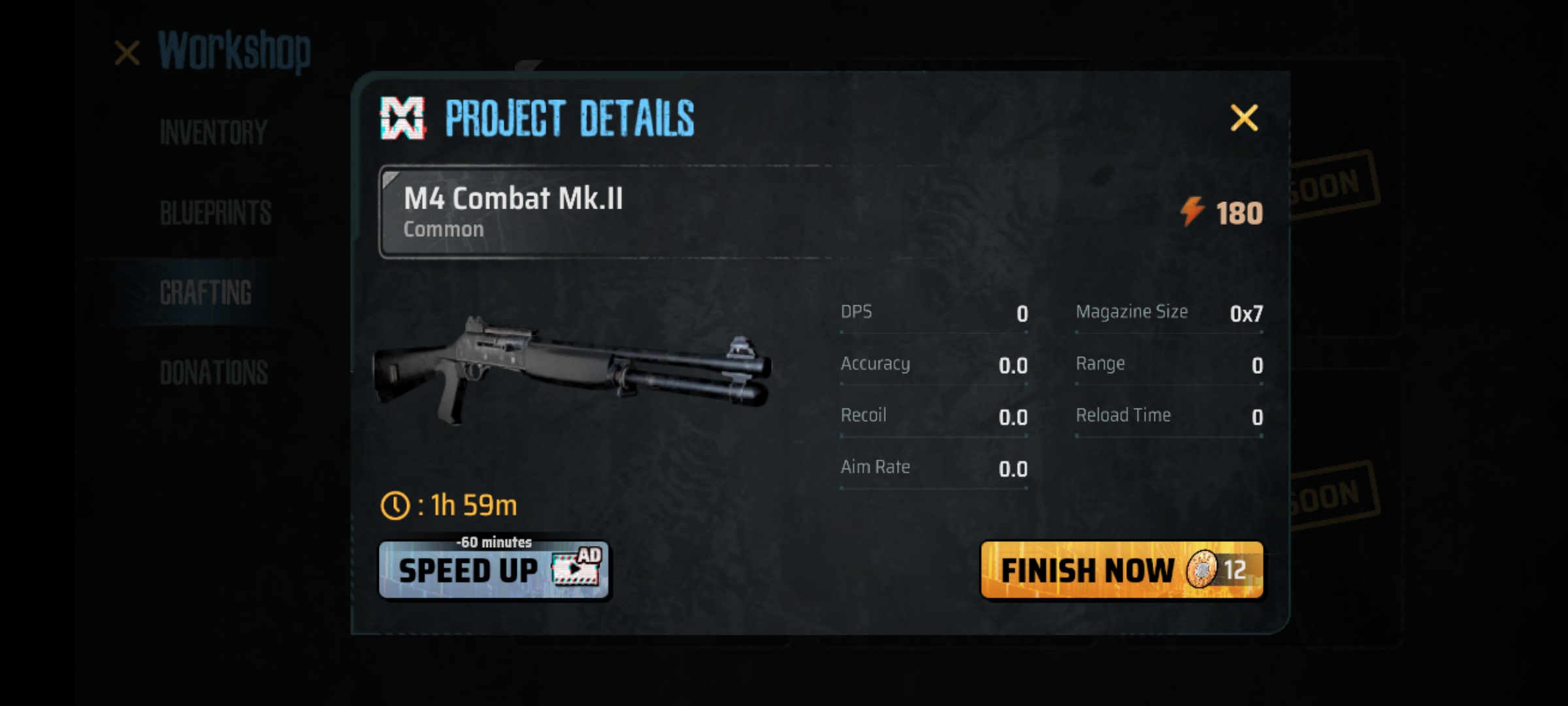
Considering we were creating a free live service game, it was paramount that players had a significant amount of content to encourage players to return often, grind for game items, and spend to keep the game afloat. One of our primary sources of content was our weapons and equipment. We created a complex system of Attributes to allow for near infinite variations of Gear then set off to build hundreds of game items for players to buy, craft, or earn.
To ensure players continuously earn better Gear and have items to strive for, we created a two prong system. Quality and Tier. Quality is based on the CURSE scale (common, uncommon, rare, scarce, exotic) would determine unique additions to weapon function such as attachments, new behaviors, and skins. Tier was represented as Marks and were level locked; they acted as direct linear progression offerring more powerful Gear as the player leveled up and were offered more difficult missions.
To balance such a wealth of game items, we create the 'Power System' which allowed us to compare the reletive Attributes of every piece of Gear and output a single score we called 'Power'. This system helped us ensure that more rare and higher tier weapons were balanced against each other and always more powerful than more common lower tier Gear. Eventually, we decided to surface Power to players to help them choose their loadouts more efficiently. All of this math and all Gear was housed in an enormous spreadsheet that fed all of this data into various other systems, such as the game's economy, to create one comprehensive document.
fleshing out content - structures
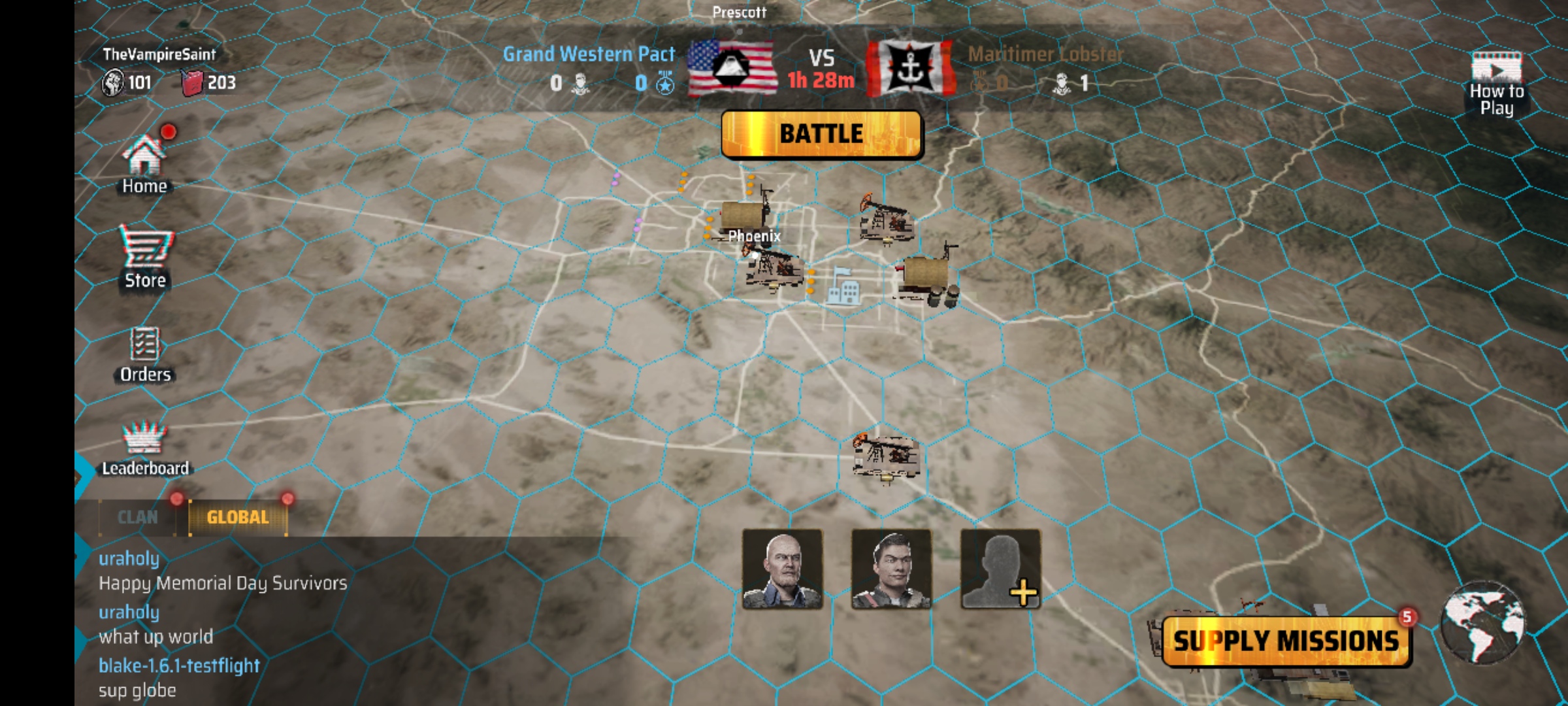
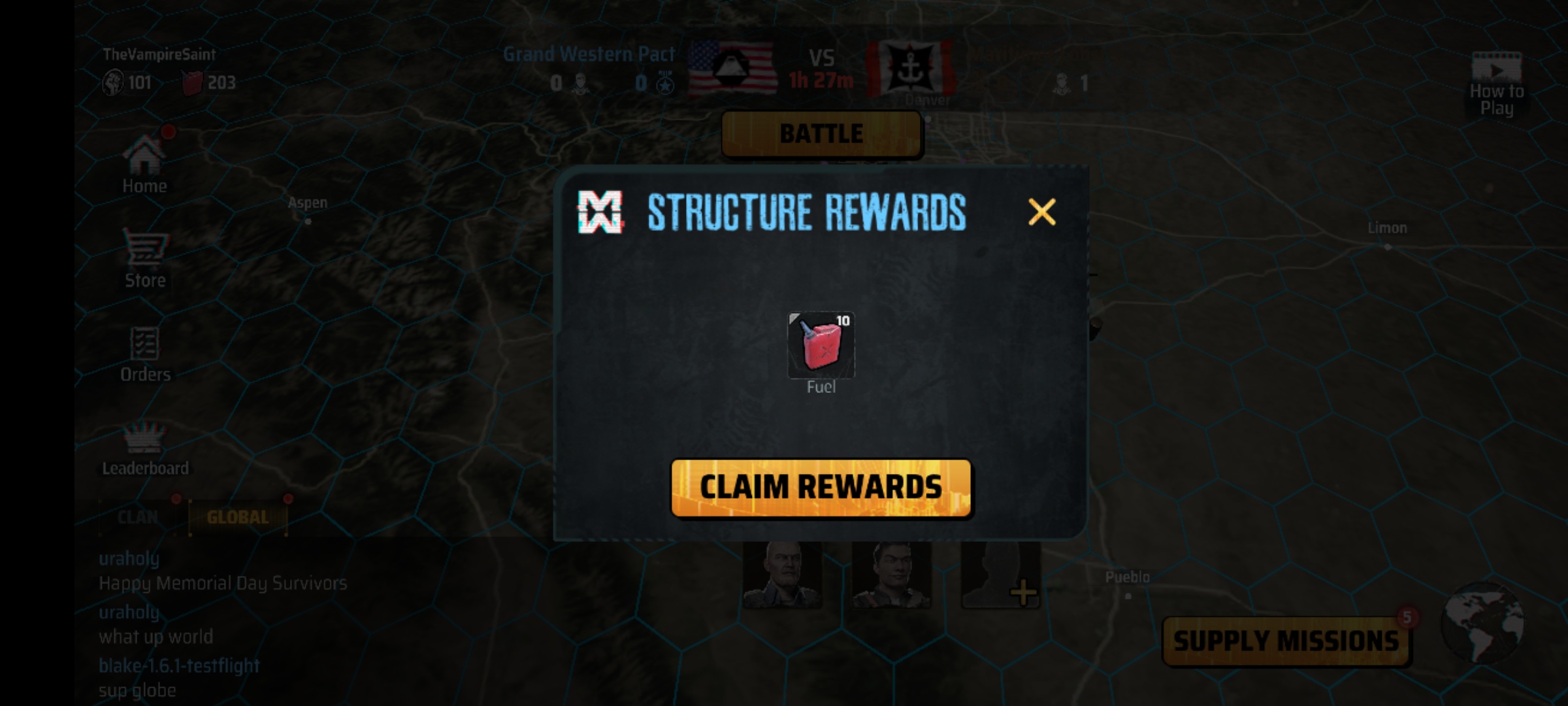
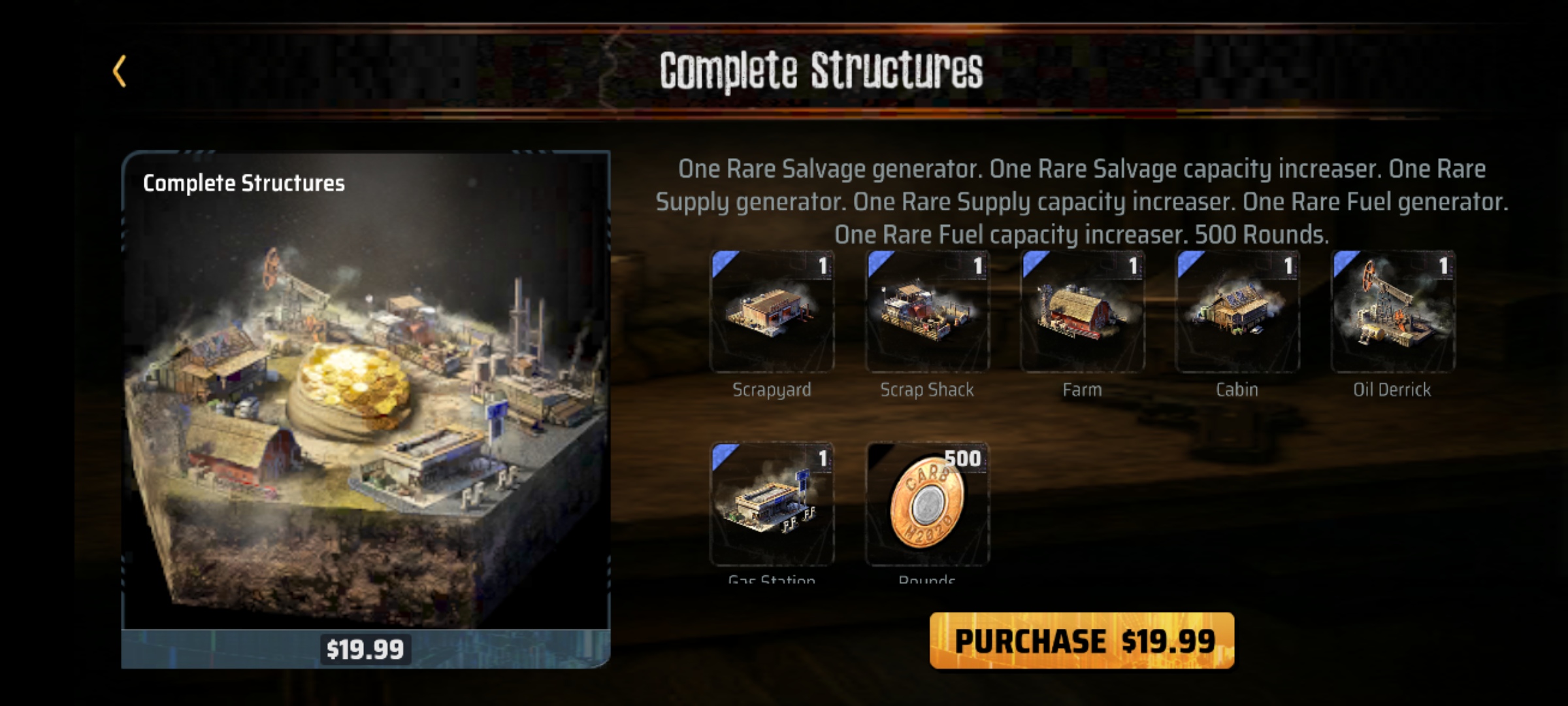
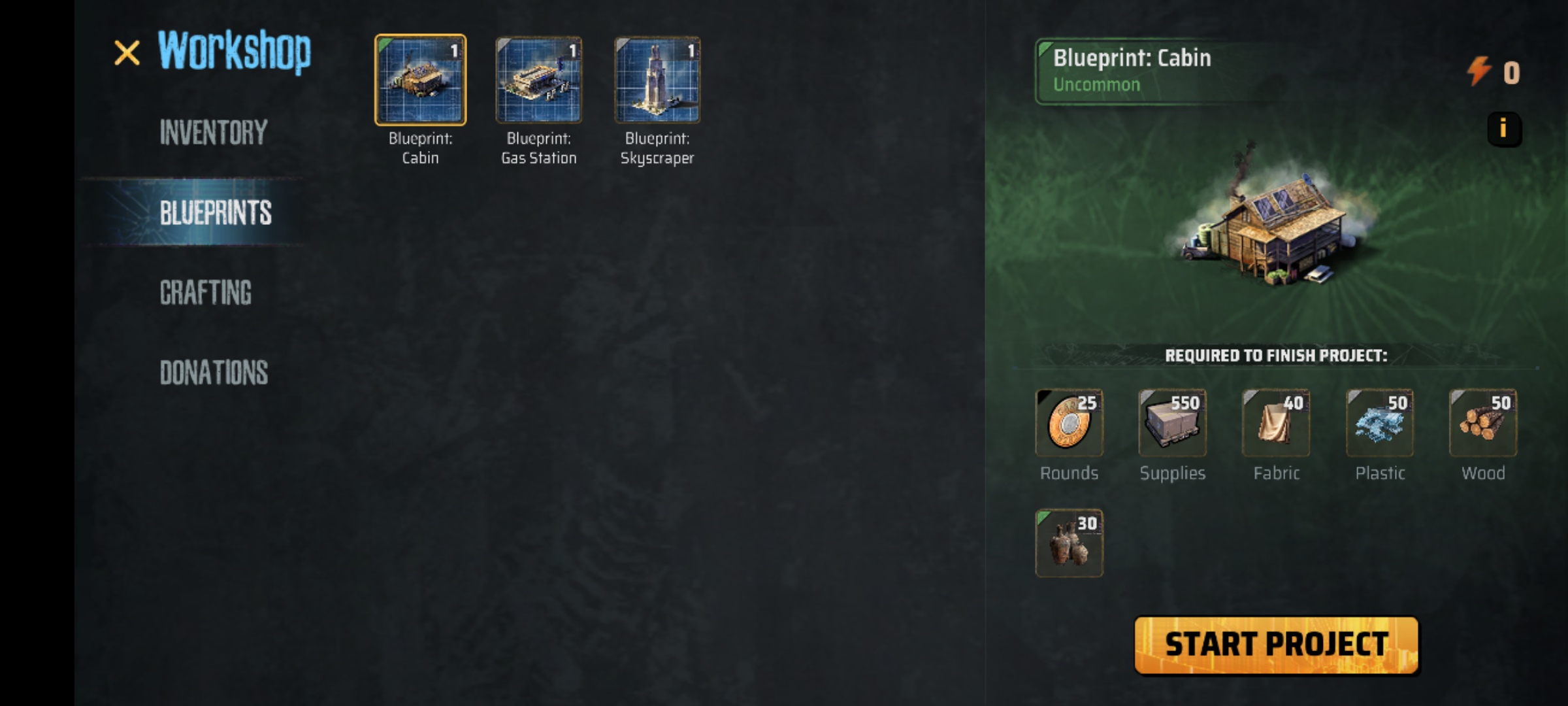
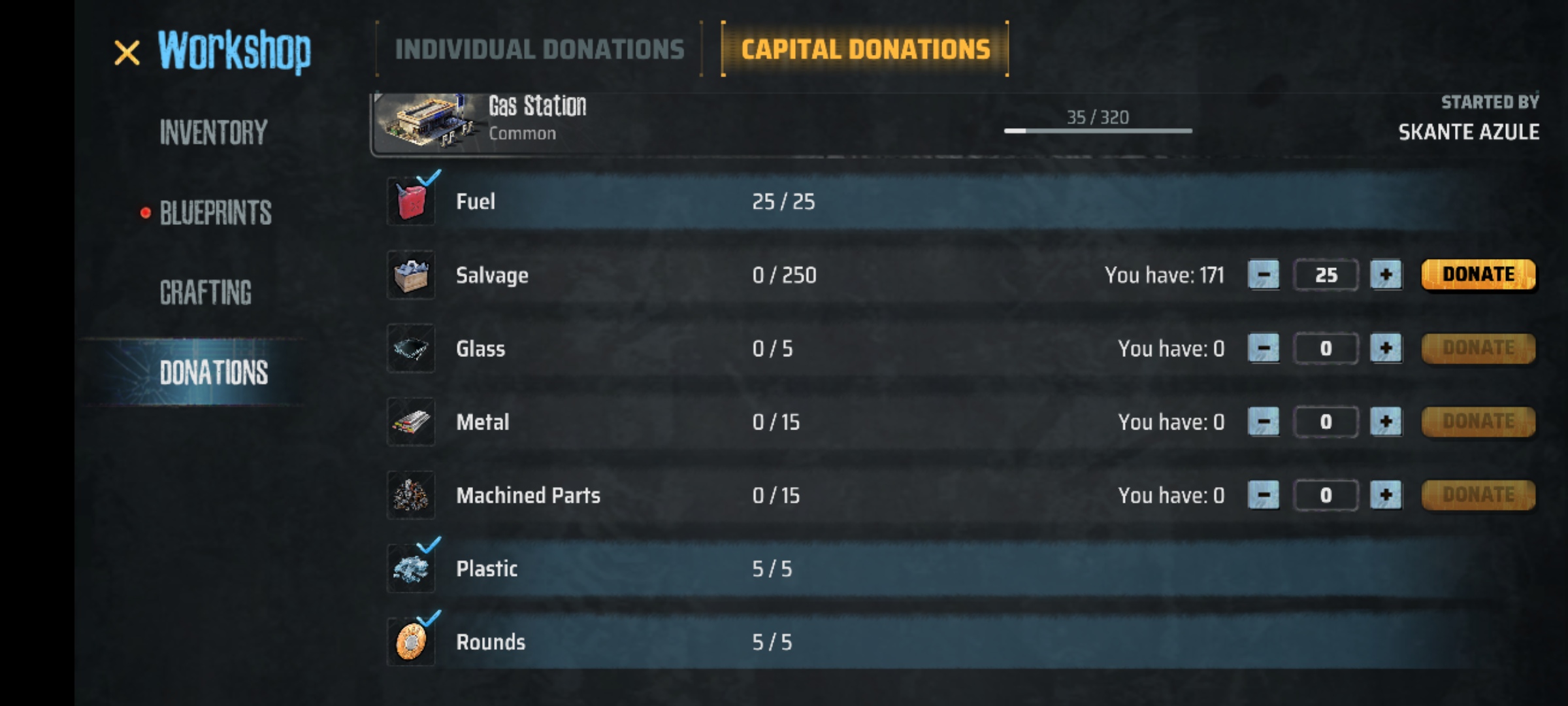
Structures are powerful, permanent game items that player can place on any territory their Clan controls. Each hex has slots based on its rarity that determines how many Structures can be placed. Structures remain on hexes indefinitely but are removed when the hex changes control. This adds a layer of decision making to wars as player want to fight to keep their Structures while others seek to destroy enemy Structures.
Structures come in a range of qualities, just like Gear. These qualities affect the amount of resources produced or how often the resources are produced. Structures allow players to gain an edge in wars by providing a steady drip of resources for all kinds of uses.
fleshing out content - creating clans
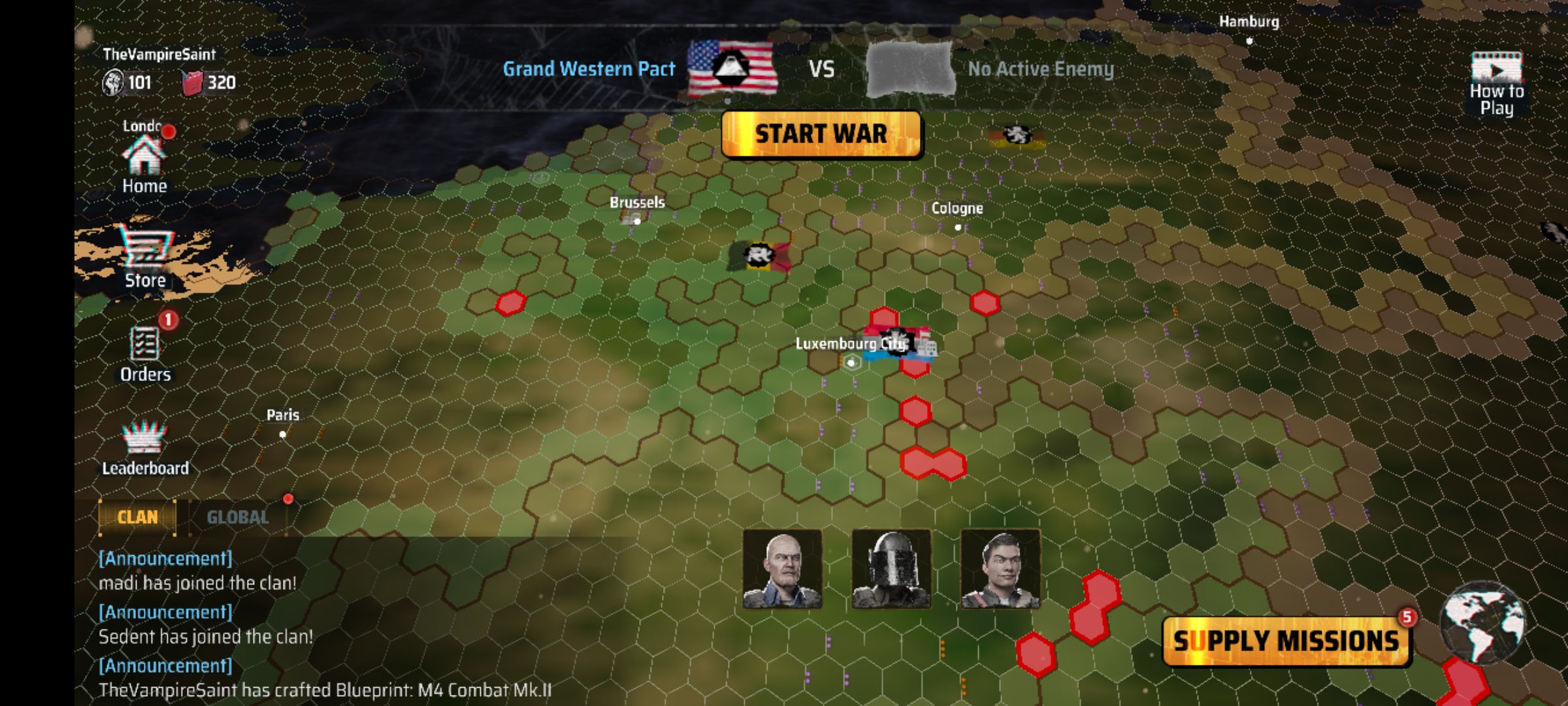
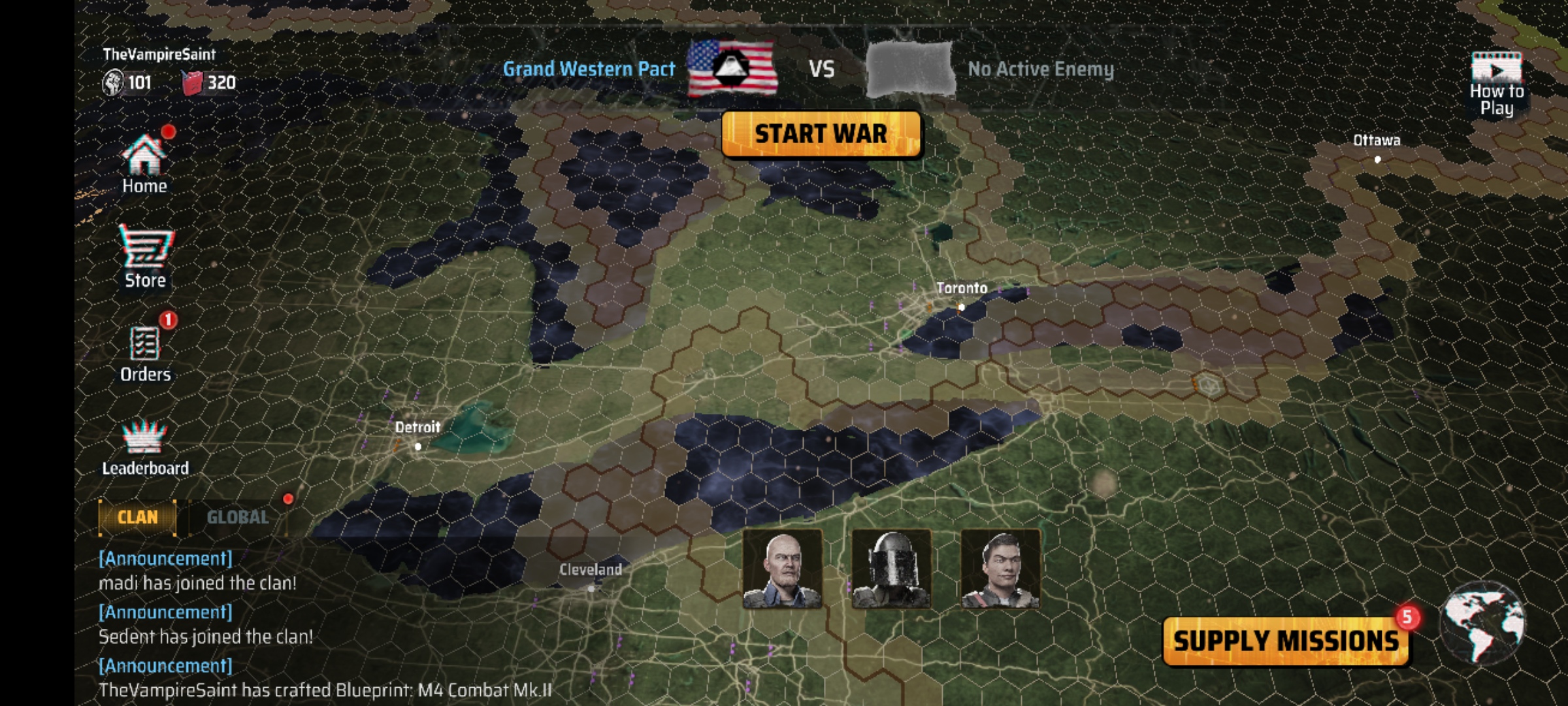
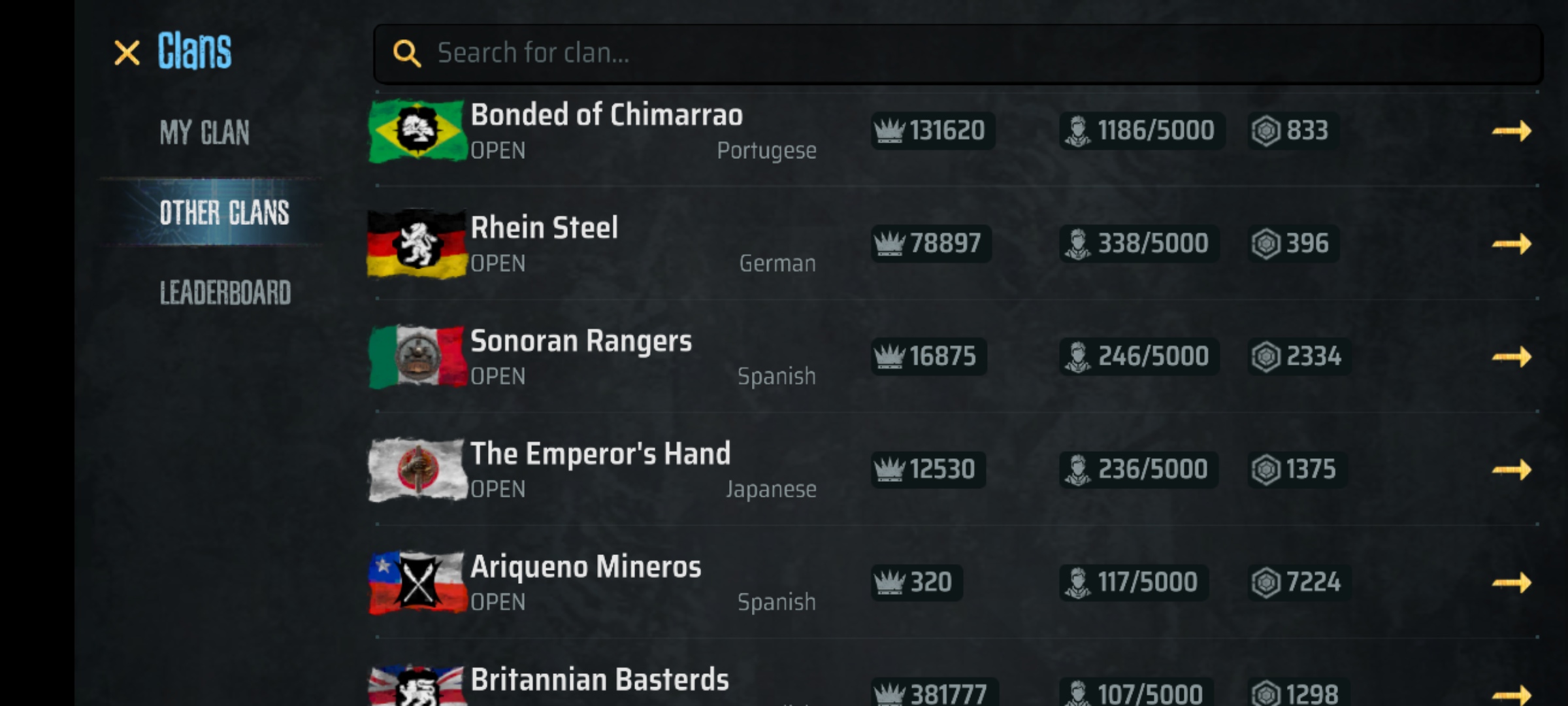
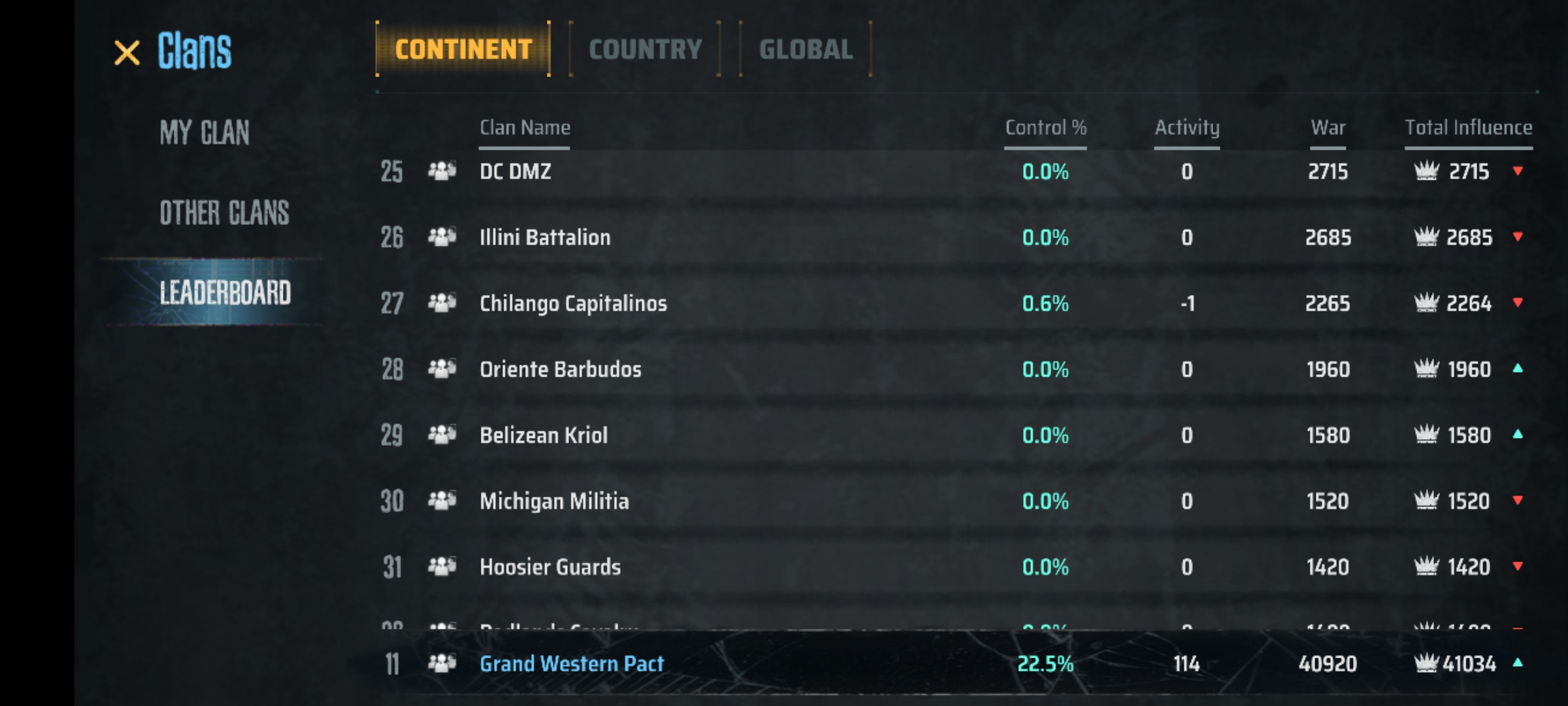
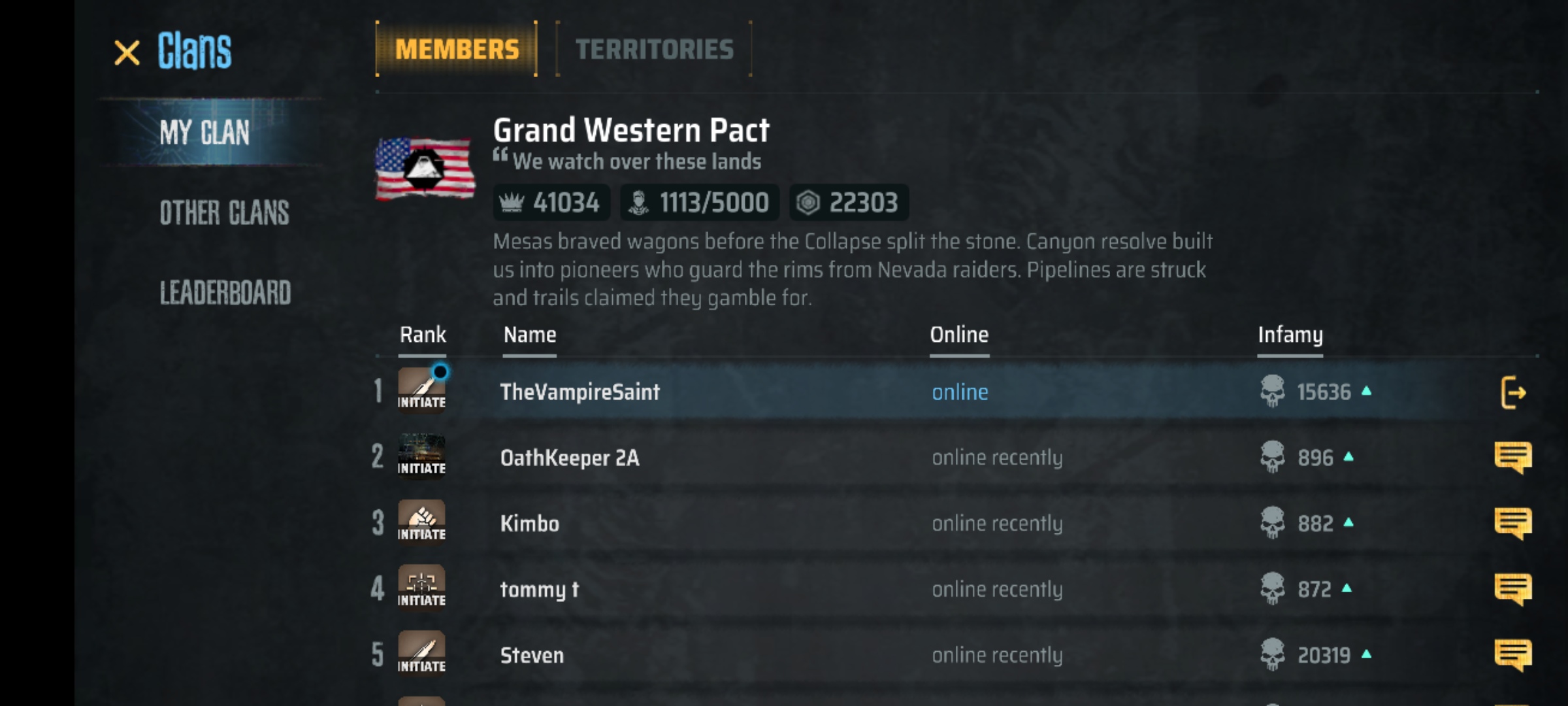
Madworld is a worldwide title where players join Clans to fight in wars. As such, we needed Clans. Lots of Clans. This was one of the larget undertakings of the game. We wanted to have Clans across the entire world, each with a unique identity that applied to the region it began in and have each feel balanced at launch.
To accomplish this, we first calculated how many Clans each country would recieve based on an algorithm between their population and area. Then, that number of Clans was divided through the country based on population density so each Clan would contain roughly the same population. After this, Clans were modified across country borders to encourage some territory disputes on launch.
Finally, extensive research was performed for the areas each Clan covered. We looked at each area and gathered information about thier history, monuments, beliefs, and other culturally relevant details. All of this research was used to create Clan names, descriptions, mottos, and icons to ensure that not only was each Clan unique, but each felt culturally relevant to players in that area.
In the end, 870 different Clans were created and their territory mapped onto the world to cover every country.
fleshing out content - building levels
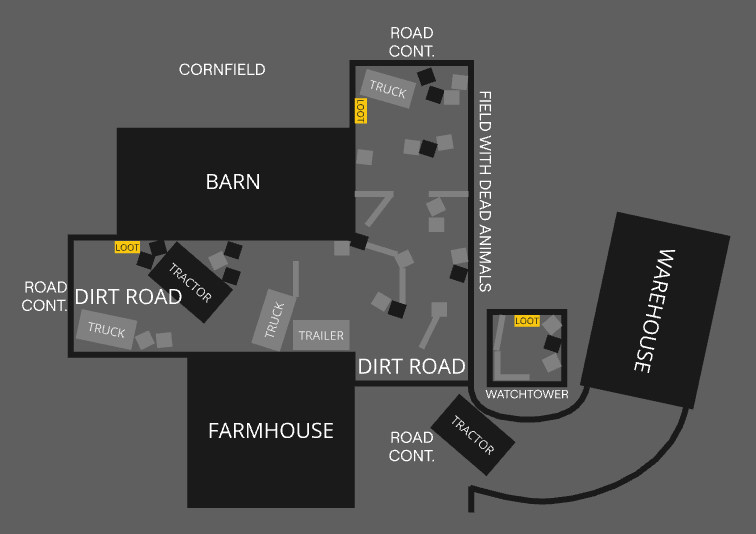
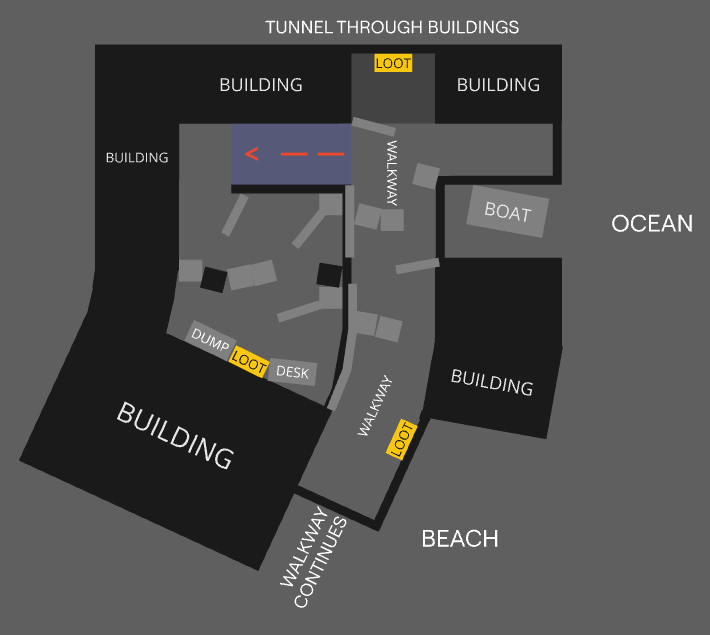
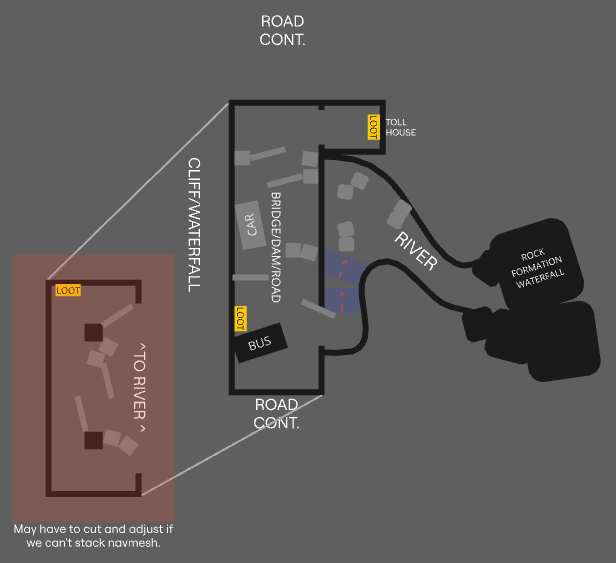
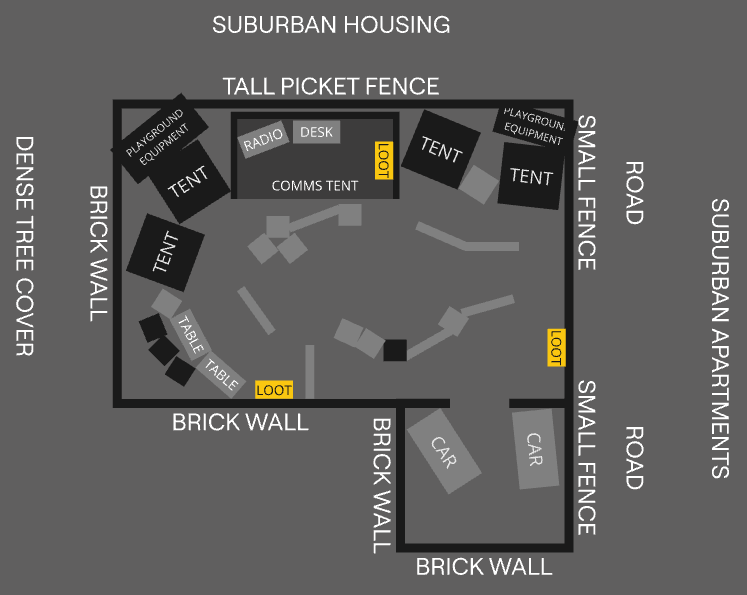
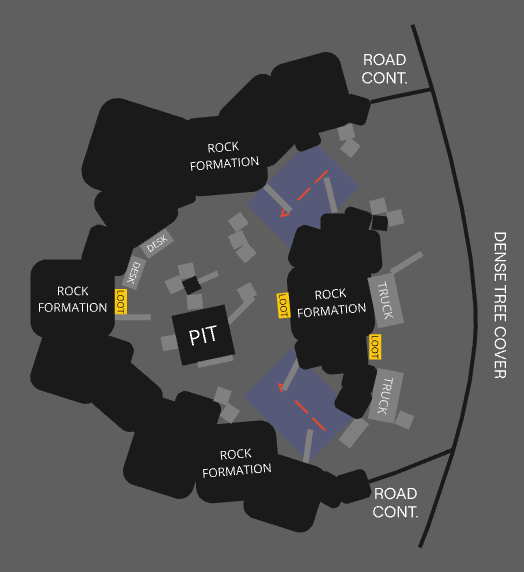
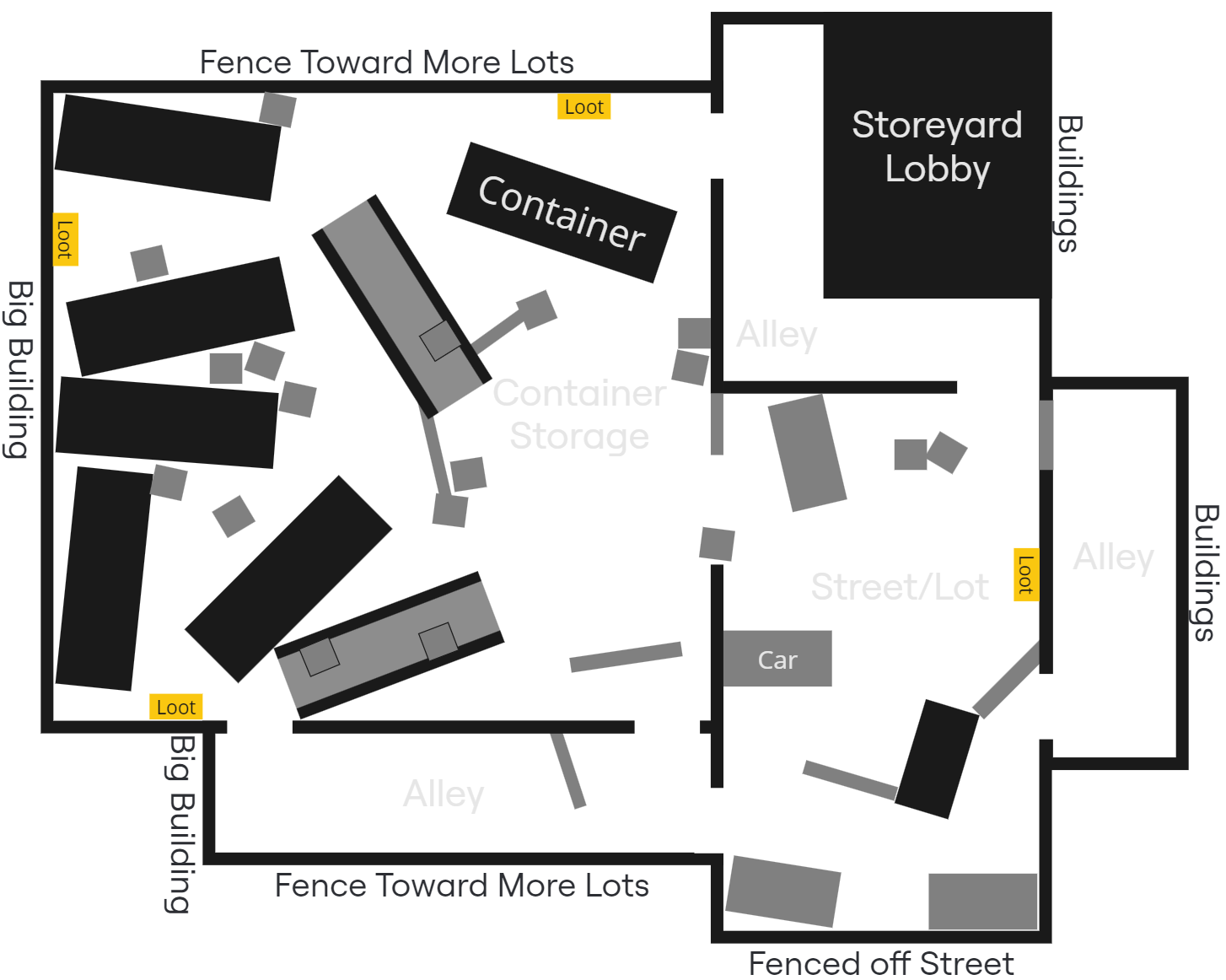
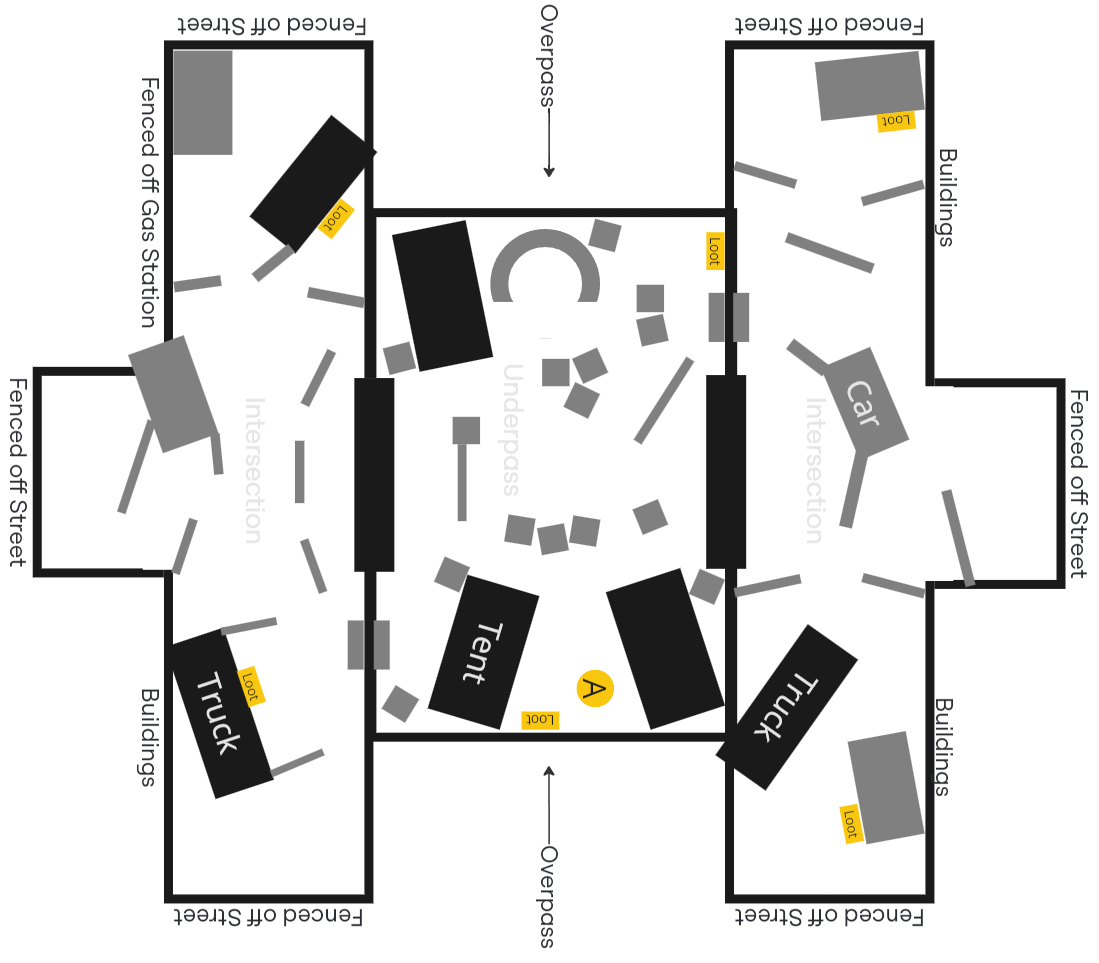
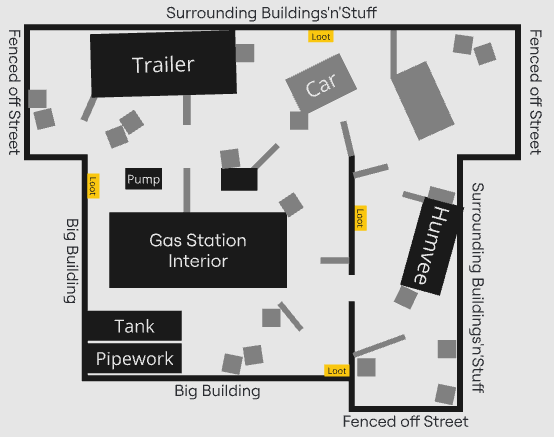
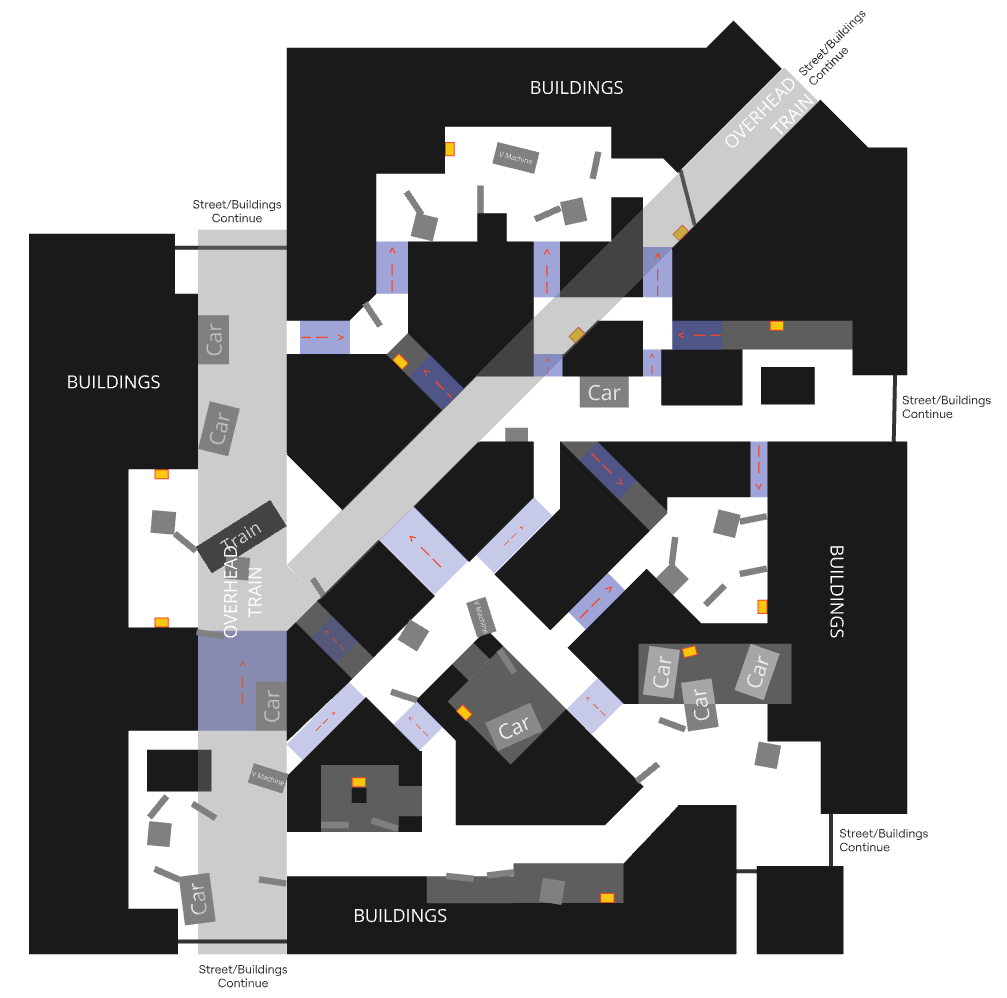
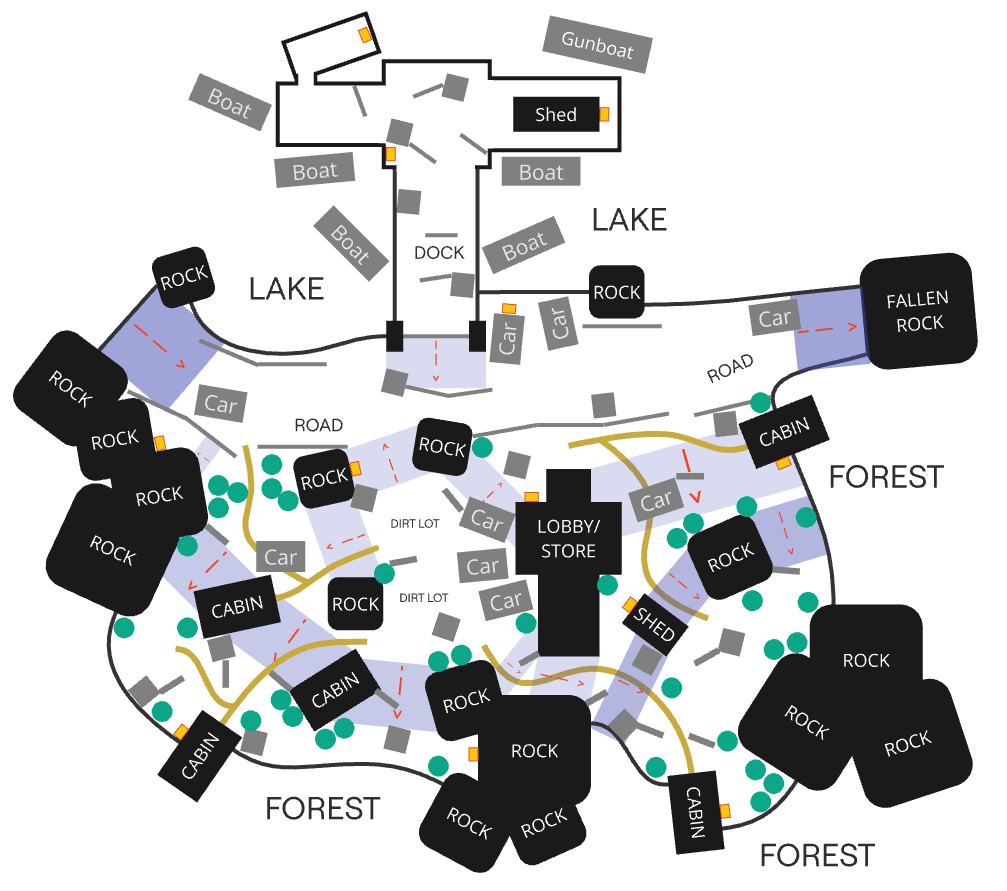
Levels in Madworld posed an interesting and unique challenge for me as a level designer for several reasons. The largest of these challenges was the platform: mobile. The levels needed to be small and performant while still telling a story and hosting exciting gameplay with enough space for many missions to be set within them. Another challenge was making levels that felt like they could be set just about anywhere in the world.
Extensive research was done to ensure each location felt global and that any player may have seen places like them in their region before. Levels were then built with the intention of swapping assets for different regions to ensure authenticity in the signage, architecture, and foliage.
Above are a handful of the levels I designed over the course of about a year of development. Each housed several different missions to maximize their replayability.
fleshing out content - building missions
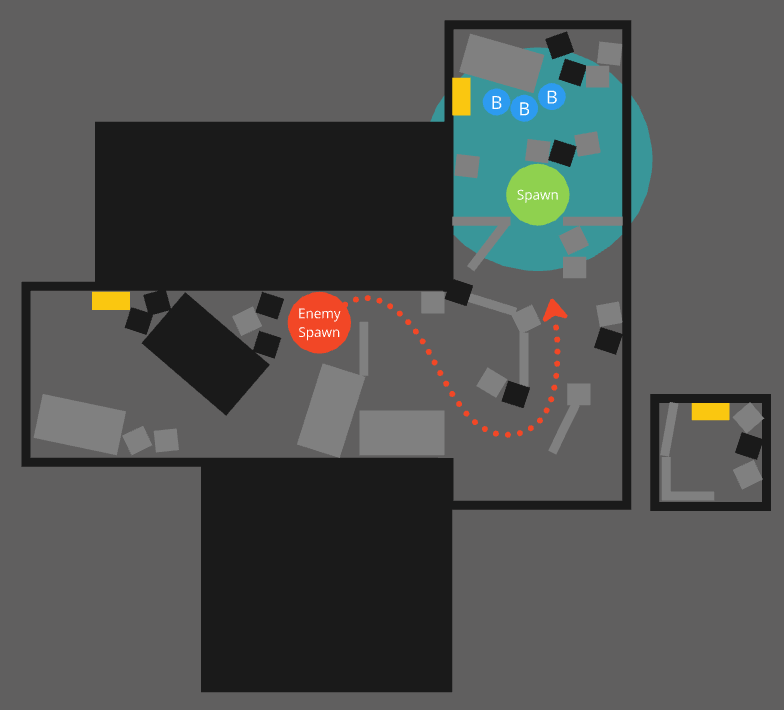
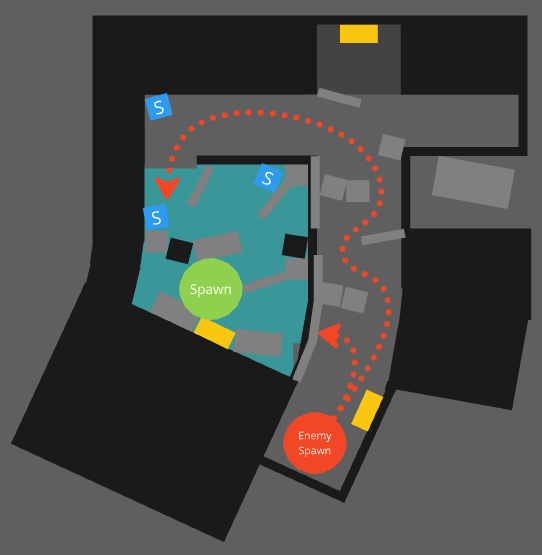
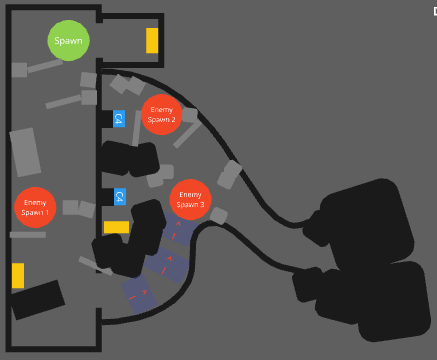
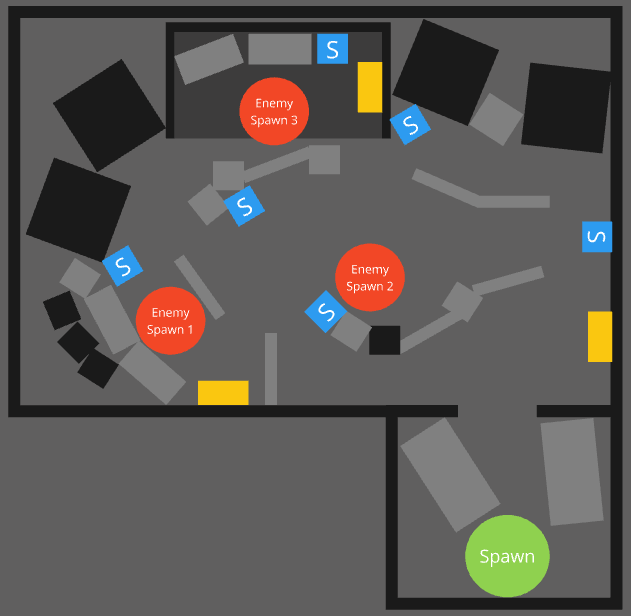
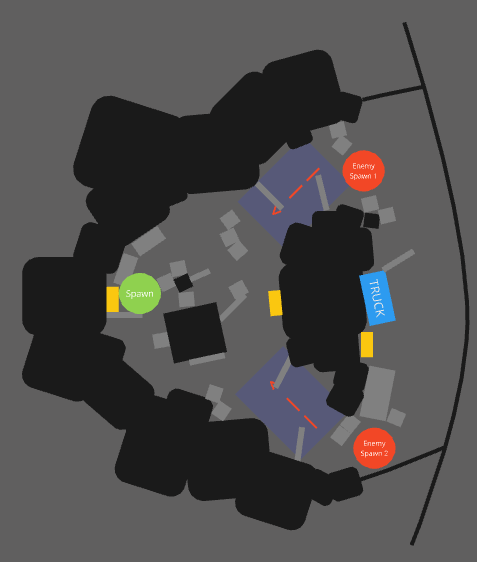
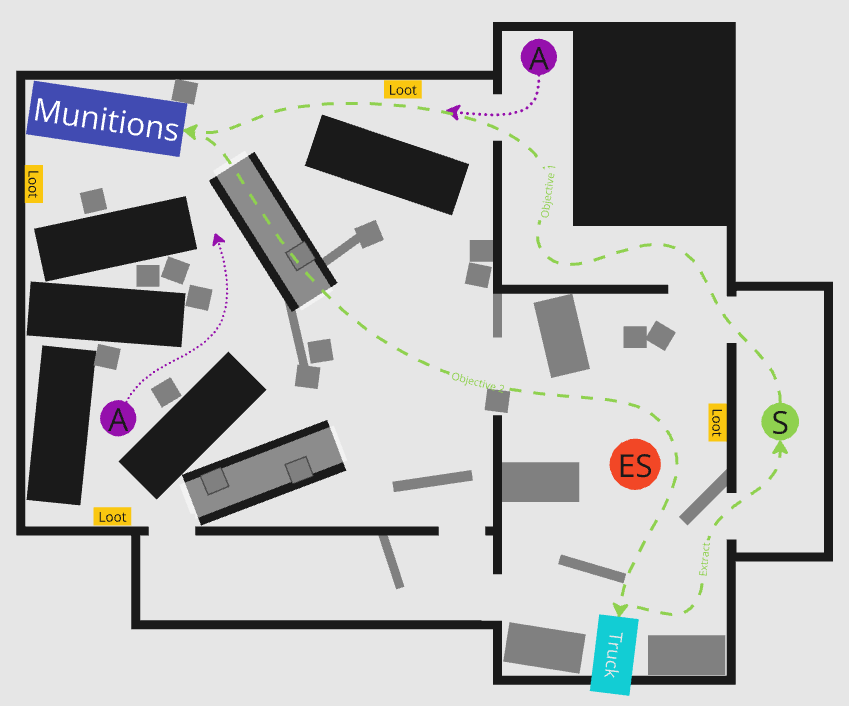
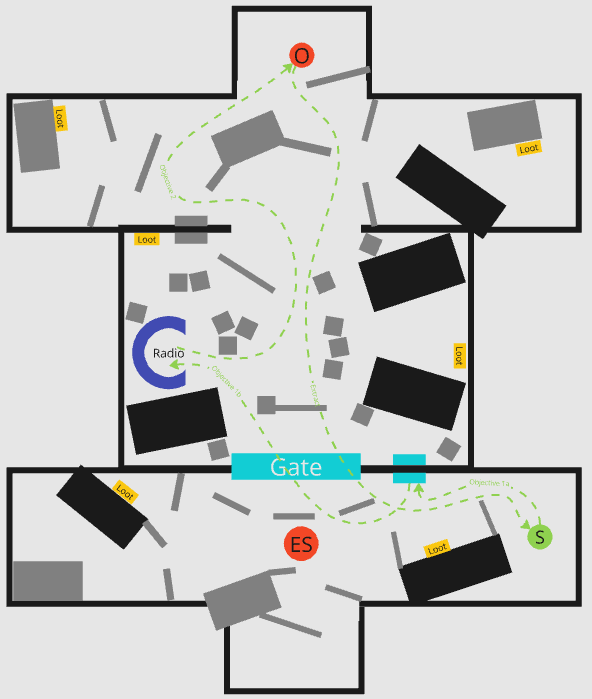
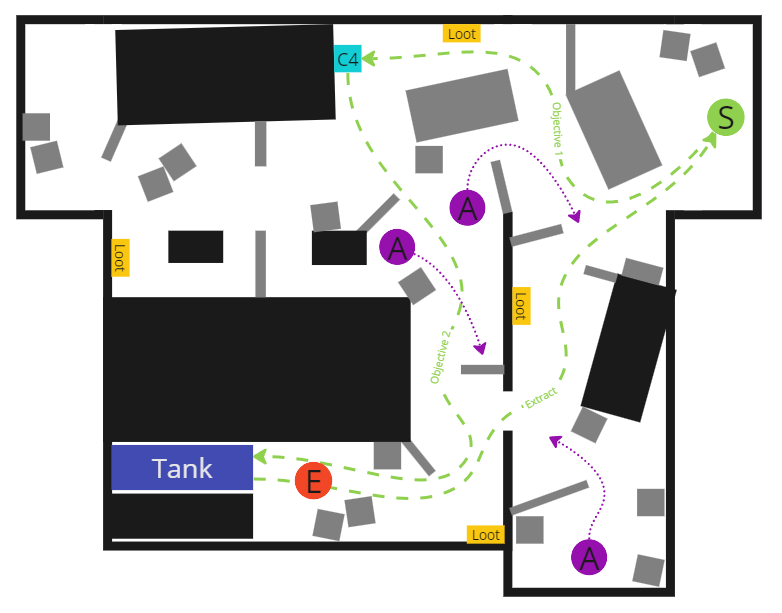
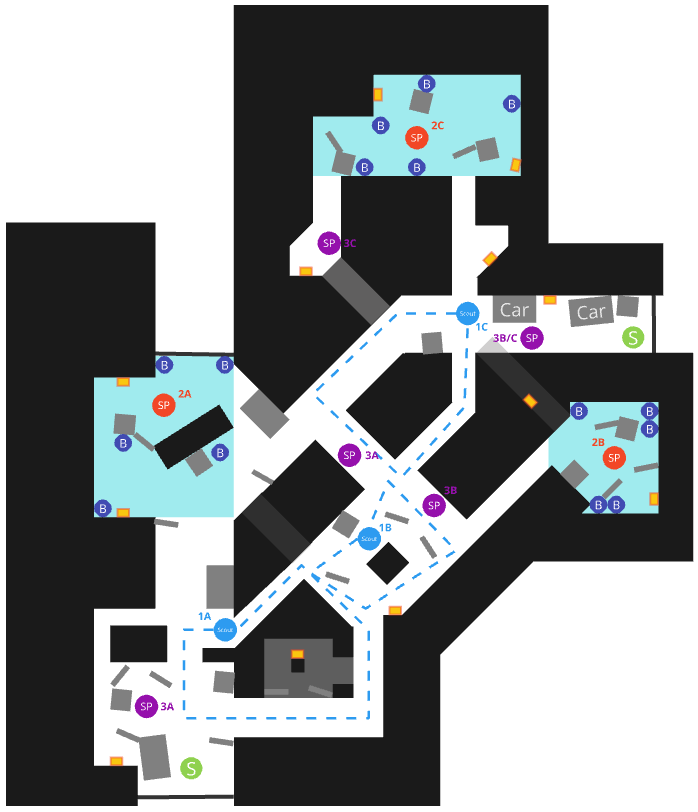
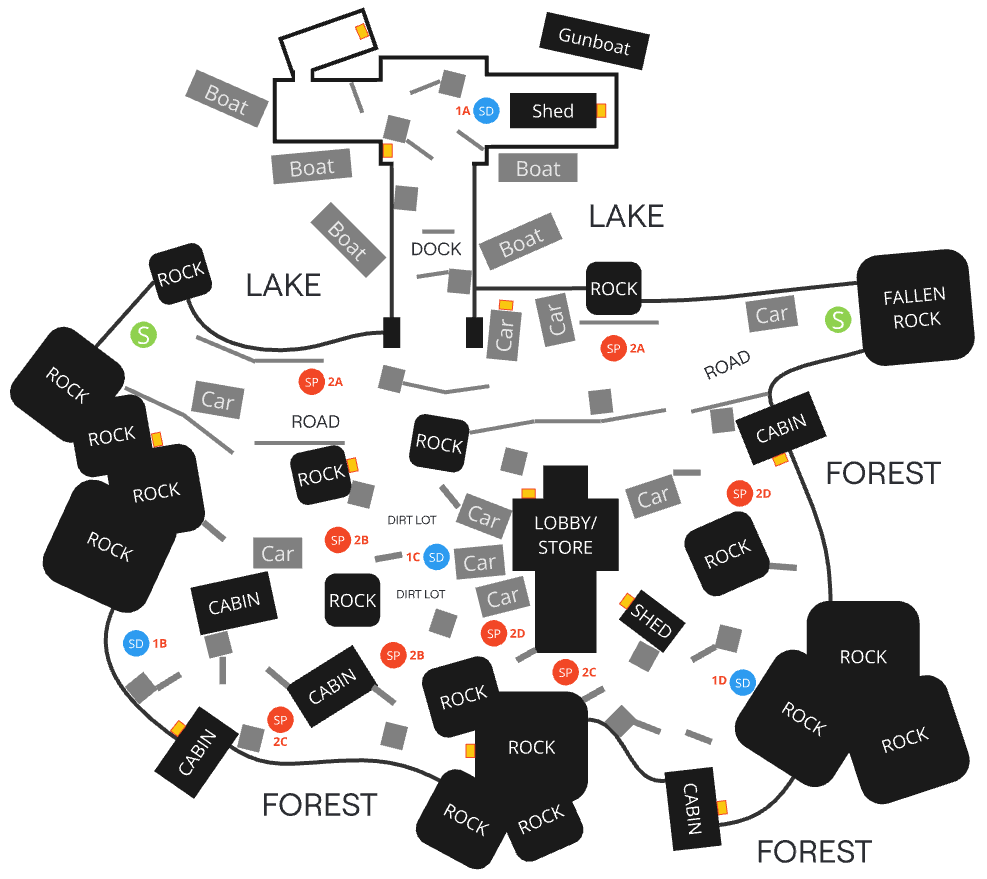
For each level, we crafted 3-5 missions. Each mission was based on a series of quick objectives. Our goal was to make these varied enough to be interesting but canned enough we could reuse their parts in other missions to both reduce development time and increase players' understanding of new missions by including parts they would recognize.
Above is one mission from each of the level. These missions usually lasted 3-5 minutes to keep a fast pace for mobile players - allowing players to play a mission or two during any other time they may pull out their phone such as waiting on an appointment, sitting on public transit, or using the restroom. We wanted MadWorld to be something players would play for a few minutes several times per day, so much of the game and missions were structured around this philosophy.
balancing the meta - player progression
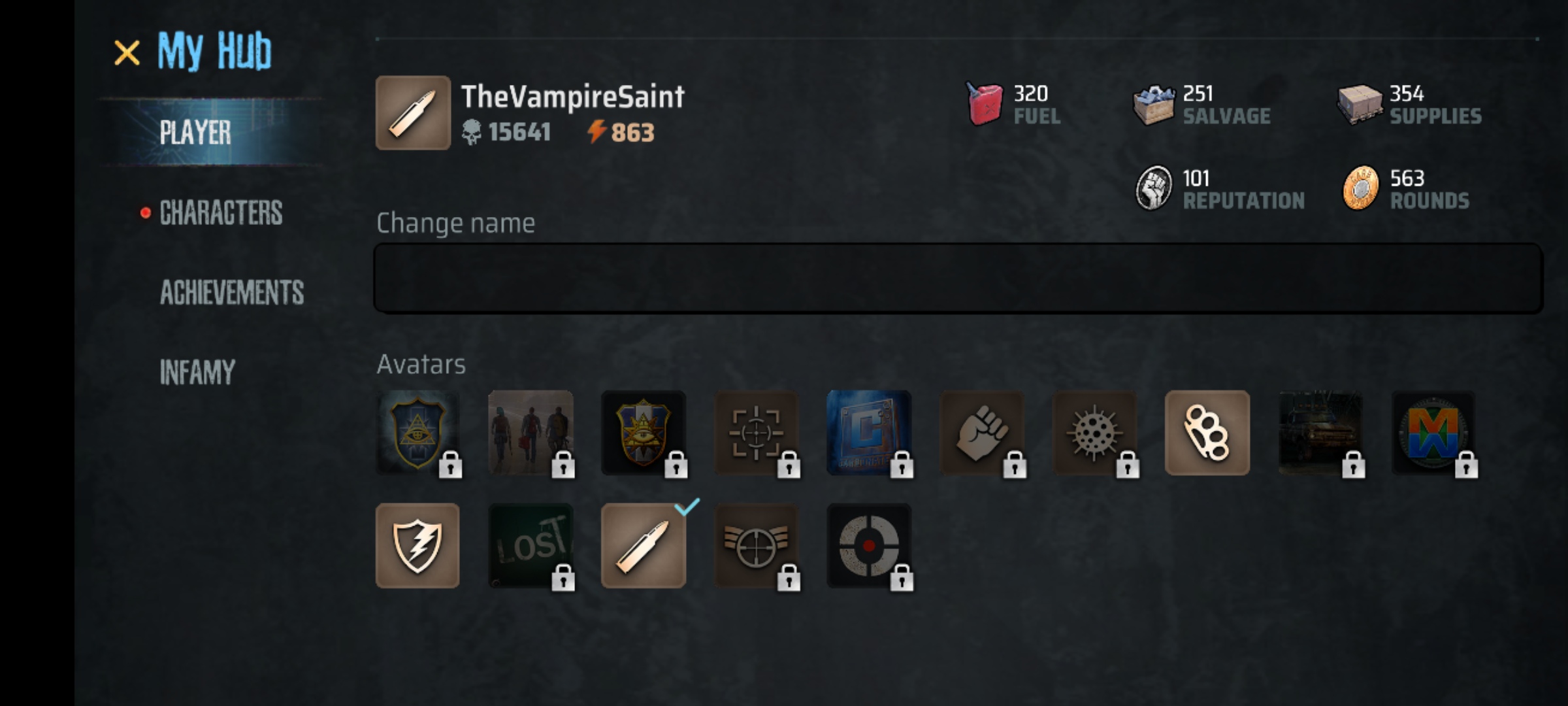
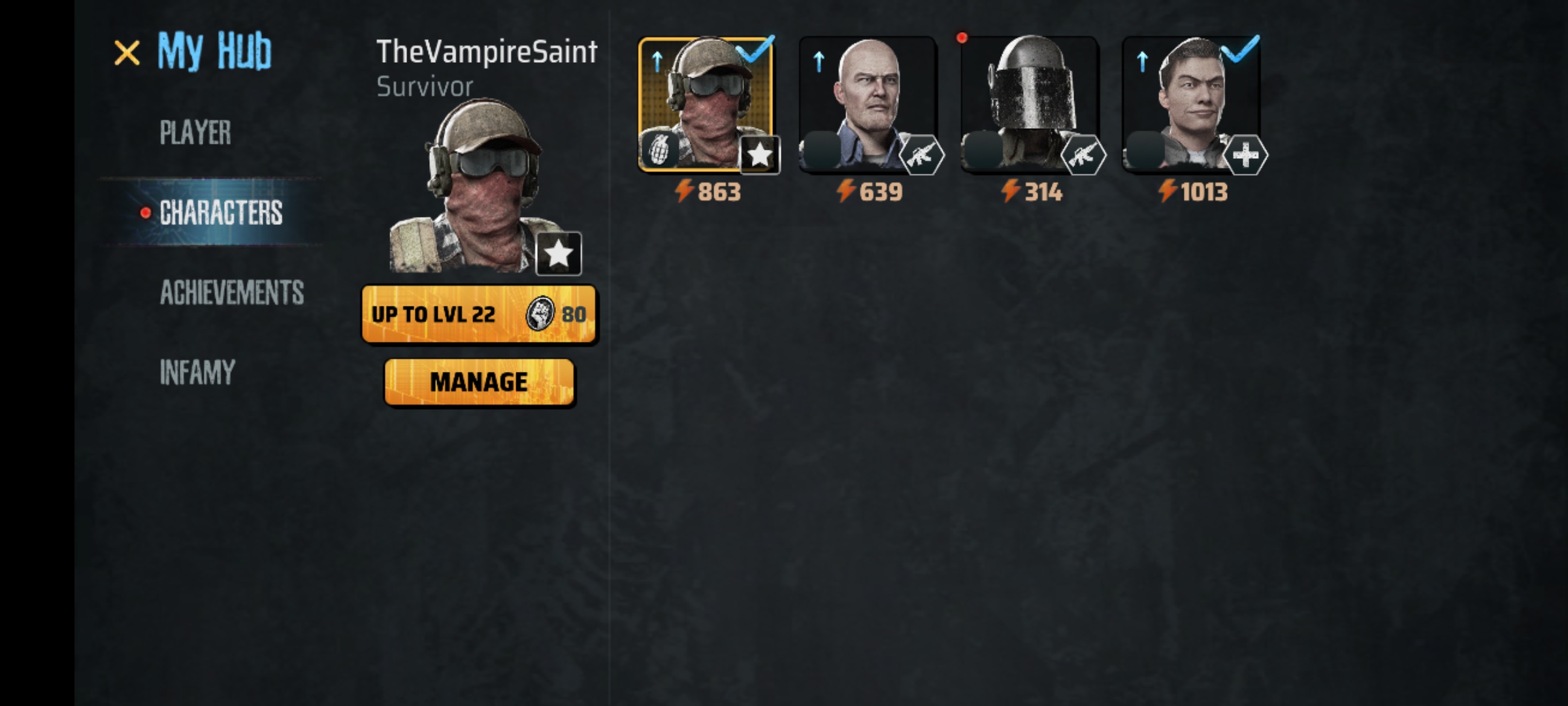
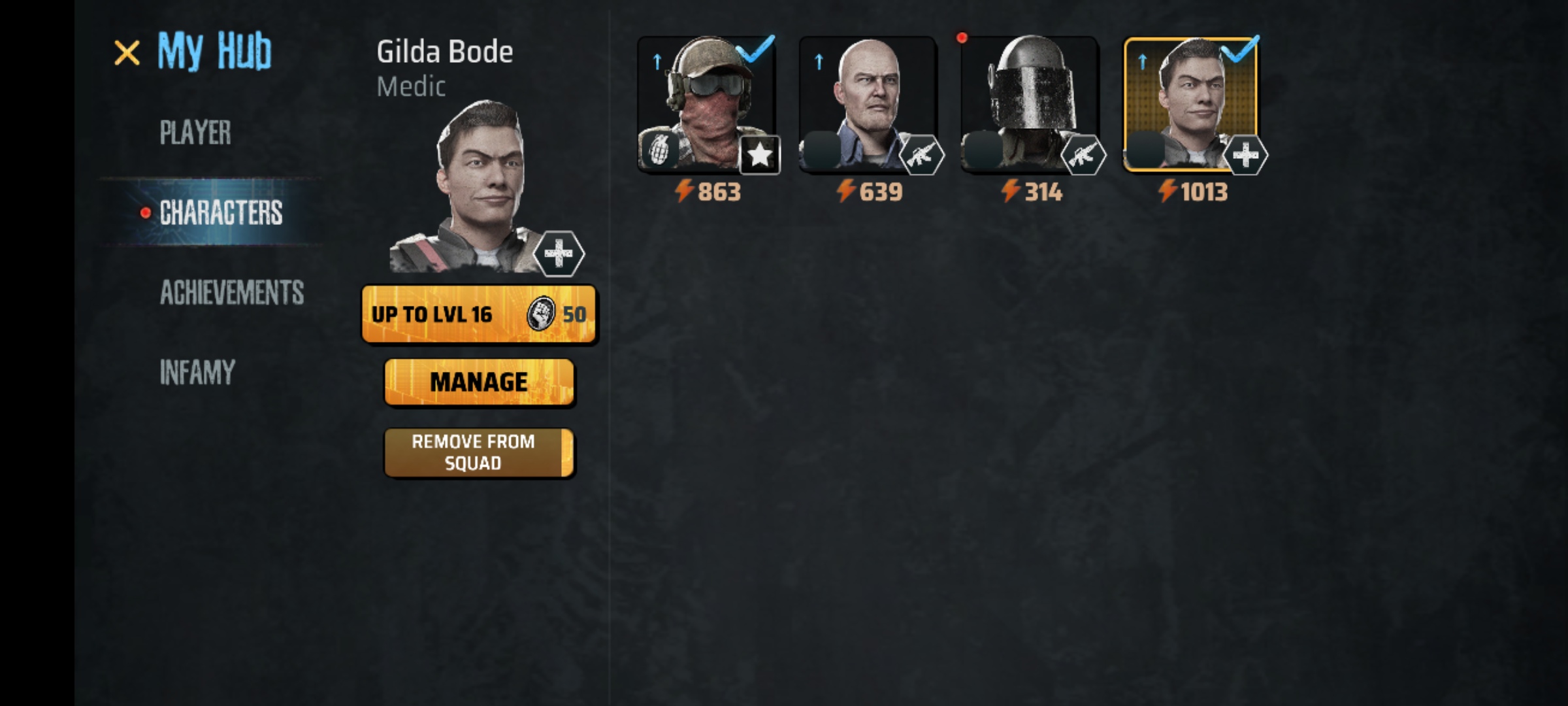
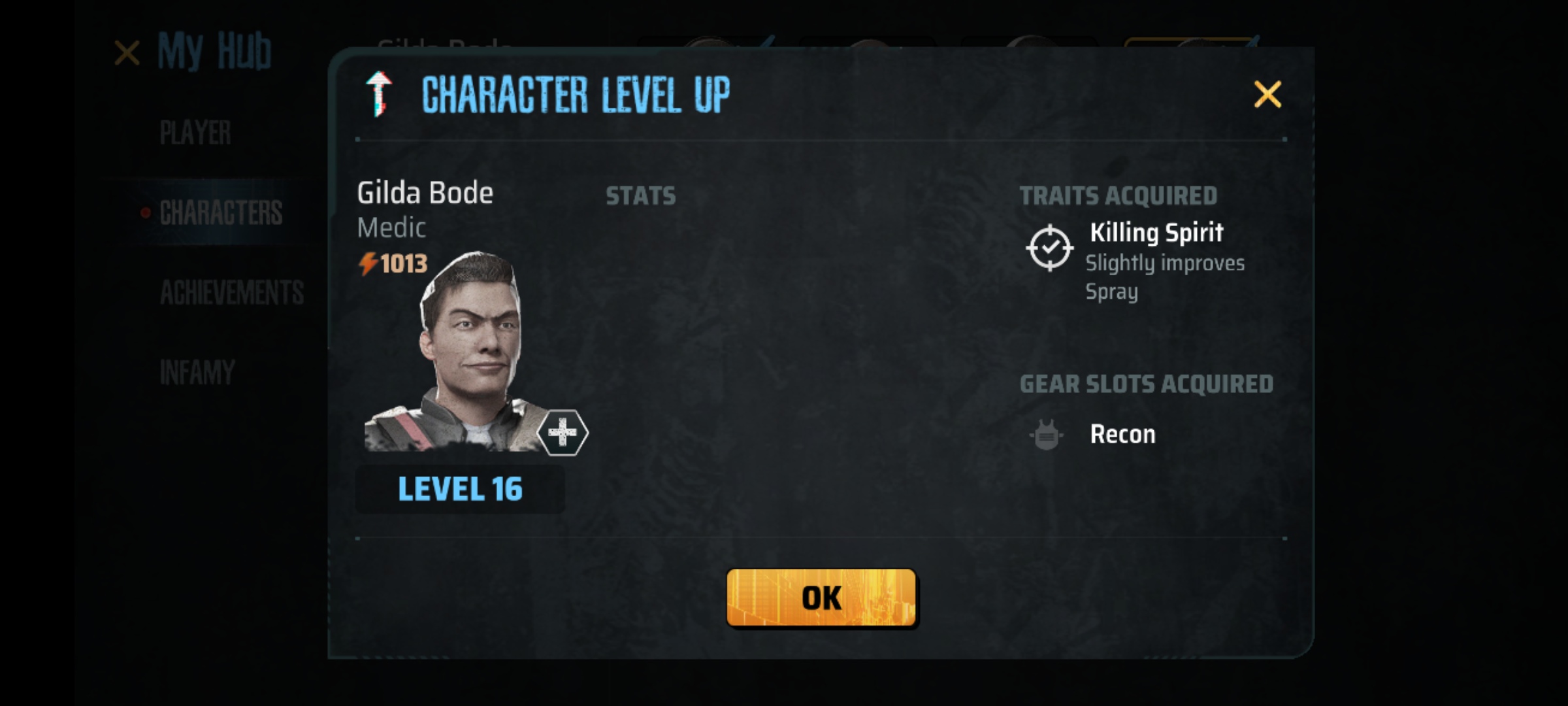
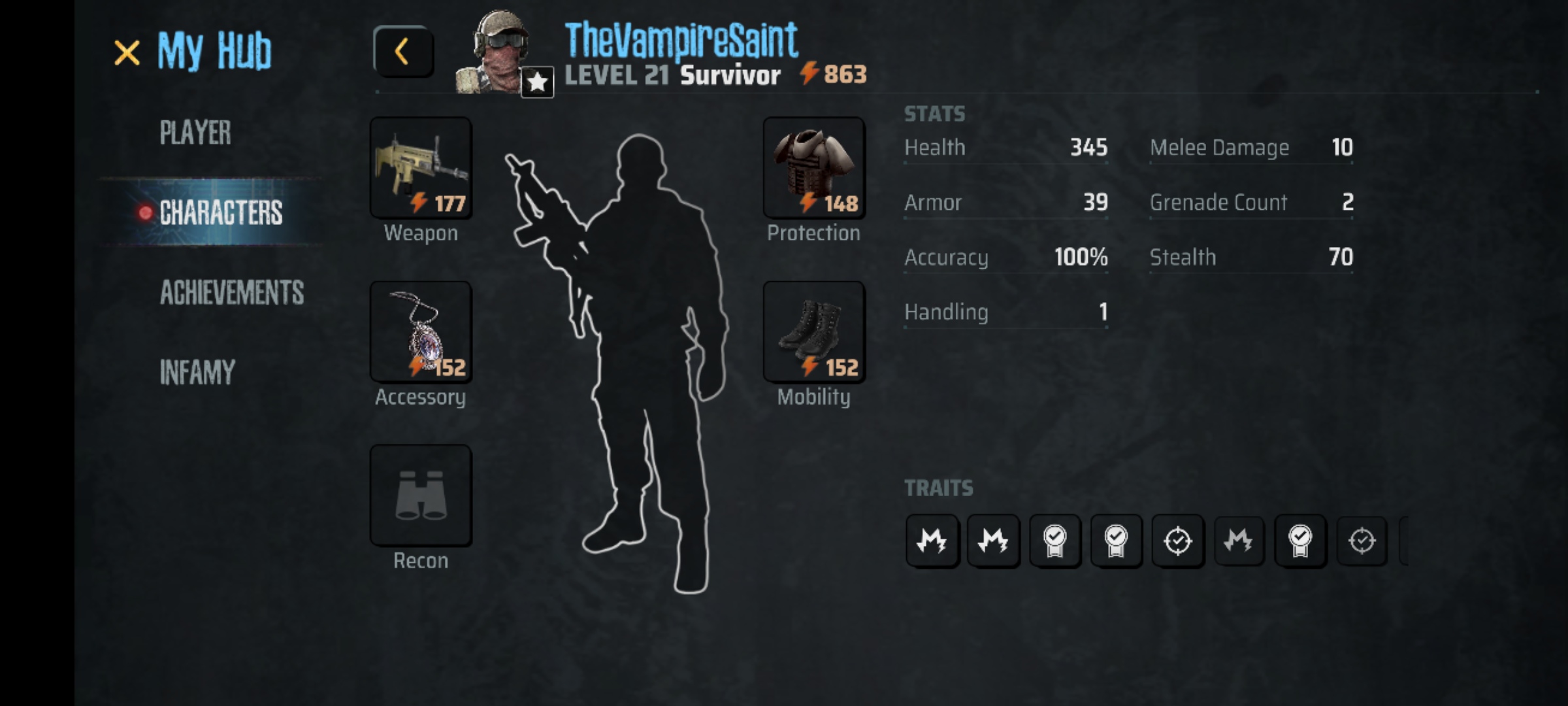
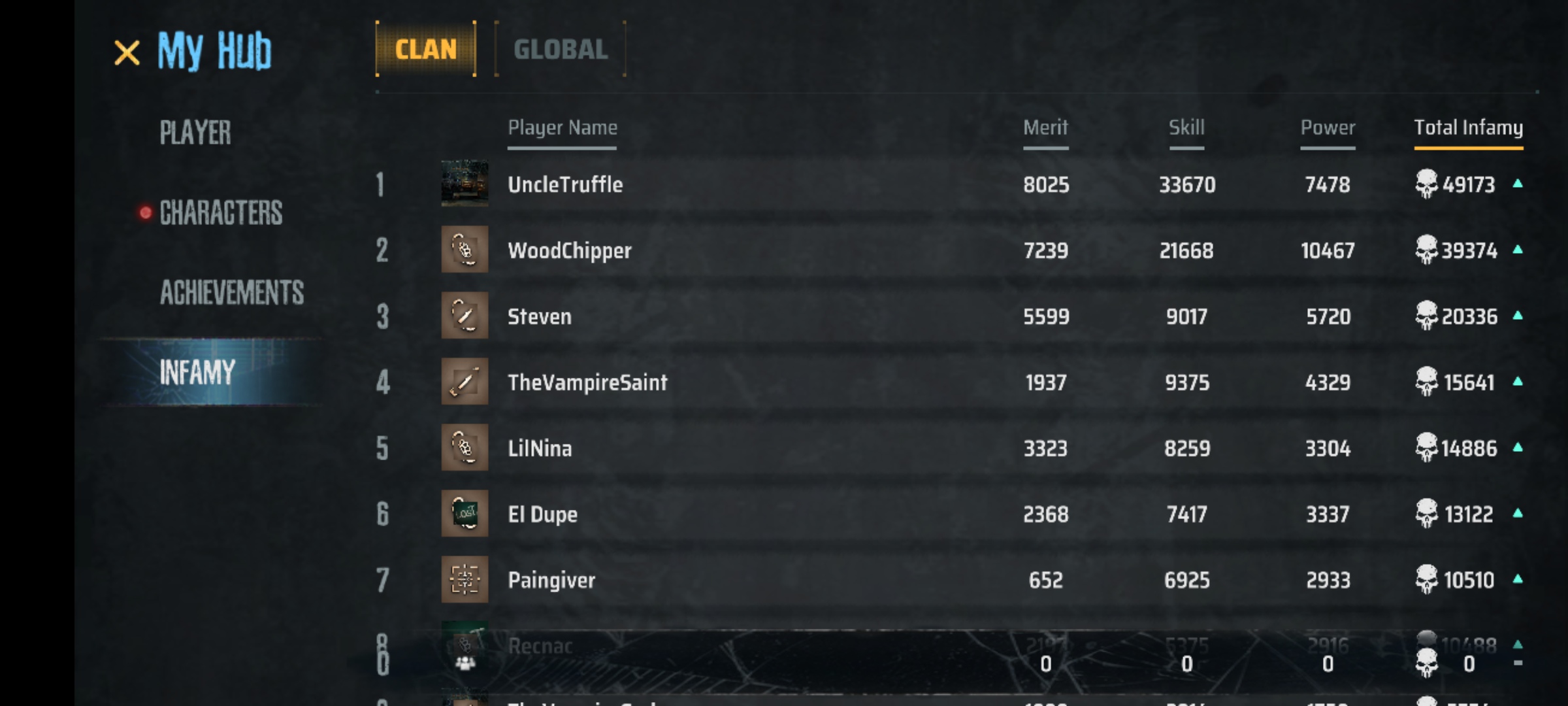
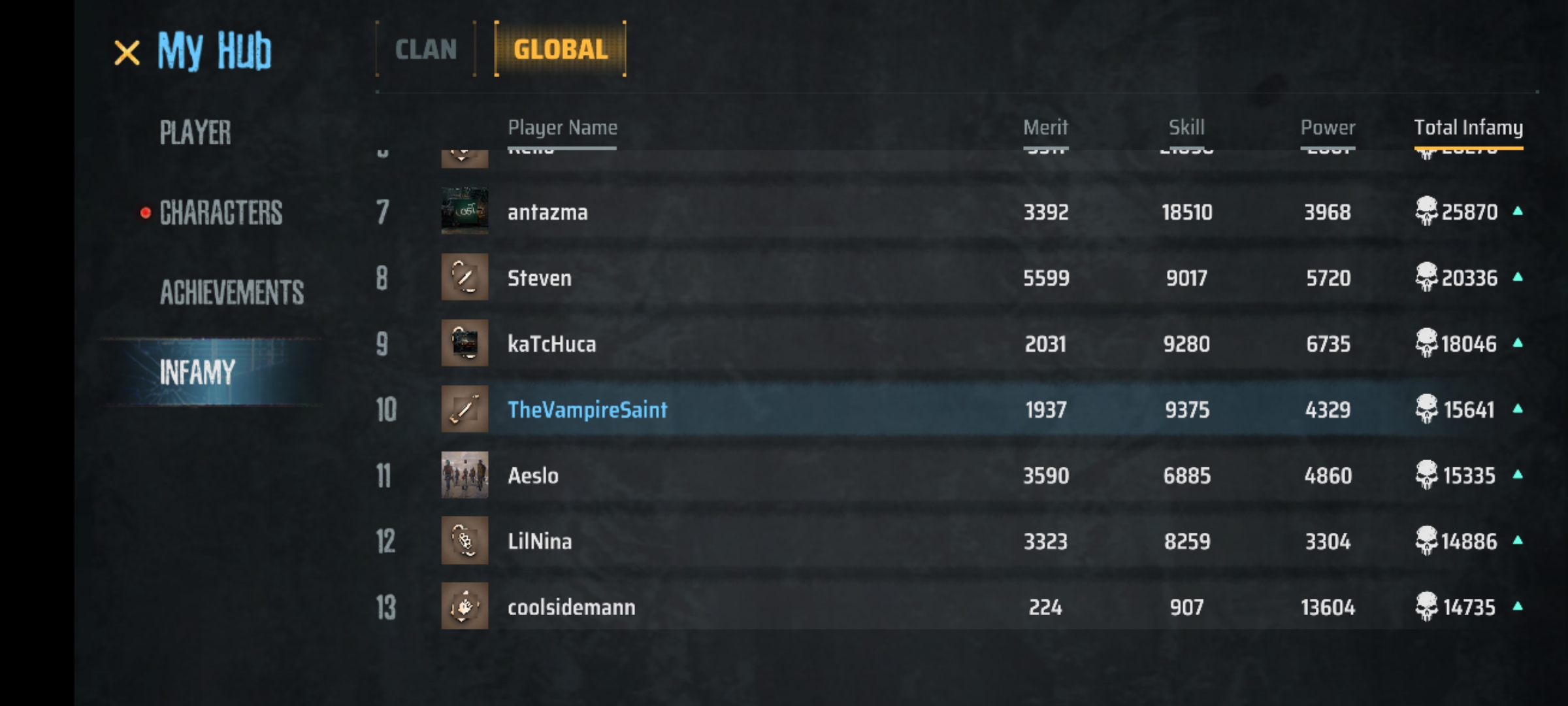
Considering MadWorld is an FTP live service title, we needed to ensure players could play for hundreds of hours and still feel that they had goals to accomplish outside of gaining territory. We didn't want players to 'max out' and have no personal goals left too soon. As such, we build a robust player progression system so, even outside of upgrading their Gear, players could improve themselves over time.
To do this, we had to ensure a few things. We needed player progression to feel meaningful through gradual through level ups, each feature ties into player progression so it feels continuous, we set up our earn rate and time tables to best ensure the average player playing several hours daily would take a year to complete just the level up proccess, we created an 'Infamy' feature which ranks players on various aspects of their performance/progression, and leaderboards encourage players to compete with each other on said Infamy.
balancing the meta - the crate system
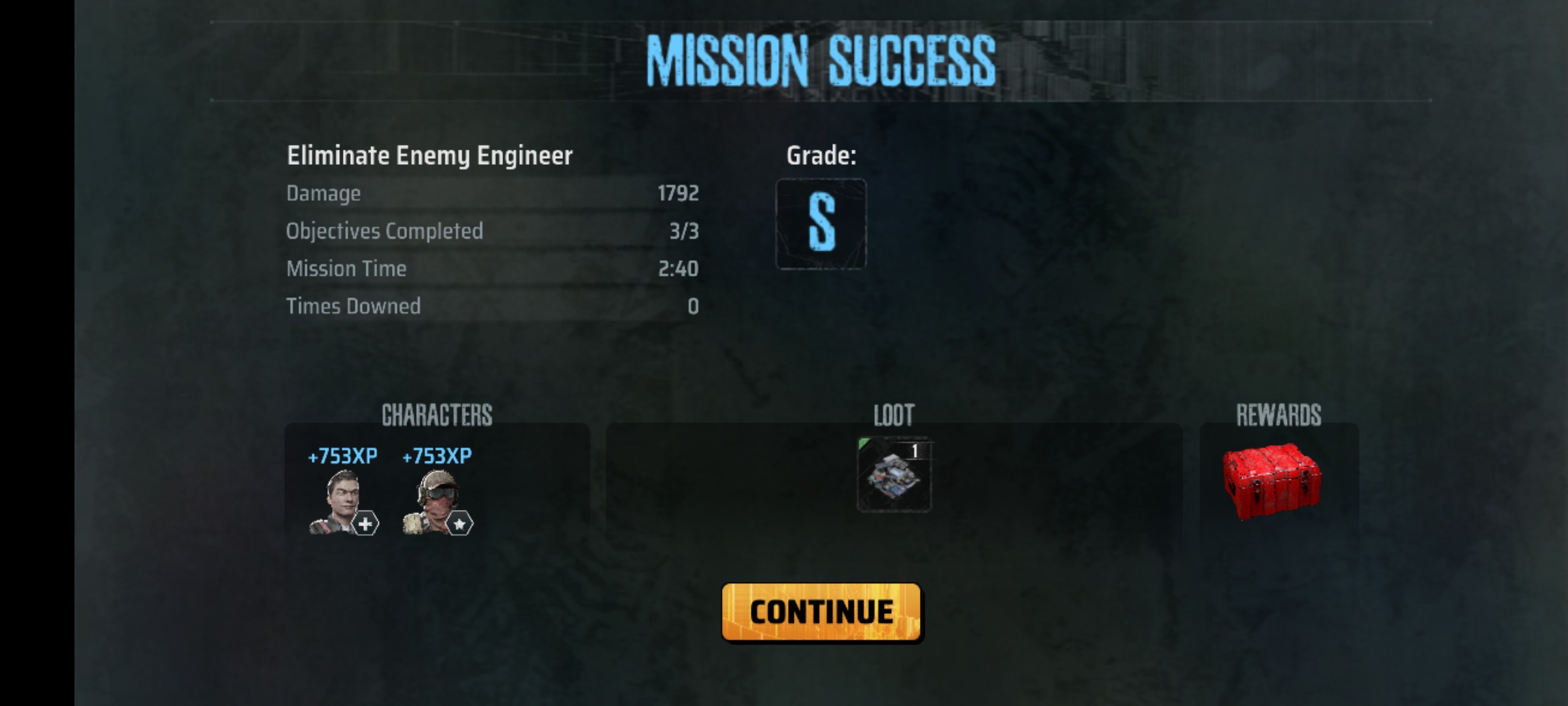
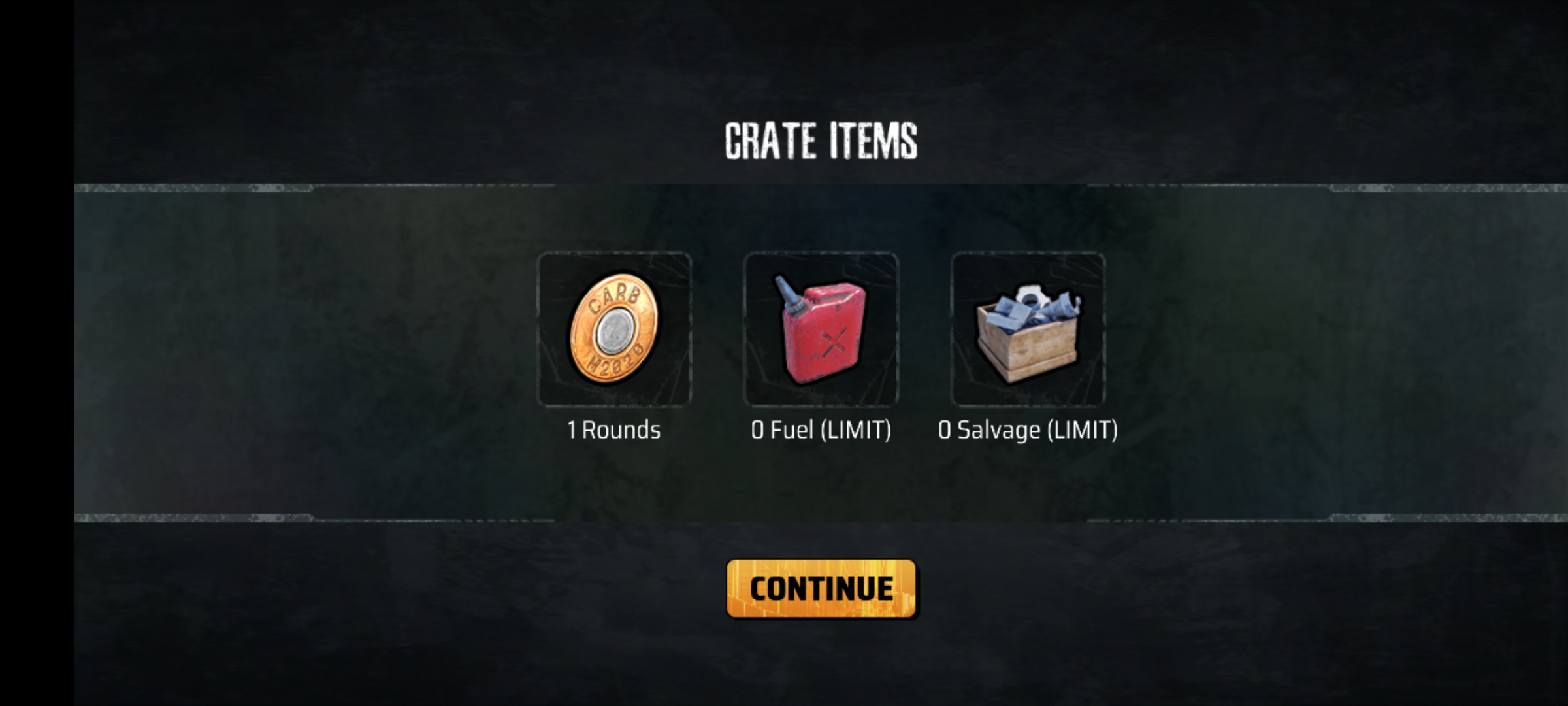
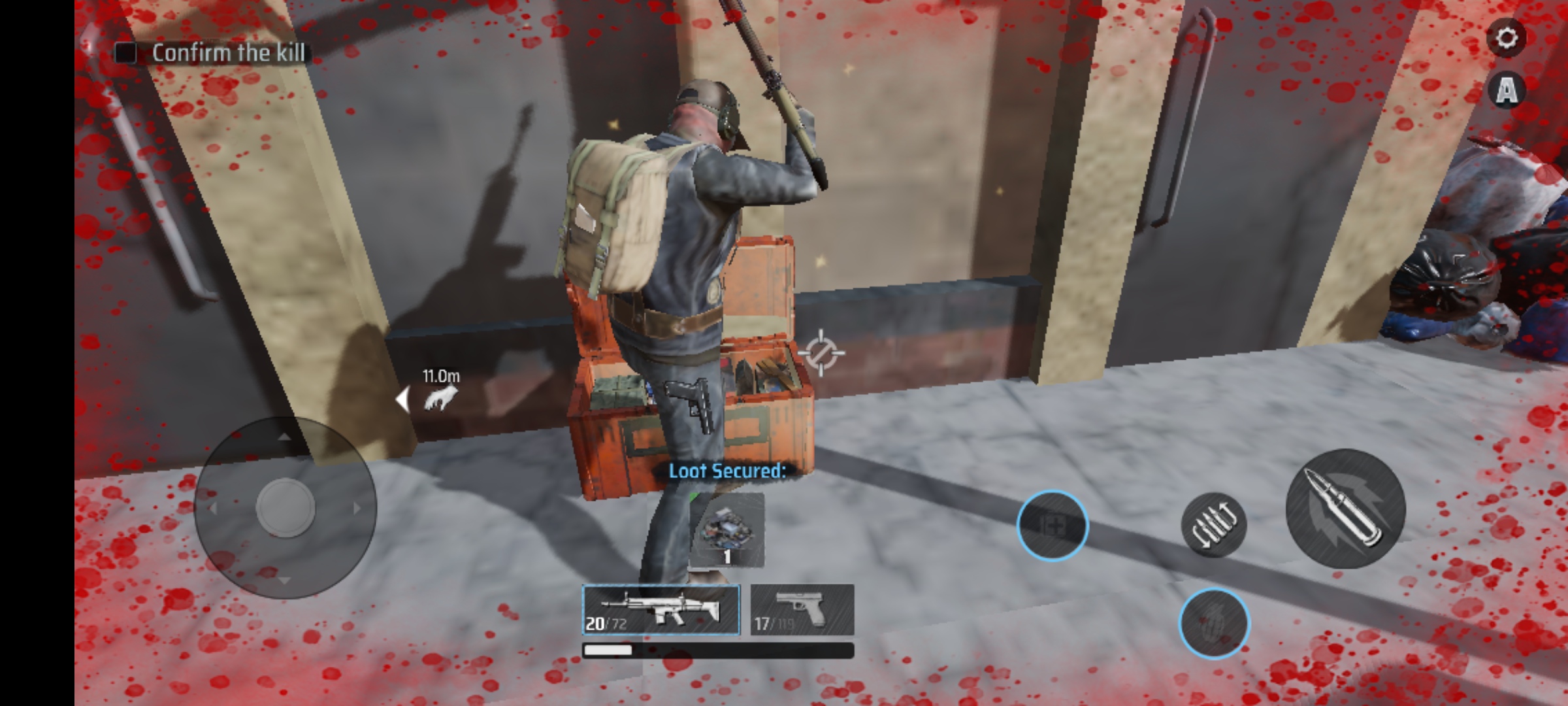
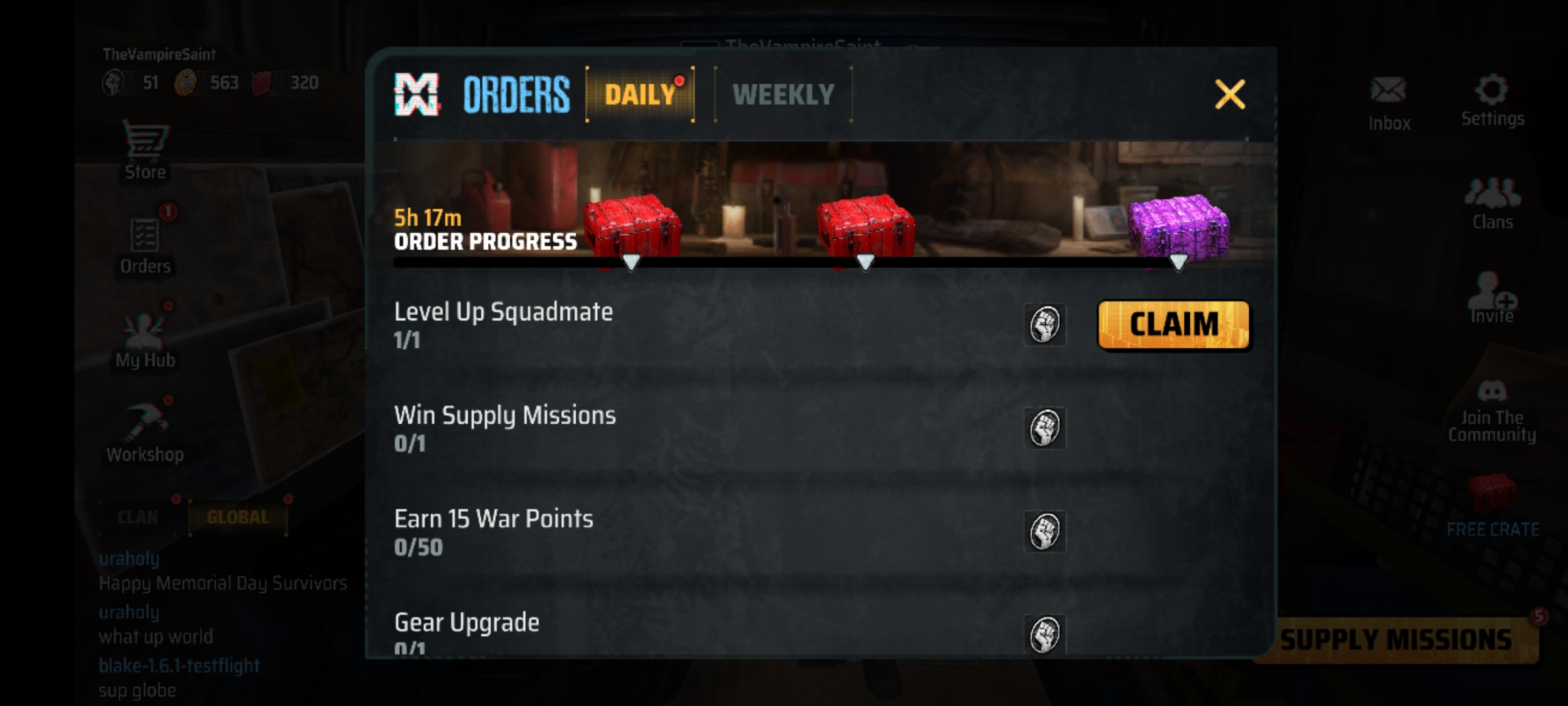
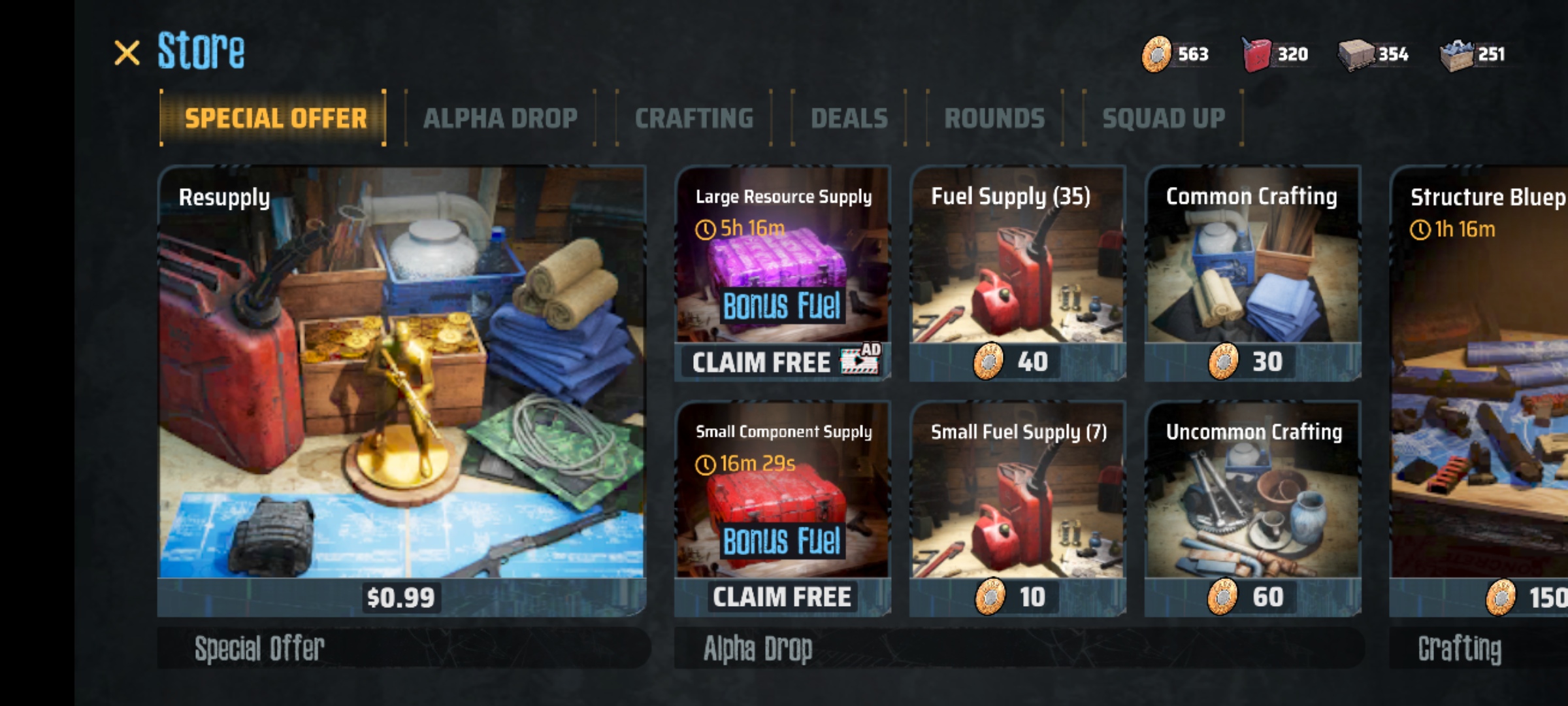
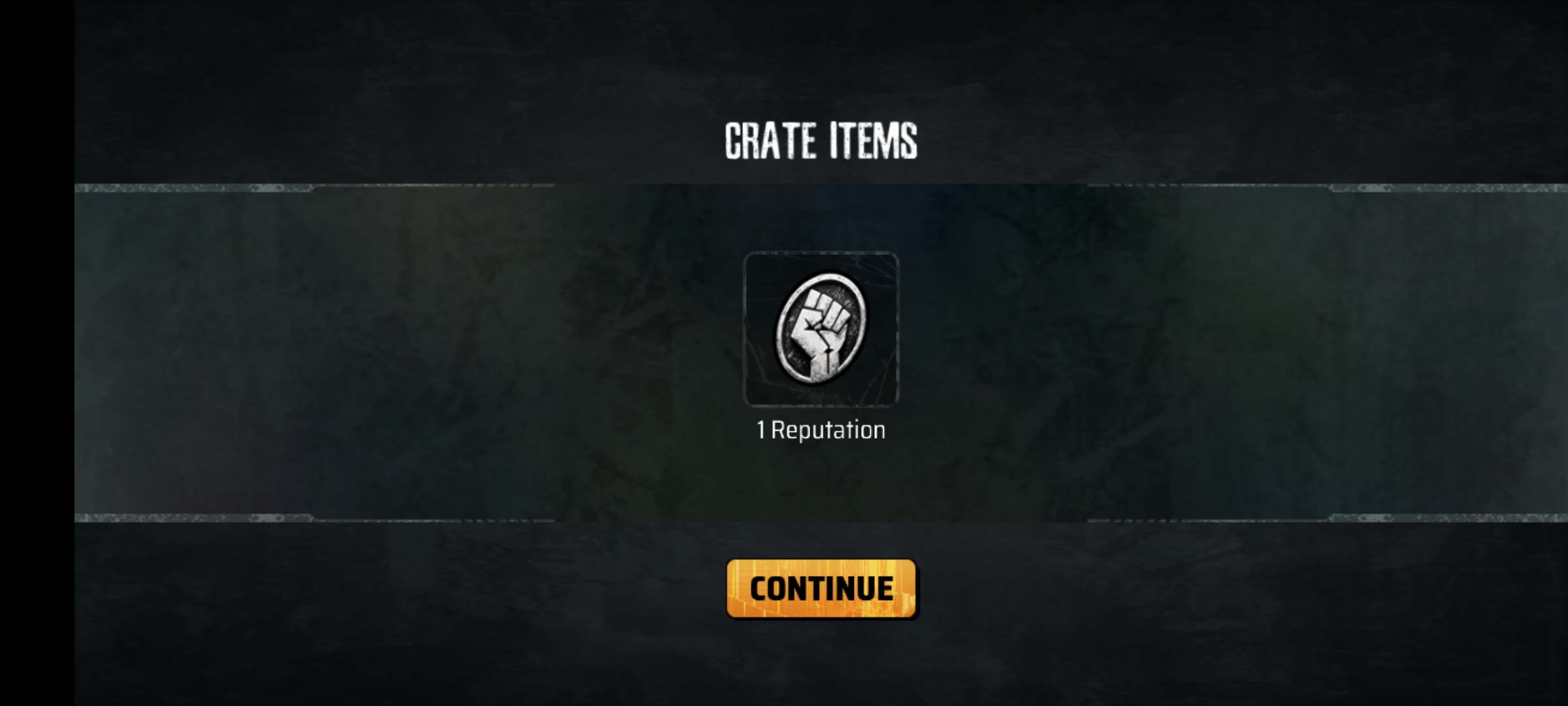
Like many games of this type, players are given crates to deliver their rewards. This applies to dailies/weeklies (orders) purchases, mission rewards, etc. Any time the player gets something, they get it from a crate.
That said, MadWorld takes crates a step further using our Carbyne backend system. Unfortunately, as this tech is proprietary, I'm unable to show how this system works on the backend. The jist of it, though, is that all game features are delivered via crates. This includes player XP, enemy spawns, the weapons enemies spawn with, level up traits and slots, etc.
This system gave designers massive control over every aspect of the game and all tweaks could be made quickly through data and hundreds of crates. This meant that balancing the game never required new builds, but simple changes to the data the client pulls from. We could tune rewards, enemy spawns, the weapons they spawn with, etc. all in just a few seconds and clicks from designers.
balancing the meta - desinging wars
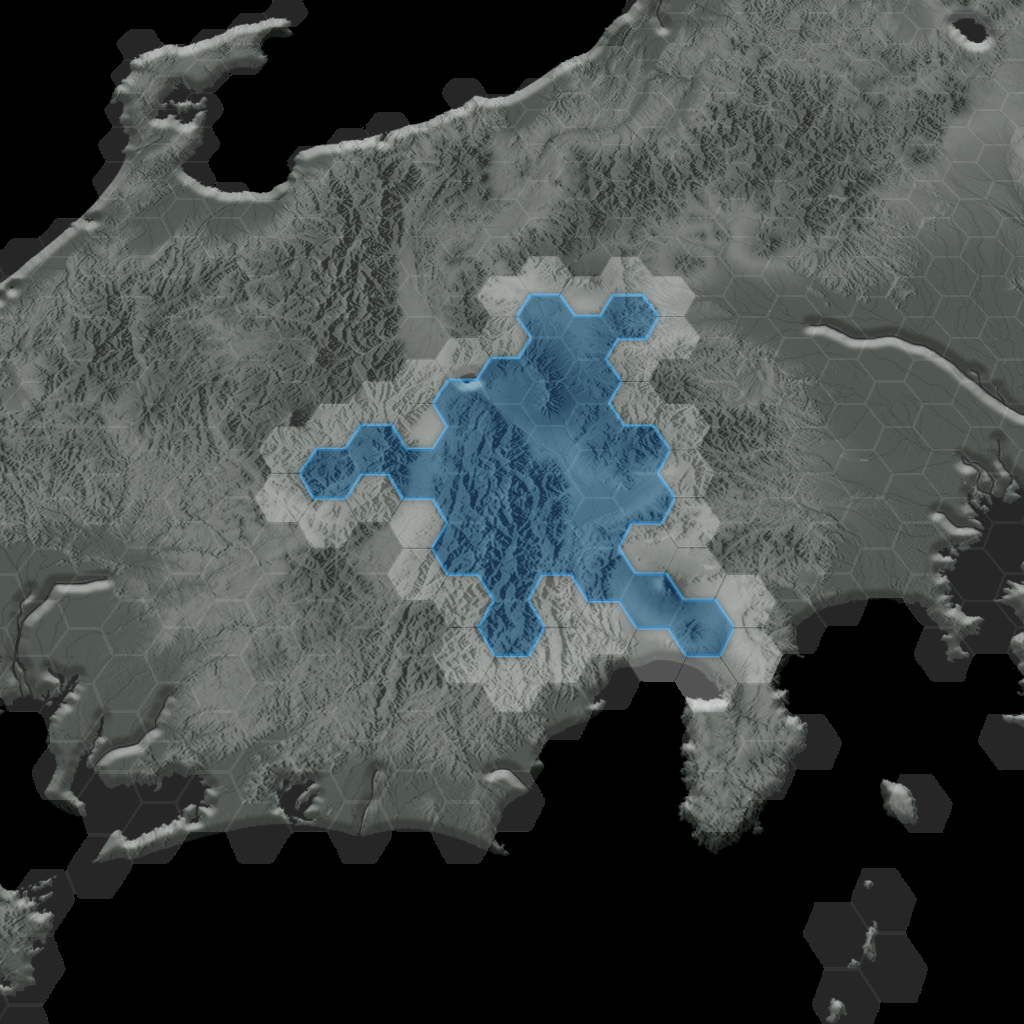
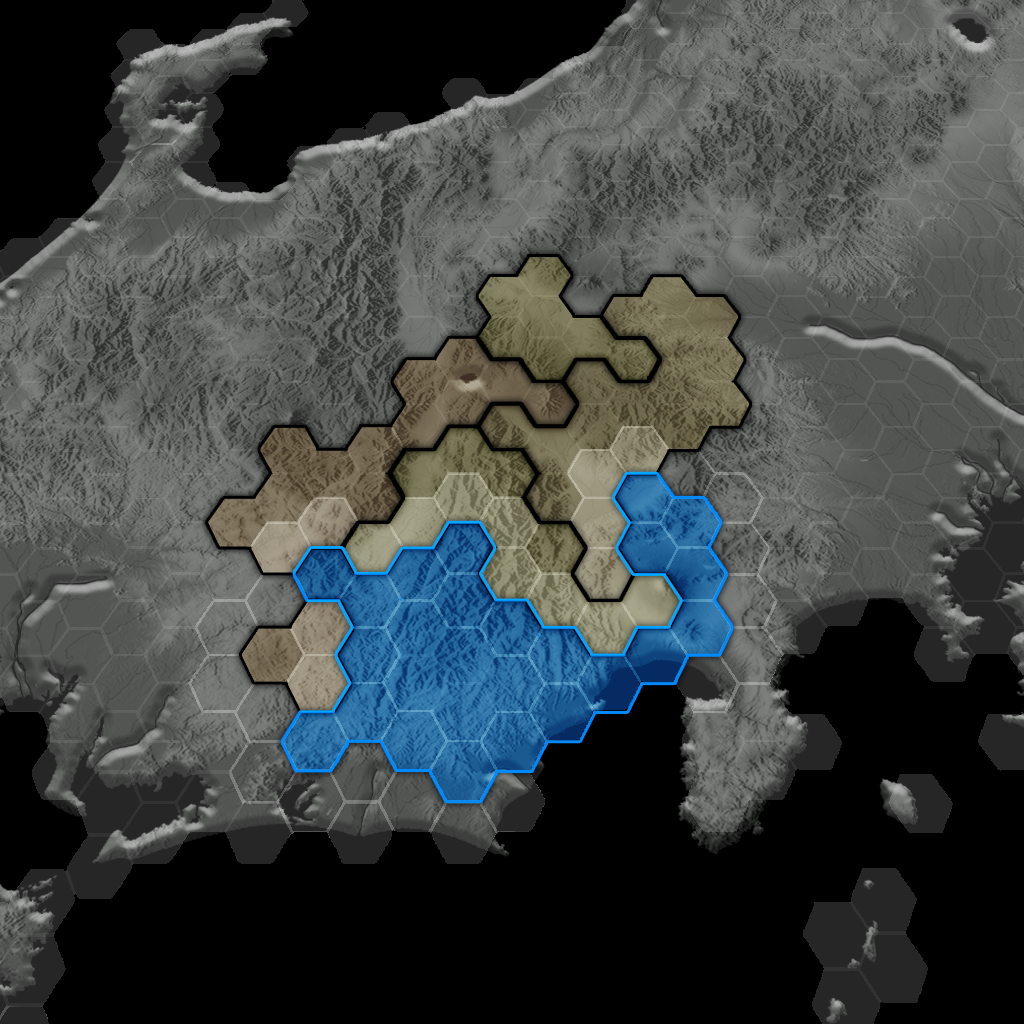
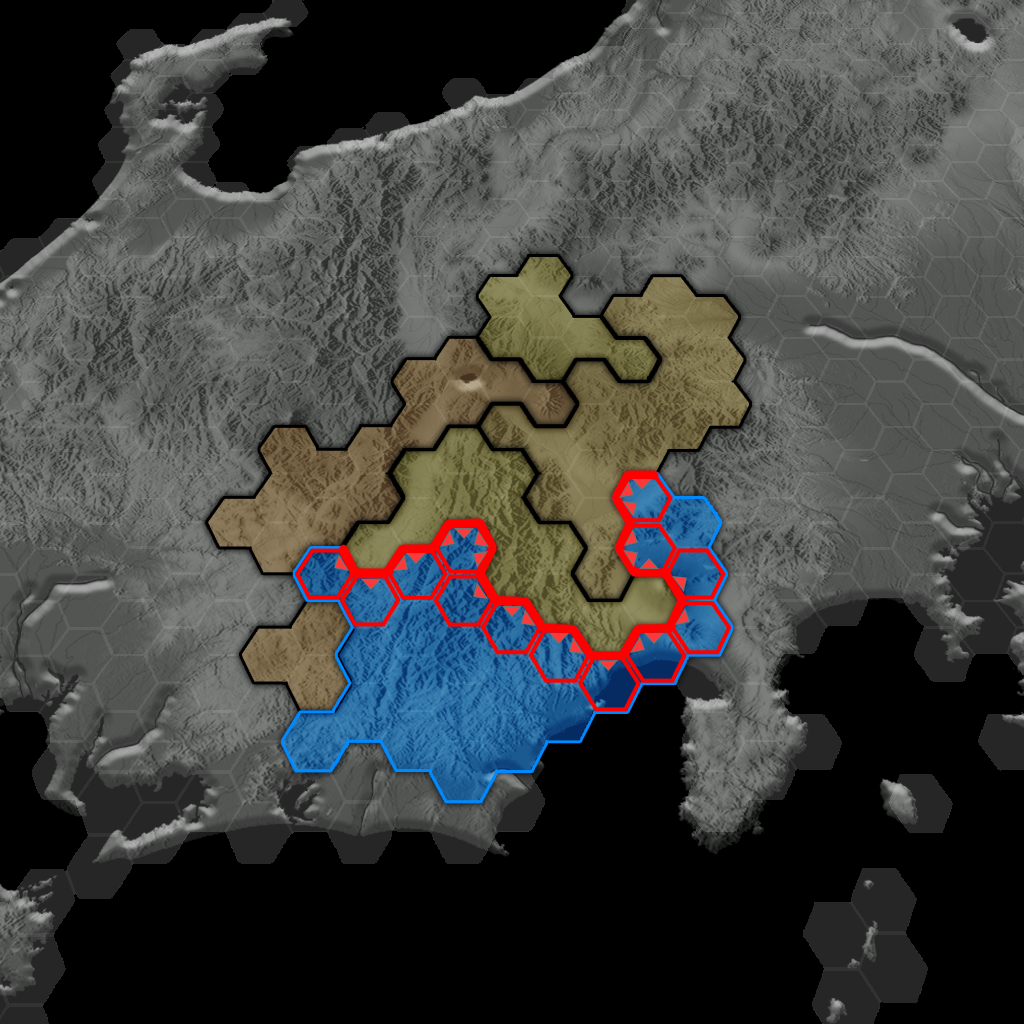
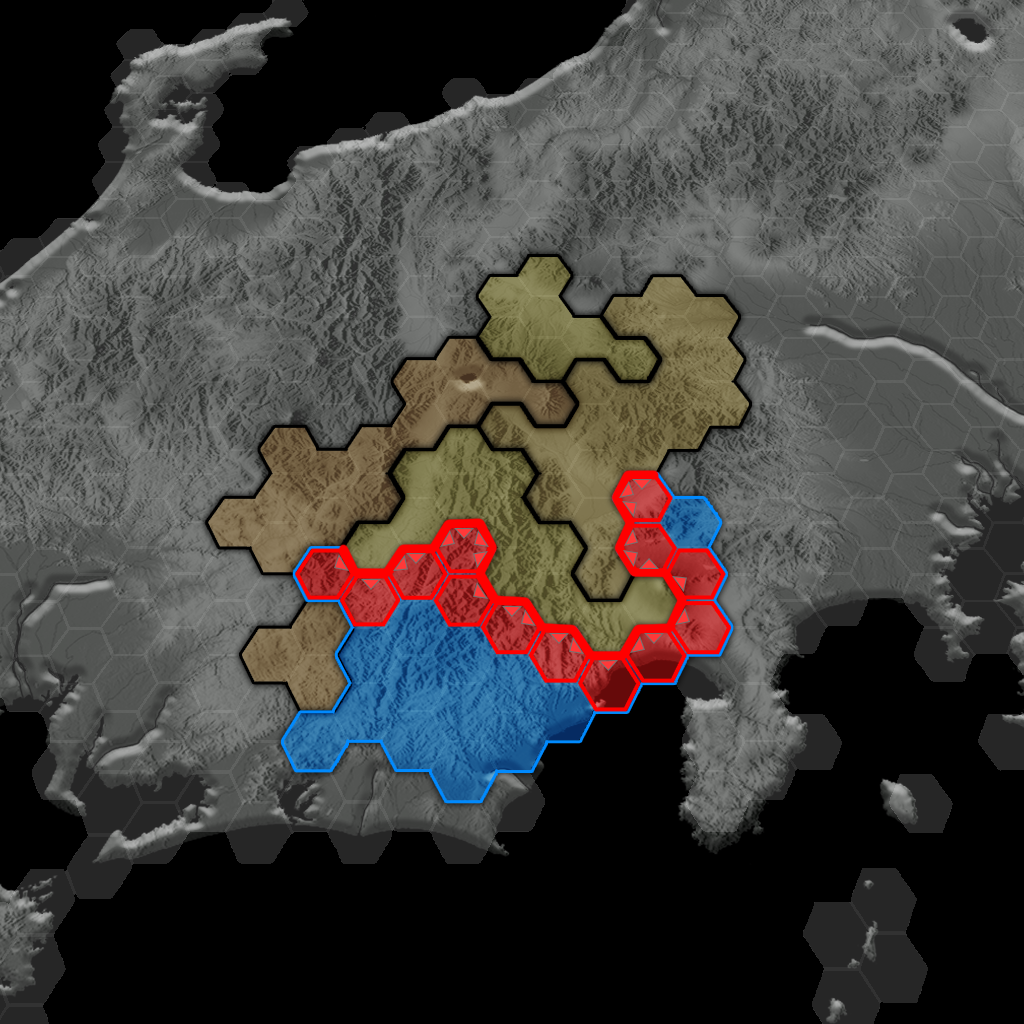
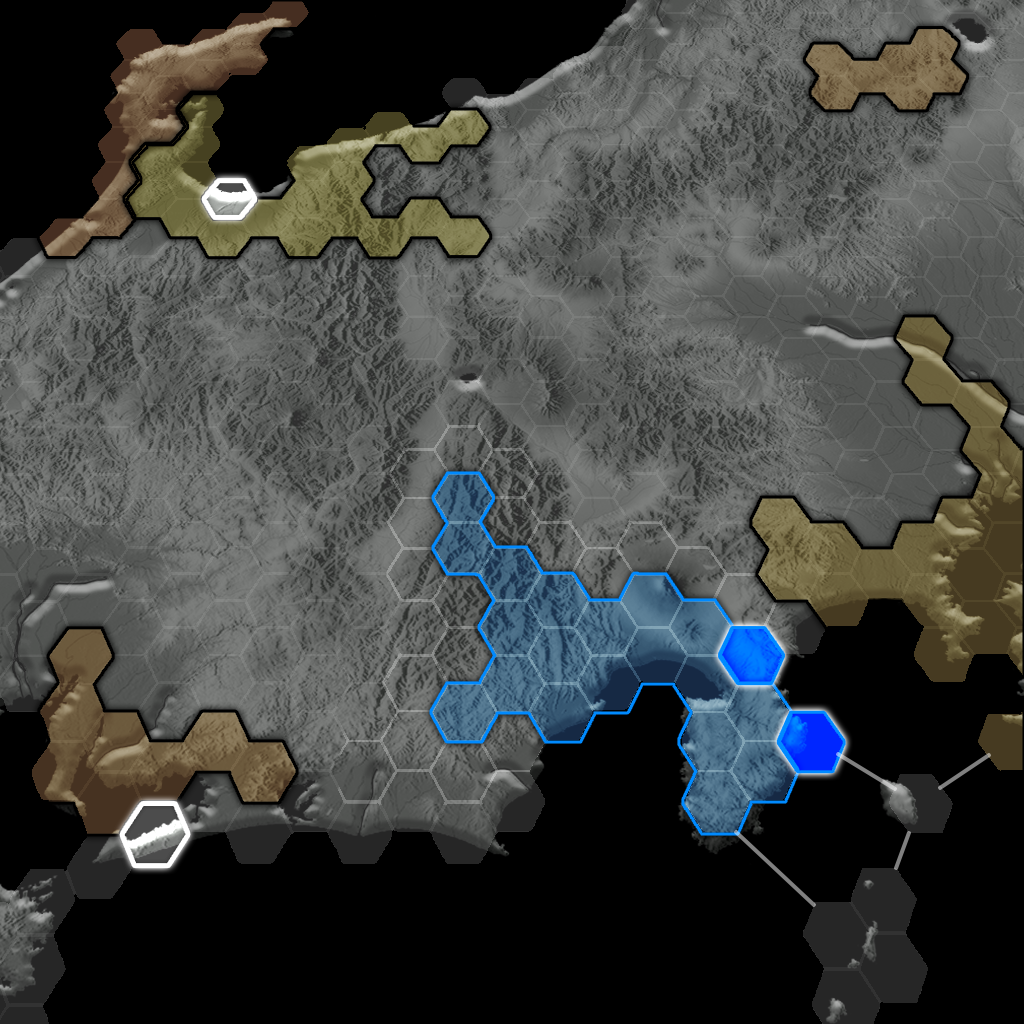
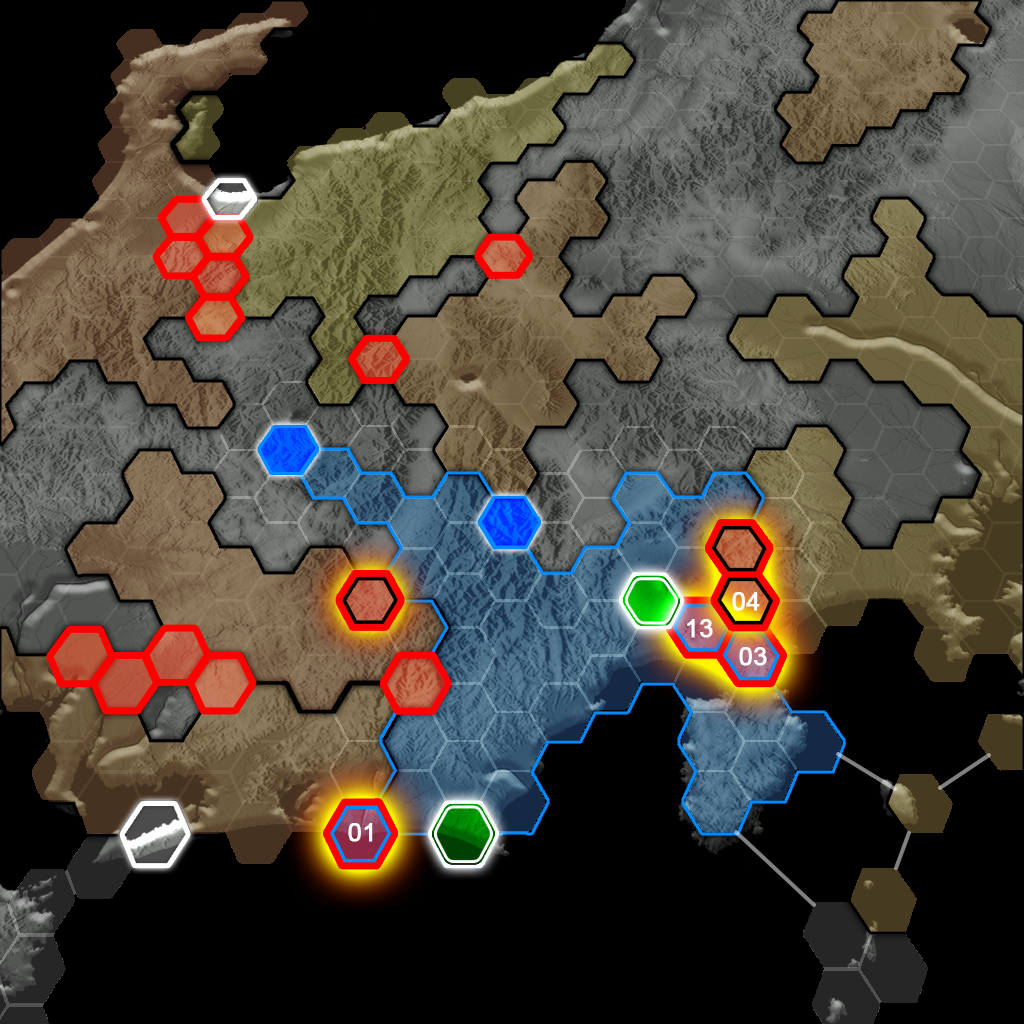
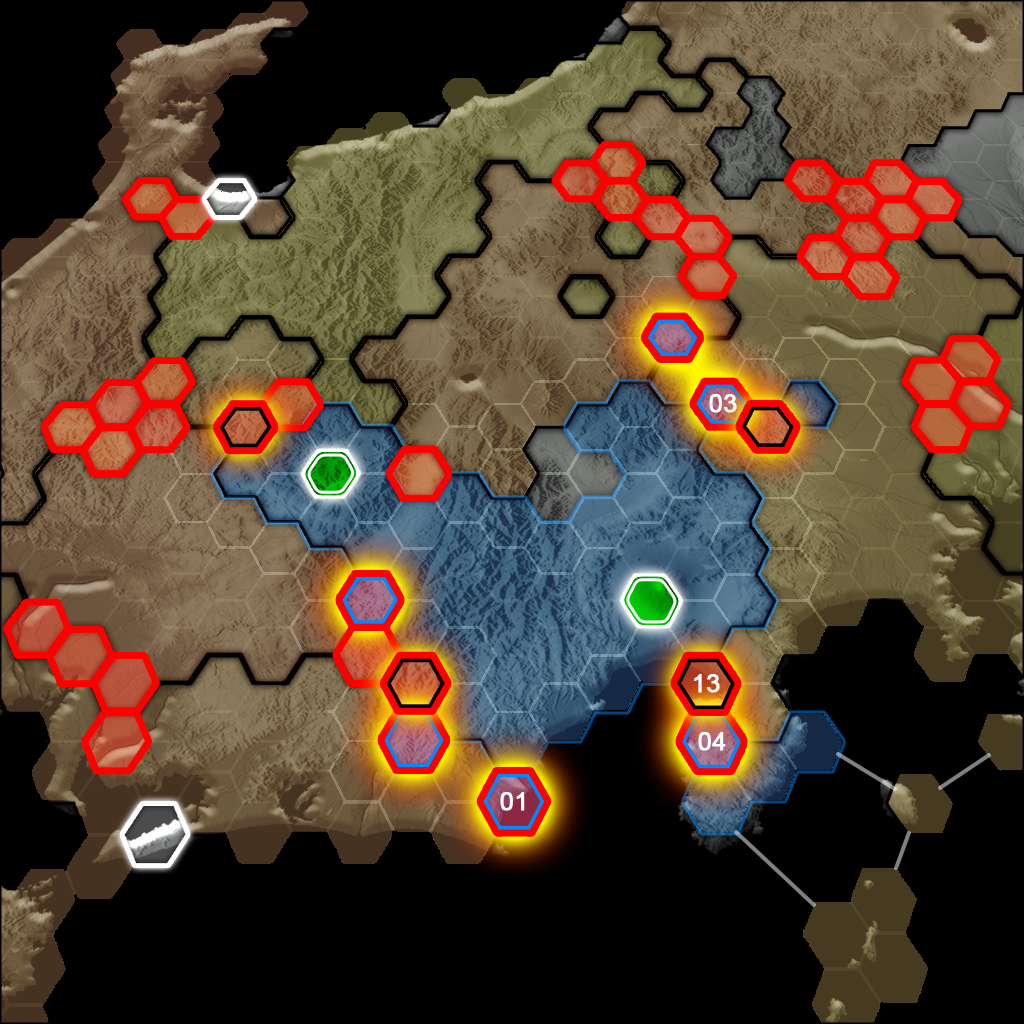
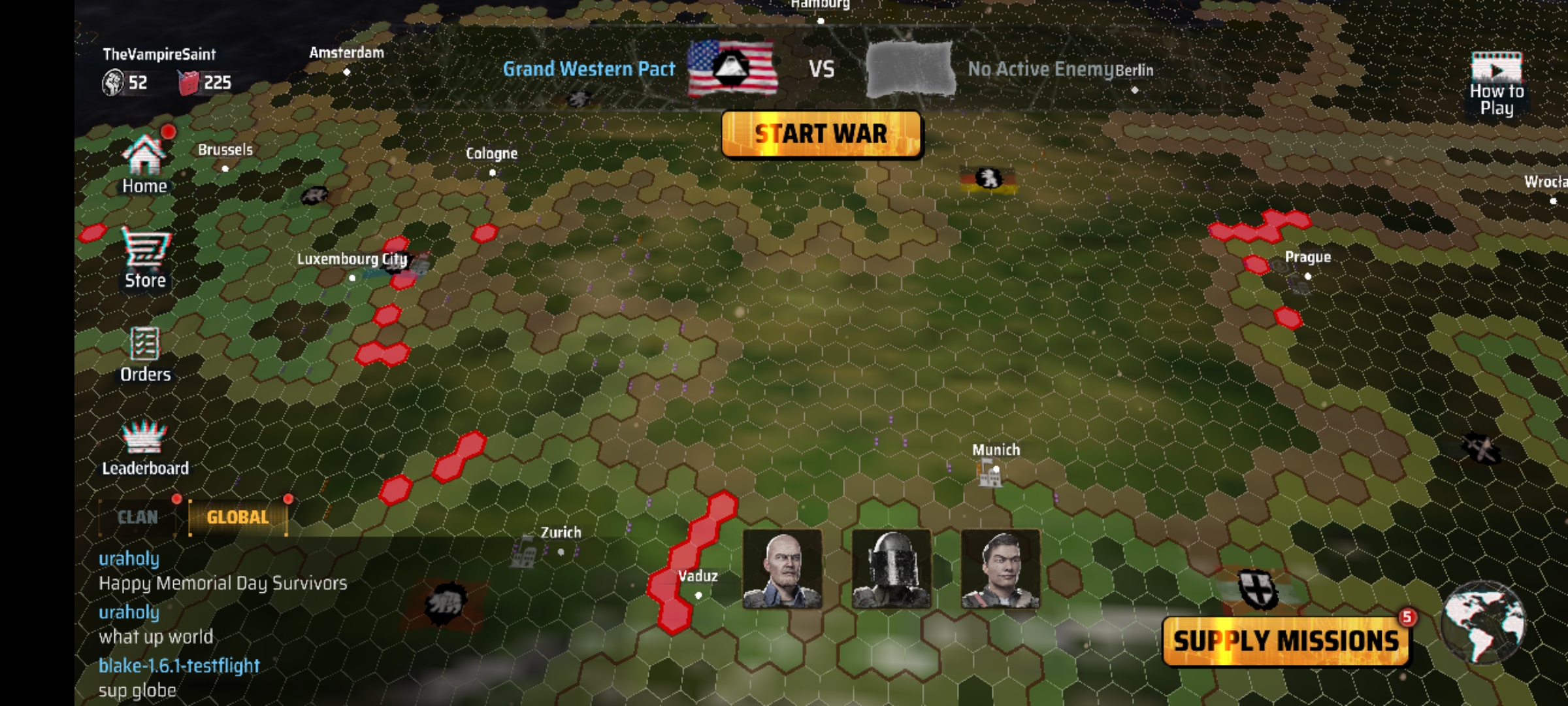
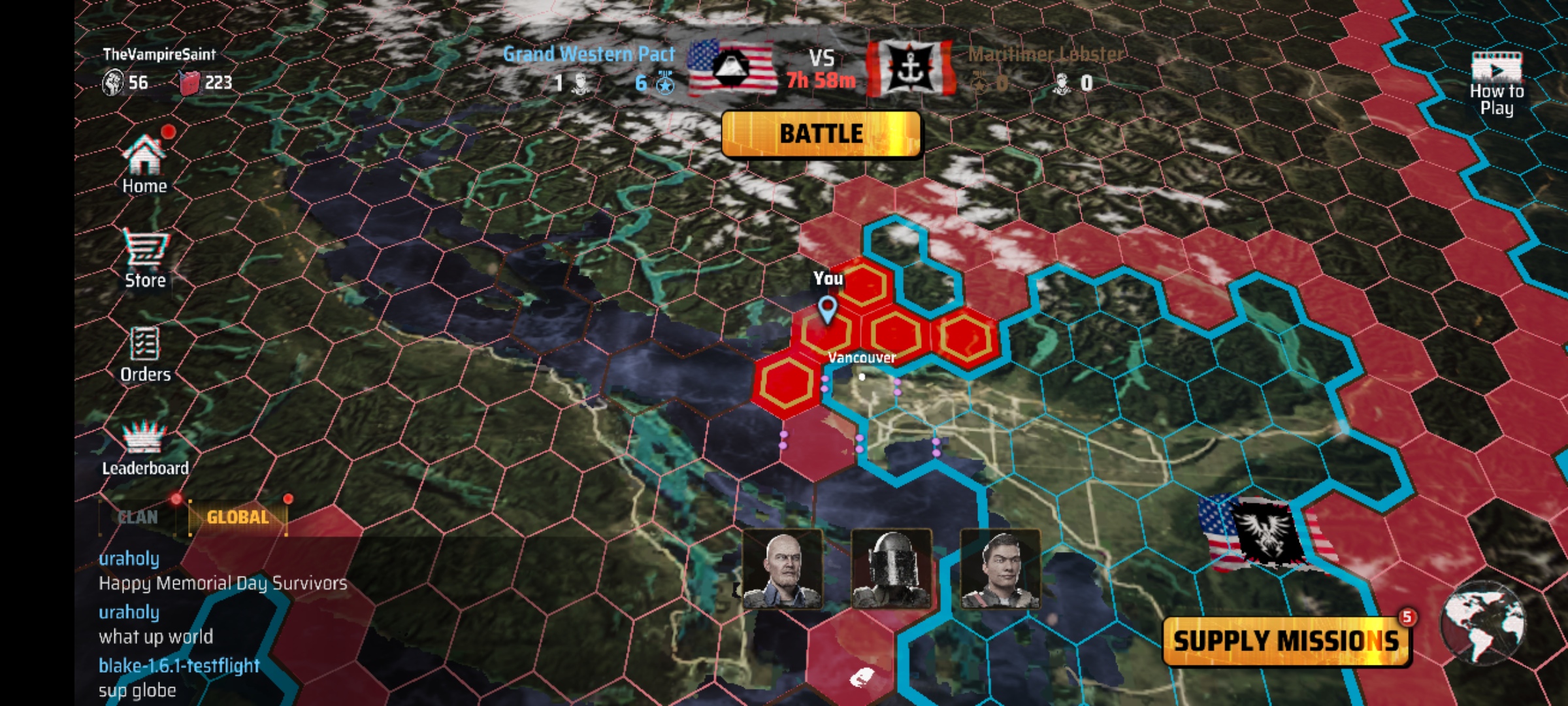
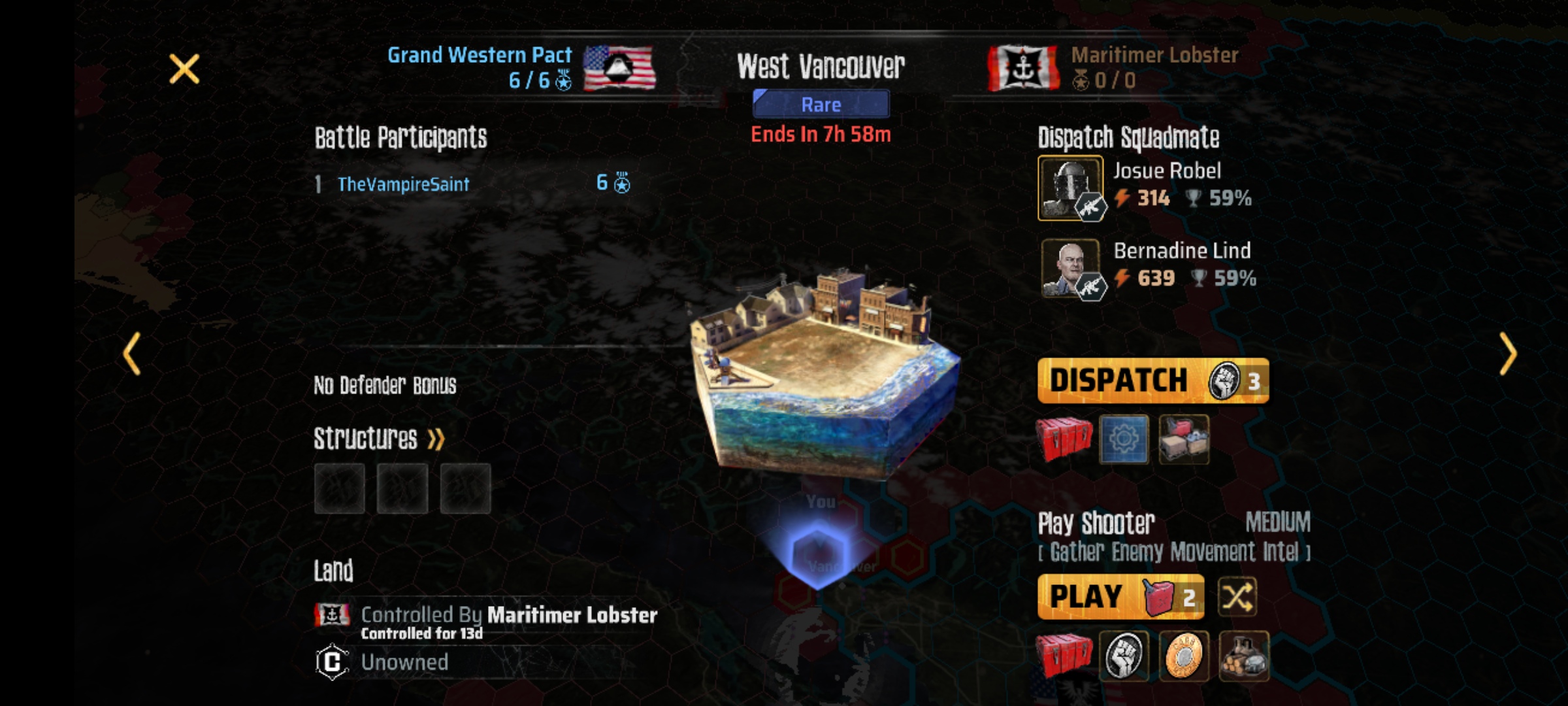
Wars are the central focus, the linchpin, of MadWorld. Everything within the game focusses on wars. Players progress to perform better in war, players purchase to perform better in war, all missions are tied to war, etc. War is all about fighting other Clans to claim their territory for your Clan. As such, creating a war system that was intersting and rewarding was paramount and the entire game is geared toward selling it as a concept and making it fun and interesting for veterans and easy to read without much instruction for newer players.
Unfortunately, the details of how wars work are too much to cover in a portfolio. However, the basics are: the world is divided into hexes each controlled by a Clan. Players select a hex they want and begin a war on it, starting a front for a limited time. Then, both Clans run missions on the warfront to earn War Points before the timer ends. When the timer ends, so does the war. The Clan with the most War Points wins. When they win, their Clan claims whichever hexes the winning team had the most War Points on.
This system encouraged players to look for hexes with the most value (which determins how many Structures they can build on it among other benefits) and fight hard for it. Since the world map is a real representation of the world, we found players would often fight harder, and play longer, to claim hexes containing cities, monuments, and geography they had a personal, real-world, attachment to, making wars emotionally compelling outside of pure competition.
One of the biggest challenges of war was ensuring balance as we didn't want larger Clans to crush smaller ones, creating a snowball of success until a single Clan controlled the world. To solve this, we implemented a Fuel feature, which required players to spend Fuel to run missions. Fuel cost increased as more missions were run and scaled faster for larger Clans. This ensures larger Clans 'gas out' before smaller ones, giving and edge to up and coming Clans over established ones.
balancing the meta - building a FTP economy
Building a FTP economy, for a mobile market, no less, was a new and interesting design challenge for me. Unfortunately, I'm unable to show much of the work that went into this as the game is live and we want the details of this kept private from players.
To build the economy, a large excel workbook was made to house numerous calculations and references. This workbook contained all the data on weapons, level ups, xp, war costs, resourses etc. All values were balanced around a time to earn, which was our ultimate north star for the economy. We decided how much dollar value we wanted players to earn per hour of play and balanced drop rates and item cost around that value. This gave us a consistent base value to plug into everything to determine the value, making tuning numbers to align with that goal much easier.
Gear Power turned out to be extremely useful for economy building, as it gave a single value for how 'good' any one item was, allowing us to price accordingly and set equvalent TTE and resource requirements. In the end, we had a solid economy with a consistent internal logic to work from. This system gives players a good sense of value that feels sensible and consistent, increasing their trust in our store and odds of purchasing from it.
conclusion
MadWorld is the third title I've shipped. With that in mind, I'm extremely proud of the work the team and I did. I came in to a partially developed game with totally different direction and, in under a year, restructured the game into something extremely fun to play and easily marketable to players. With my background more in the level design space, being a full fledge game designer recuired a significant skill set shakeup to create shooter mechanics, meta game features, and economy. I learned an absurd amount on the project and shipped a very cool title.
With such a small team, we were rather limited on roles and positions and, ultimately, only two designers, including myself, brought it all together; of course, we also had a fantastic team of engineers, artists, and producers to bring the vision to life. It was a big step up in my responsibilities and, while I was not perfect, and still have plenty of room to grow, I felt I filled the shoes well; I pushed myself to my limits across the board and it all worked out.
MadWorld: Warfront is currently free to play on both iOS and Android and I definitely recommend you check it out!