
radiant dark
technology used

Unreal Engine

Autodesk Maya

Substance Painter

Blender

Adobe Photoshop
final trailer
Radiant Dark is a project with two distinct versions. The first, as seen above, is a vertical slice focussed on high-quality visuals and introducing a more-familiar tool to navigate the world. The second is a beta build with a focus on a complete game experience as seen below.
final screenshots
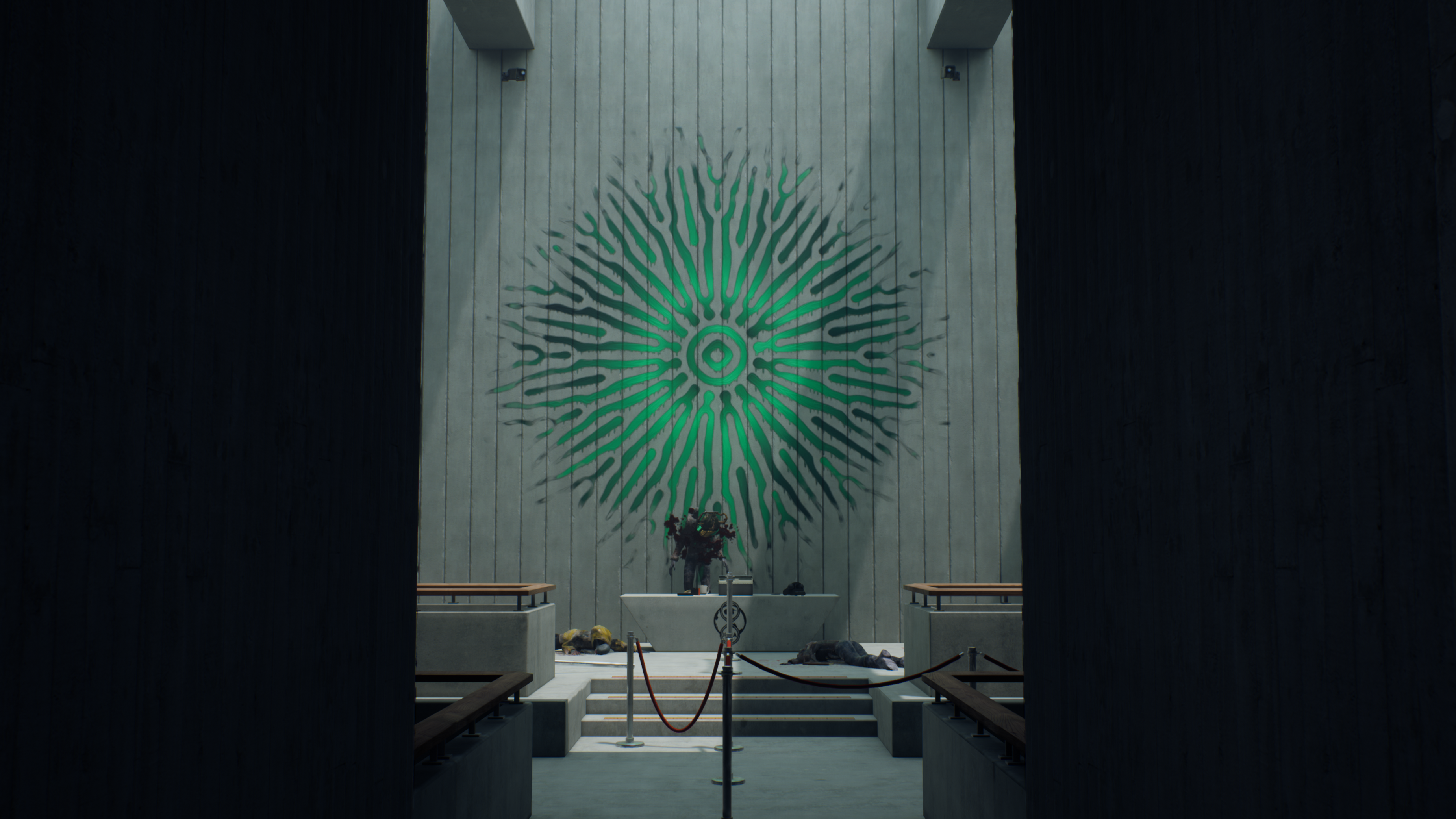
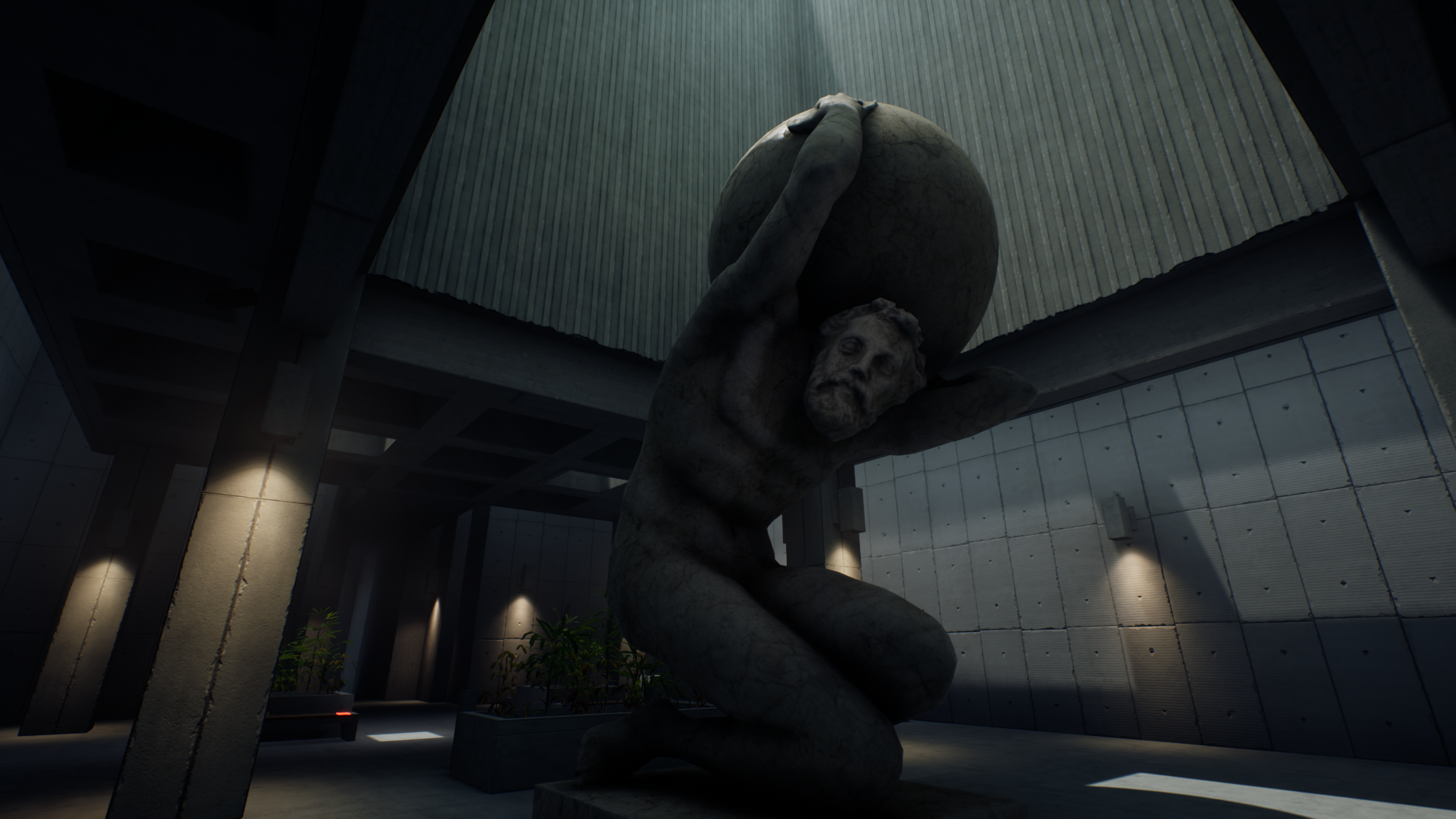
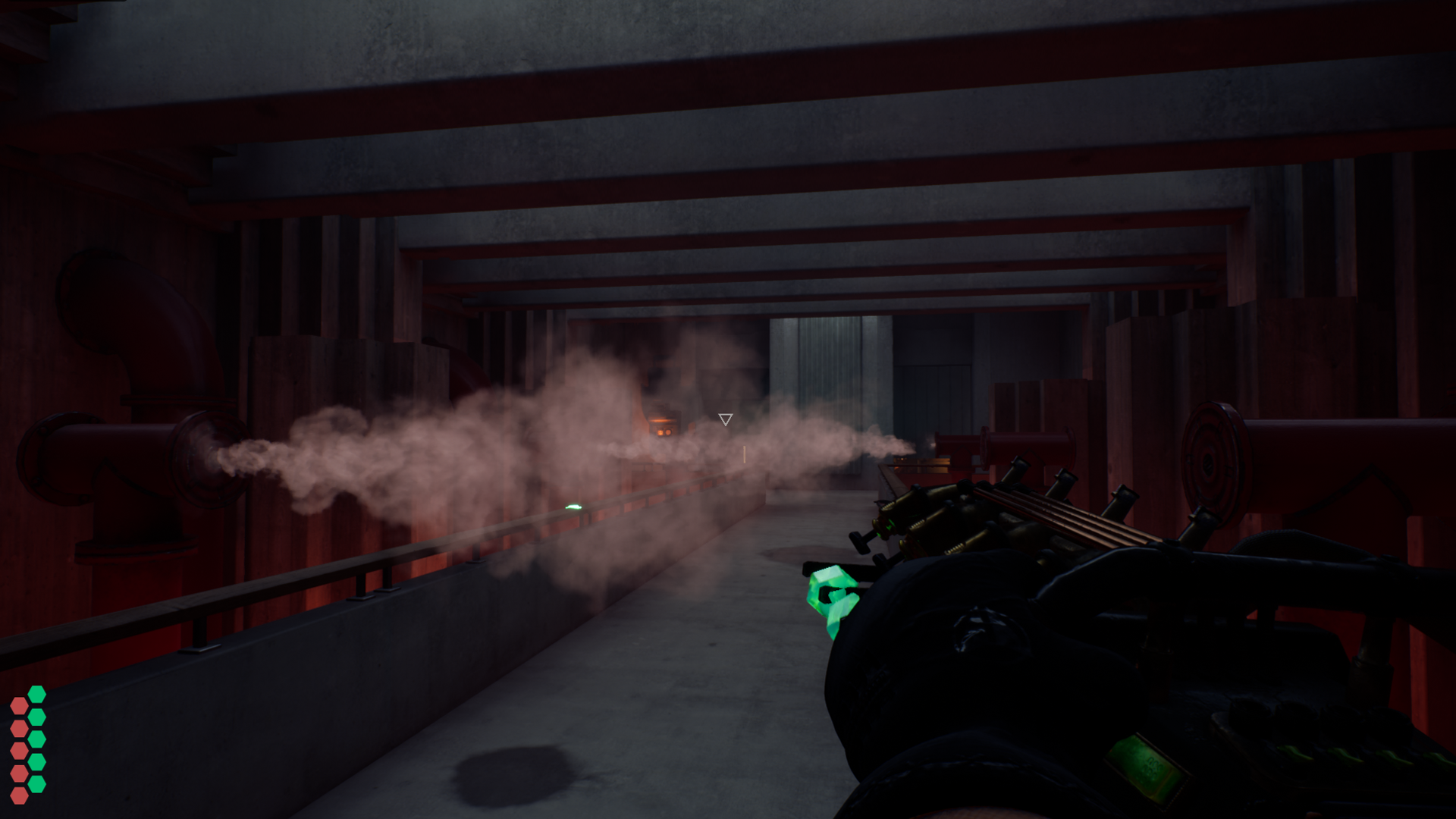
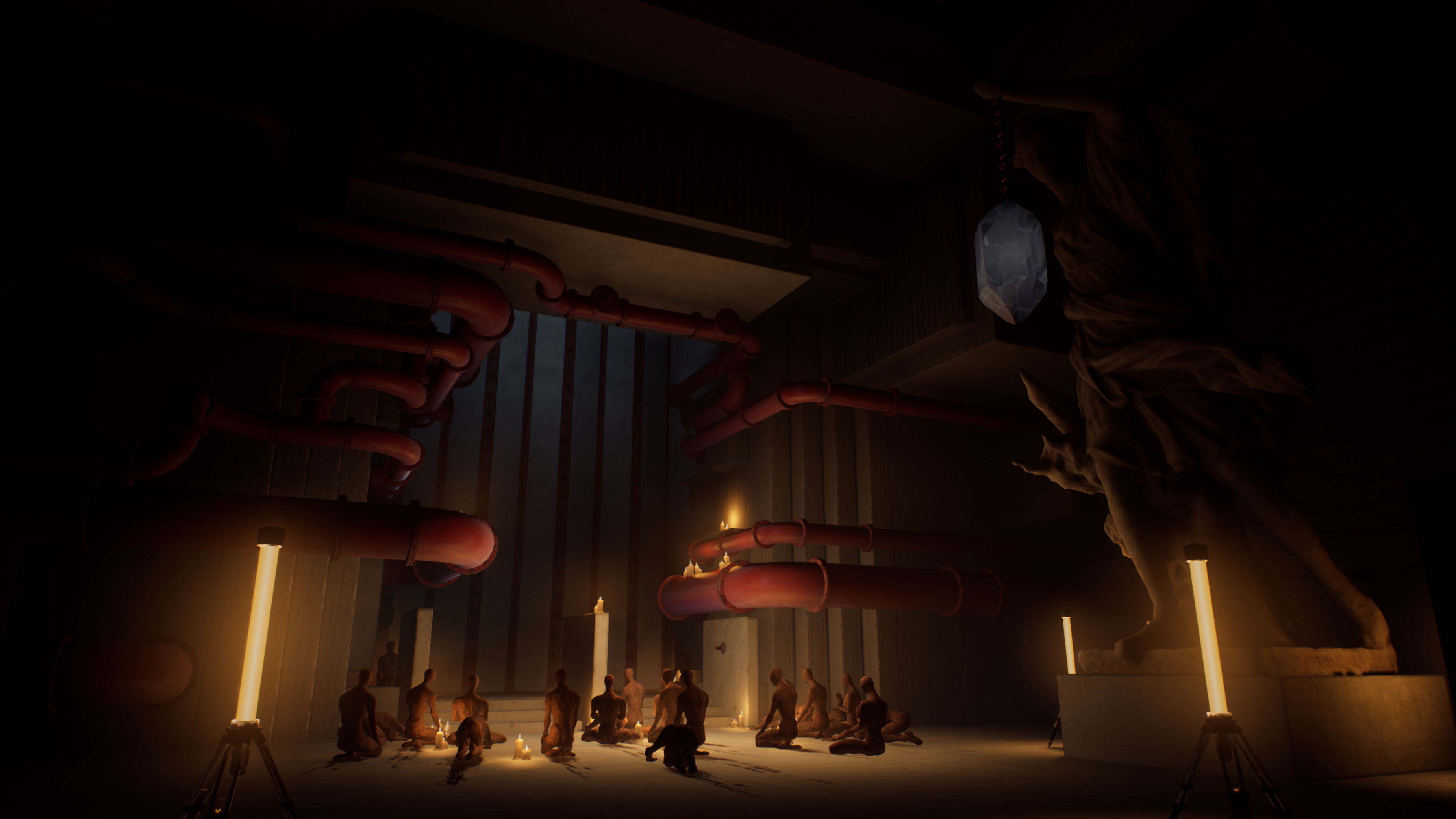
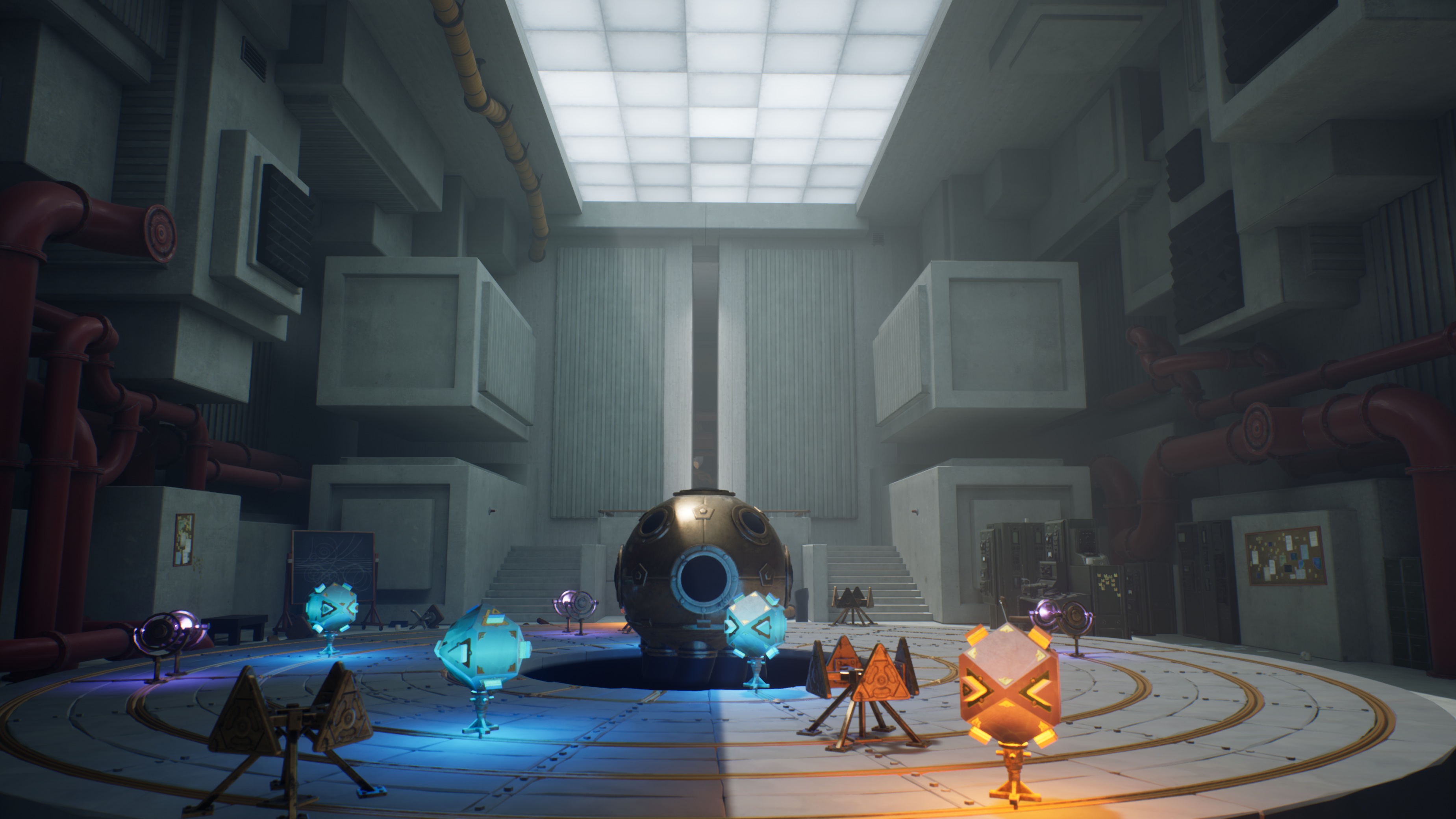
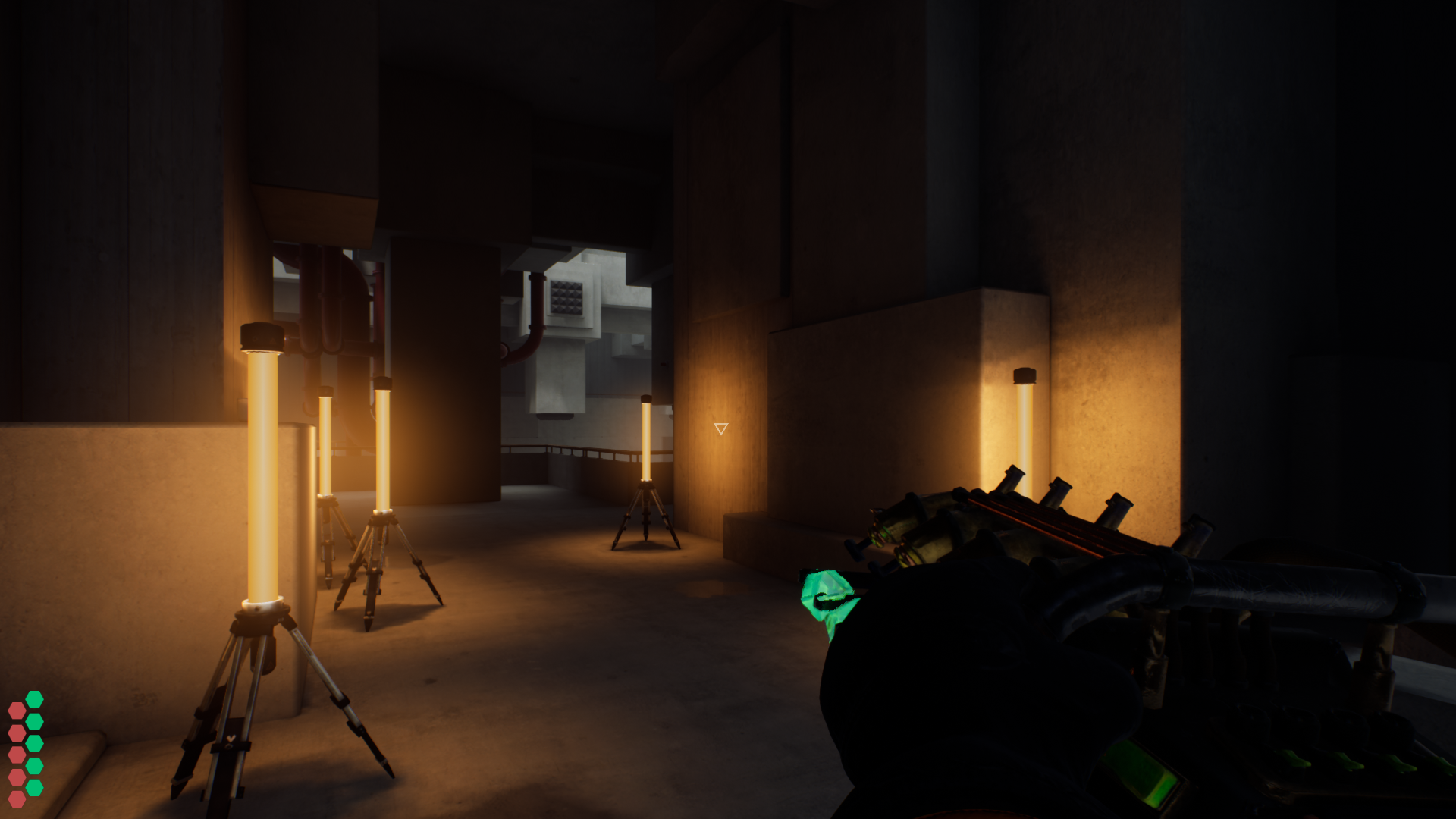
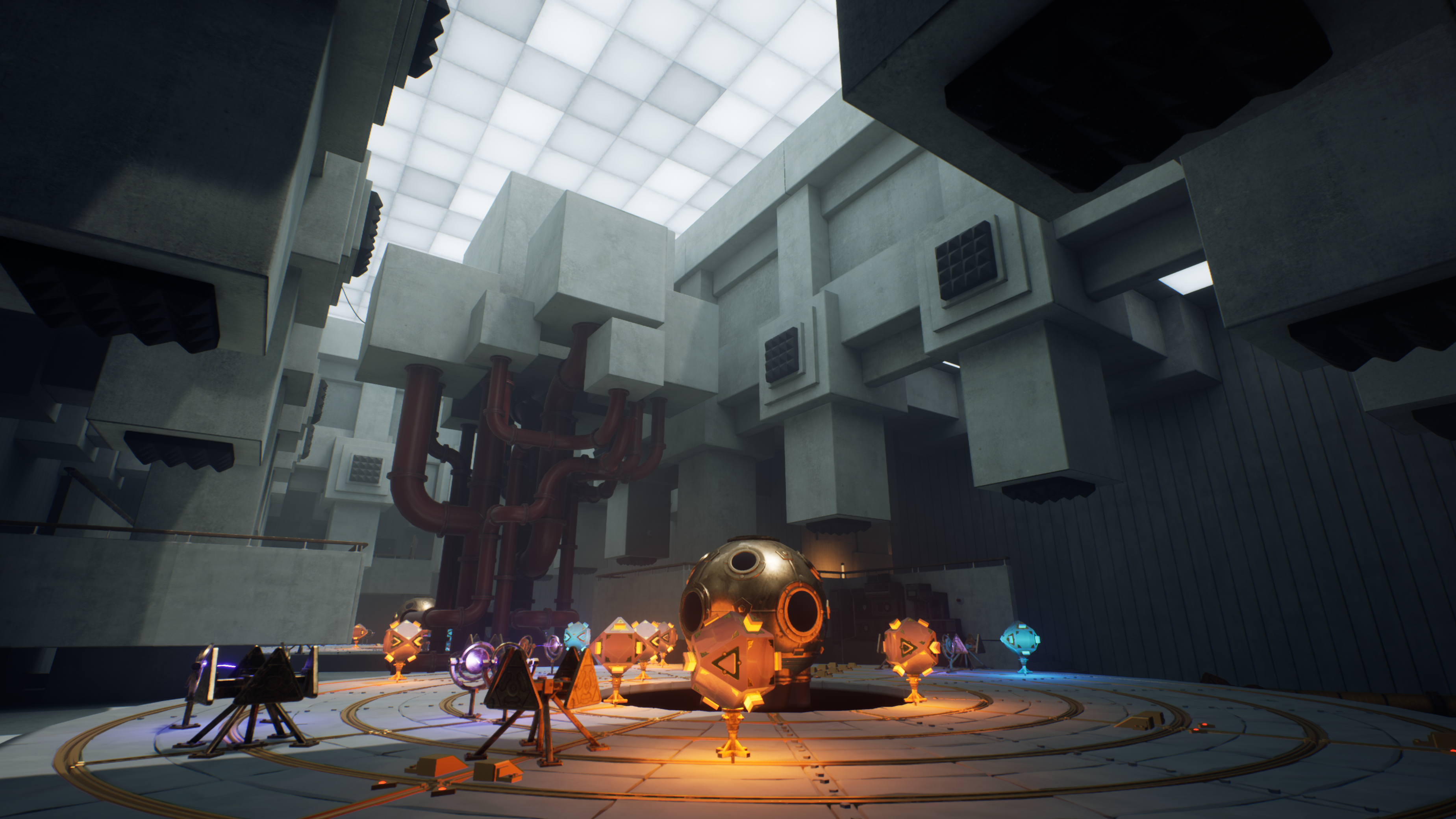
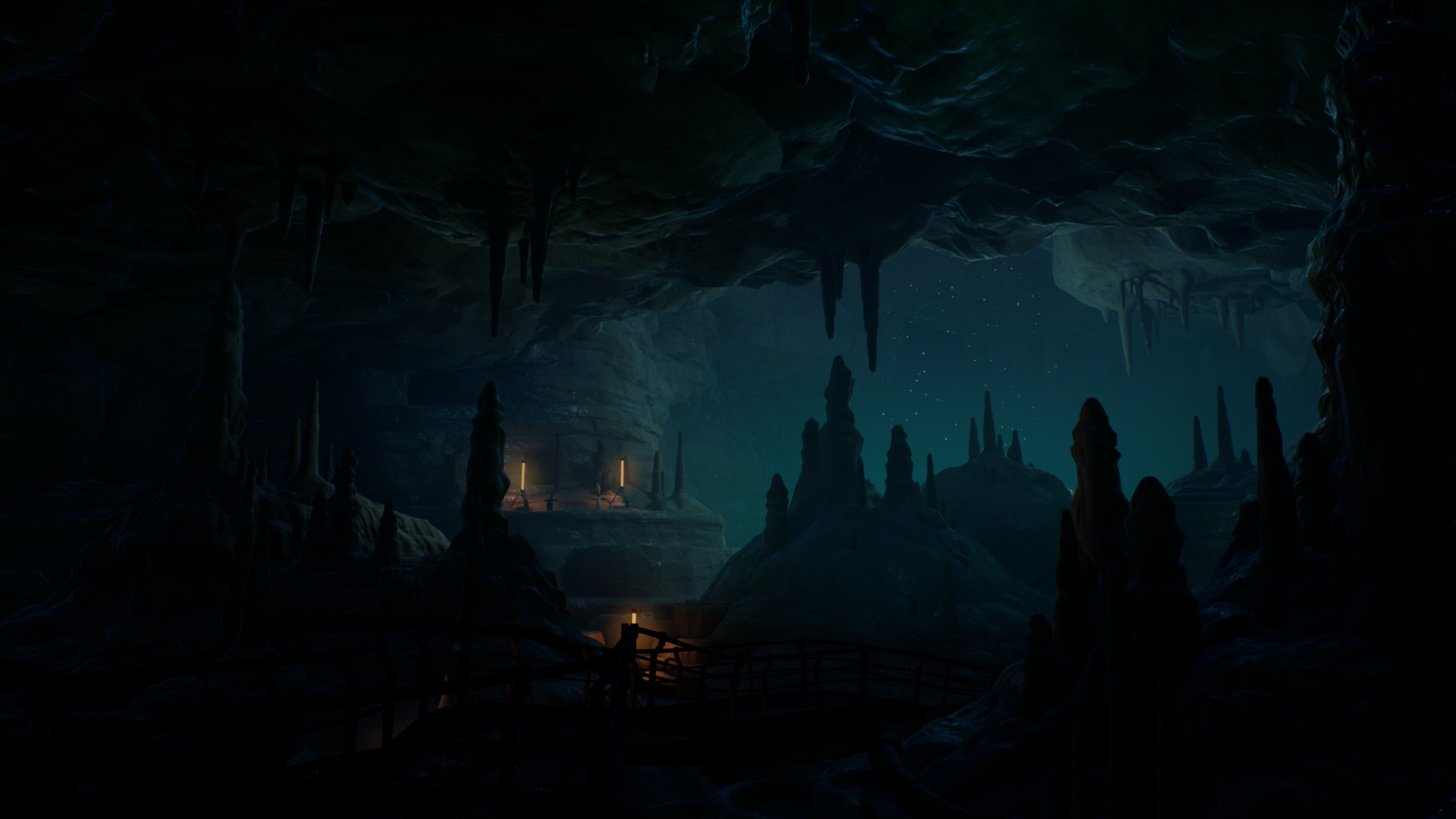
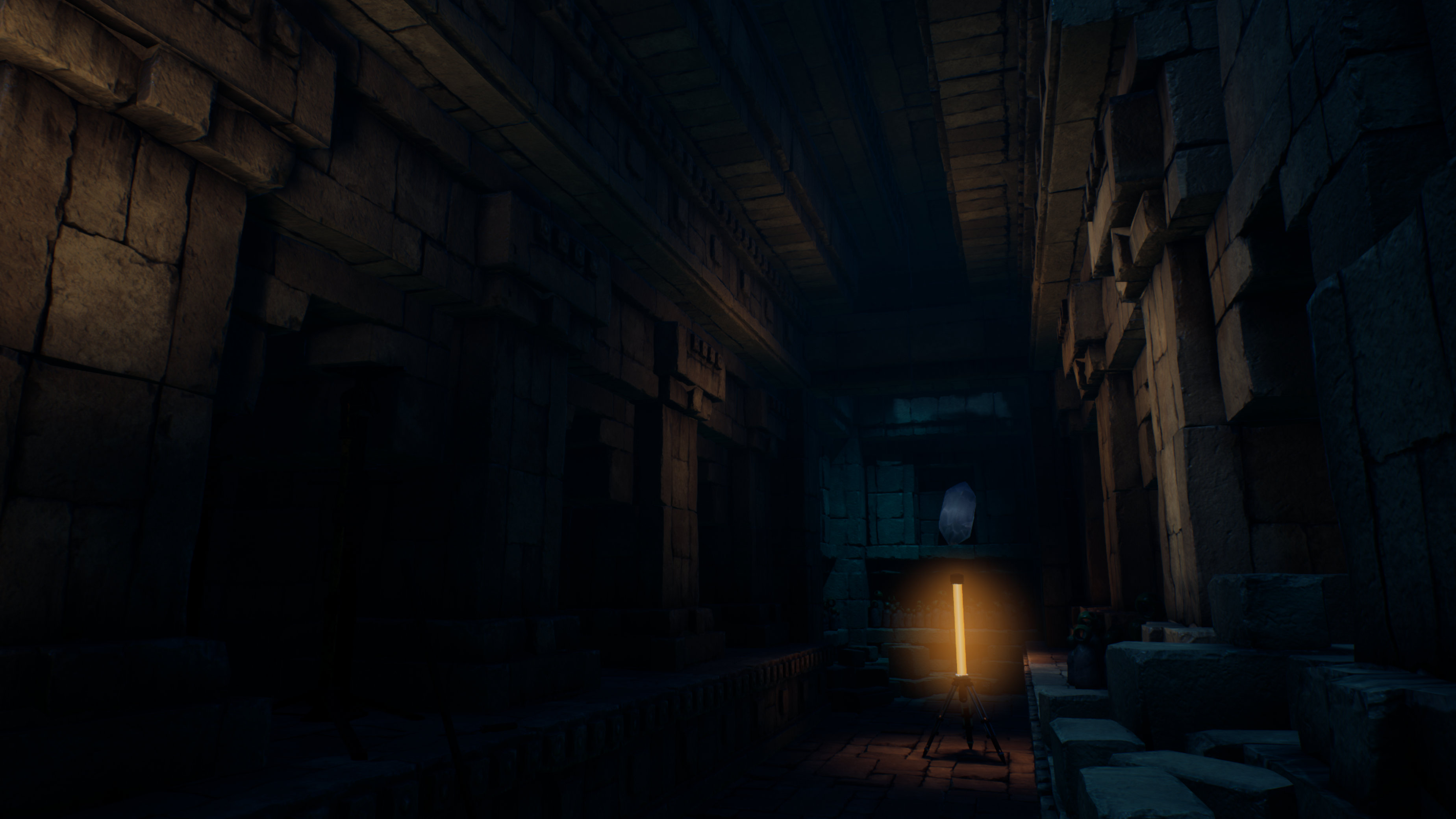
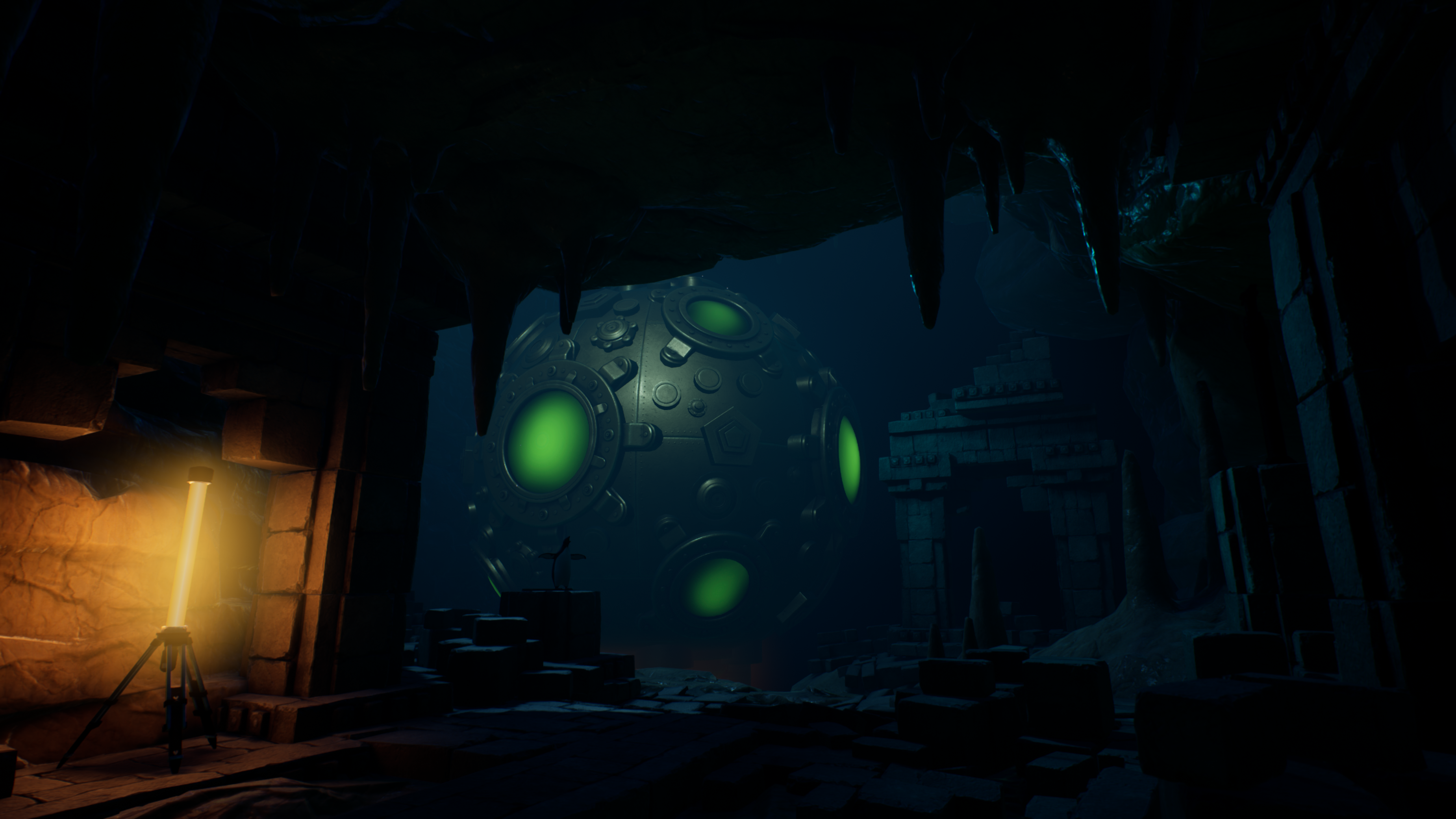
These images are screenshots from Radiant Dark's environment. My responsibilities include: environment layouts, lighting the spaces, prop models, and implementing gameplay such as puzzle designs and enemy locations.
Final Art Book
A significant amount of art was created by the art team within the twenty weeks of development; we felt it important to capture and document this work and compile it into the art book seen above.
asset library
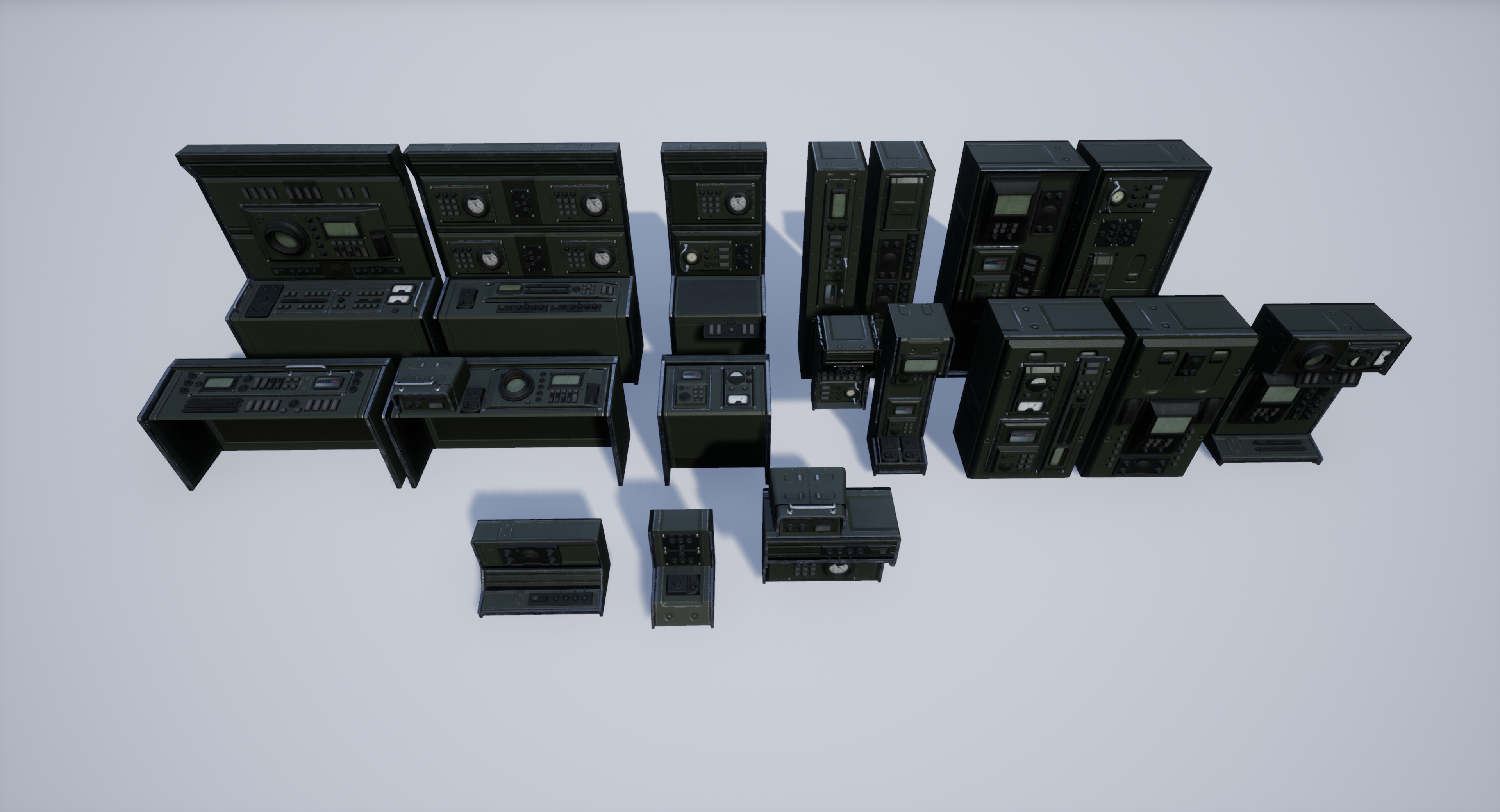
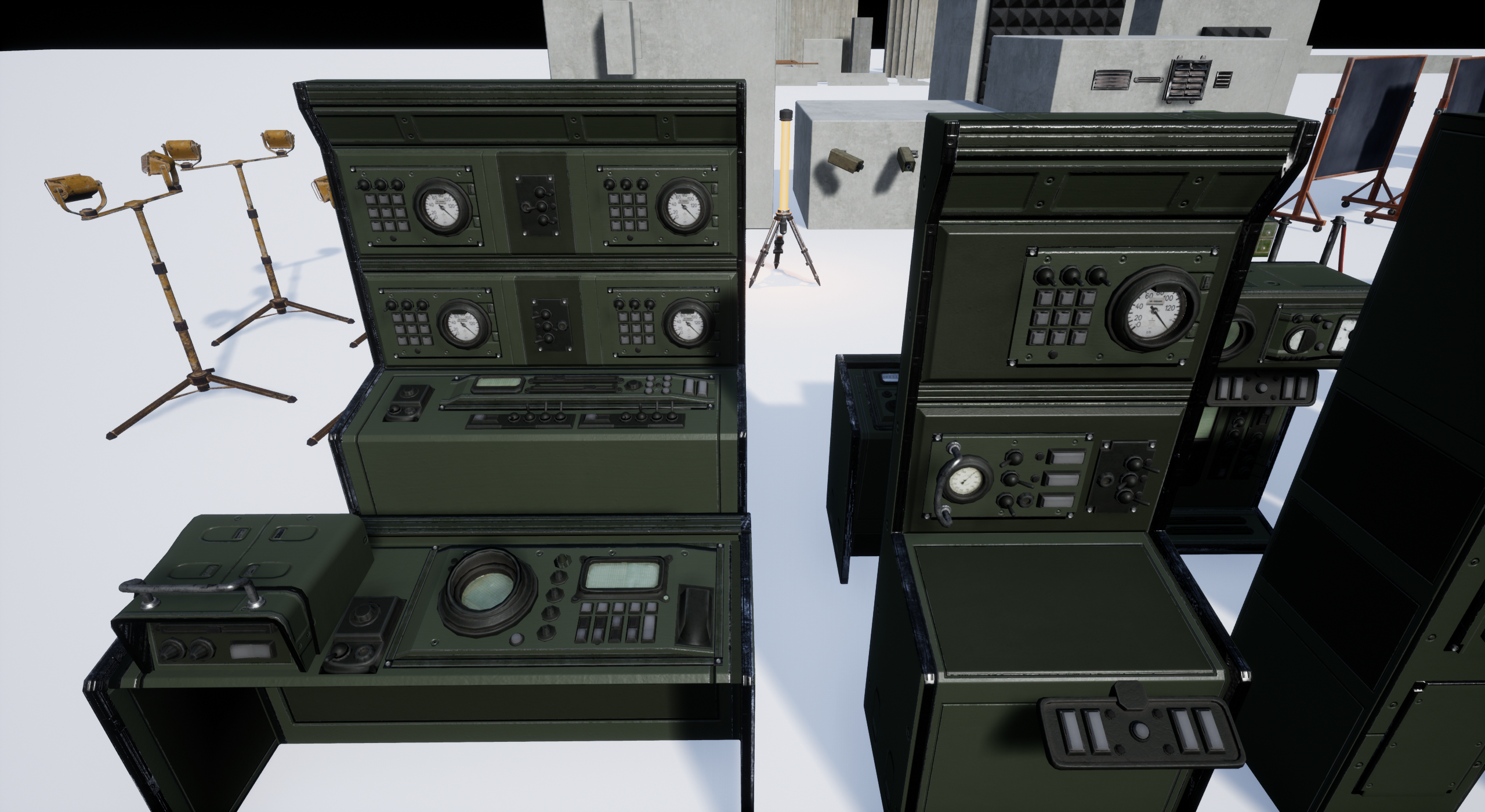
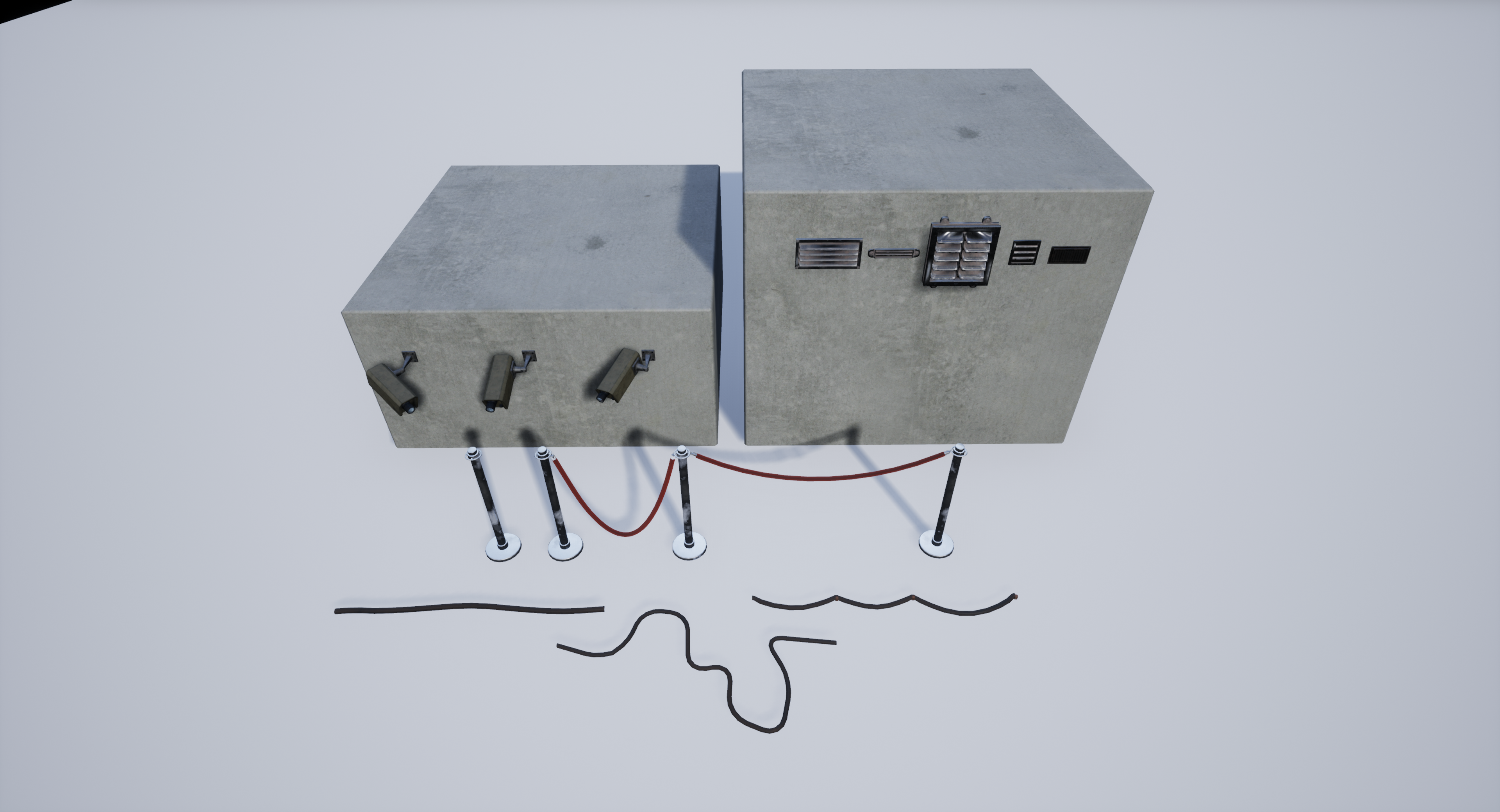
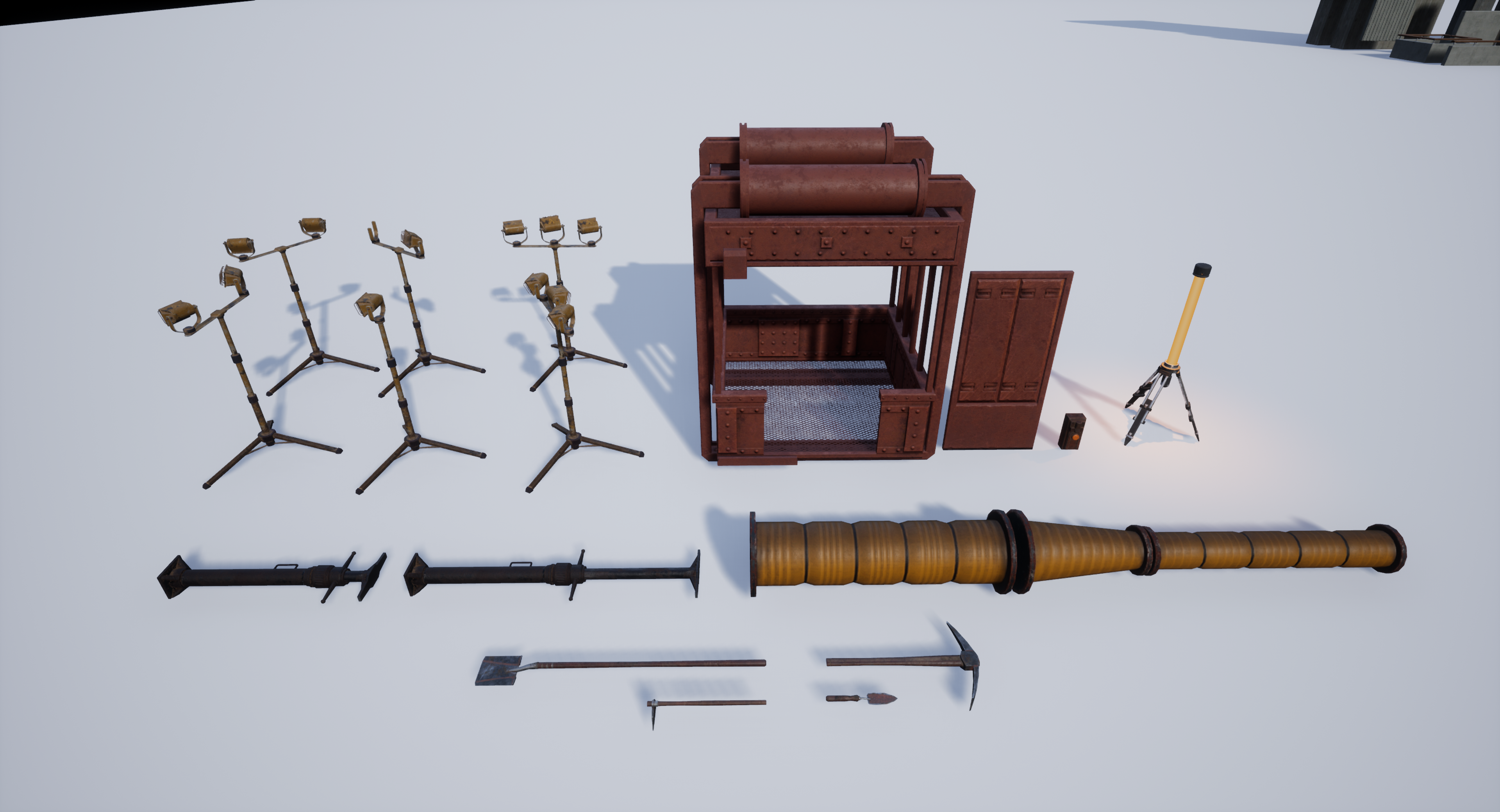
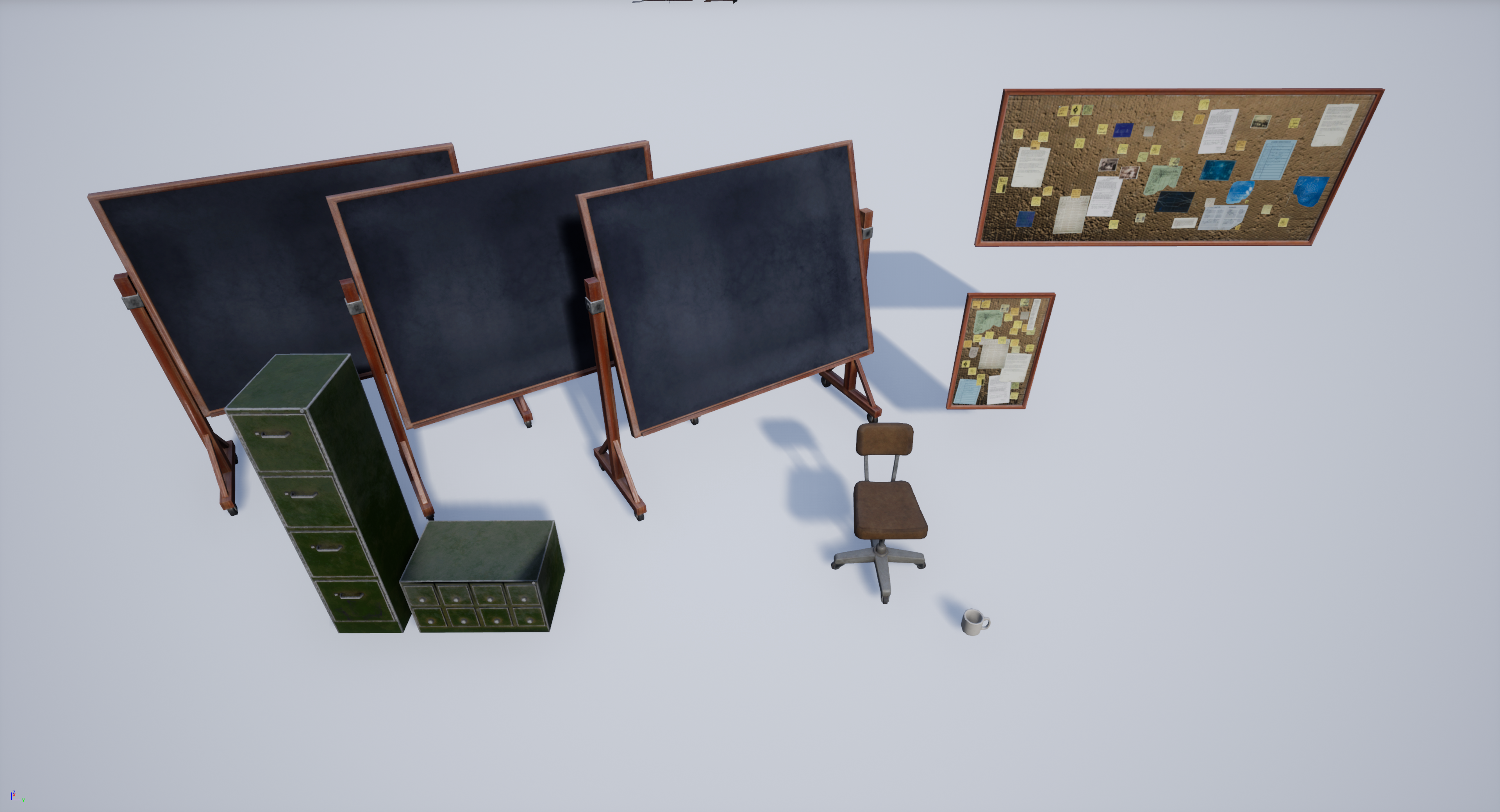
While our lead artist built the architecture according to the greybox, I set off to create the props that would populate those spaces. I created a kit for the labs, lobby, mines/ruins, and offices.
art-m final renders
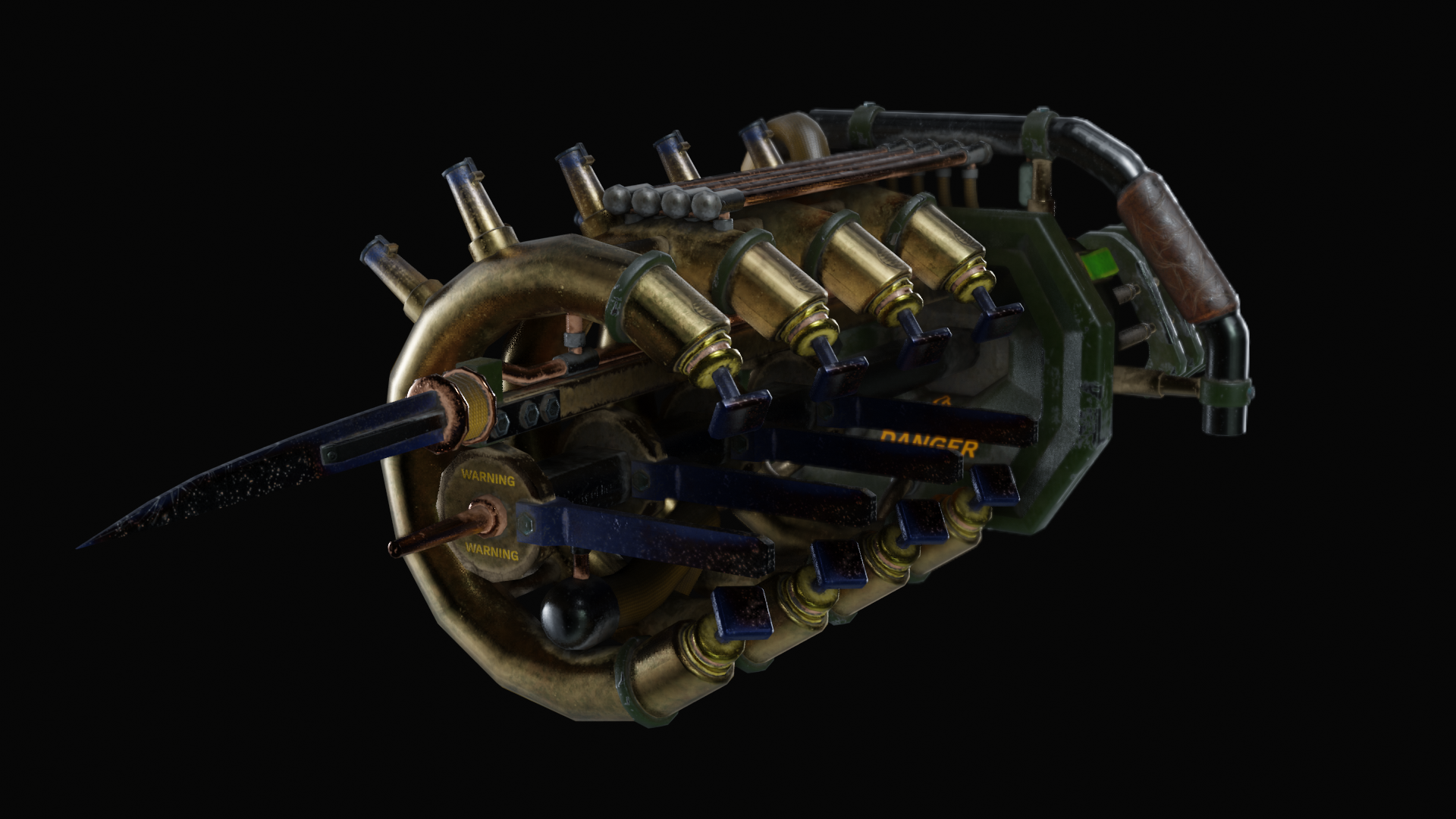
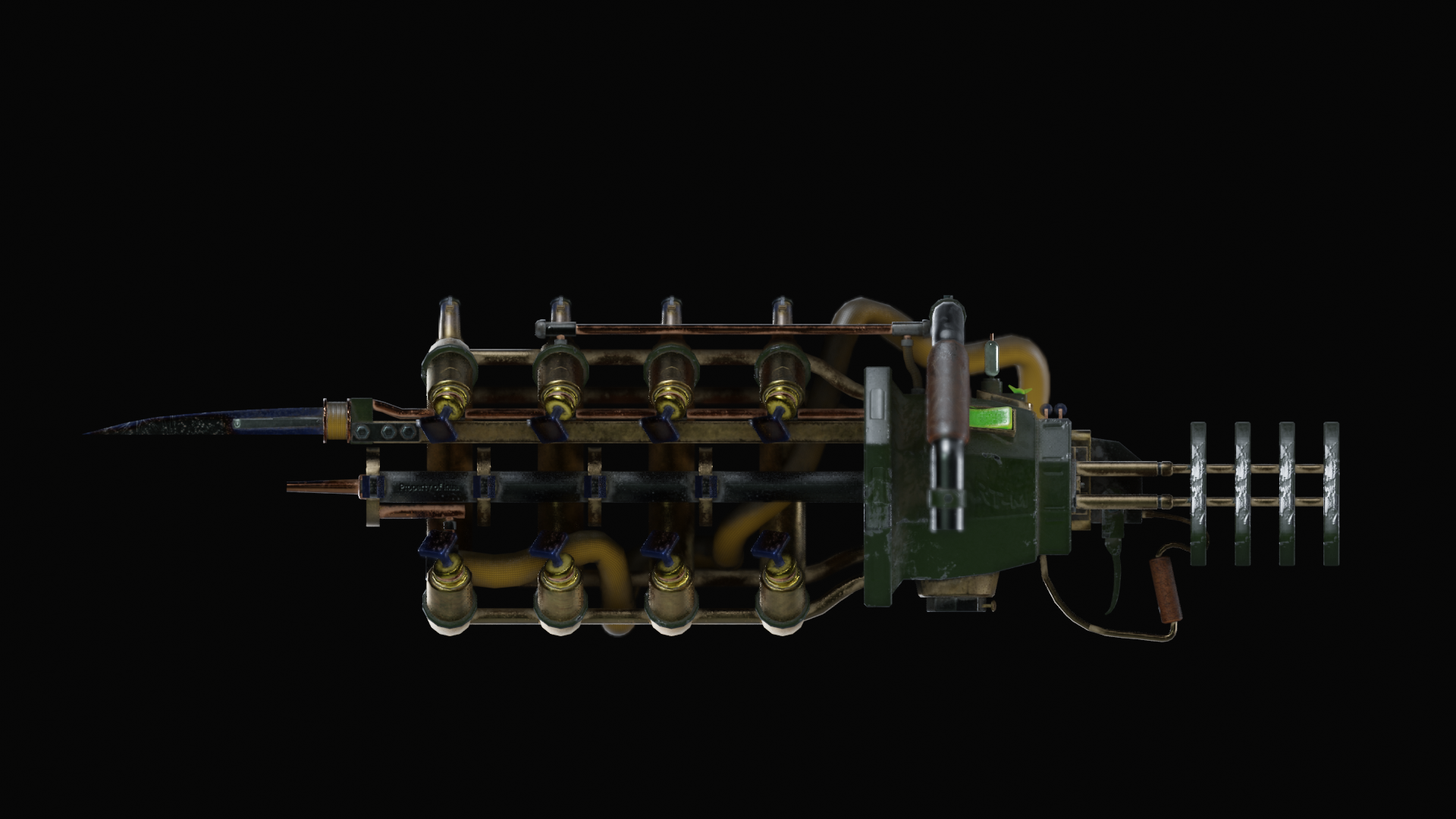
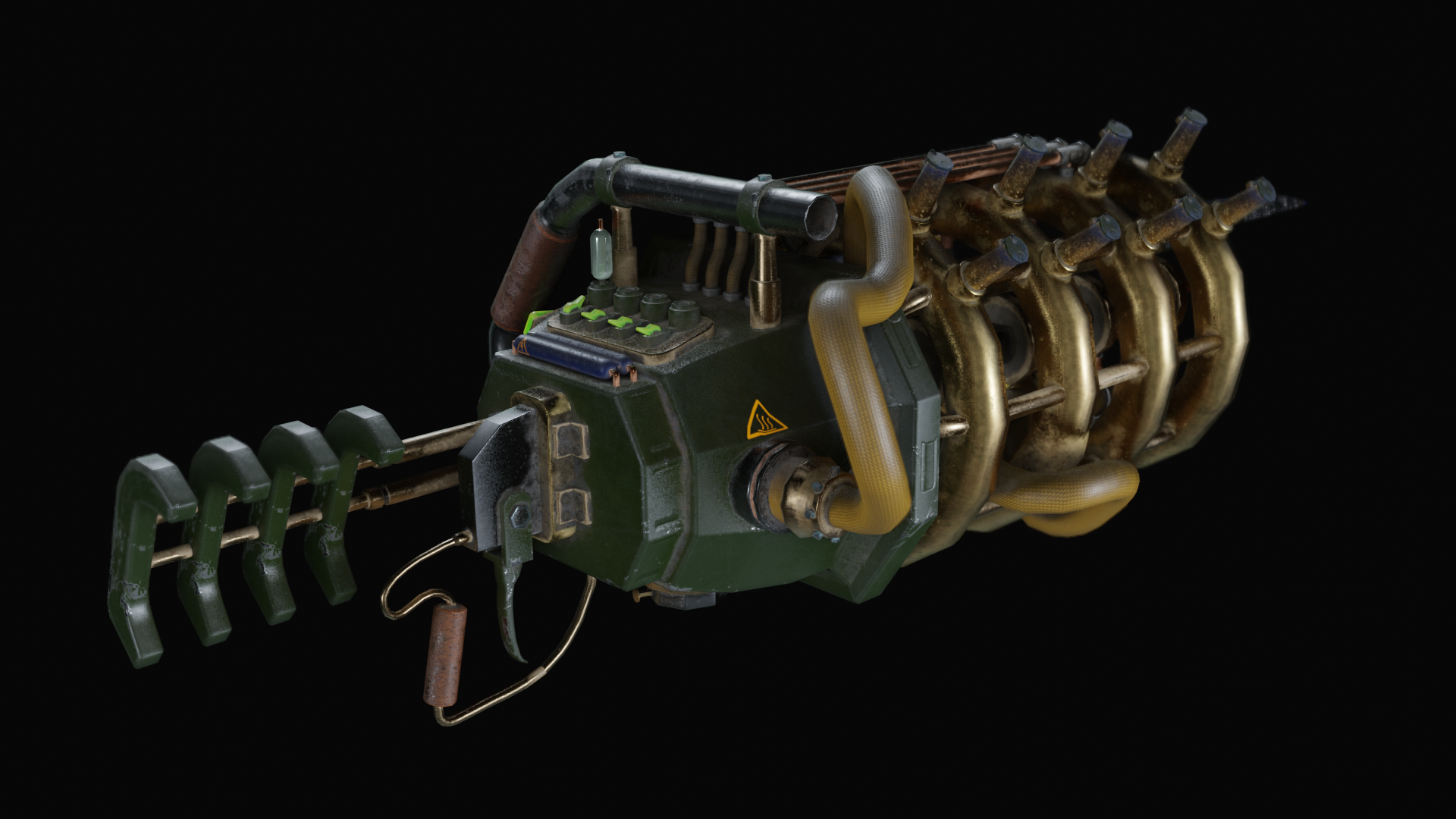
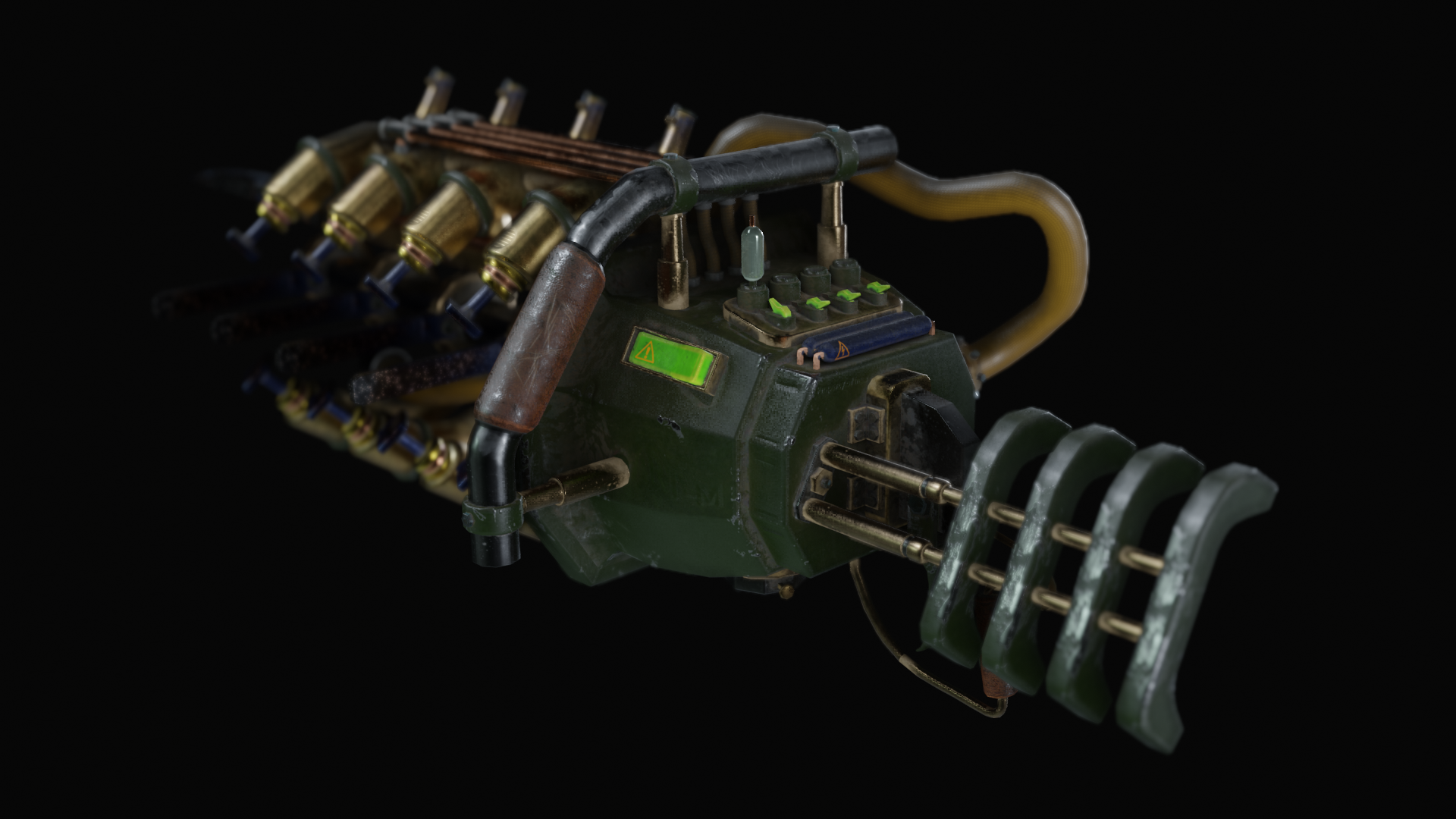
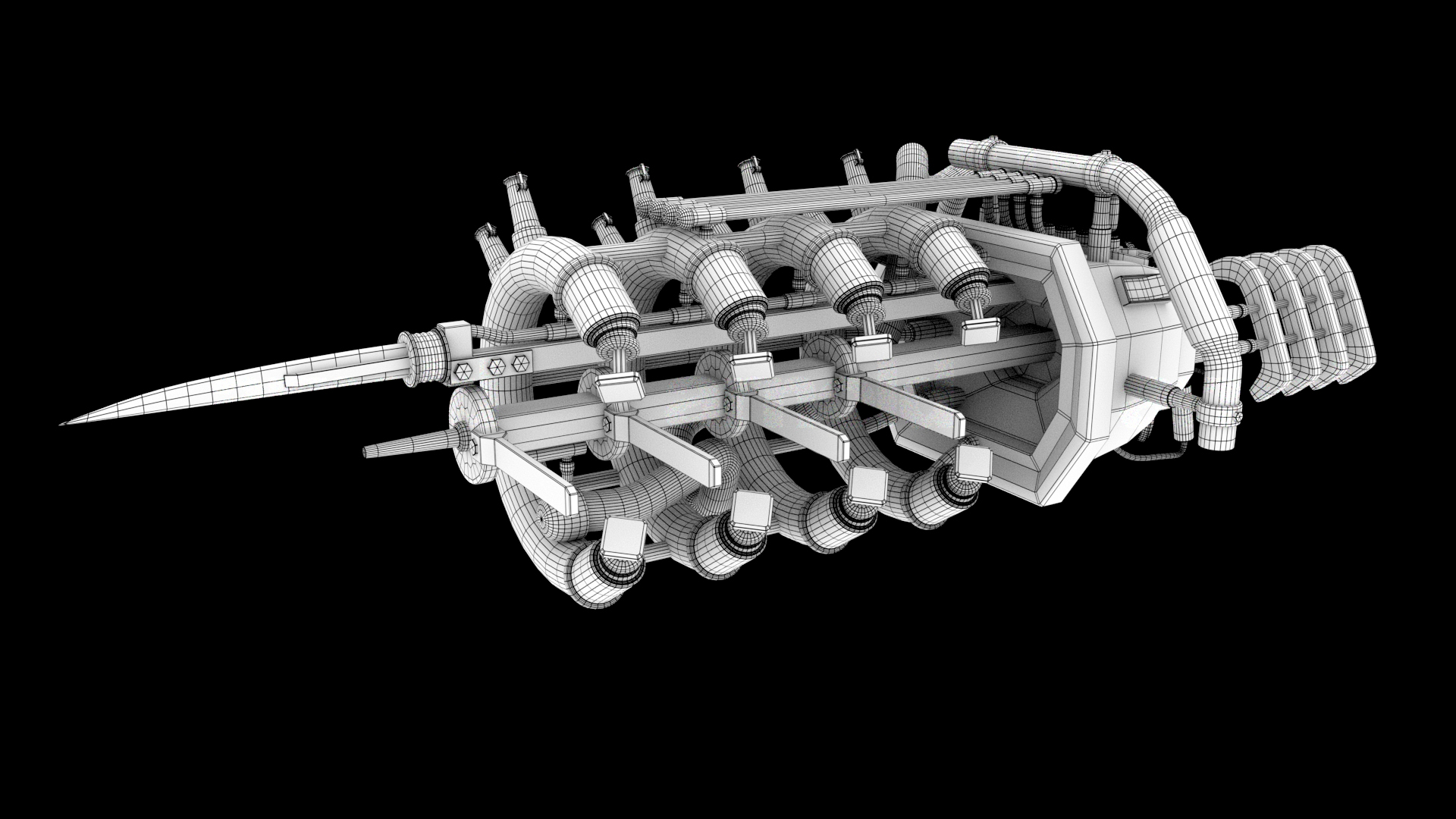
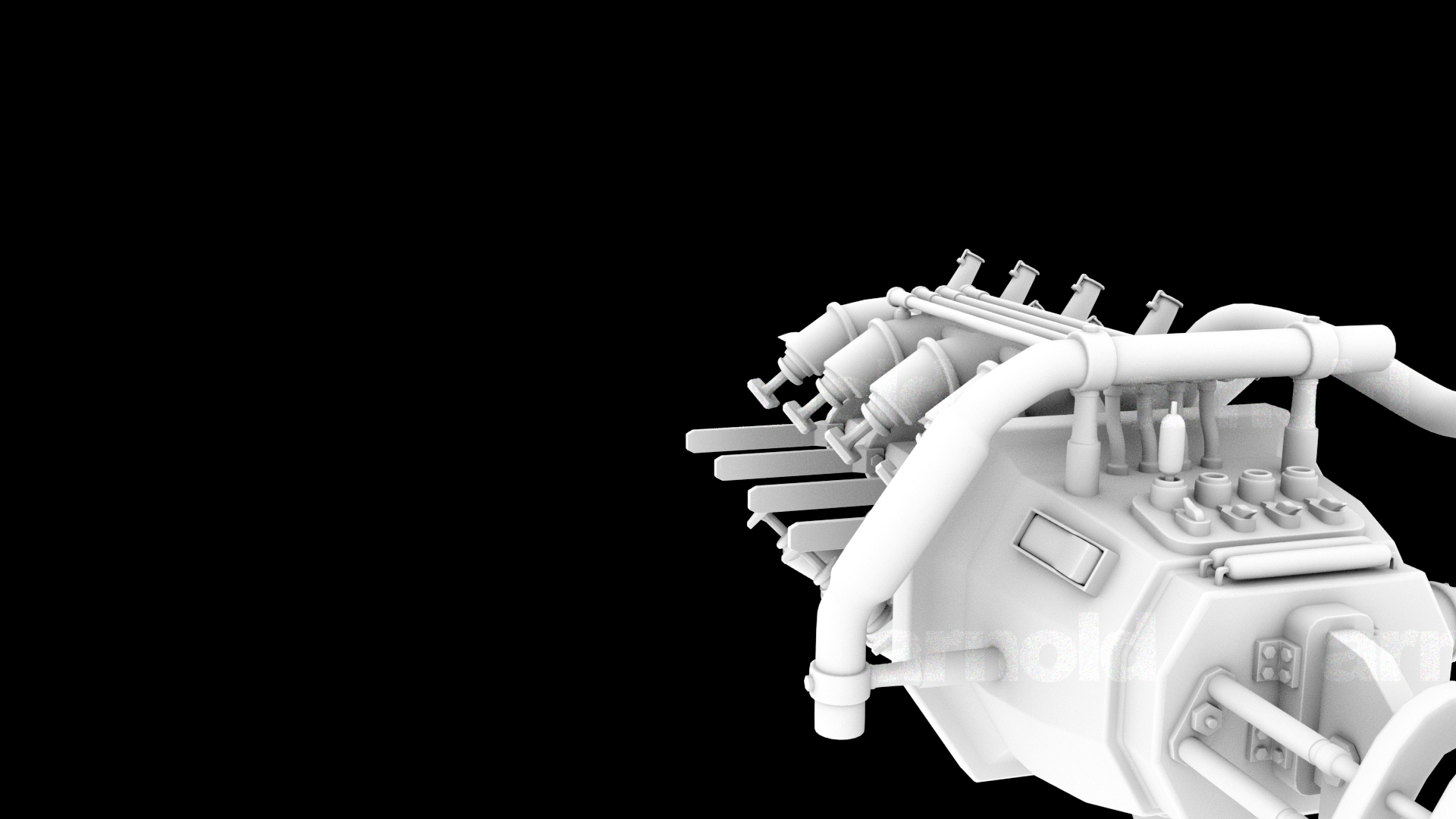
According to feedback, many people found the pushing and pulling of energy with their hands in the Beta version confusing or unintuitive. For this version, we decided to create a tool that allowed the player to interact with the world.
art-m concepts
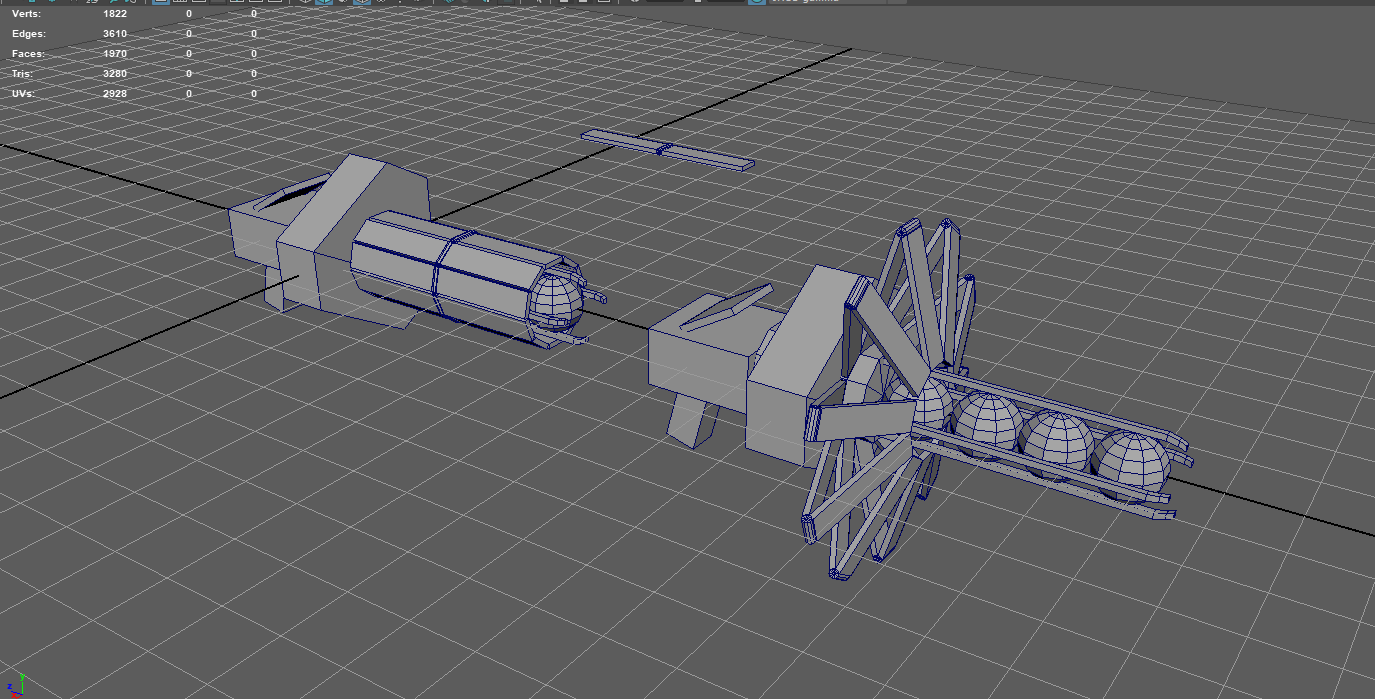
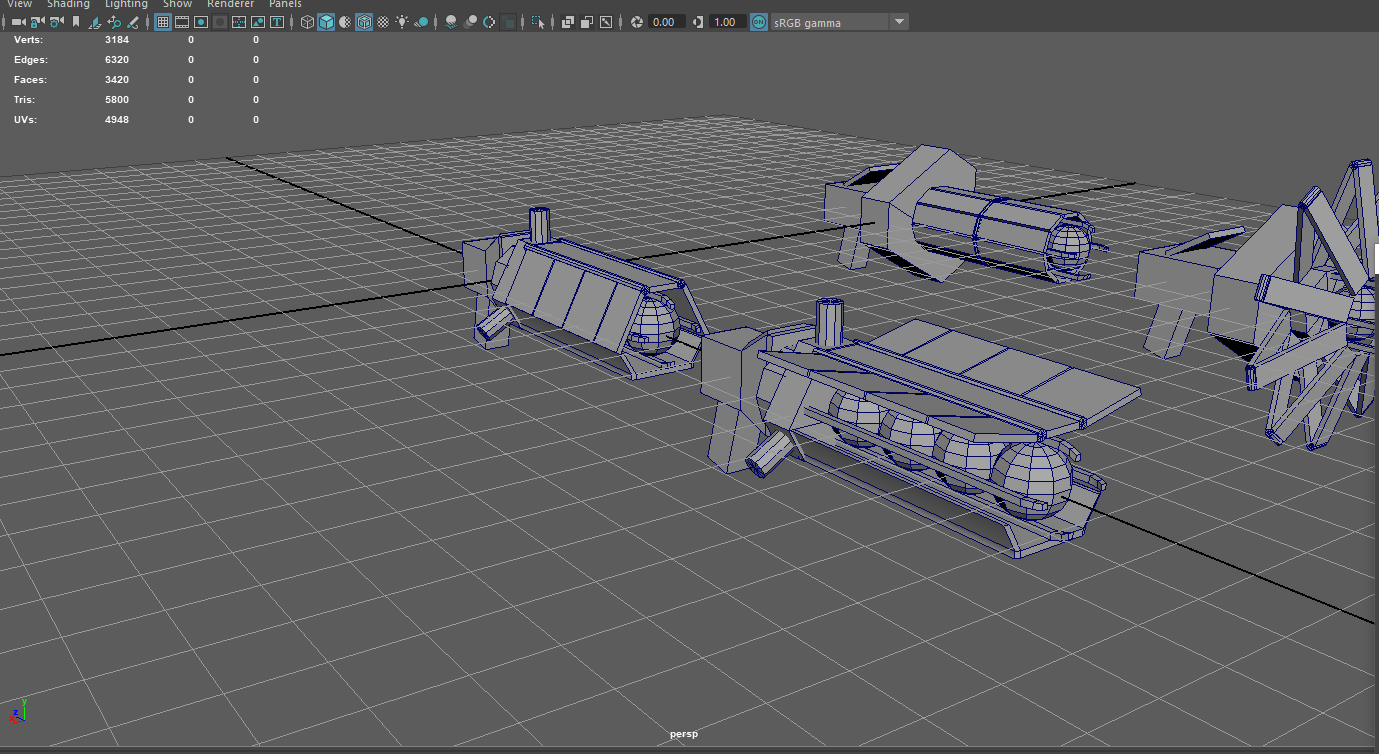
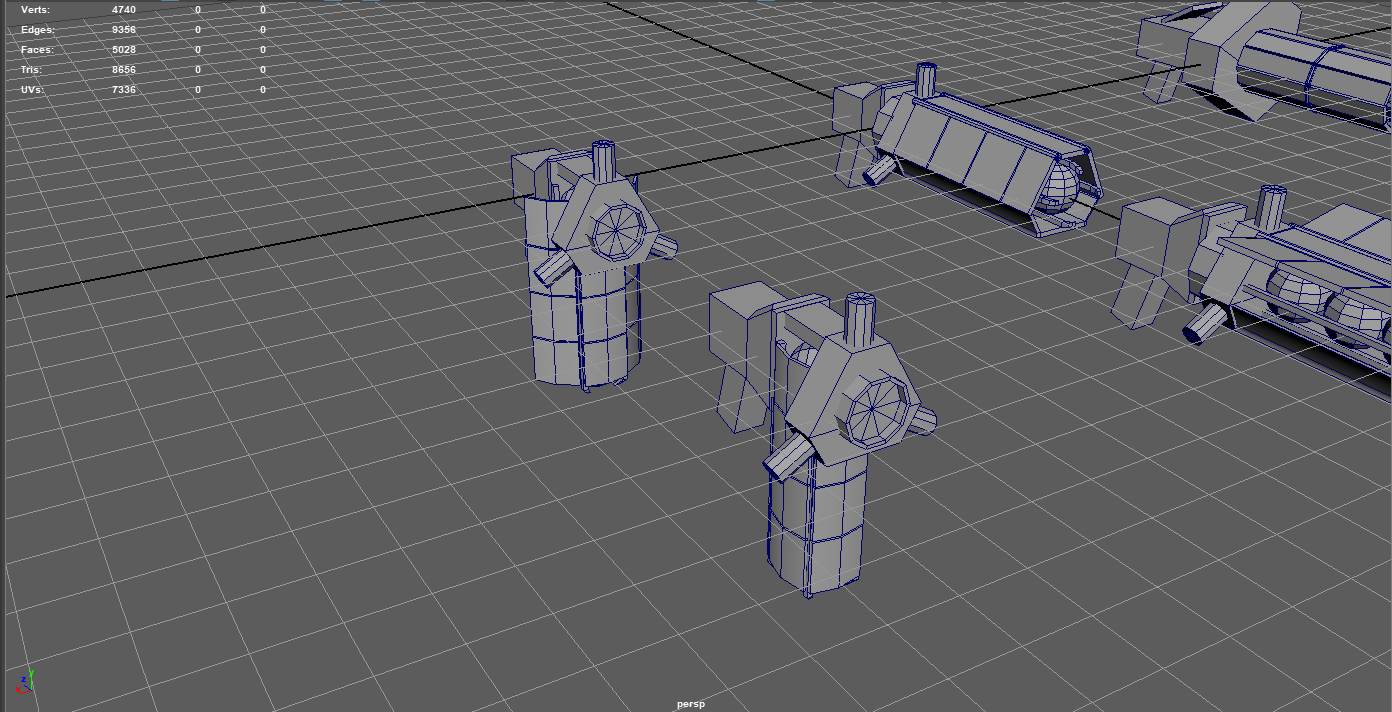
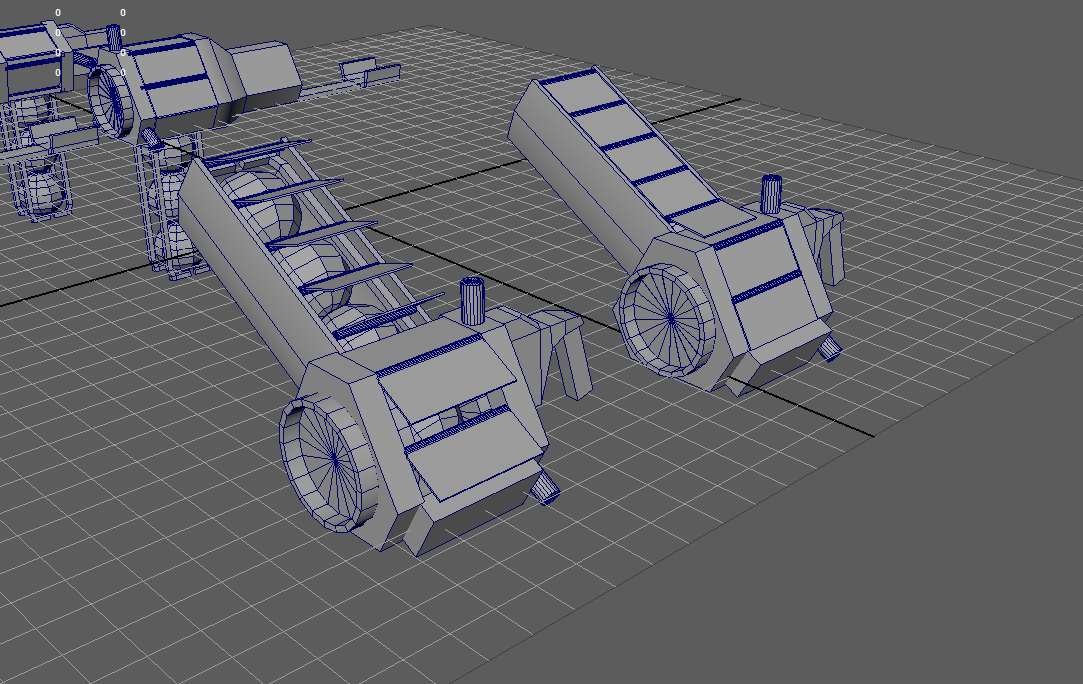
Every member of the team created an array of concepts for the ART-M. Mine, as seen above, focussed on moving plates to vent heat and various ways to house the 'ammunition.' These designs were synthesized into the design seen in the final renders above.
radiant dark beta
The Beta version of Radiant Dark acted as a proof of concept. It had a different art style and was a complete game start-to-finish containing roughly three hours of gameplay for new players with a massive facility to explore and 27 puzzles to solve.
This version of the game was canned at the behest of our professor at the time who believed a more realistic arstyle would better sell the project; he also advised we focused the project on beautiful environments for a trailer over gameplay.
Ultimately, many changes were made, but the core of the work on Radiant Dark lives here, in the Beta.
beta trailer
beta playthrough
Above is what we managed to accomplish in about ten weeks. I'm extremely proud of how much work the team was able to do - making a complete game experience albiet with some minor bugs and issues to iron out.
While an experienced player could beat the game in roughly an hour, new players would spend about three as they learned how the puzzles worked. Overall, most playtesters were able to complete the game without any interference from the team - a huge accomplishment.
beta screenshots
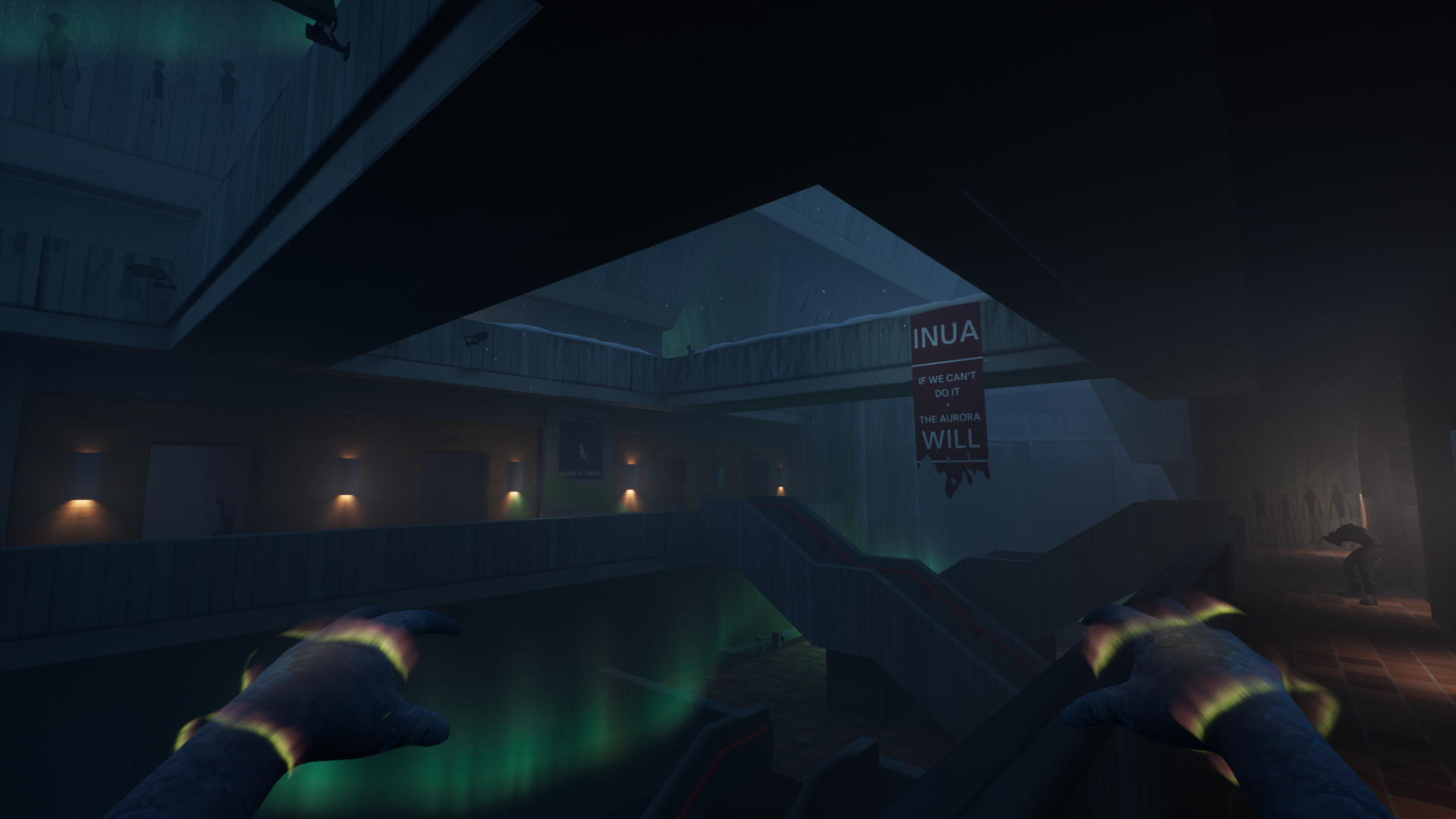
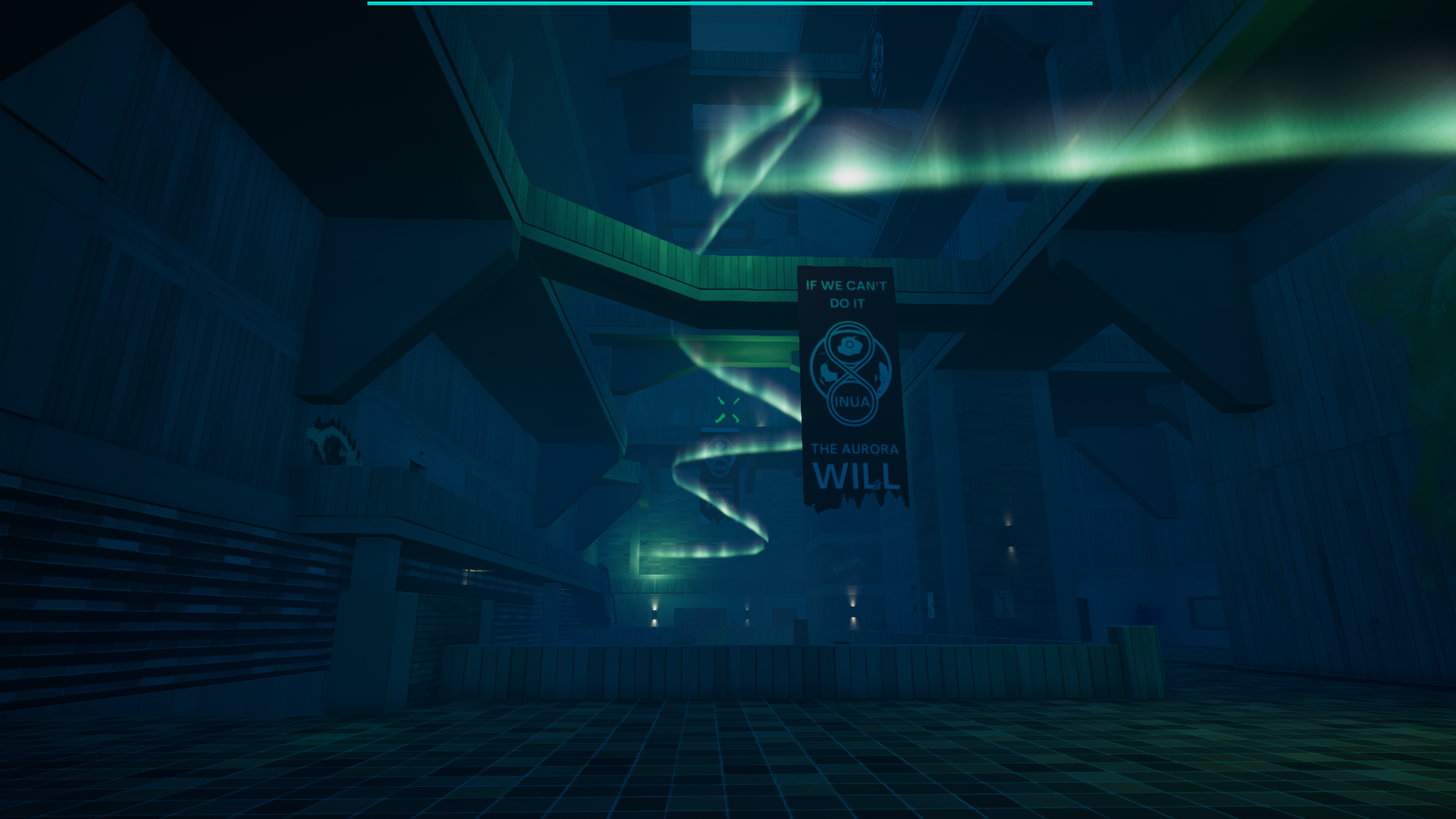
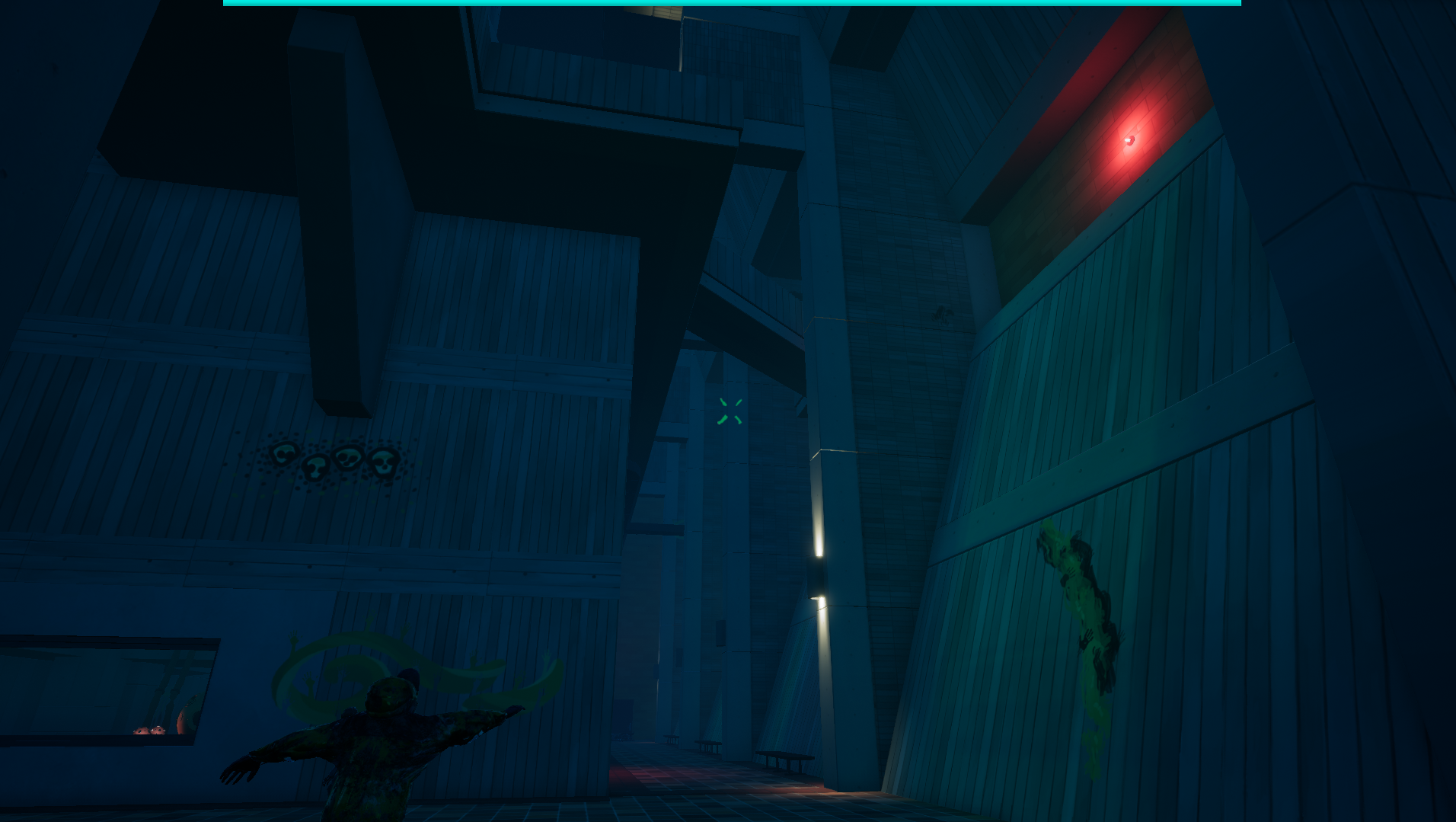
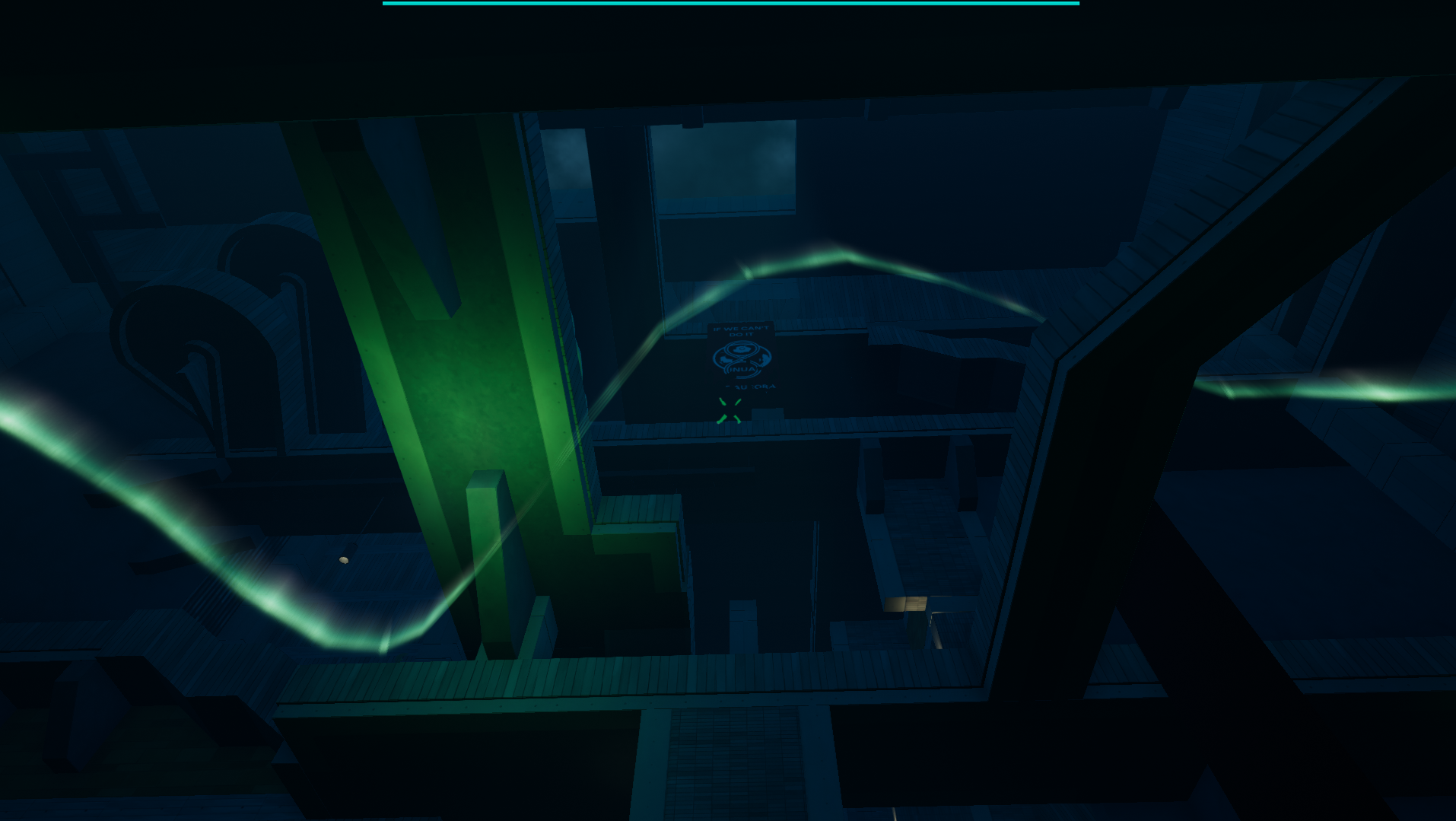
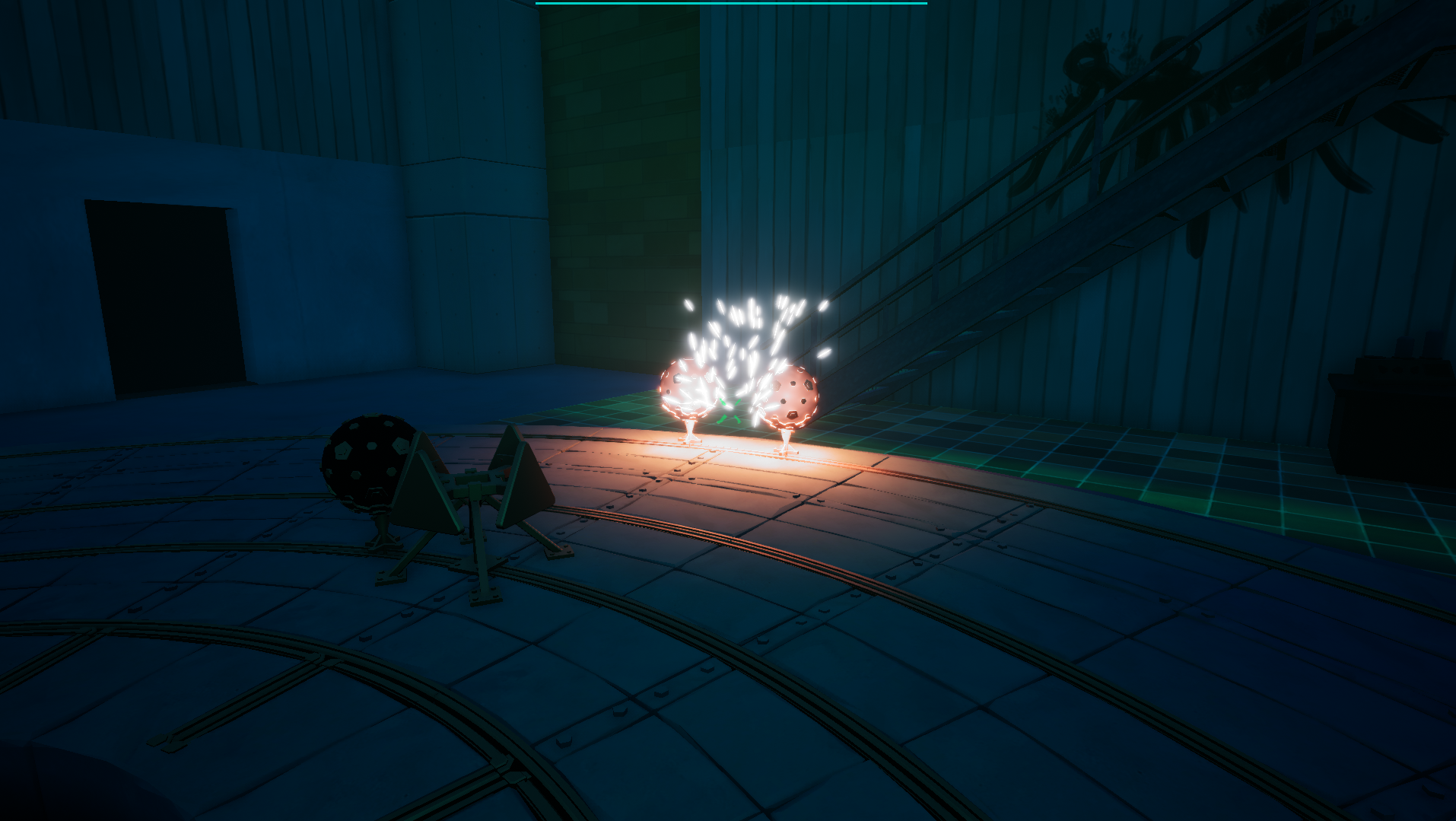
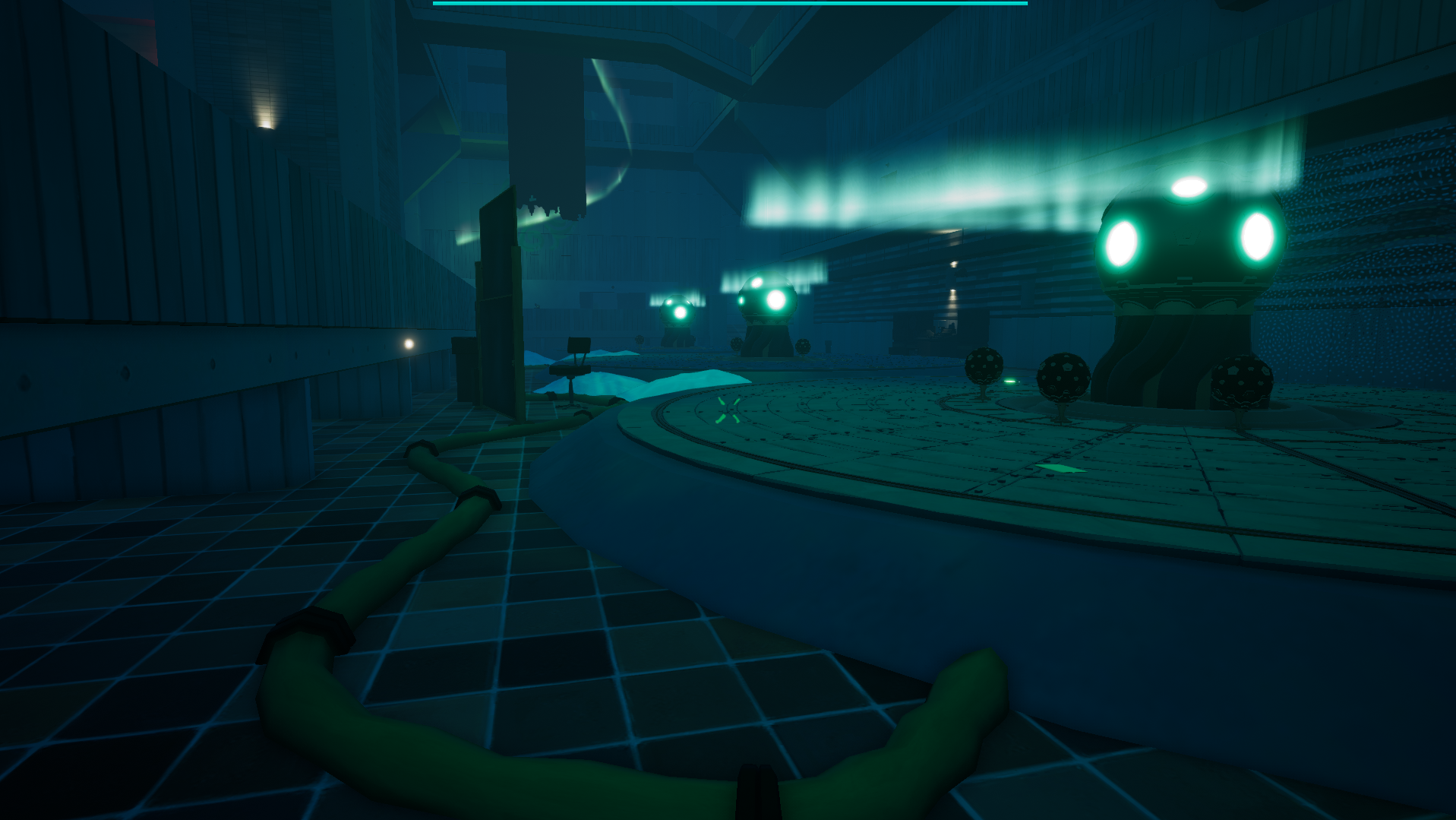
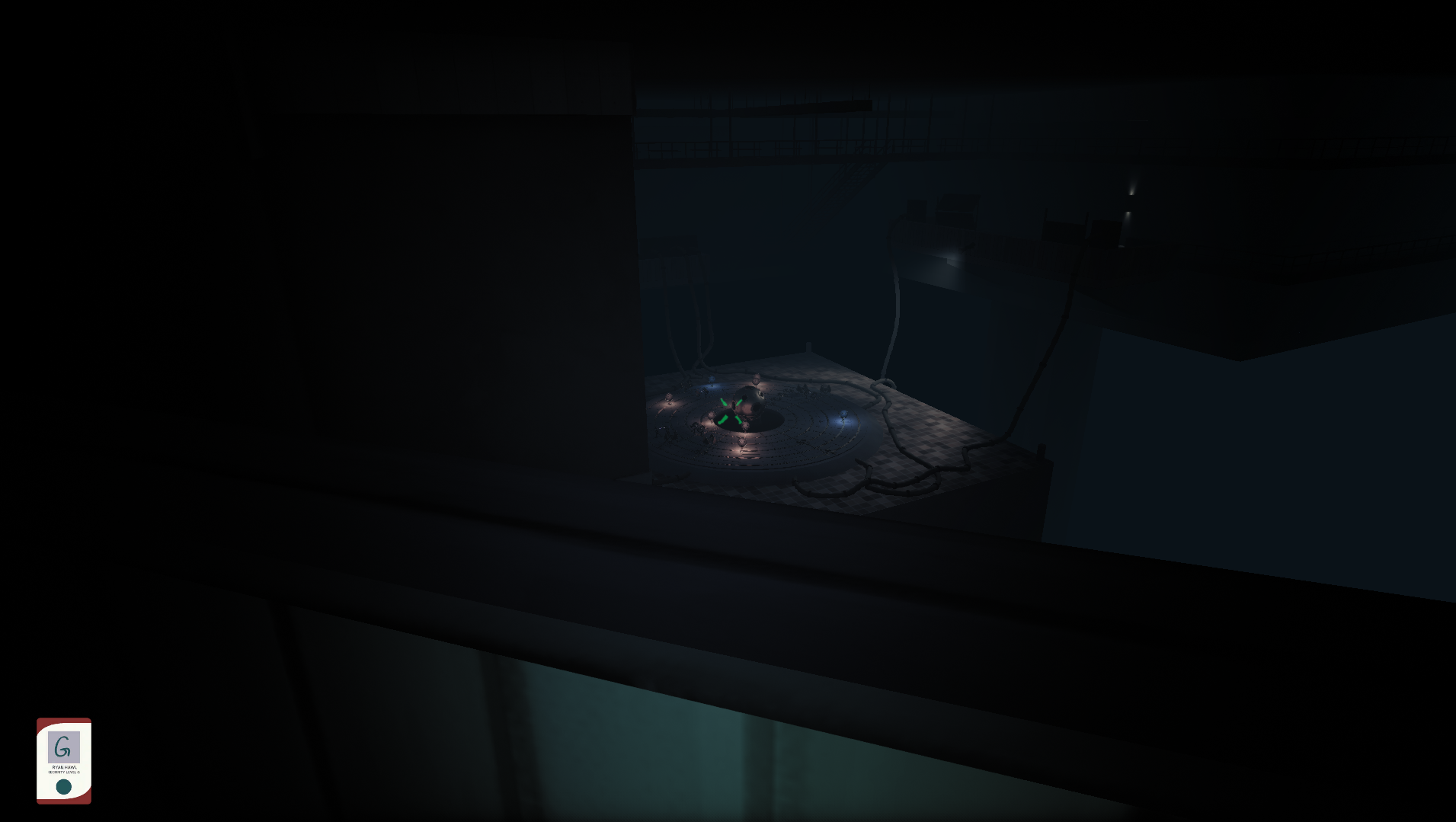
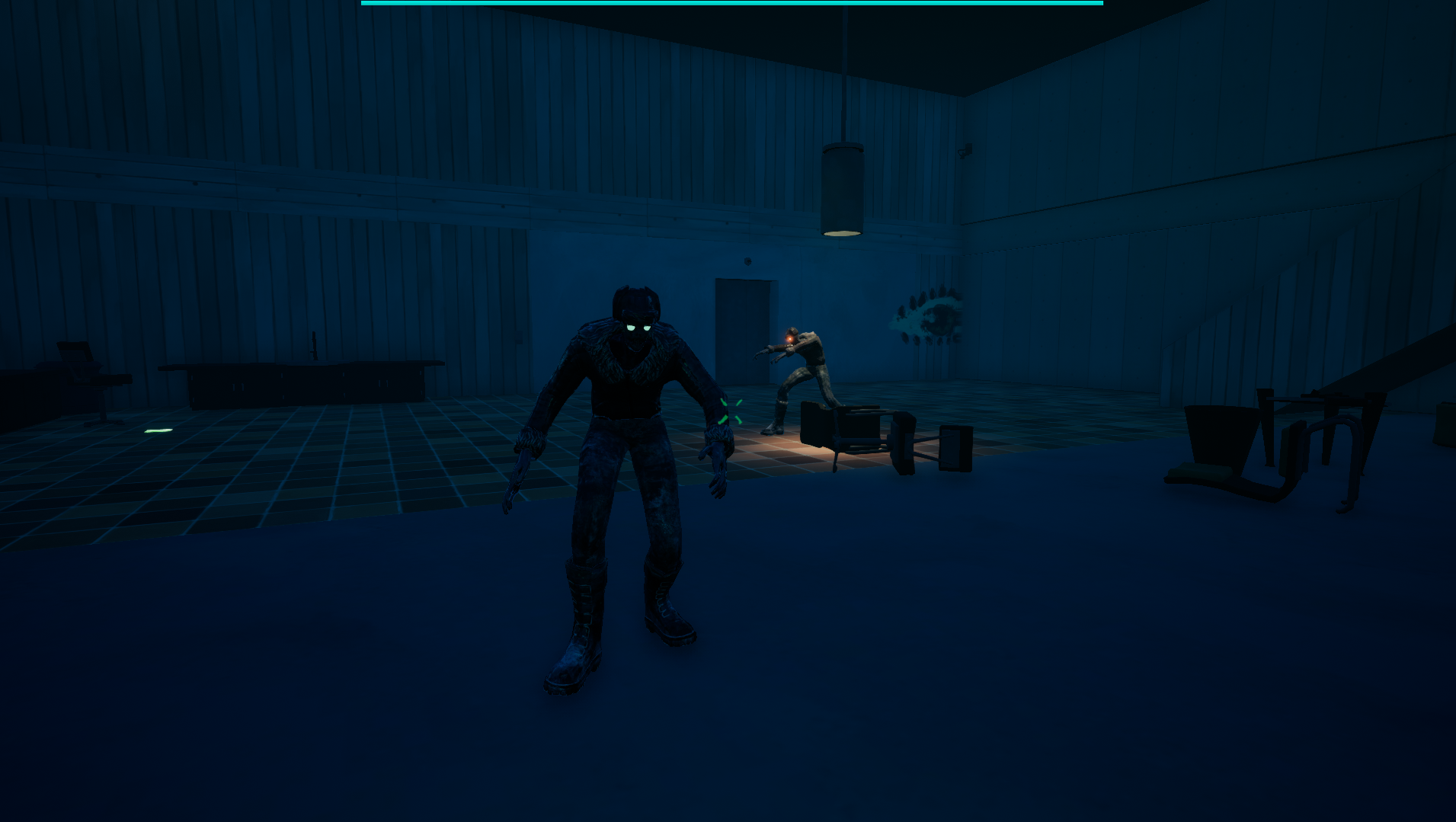
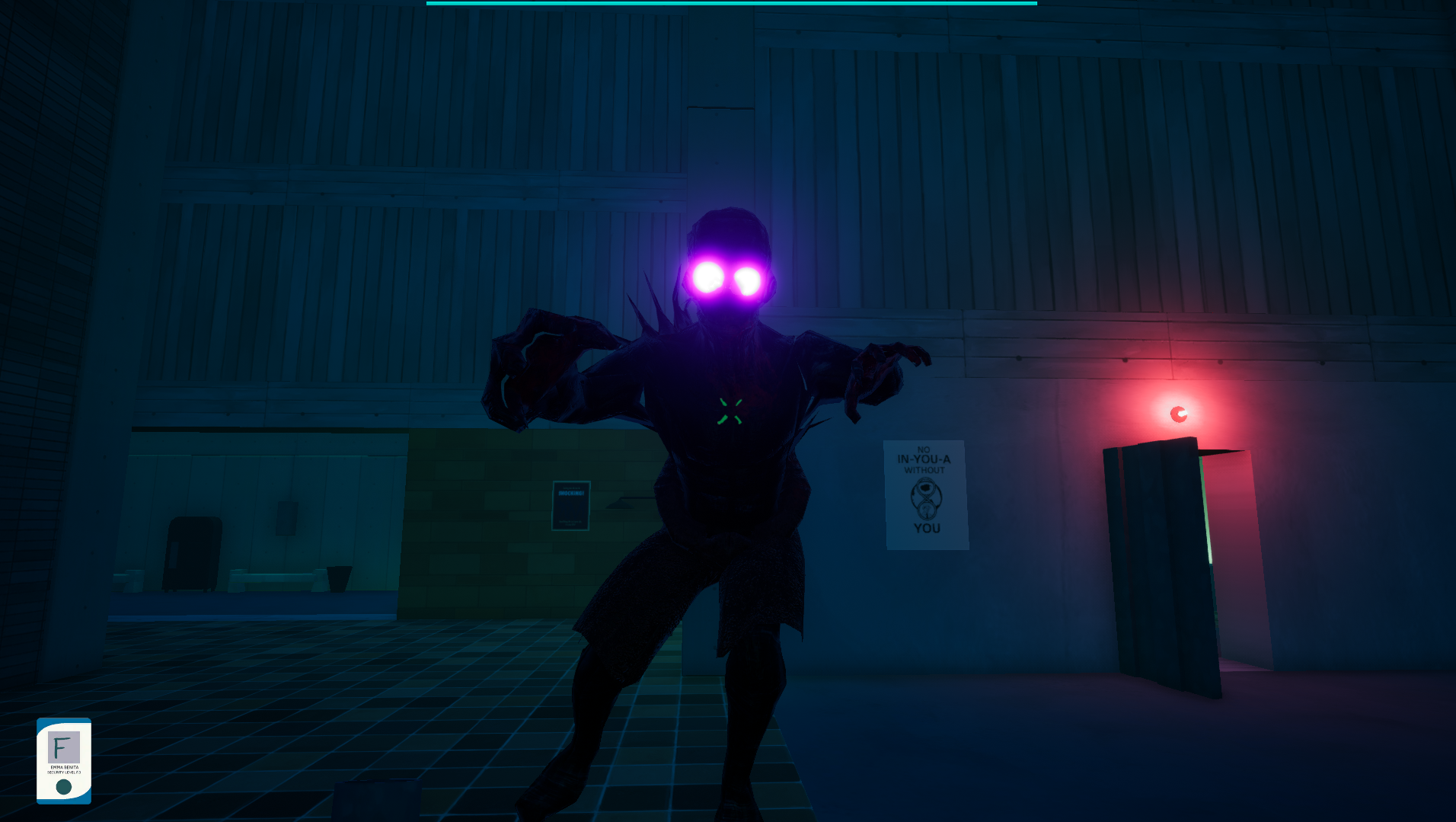
These images are screenshots from Radiant Dark's beta environment. My responsibilities included: environment layouts, lighting the spaces, prop models, and implementing gameplay such as puzzle designs and enemy locations.
This version lacked polish to an extent. The environments were huge, and without version control, only one person could work on the environment, me, making it challenging to address issues with assets coming from other developers.
level sketches part one
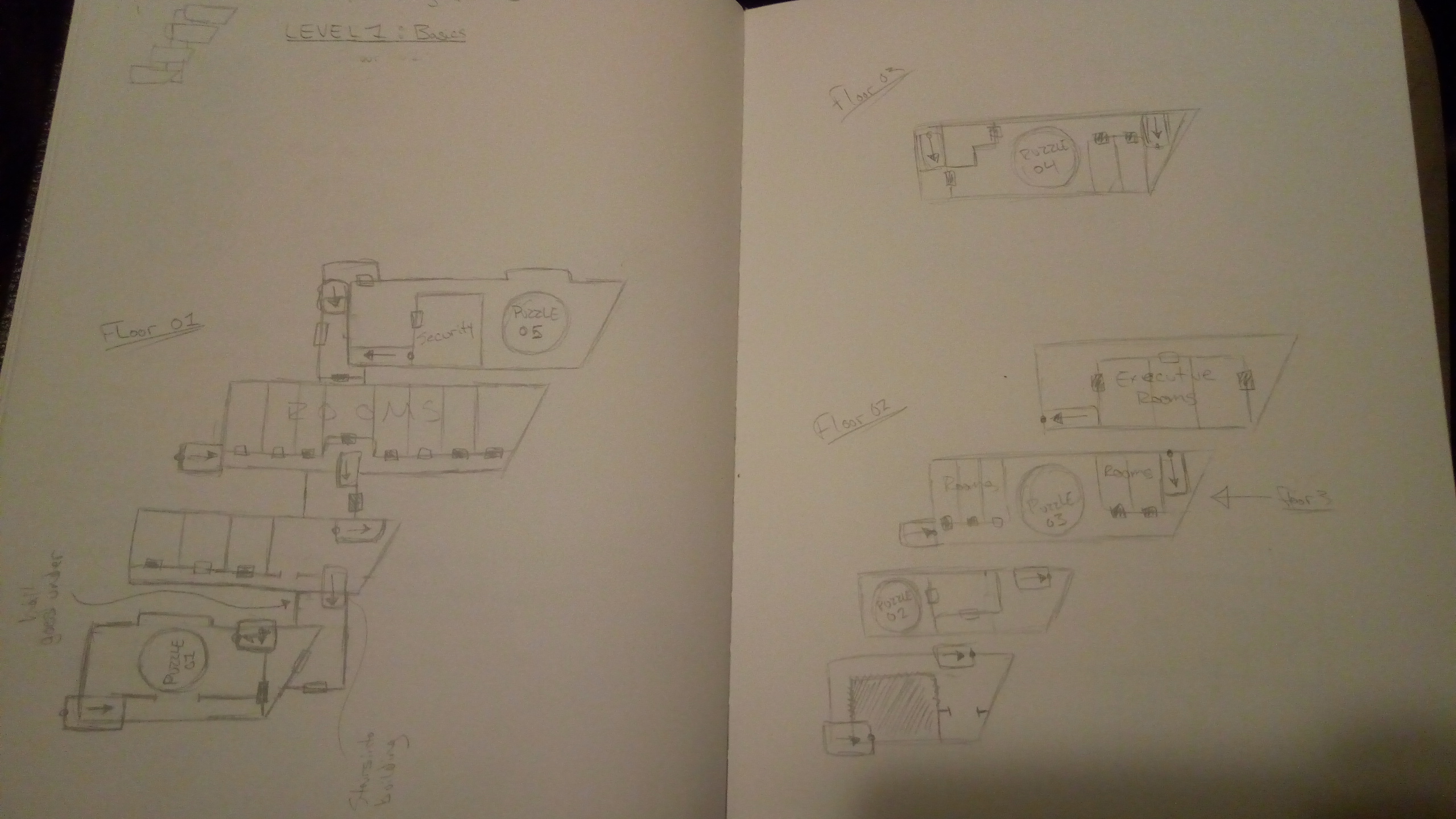
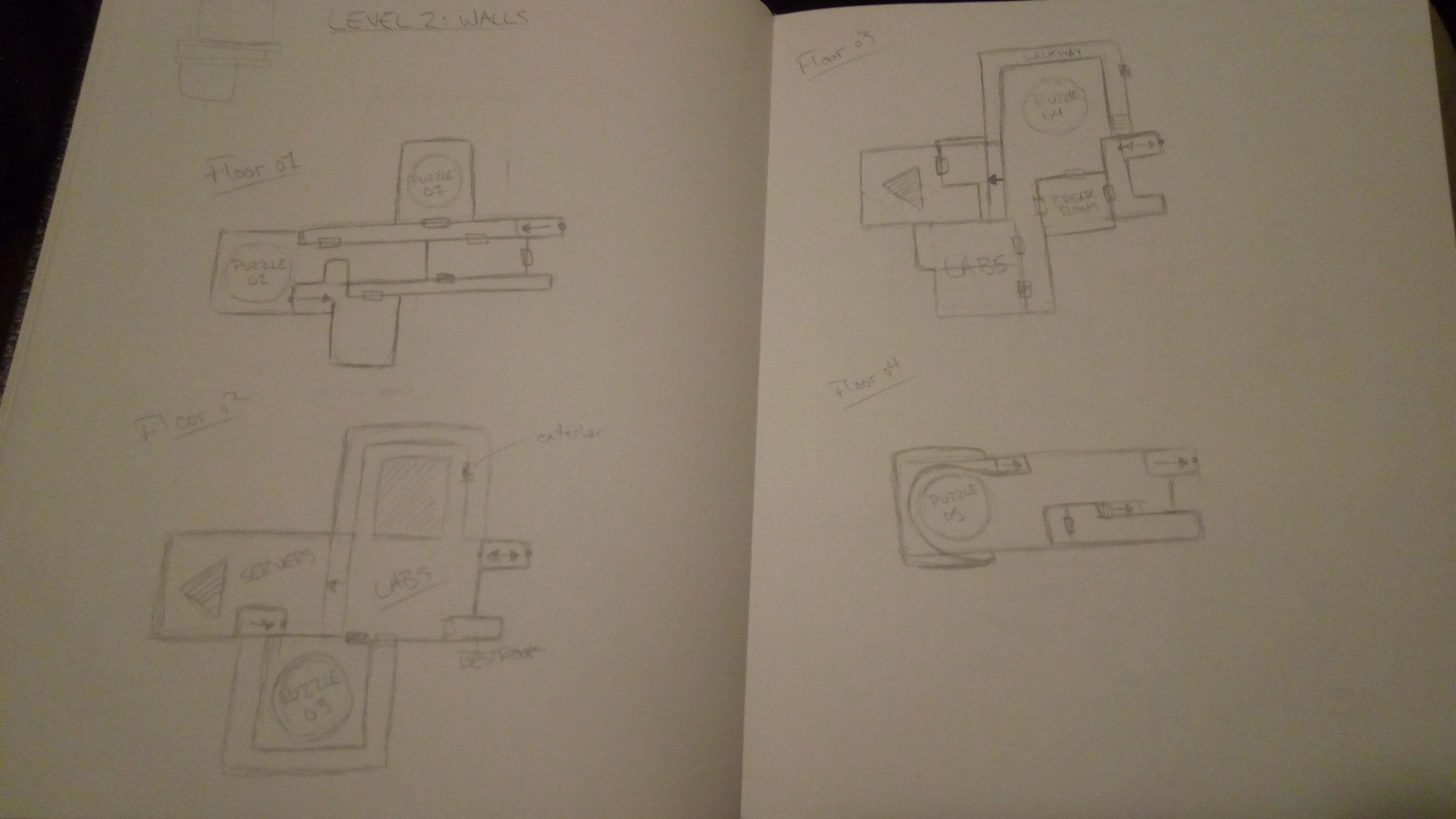
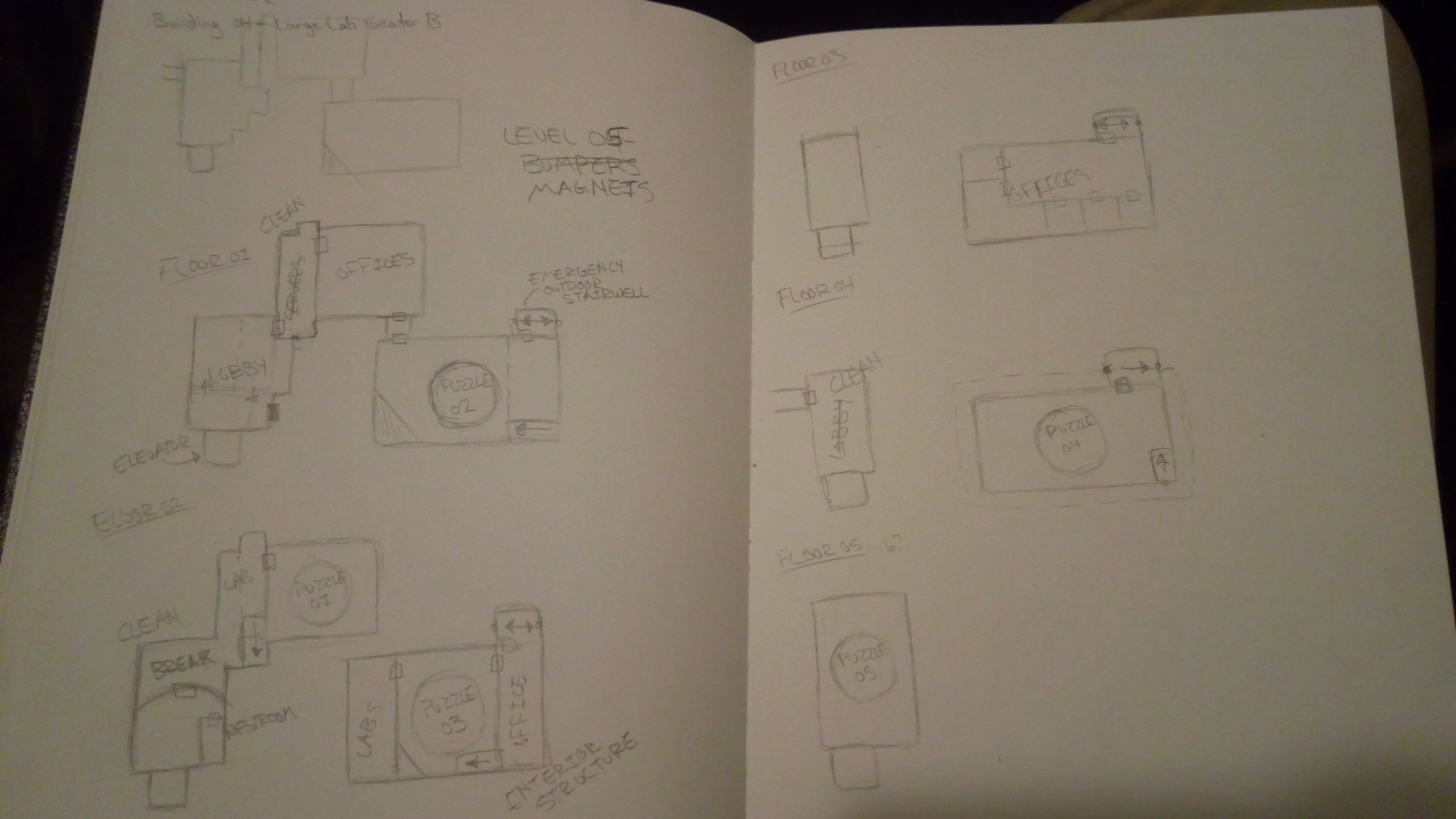
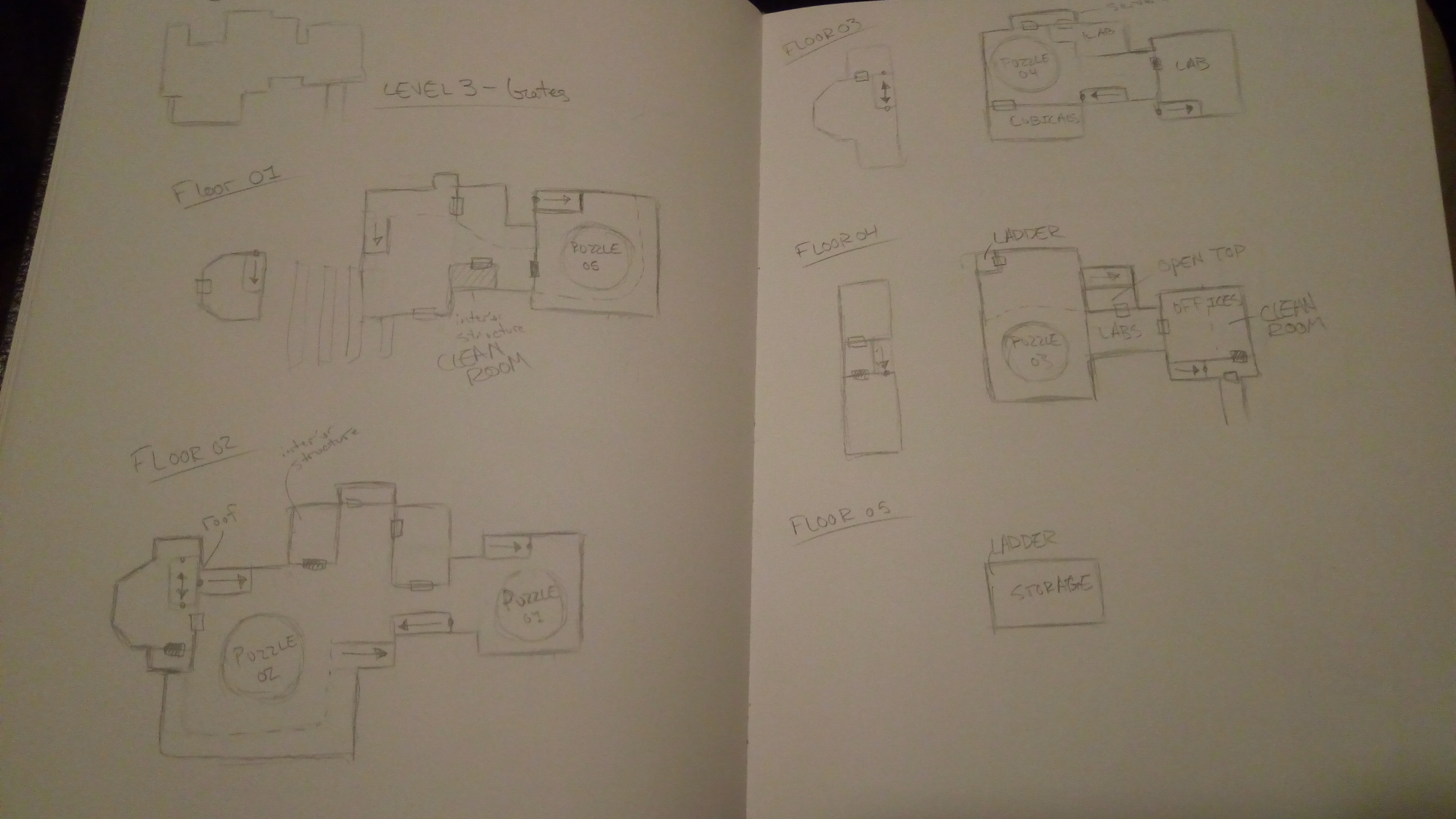
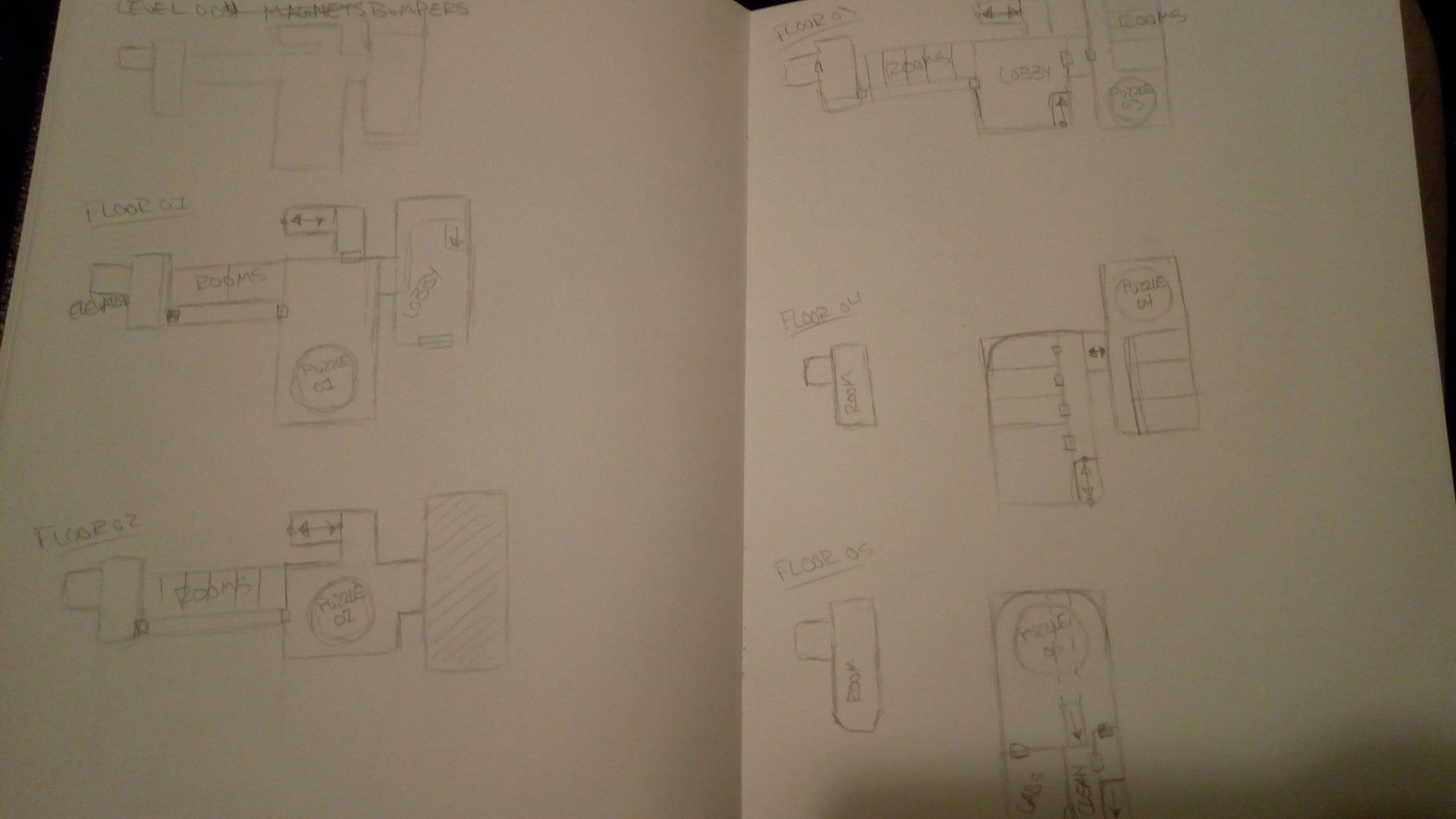
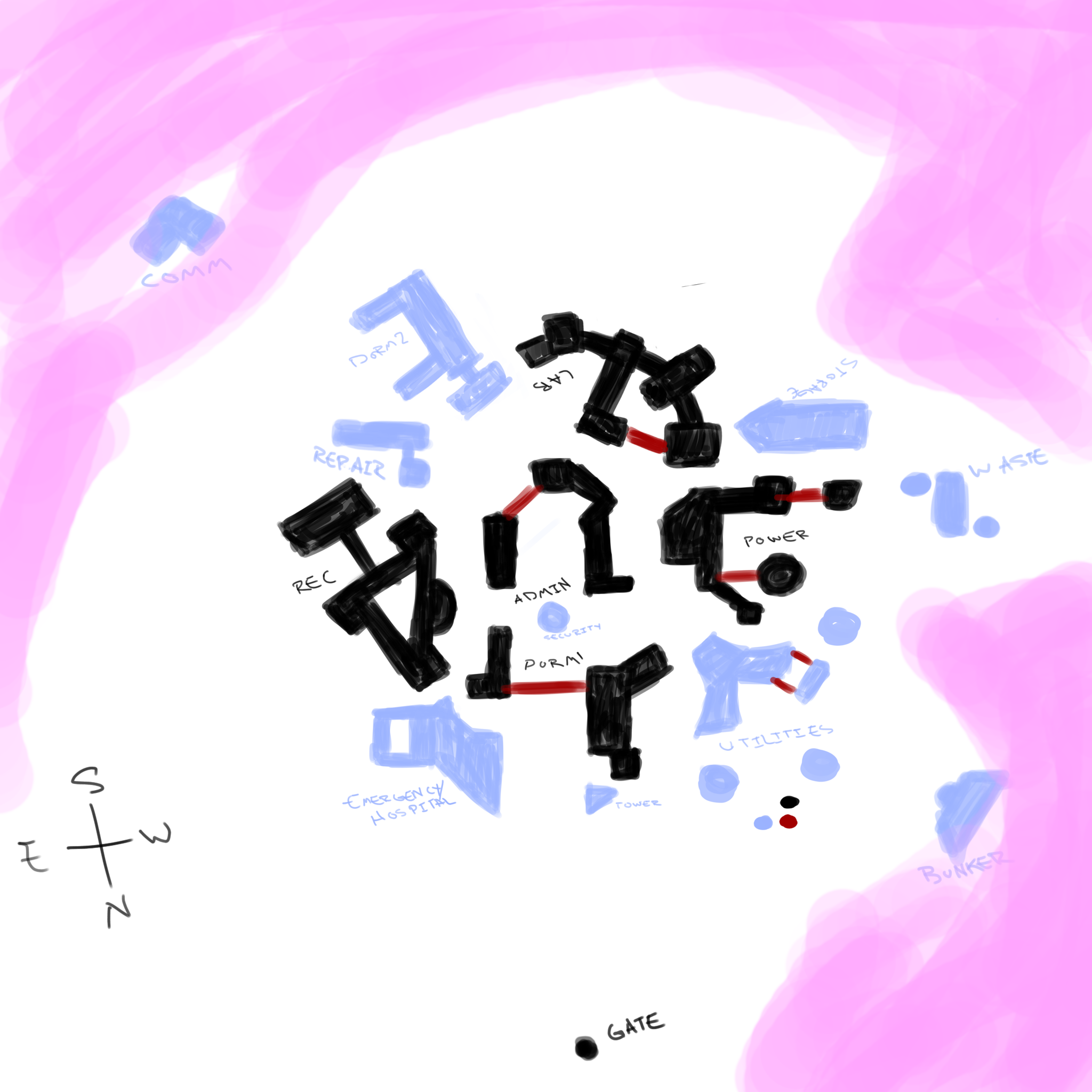
The original plan for RD's world architecture was to have each puzzle mechanic taught to players within their own building and players would travel between the buildings to progress through gaining knowledge before attempting a final puzzle which was always accessible to them, they would just be unable to solve it without gaining knowledge via exploration.
In the first few playtest sessions, we found that players like this sectioned approach in theory, but there was too much downtime between puzzles and the enemies weren't threatening enough to make traversal interesting or excited, so the world was cut into one massive facility as you'll see below.
original level blockout
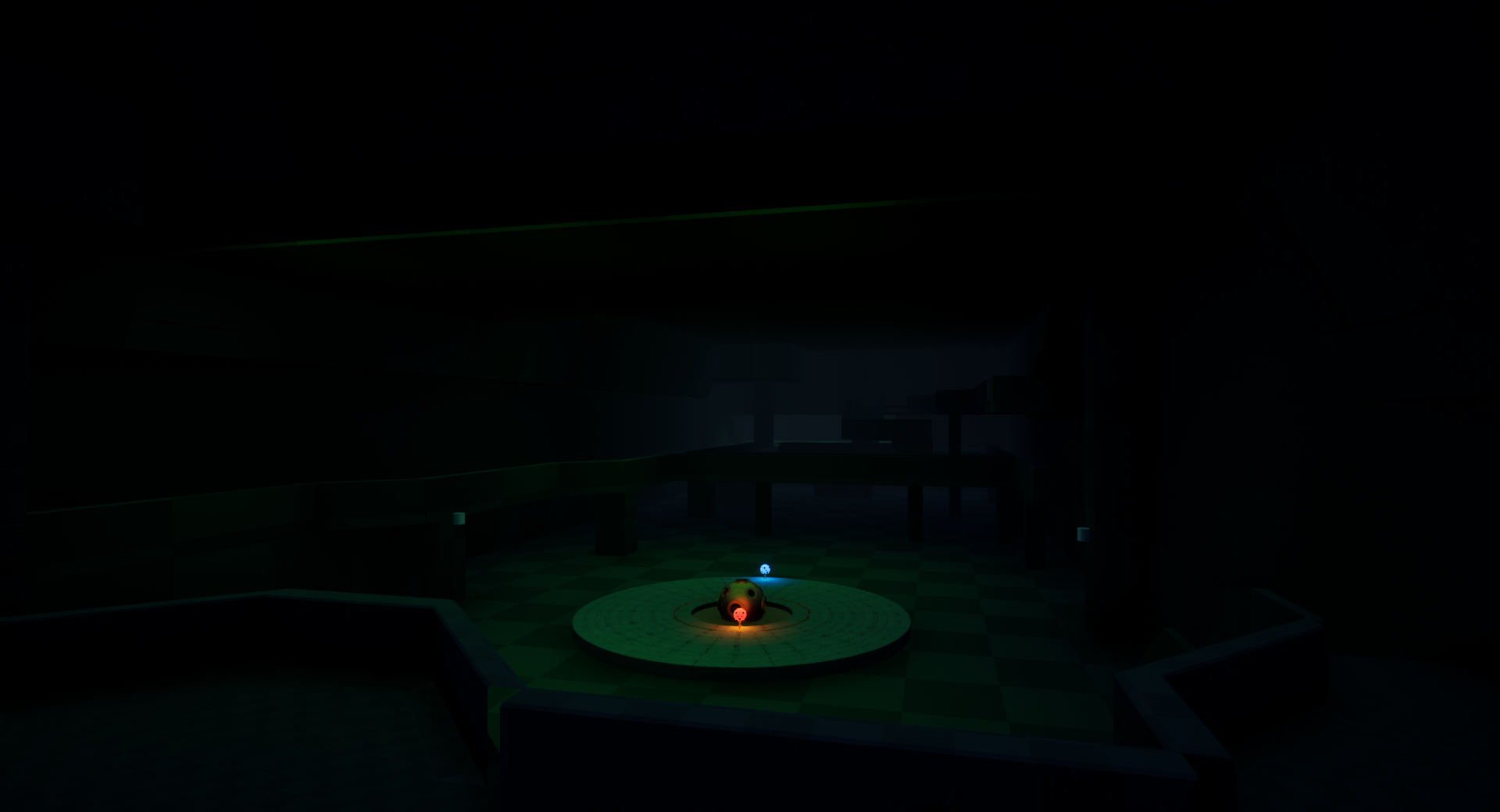
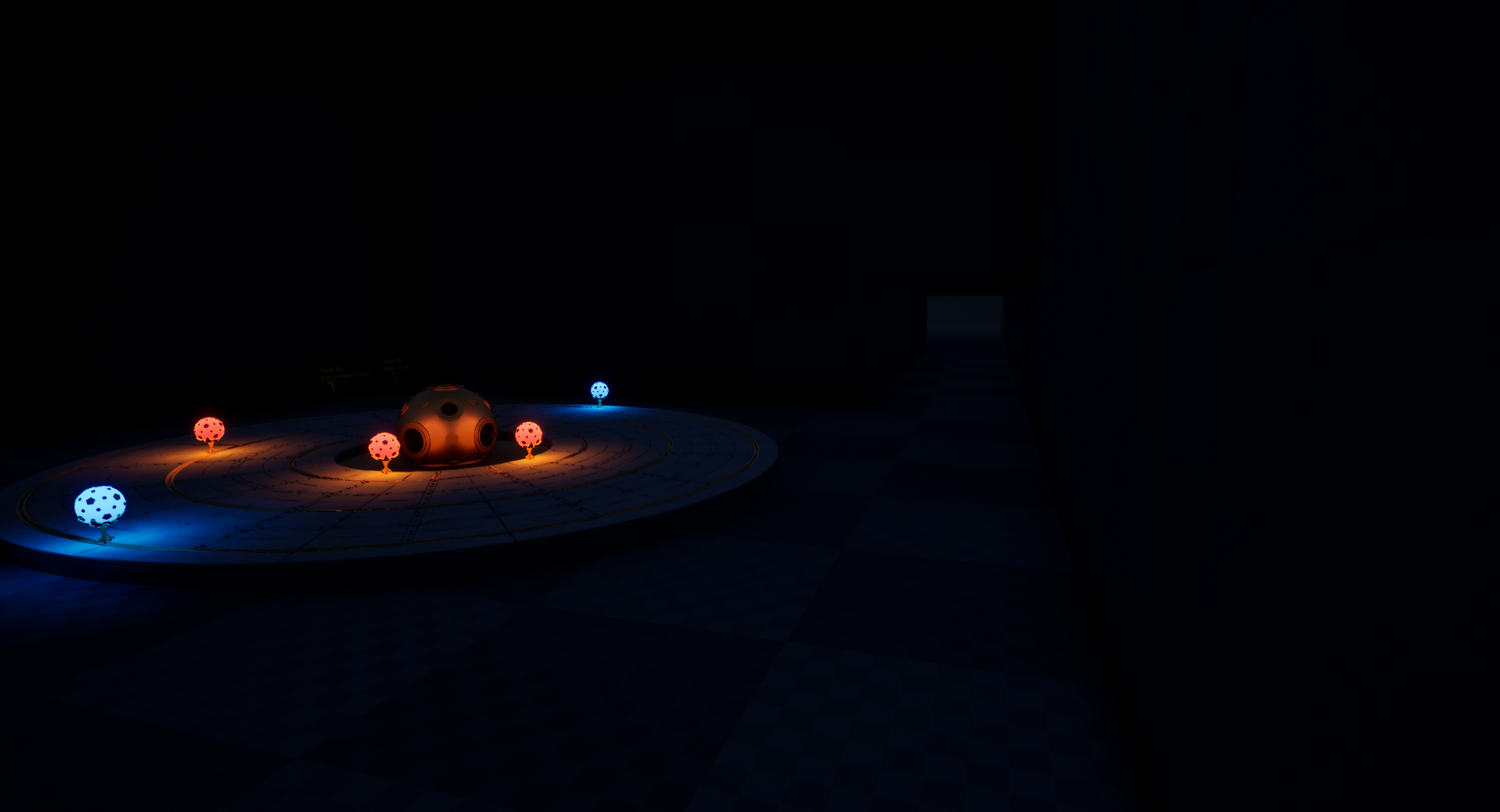
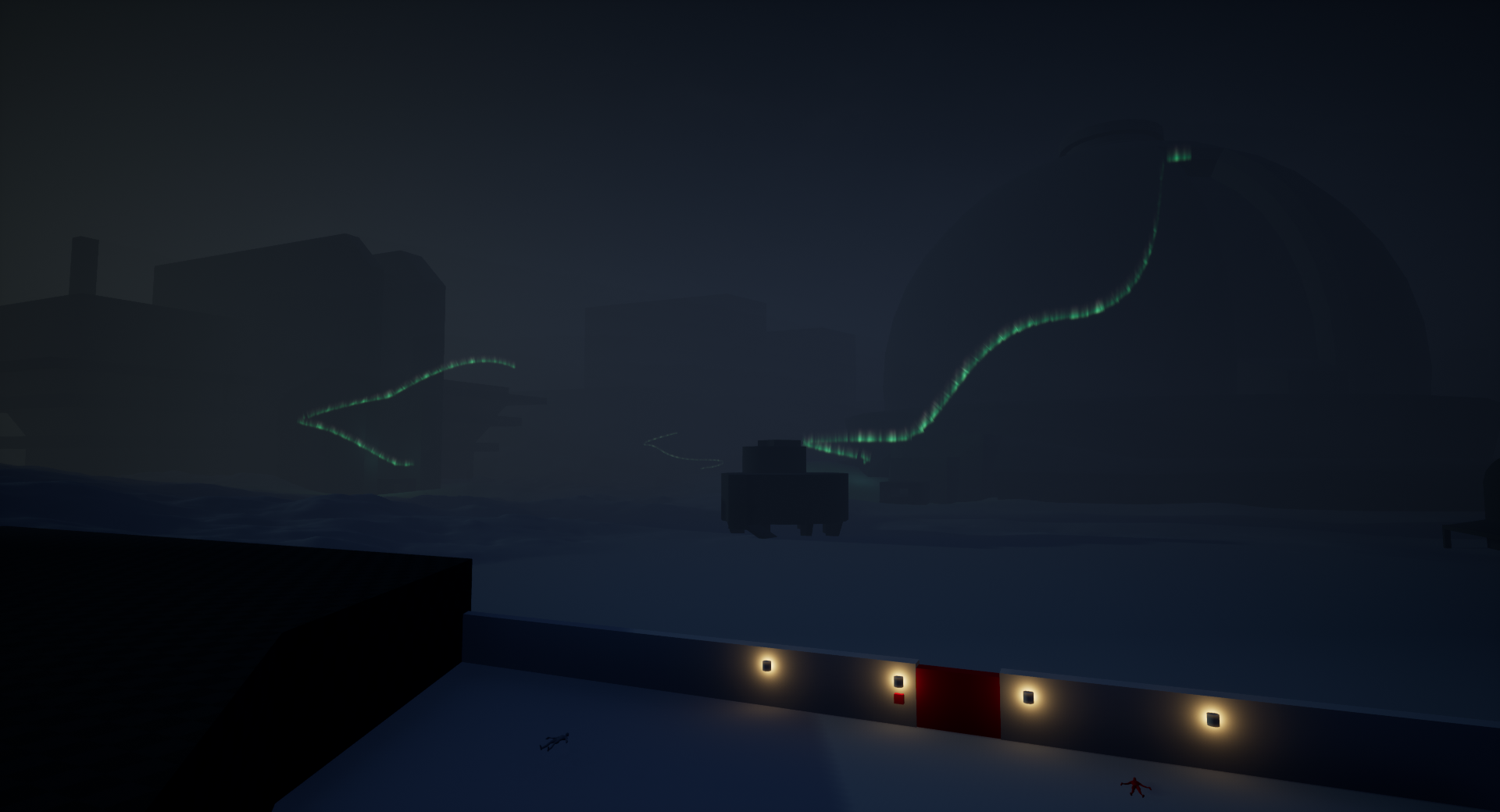
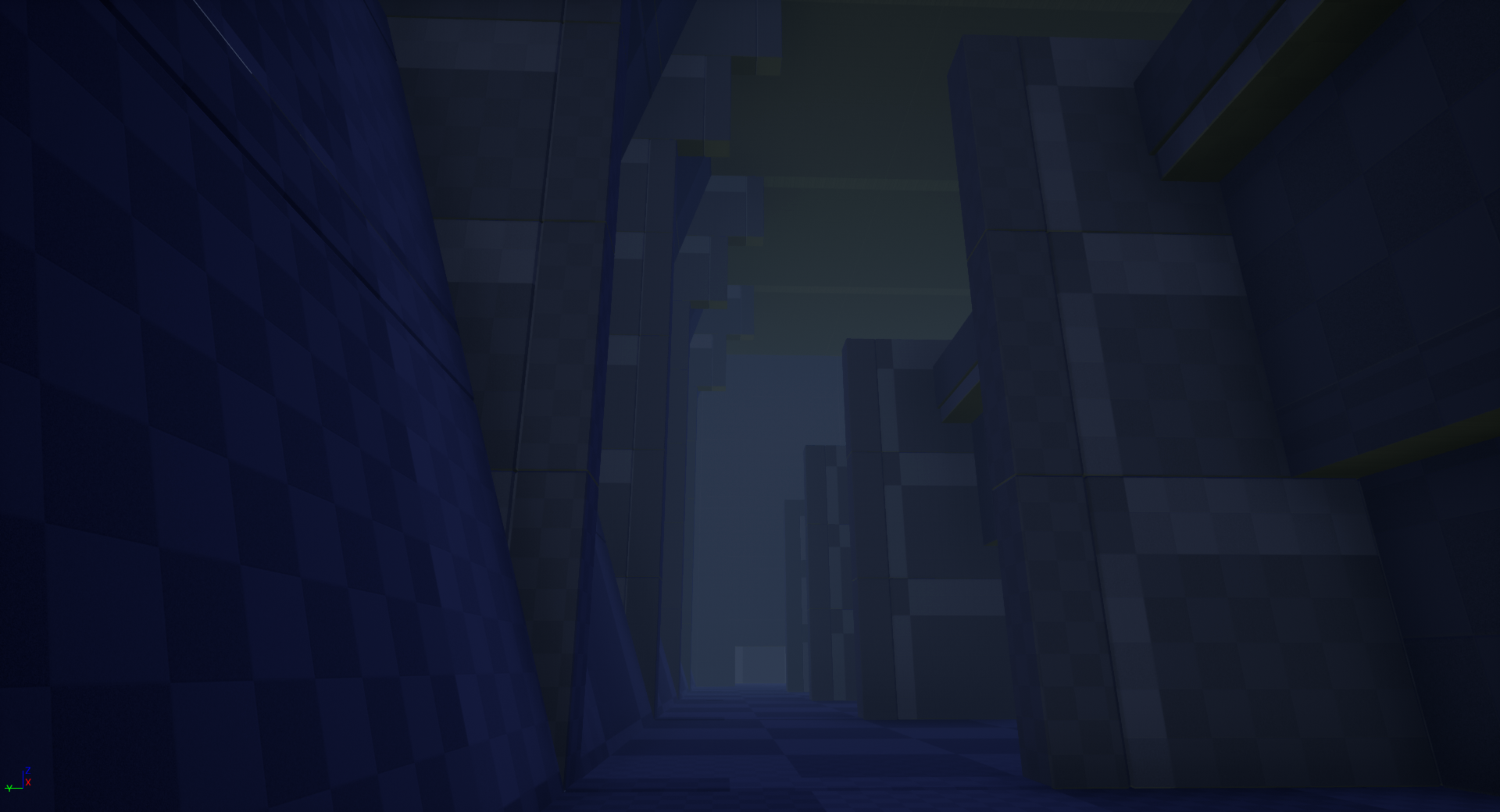
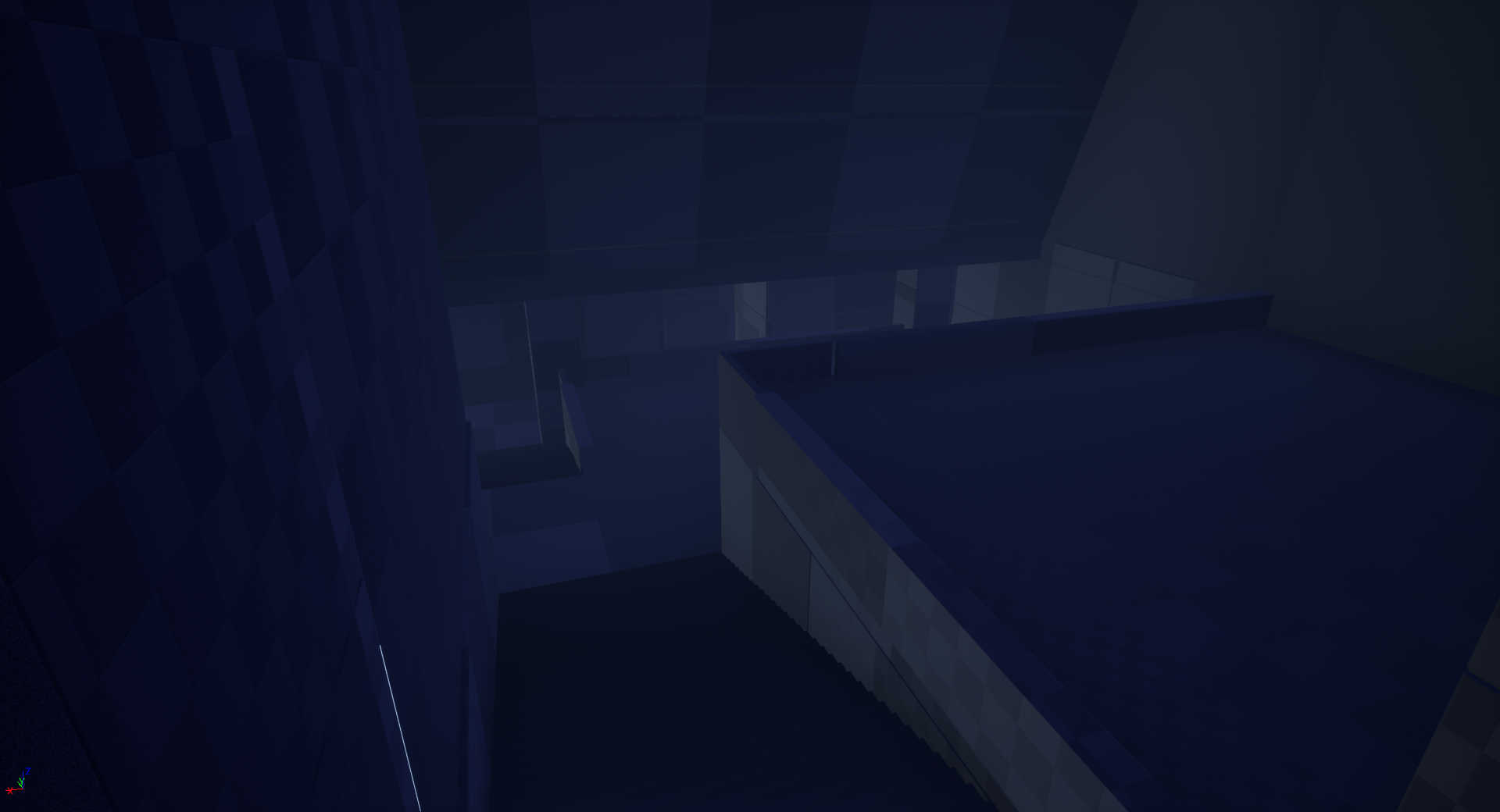
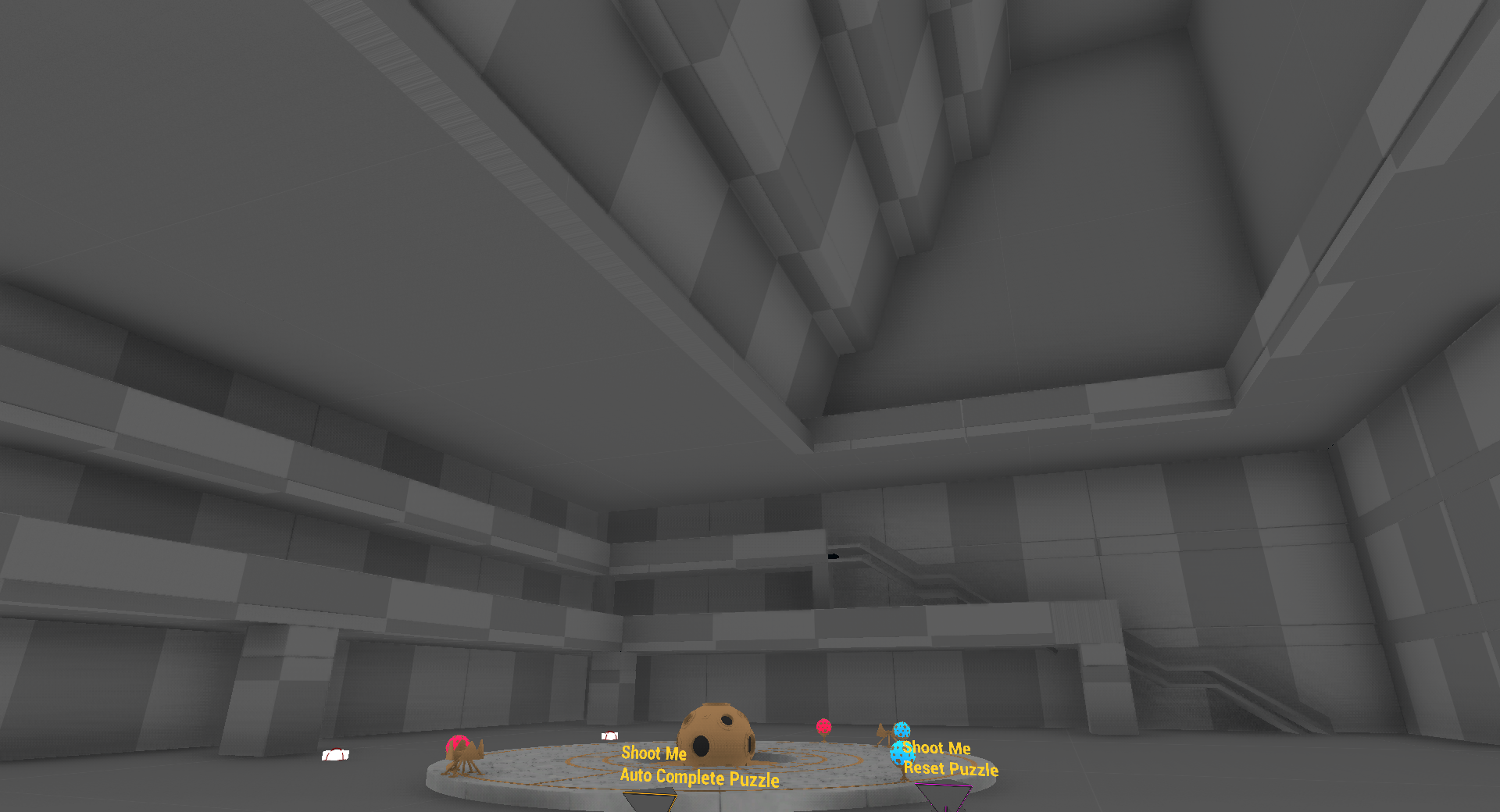
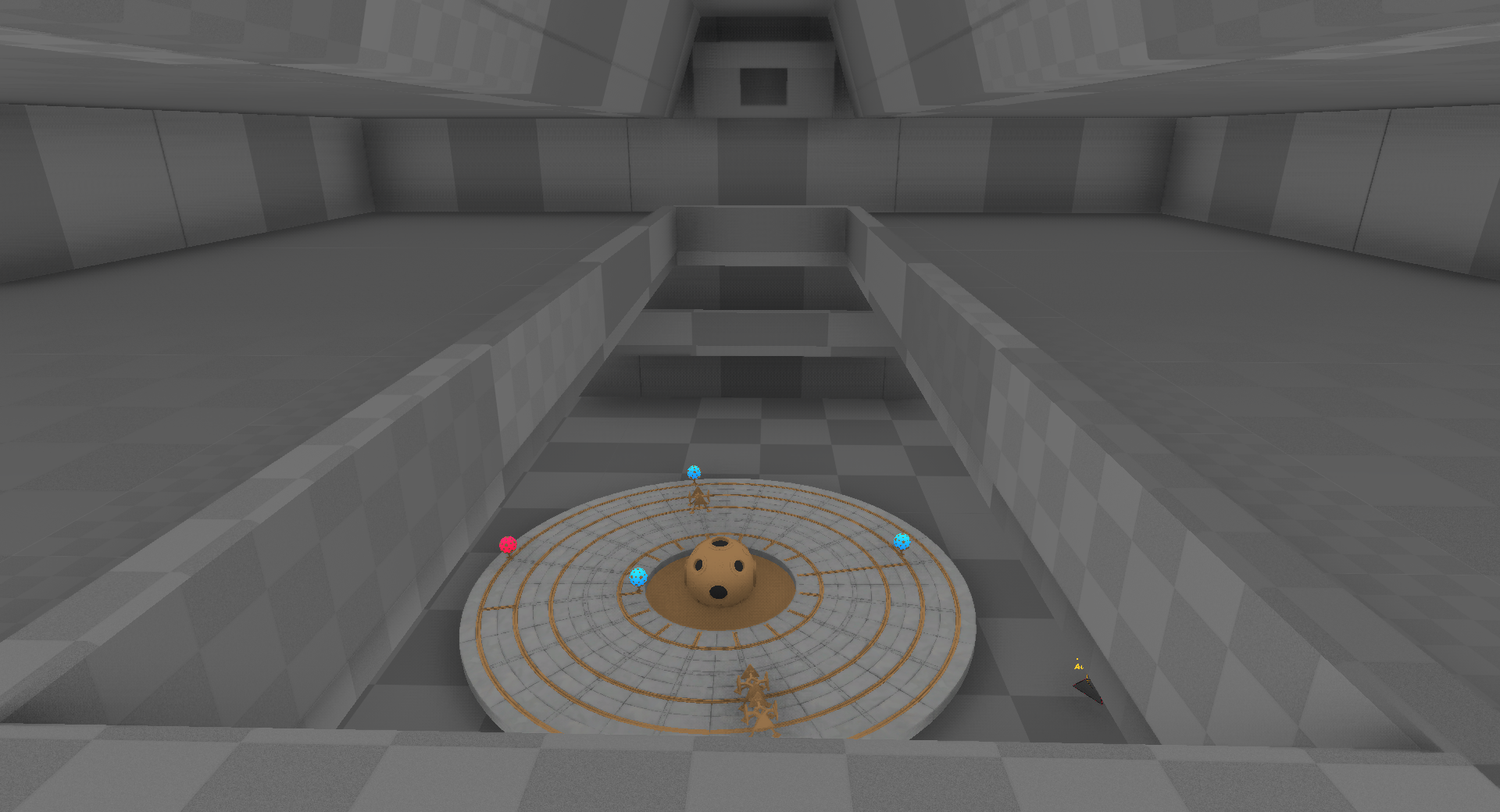
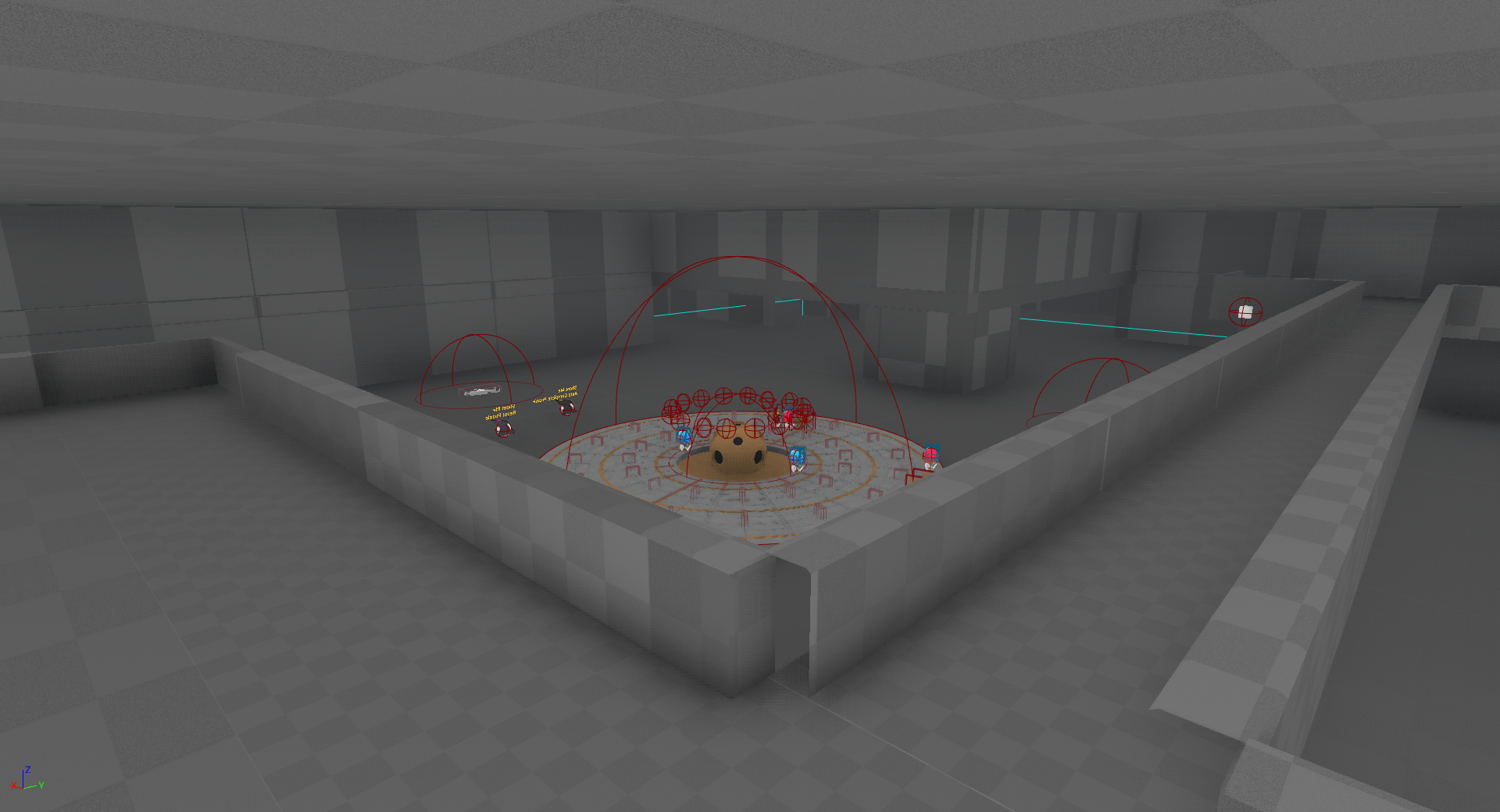
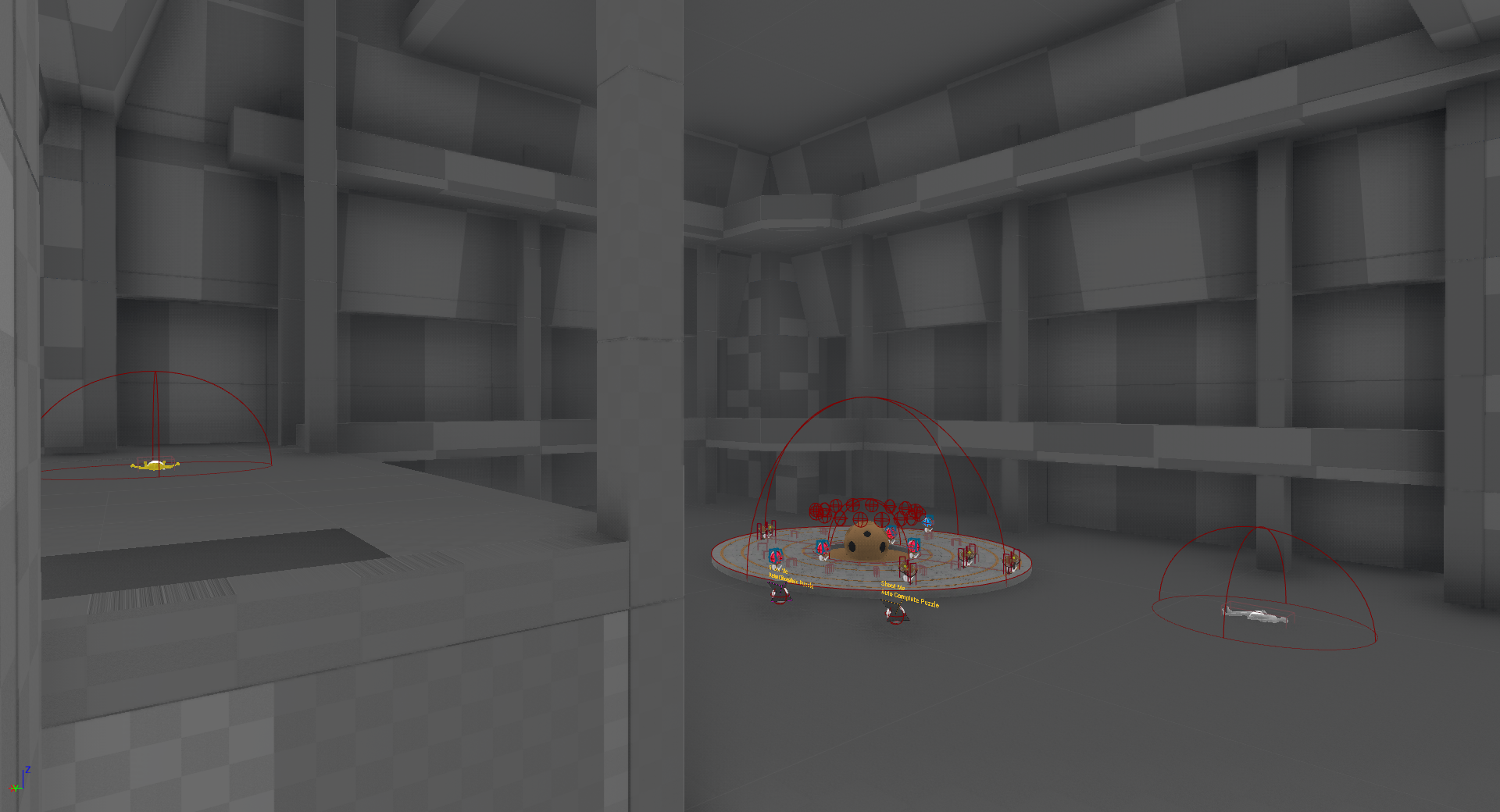
Before we canned the separate labs world plan, I blocked out each lab; these blockouts are above. Note that the absurd scale remained through the entire project as a key part of the art direction.
Each structure was designed to have a very different layout and atmosphere from the others; this lent each laboratory a unique feel and you could always tell one from the others in screenshots.
level sketches part two
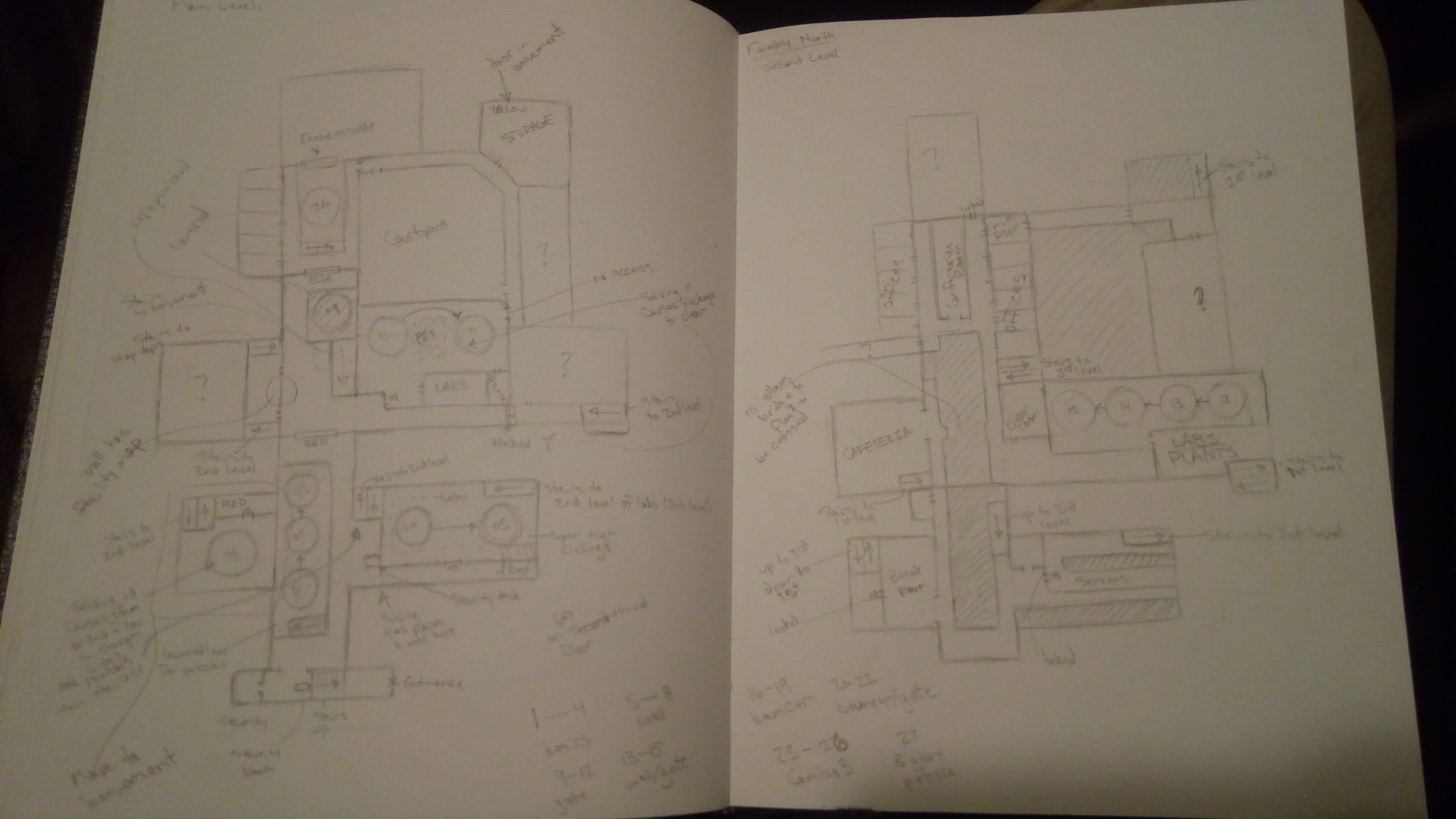
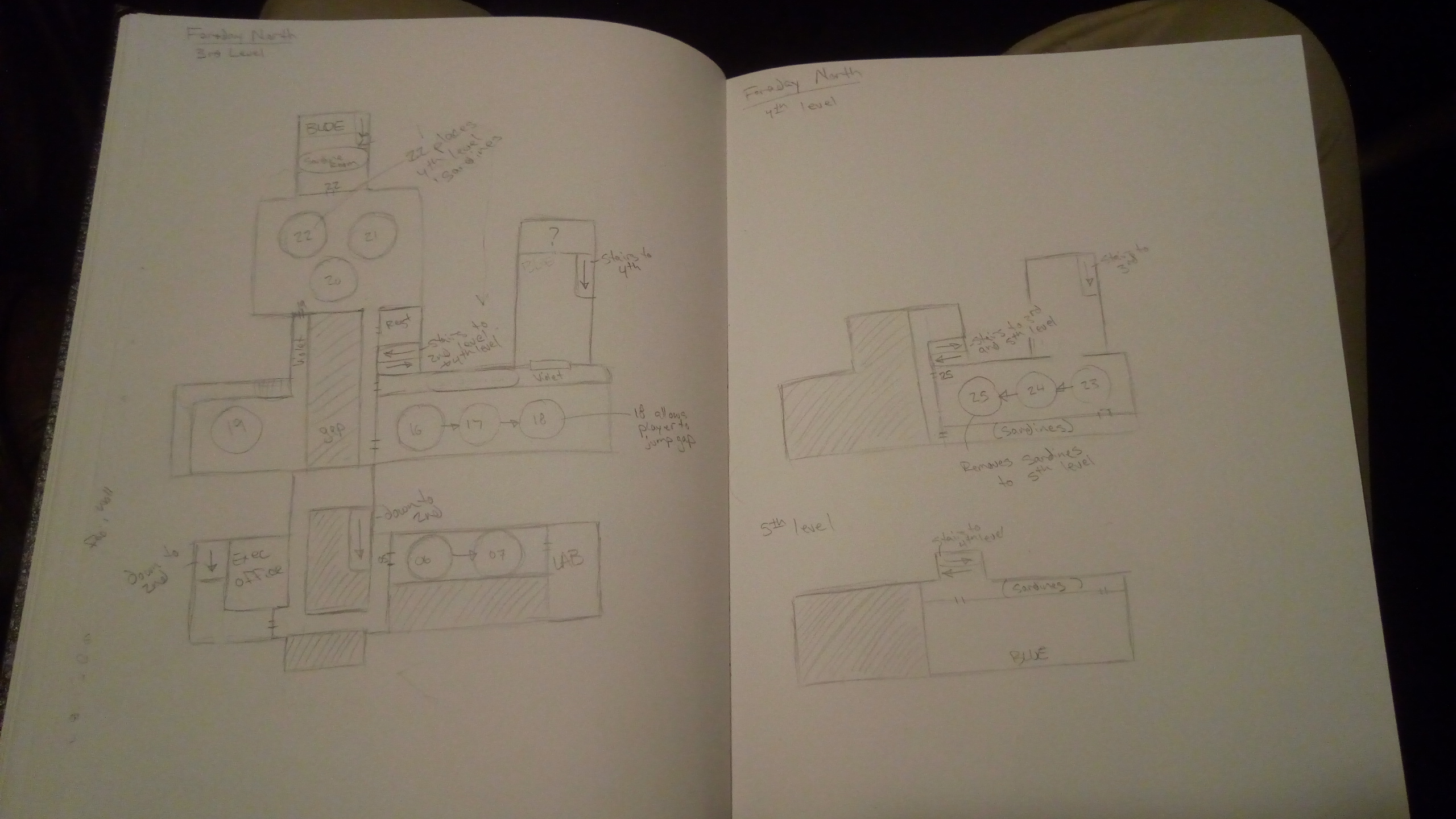
With the architecture scale-down, we brought all of the puzzles into one building, but kept the absurd scale of the structure. Puzzles now progressed linearly, so players didn't choose which set to take on at any time. This gave us more control over the way difficulty would scale and caused a redesign of every puzzle. For example: the puzzle that introduced gates was now guaranteed to occur after the introduction of walls, so walls, and their rules, could now be incorporated into gate puzzles.
This design had some interestimg implications. Players had less time to proccess the puzzles and, without the separate segments for mechanics, new pieces were introduced to the puzzle at unexpected times, which some players didn't like.
Many players felt lost in the large facility as opposed to several smaller structures. Over the following weeks, the scale was significantly cut by removing extra rooms, hallways, areas purely set for exploration, and scaling the larger spaces down. Changes were made also that helped players to navigate such as sections color coded to keycards, emergency doors and lights which activated after a puzzle set was completed, and arrows which pointed to the next puzzle to ensure players knew the direction forward.
puzzle screenshots
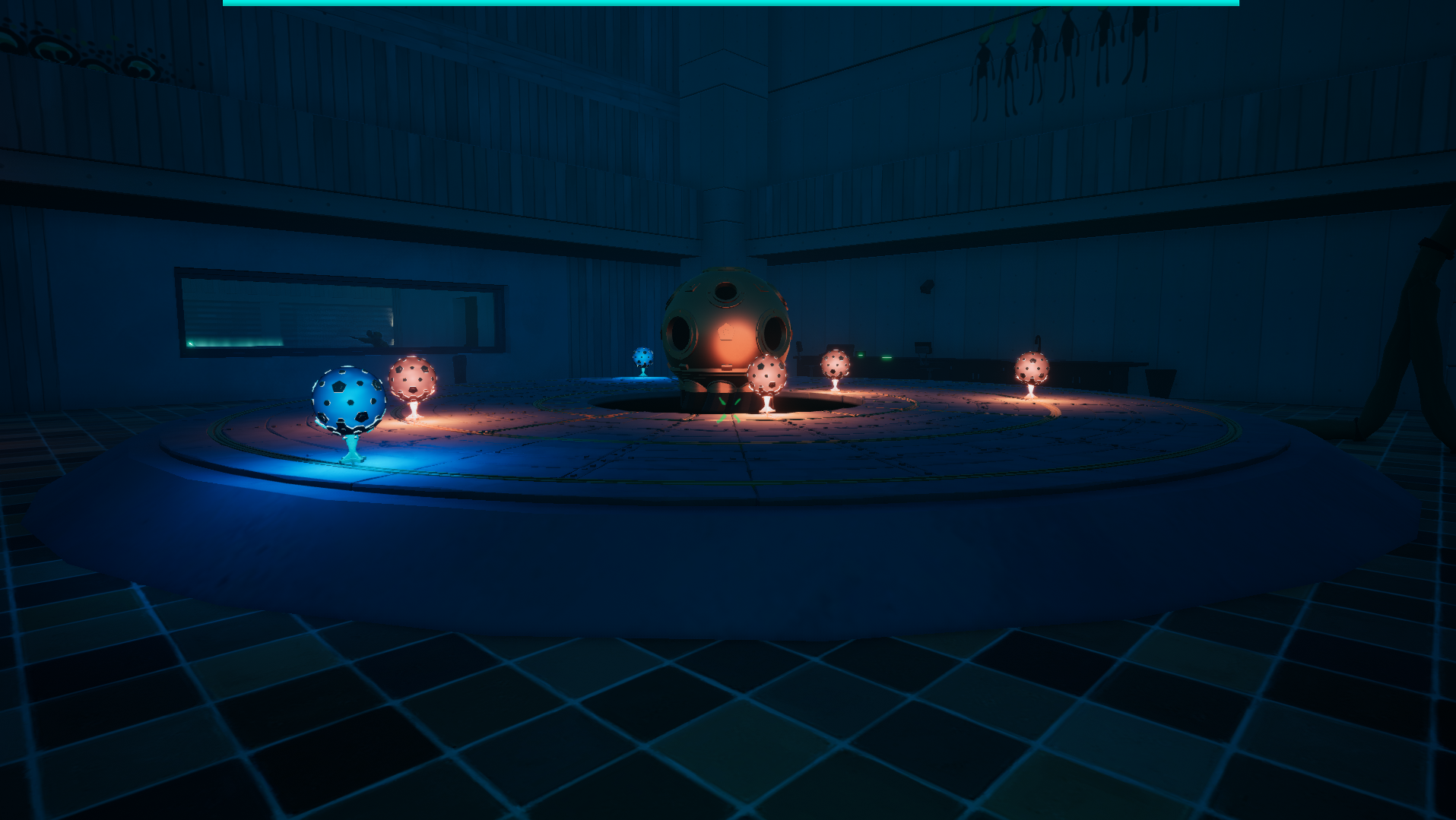
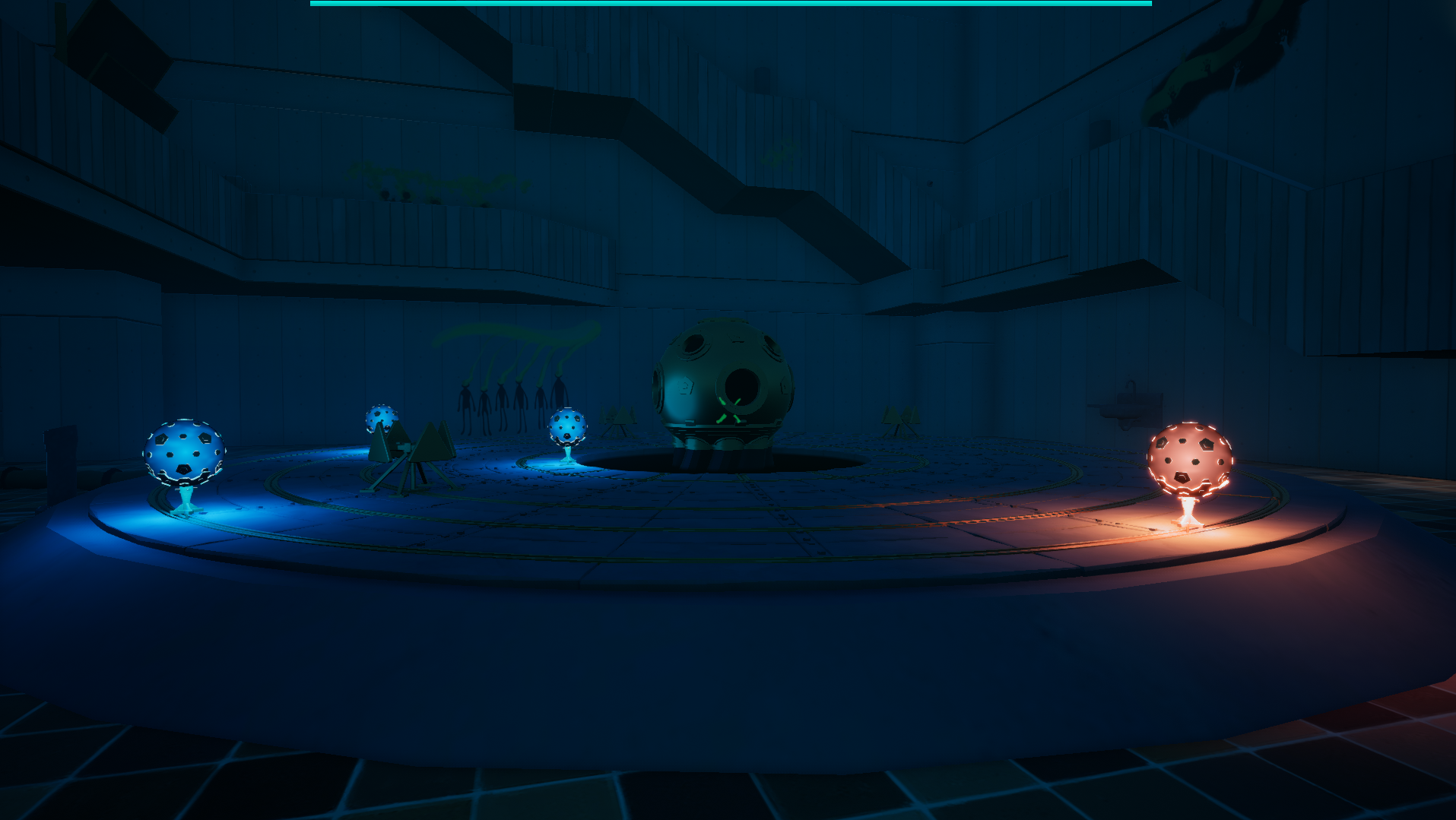
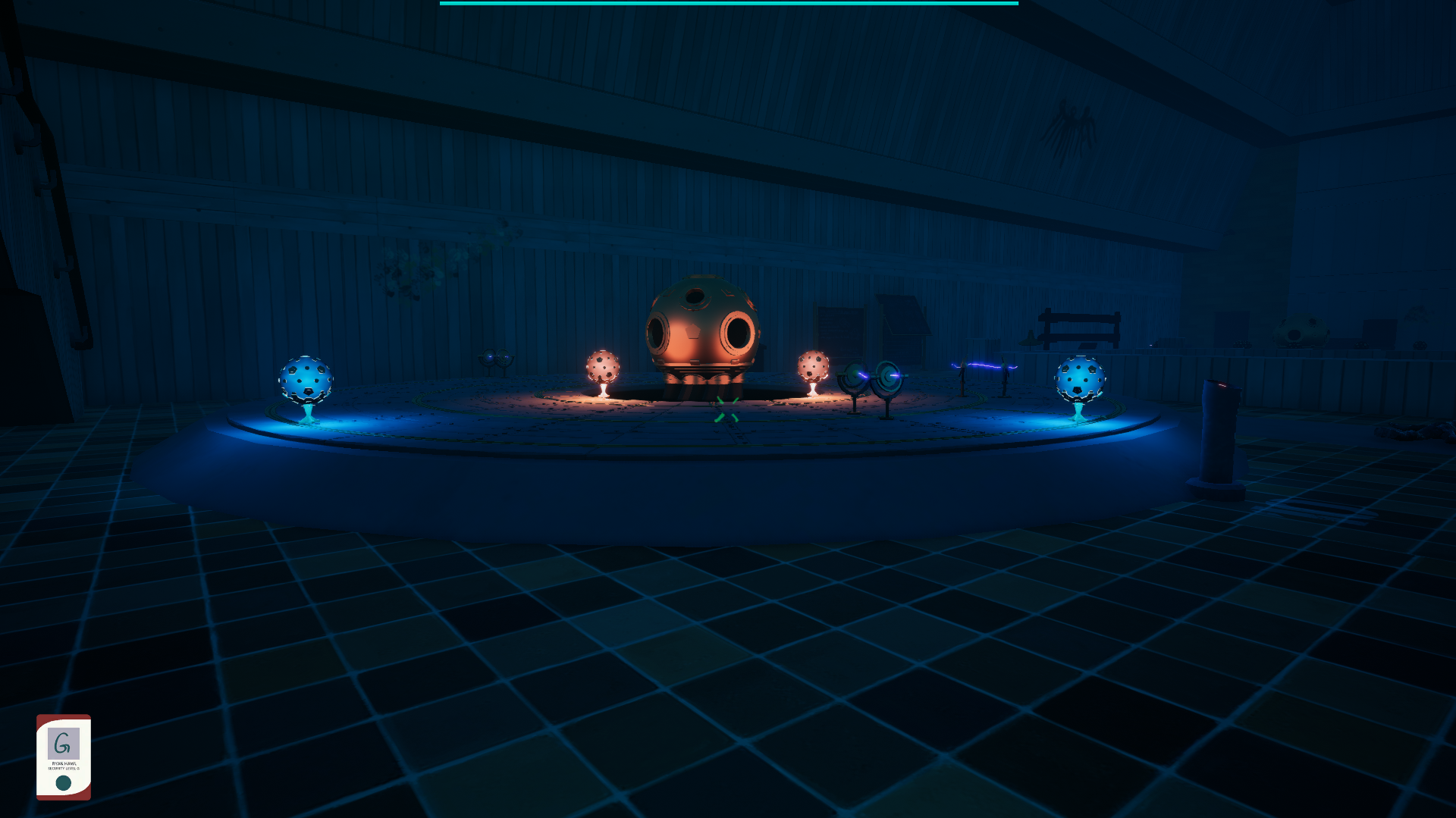
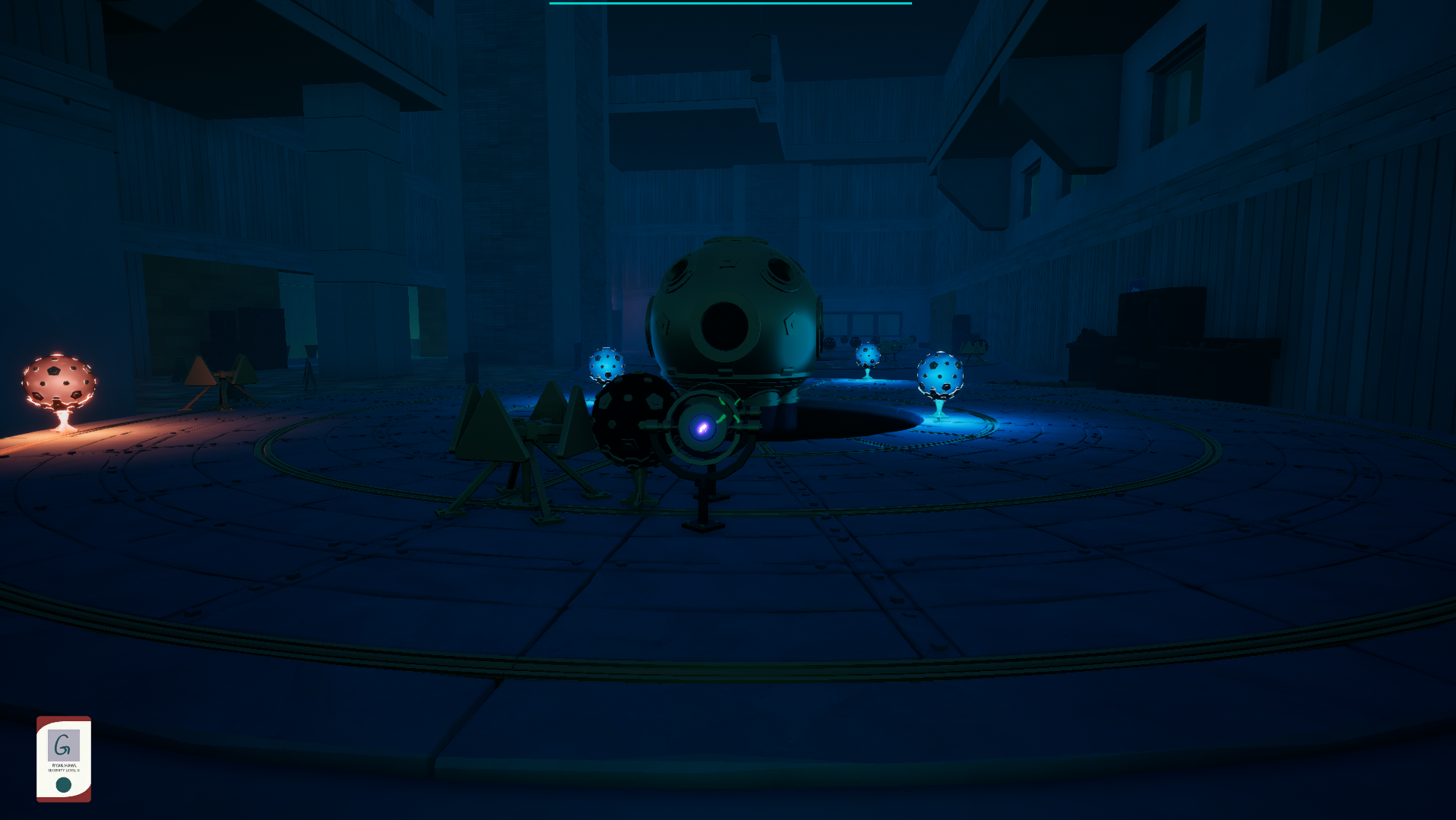
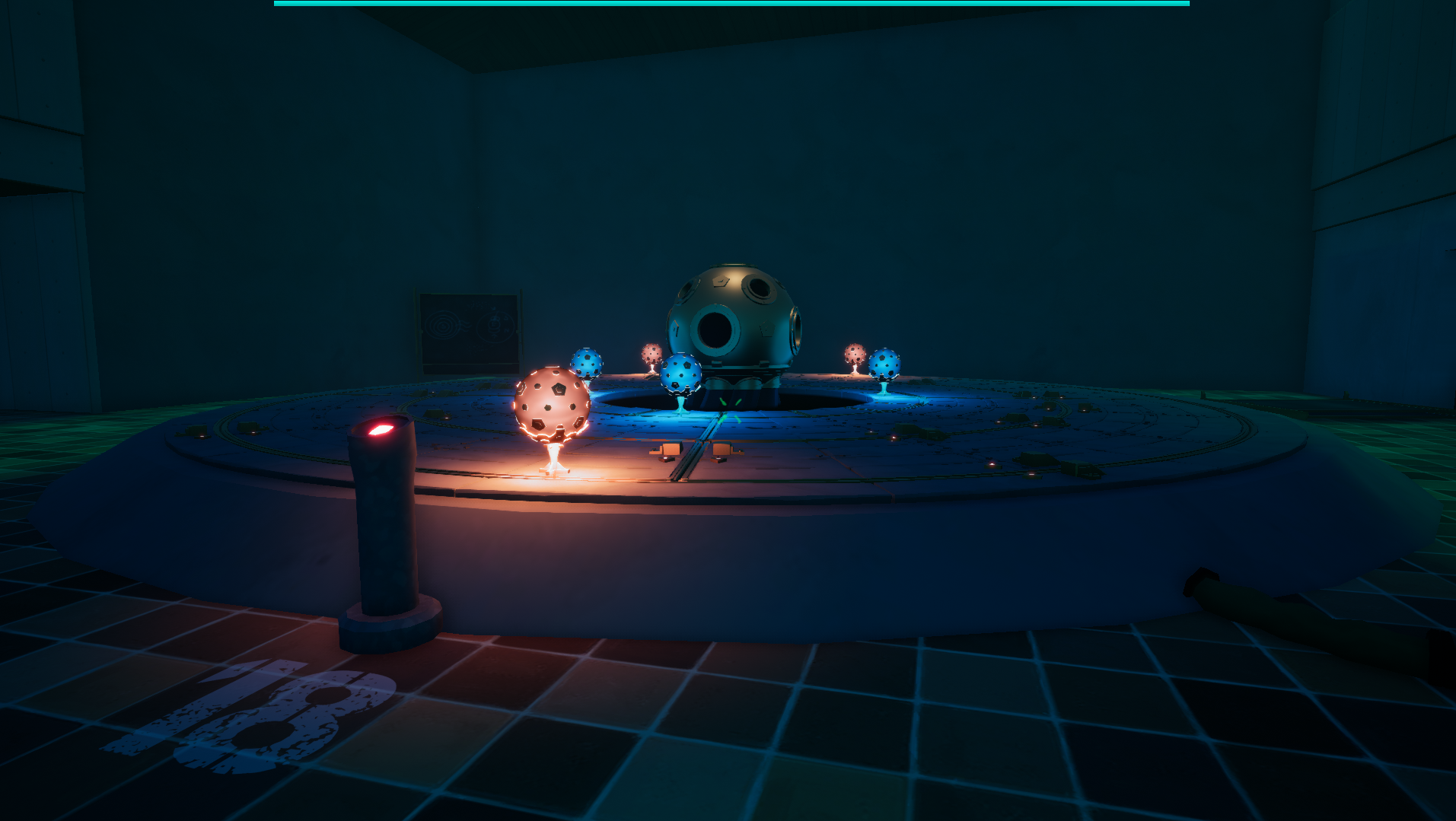
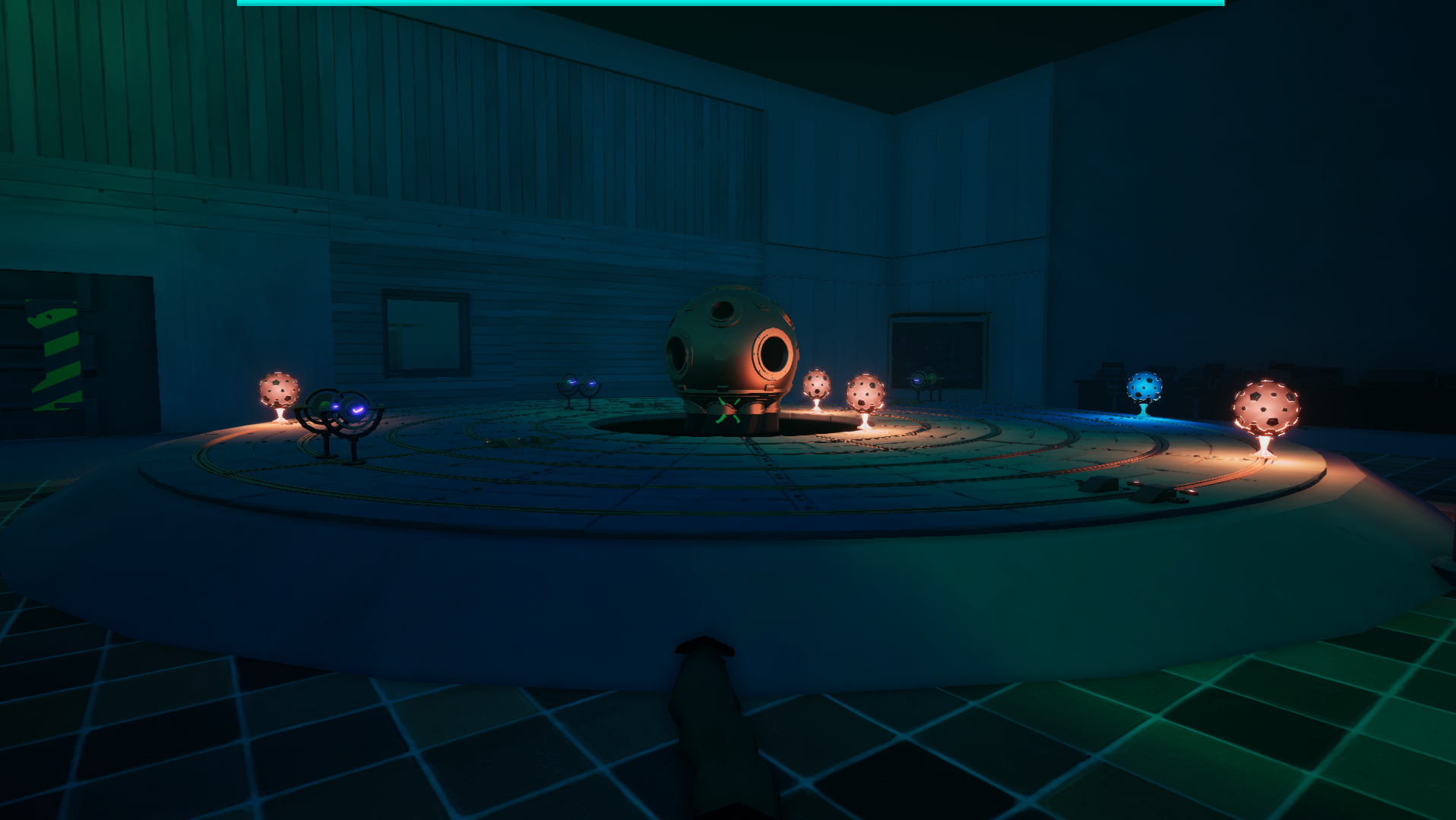
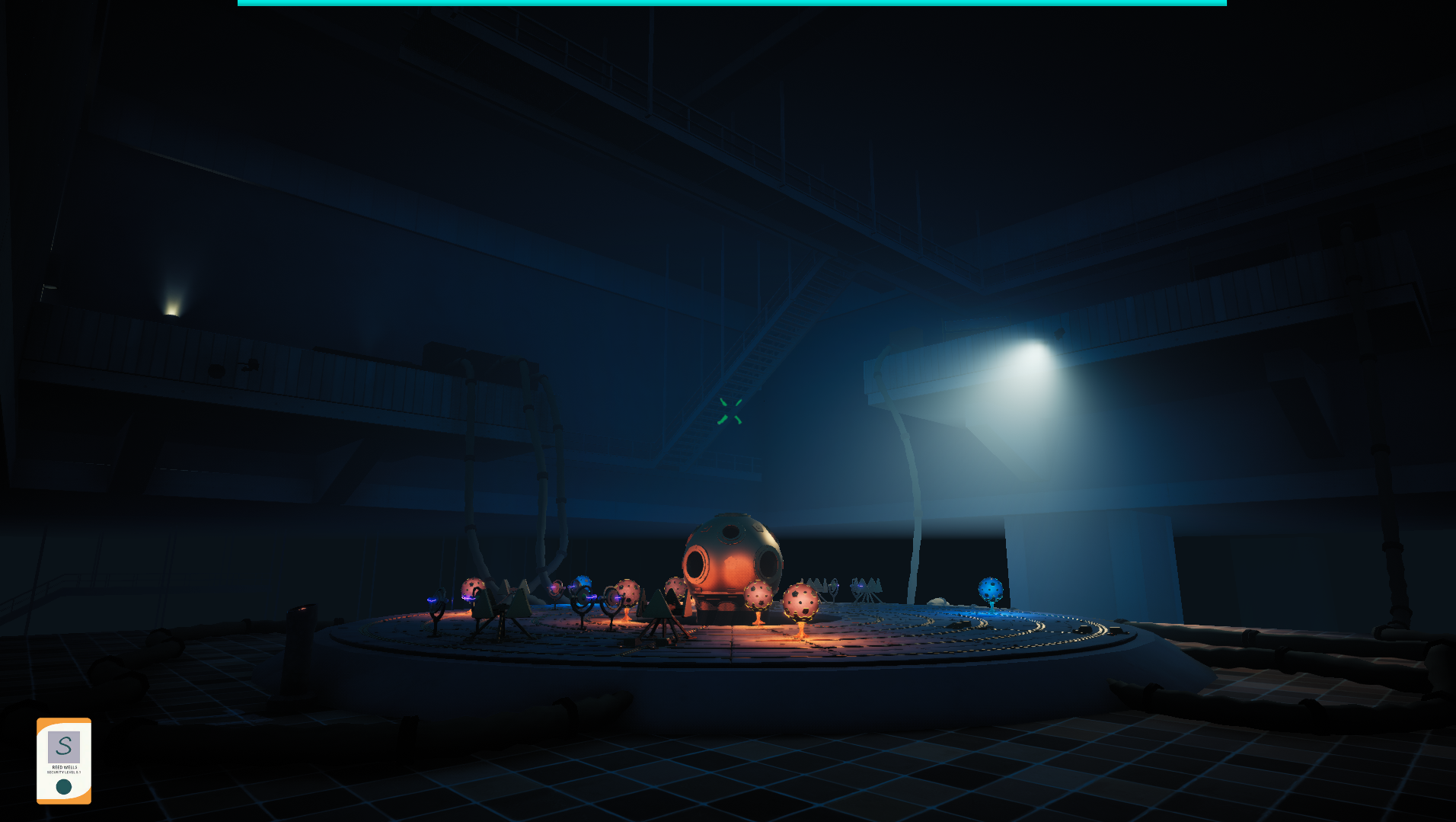
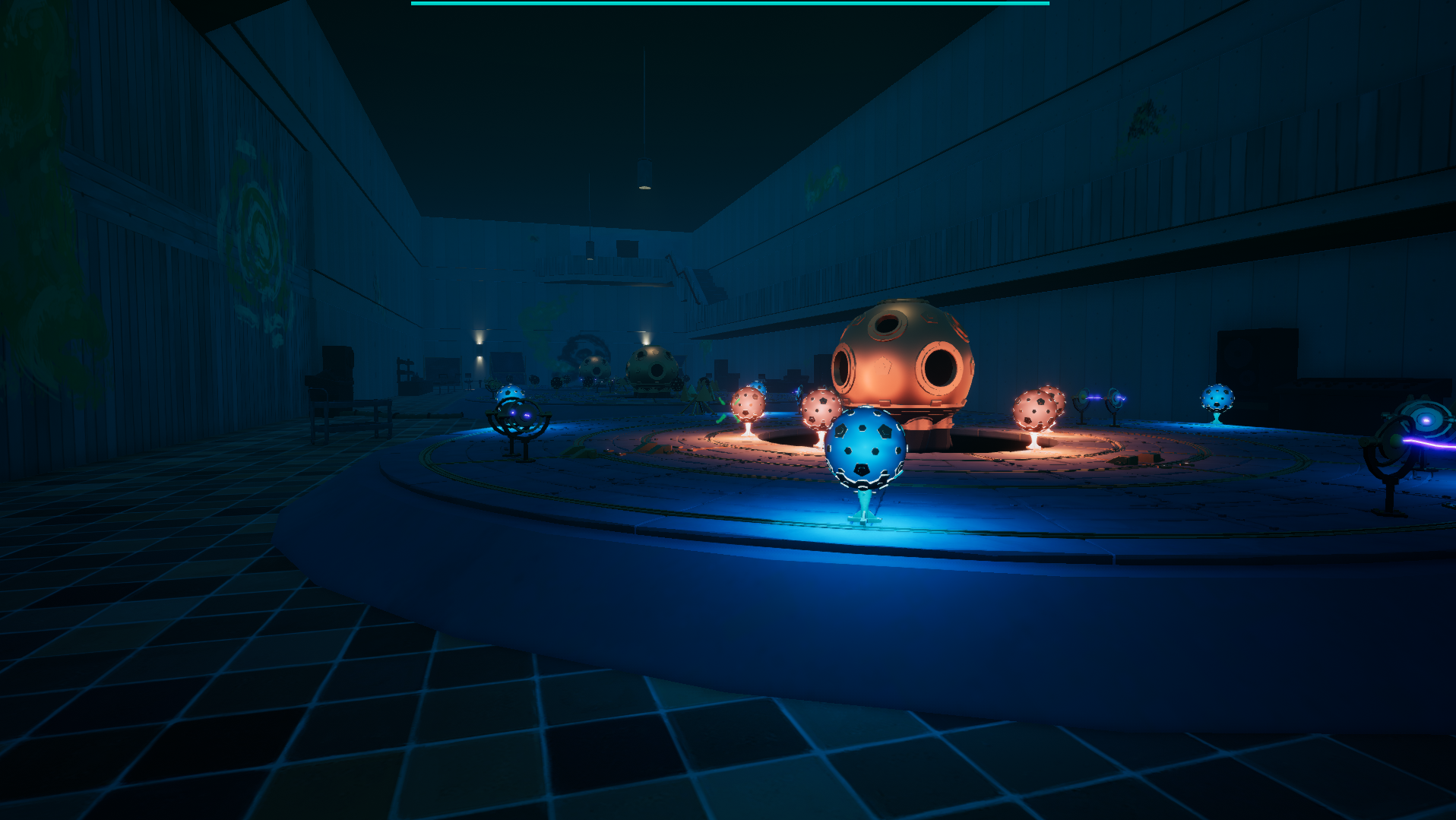
I adore the RD puzzles. They are satisfying to solve, fun to move, and have a striking appearance. Since they made up a bulk of the RD experience, it was paramount the puzzles be engaging, and I think the team nailed it. While I designed the puzzles, Chris Schickler engineered them and Eli Gershenfeld created their artwork.
puzzle concept
We adapted the puzzle design philosophy from Jonathan Blow. We wanted players to know when they've encountered a puzzle, know precisely what must happen to solve it, and think about the solution. Once players knew the answer, it should be easy to solve. The puzzle has a few basic rules that are as follows:
1) Pieces can move on the tracks and be pushed inward toward the puzzle's center.
2) The center must have an equal number of blue and red pieces to solve.
3) If pieces of the same color touch, they bounce away.
4) If pieces of opposite color touch, they lock in place.
I hoped to teach players something new about the puzzles with each solution. This didn't quite land; about 70% of the test players were confused by the puzzles. With more time, testing, and puzzles to teach lessons, these issues could have been ironed out.
puzzle designs
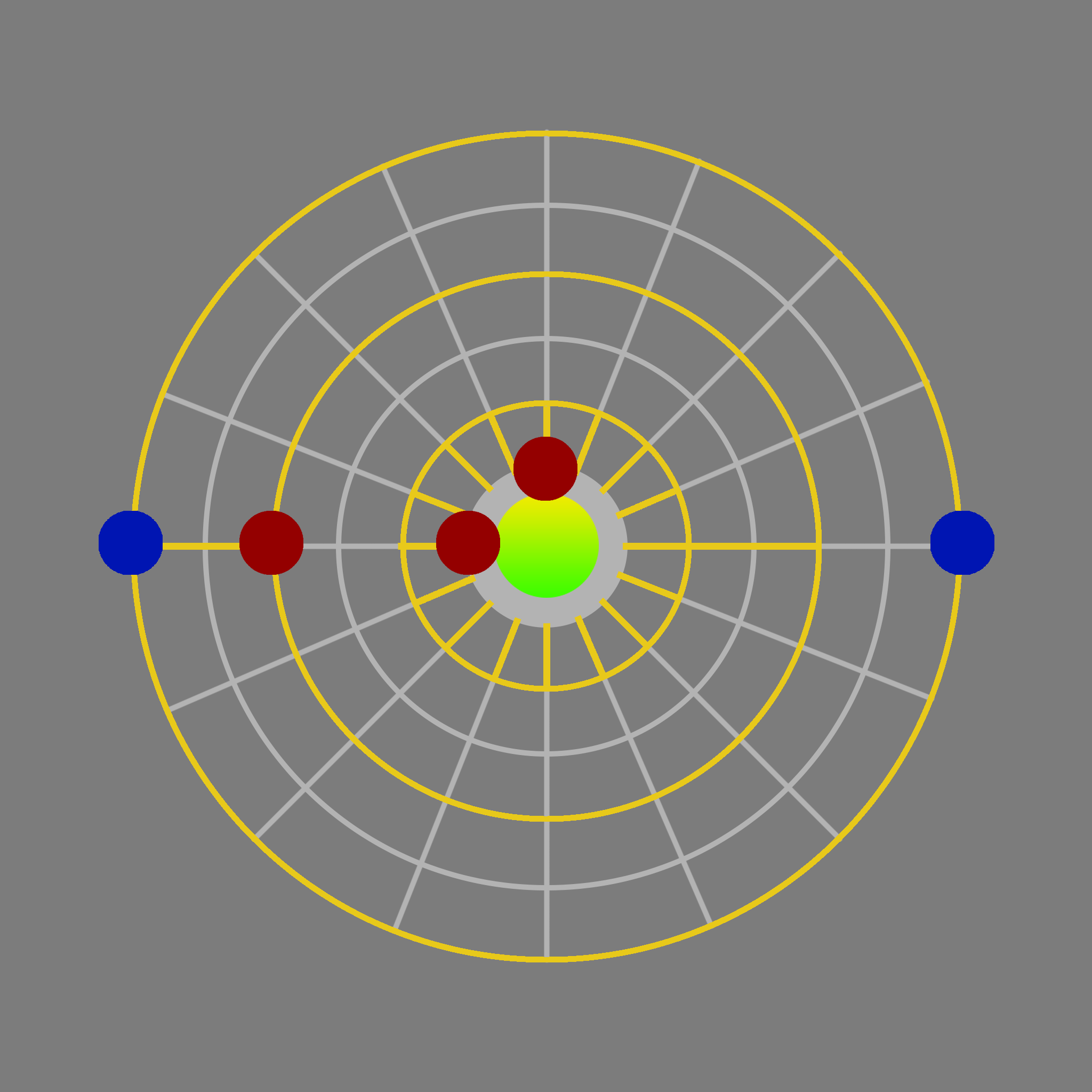
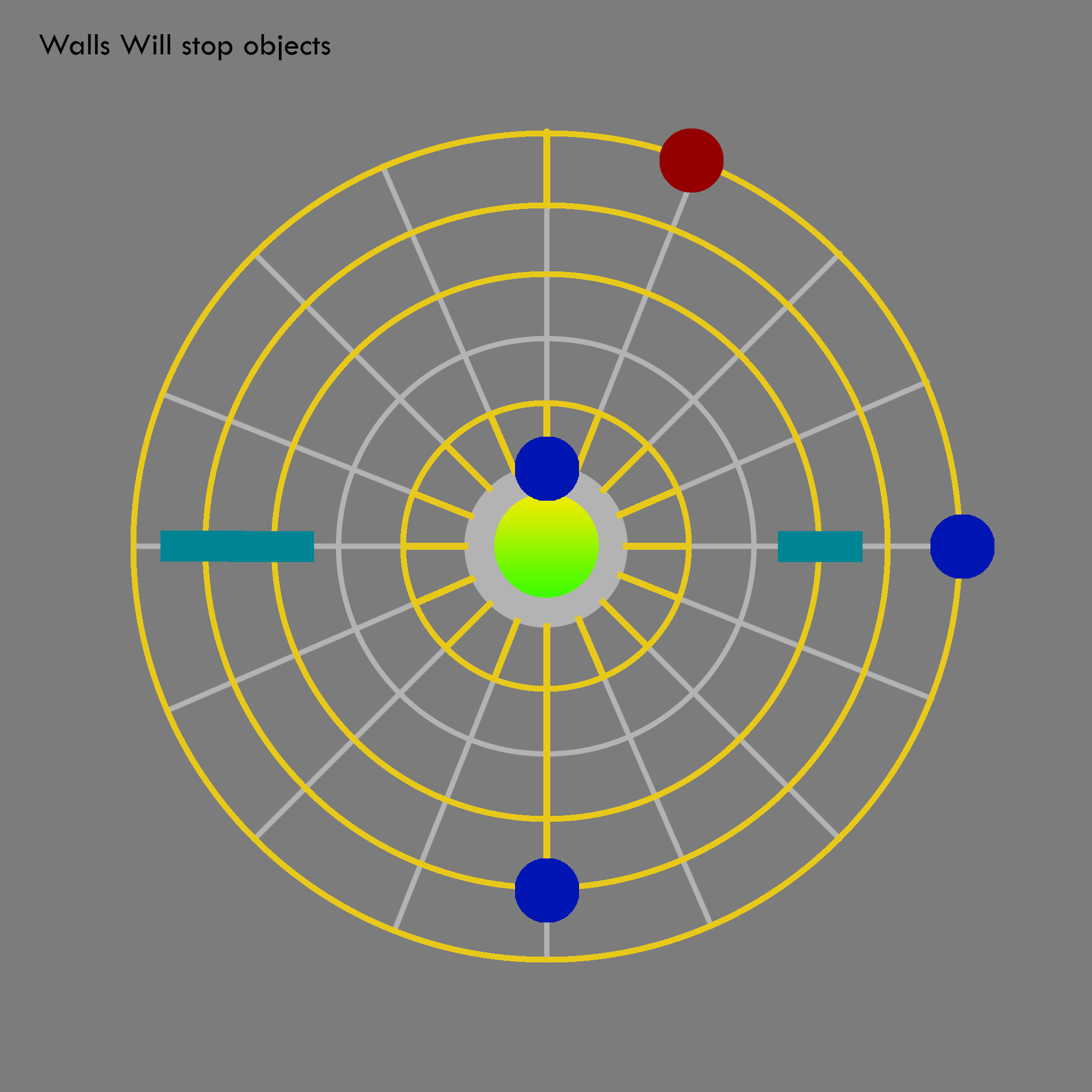
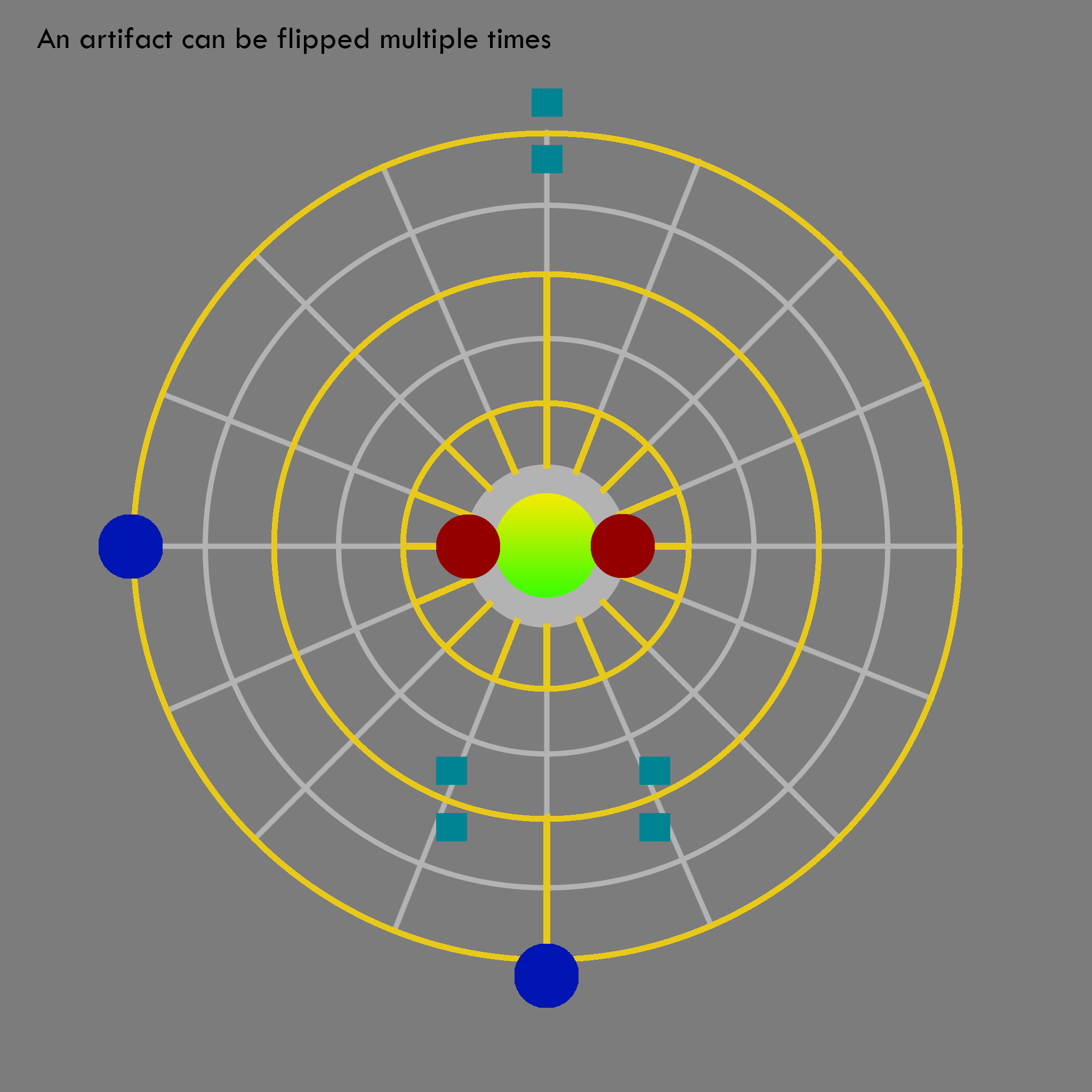
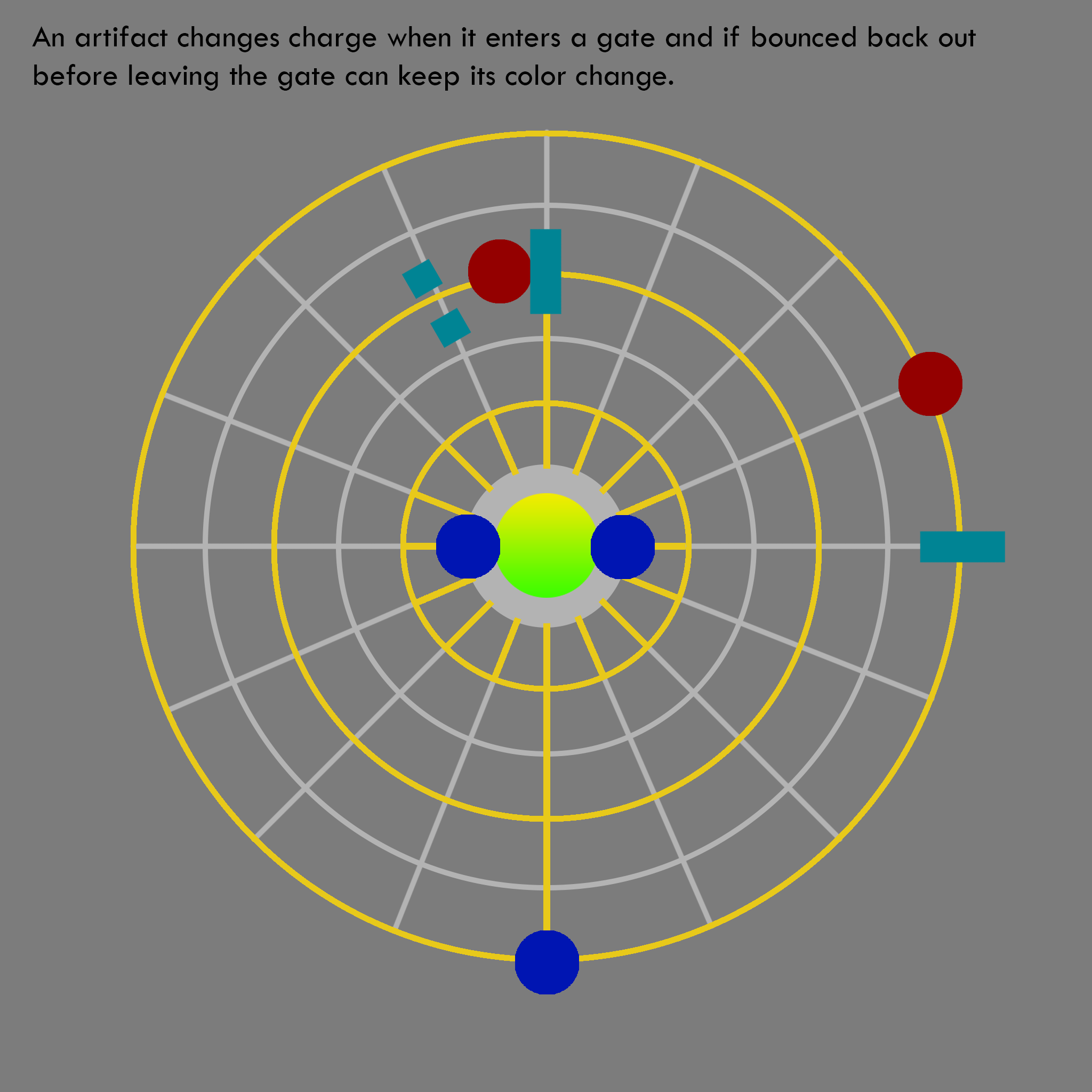
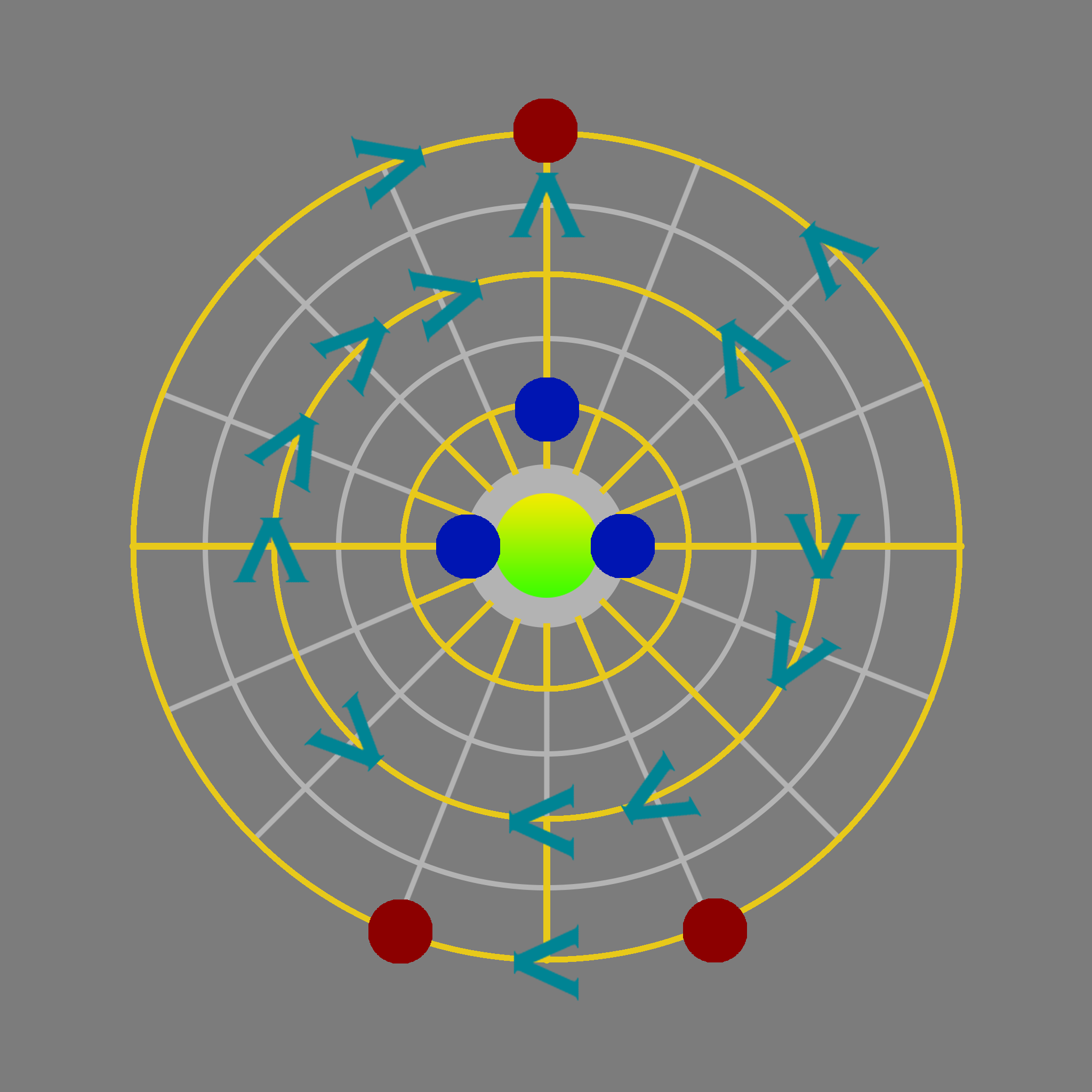
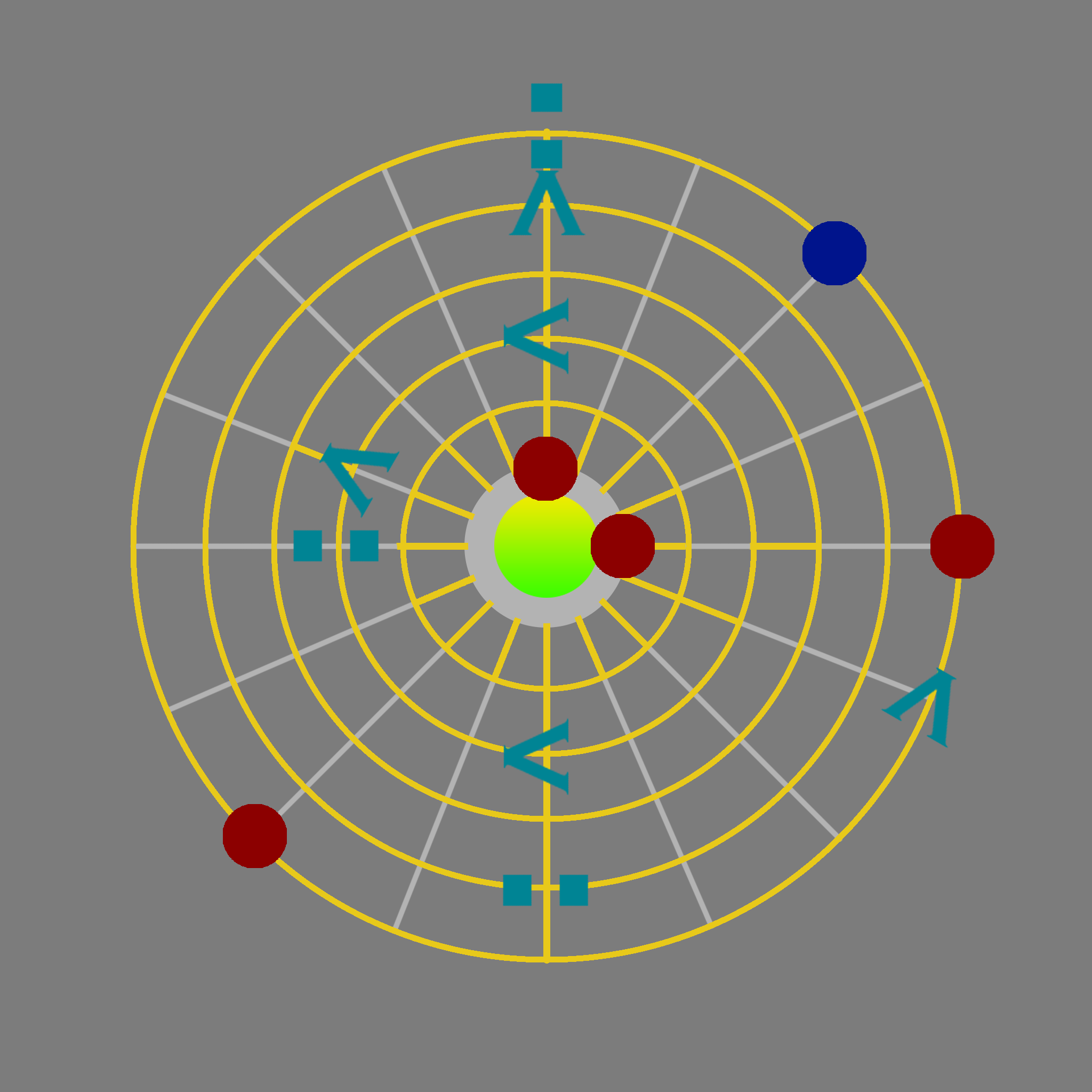
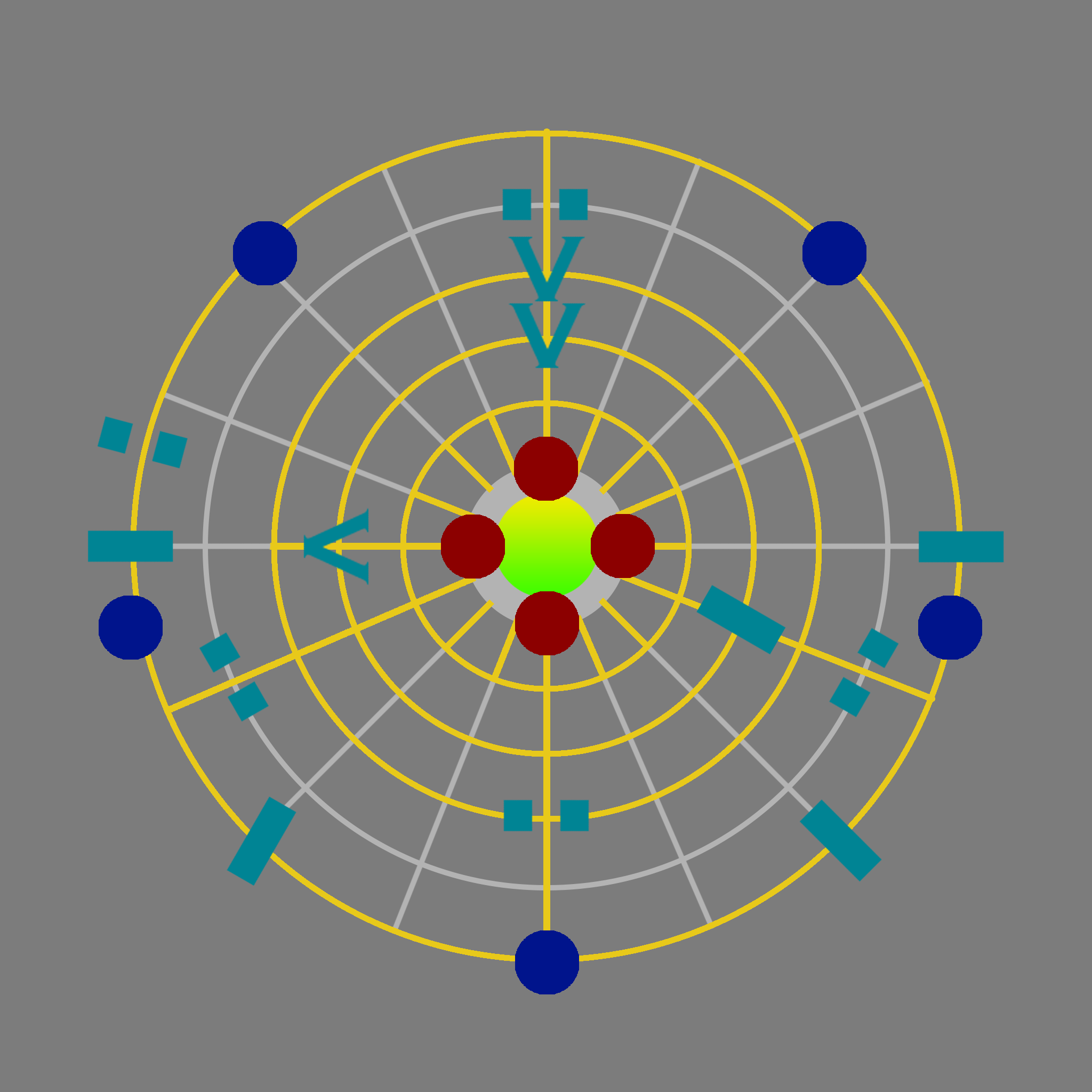
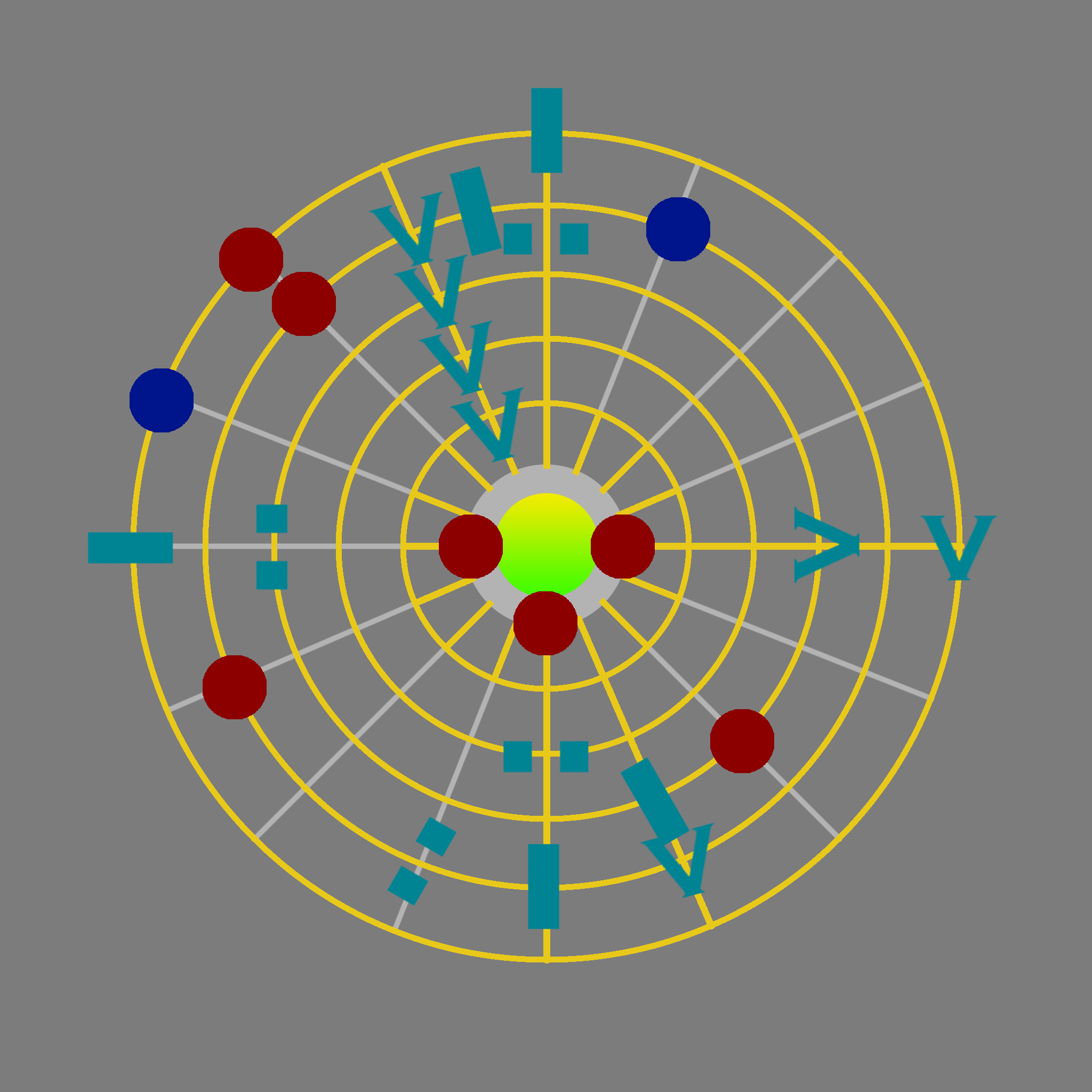
Above are select puzzles from our full set of 27. These puzzles demonstrate the scaling difficulty and complexity of the puzzles throughout the game.
I locked in our puzzle design before handing it off to Chris Schickler to create the puzzle tool. I made numerous sketches with simple visuals to help us come up with rules and test the puzzles before committing them to the world. This was very valuable, and I used many of these sketches in the final game.
The basic rules above alone would not make for enough interesting puzzles for an entire game. So, the team and I came up with many ideas for obstacles to put on the tracks. We came up with the following:
Wall: blocked pieces and deactivated them.
Gate: changed the color of the piece that traveled through it.
Bouncer: forced pieces in a specific direction (including outward).
The following obstacle designs were not included due to time constraints.
Magnet: locked to pieces and mimicked/limited their movement.
Fences: stopped players from entering certain areas of the puzzle.
Selector: allowed only a specific color through it.
Delay Pad: stopped pieces for a certain amount of time.
Obstacles were not the only way we thought of creating variety in the puzzles. We also thought about rotating the rings, placing the puzzles vertically, making the pieces rhythm-based, and much more.
asset library
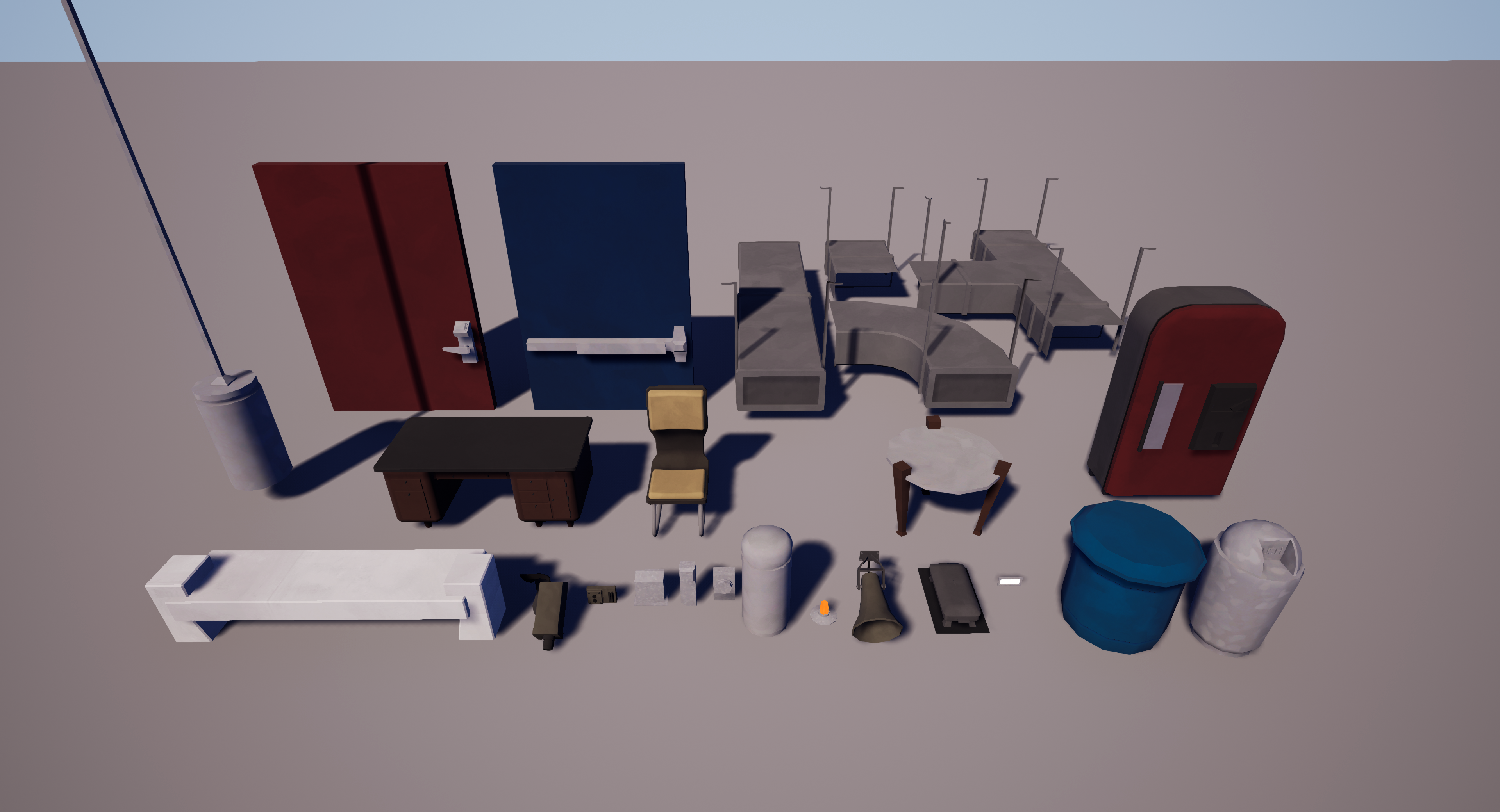
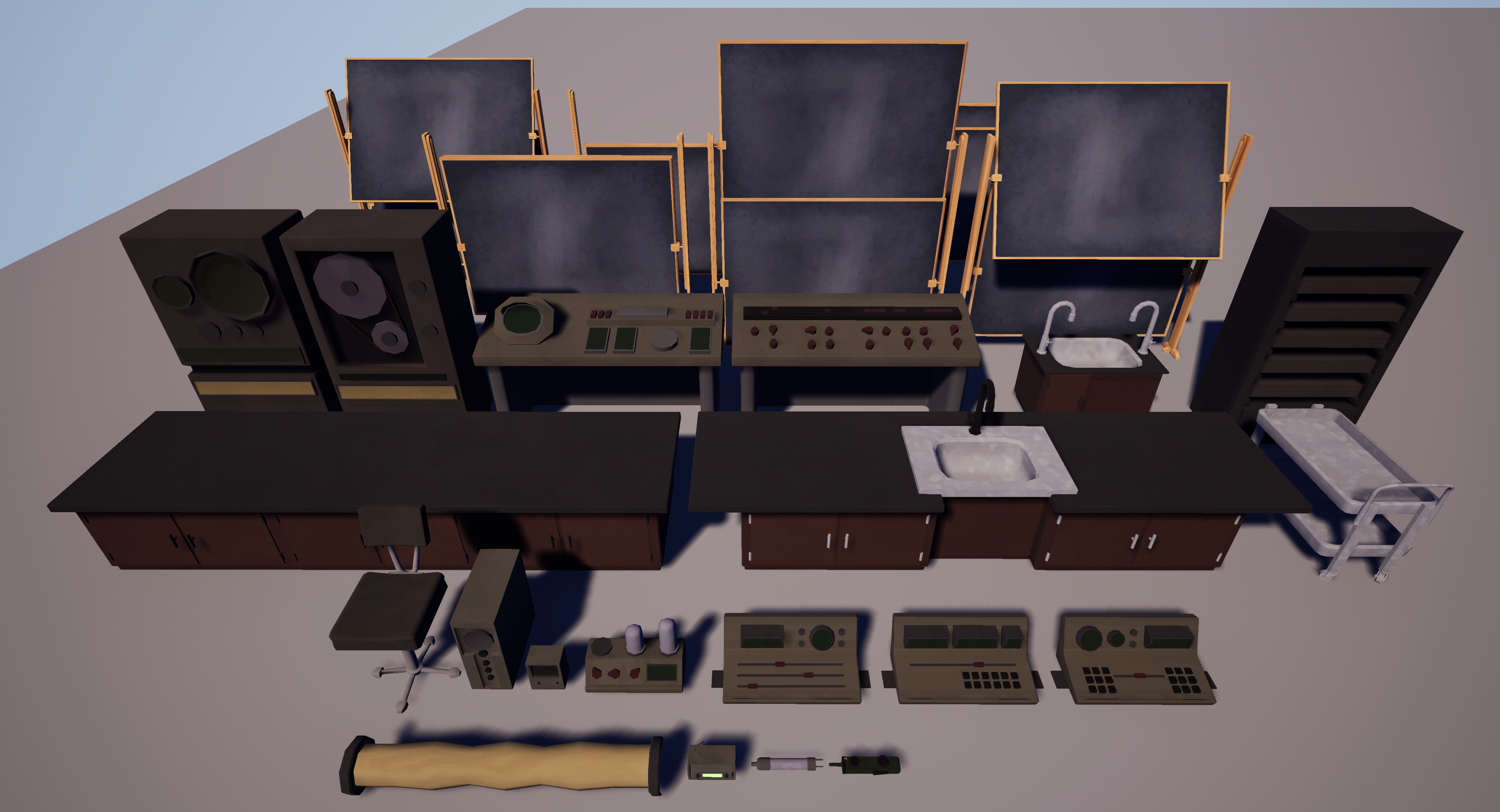
Somehow, in between all of this design work and building the environment, I found time to make a good number of environment assets as seen above.