
sword of the dead city
technology used

Unreal Engine

Autodesk Maya

Substance Painter

Adobe Audition

Adobe Photoshop

Adobe Illustrator
final playthrough
Sword of the Dead City was my second attempt at a full game in Unreal Engine. I wanted to go for something very different than my past work (that being horror-heavy FPS games), and created an action-heavy platformer.
Above is a full playthrough of the game. In this project I created the level layouts, meshes, some of the materials, and a full GDD.
final screenshots
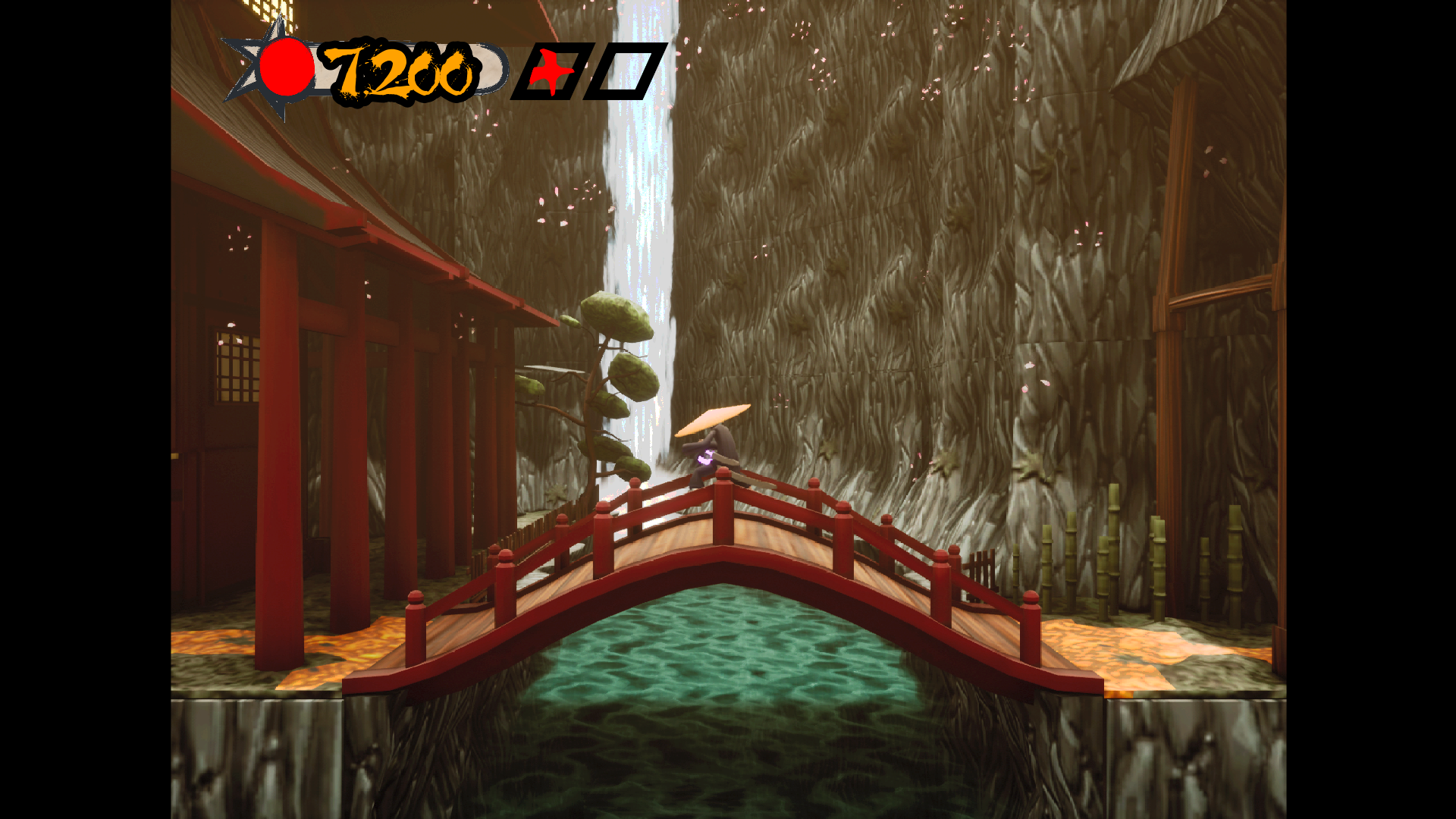
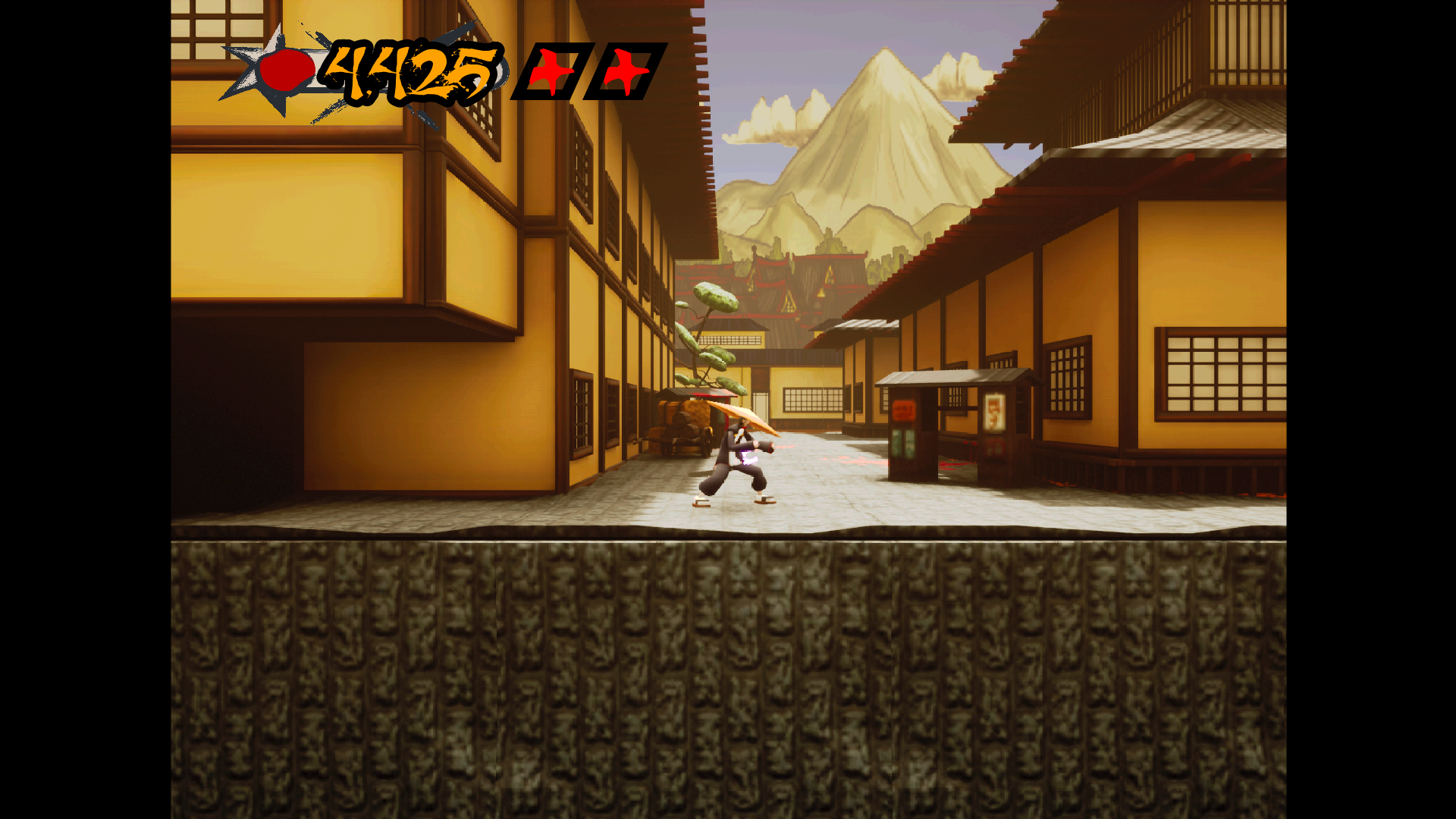
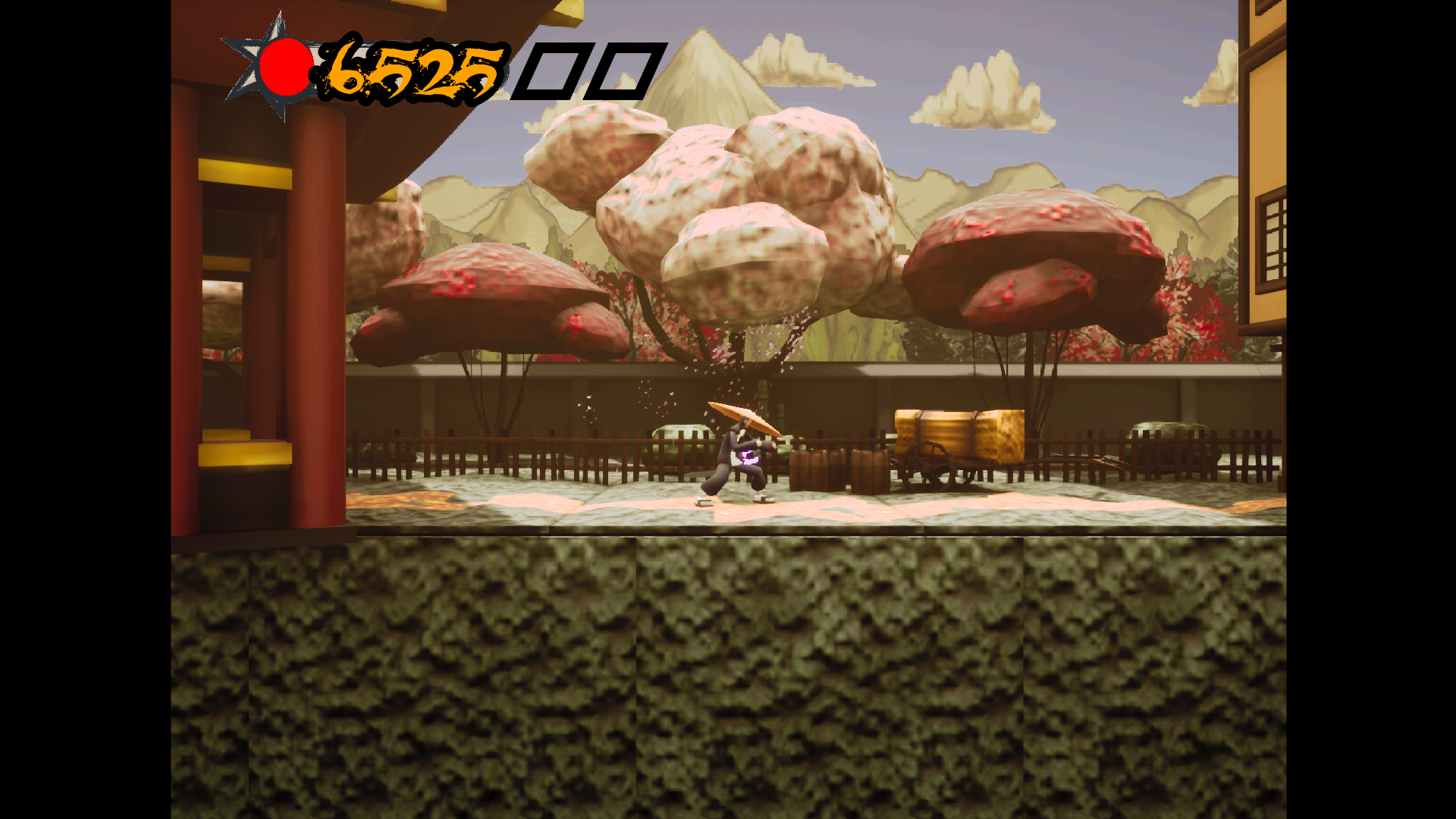
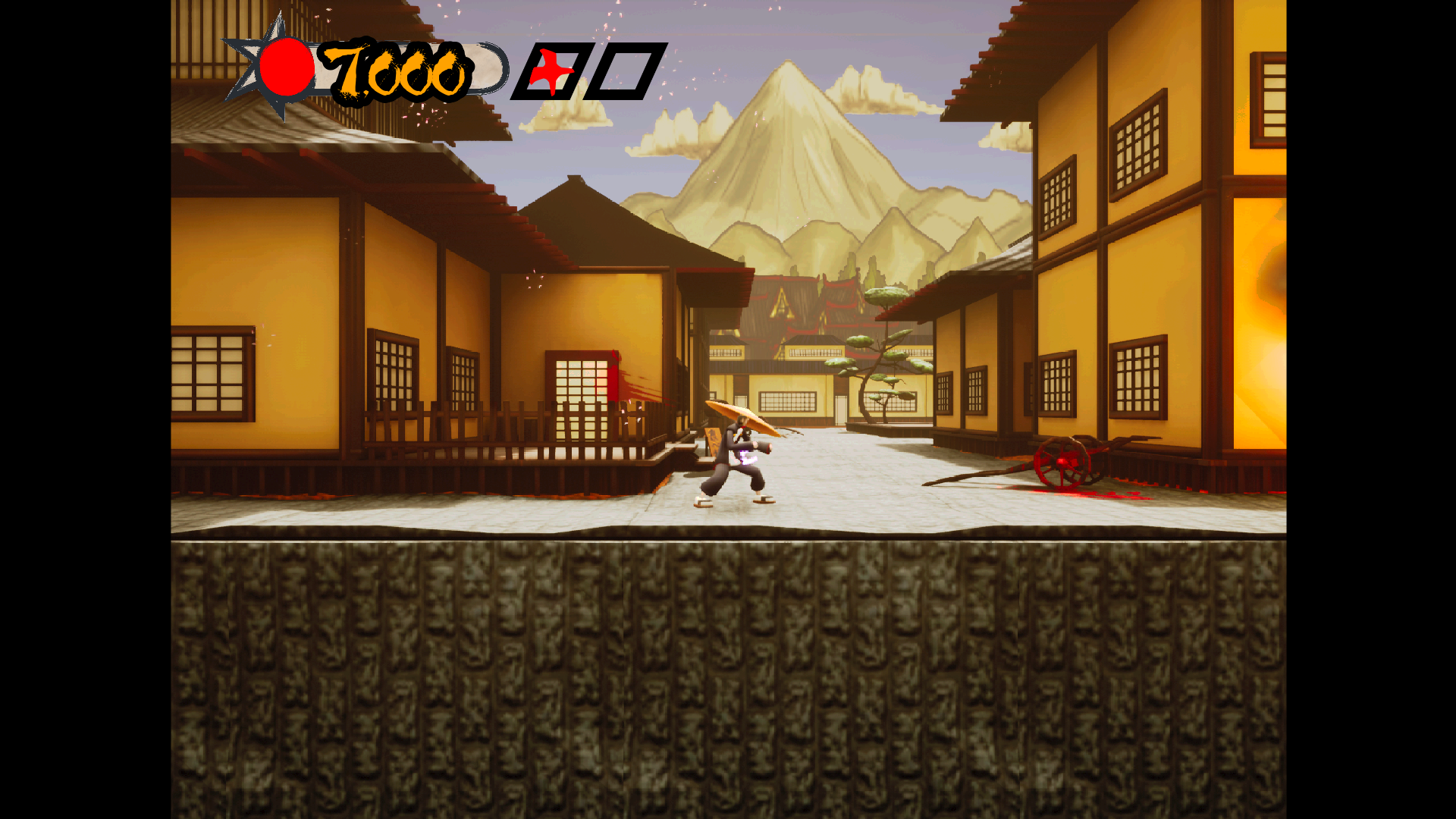
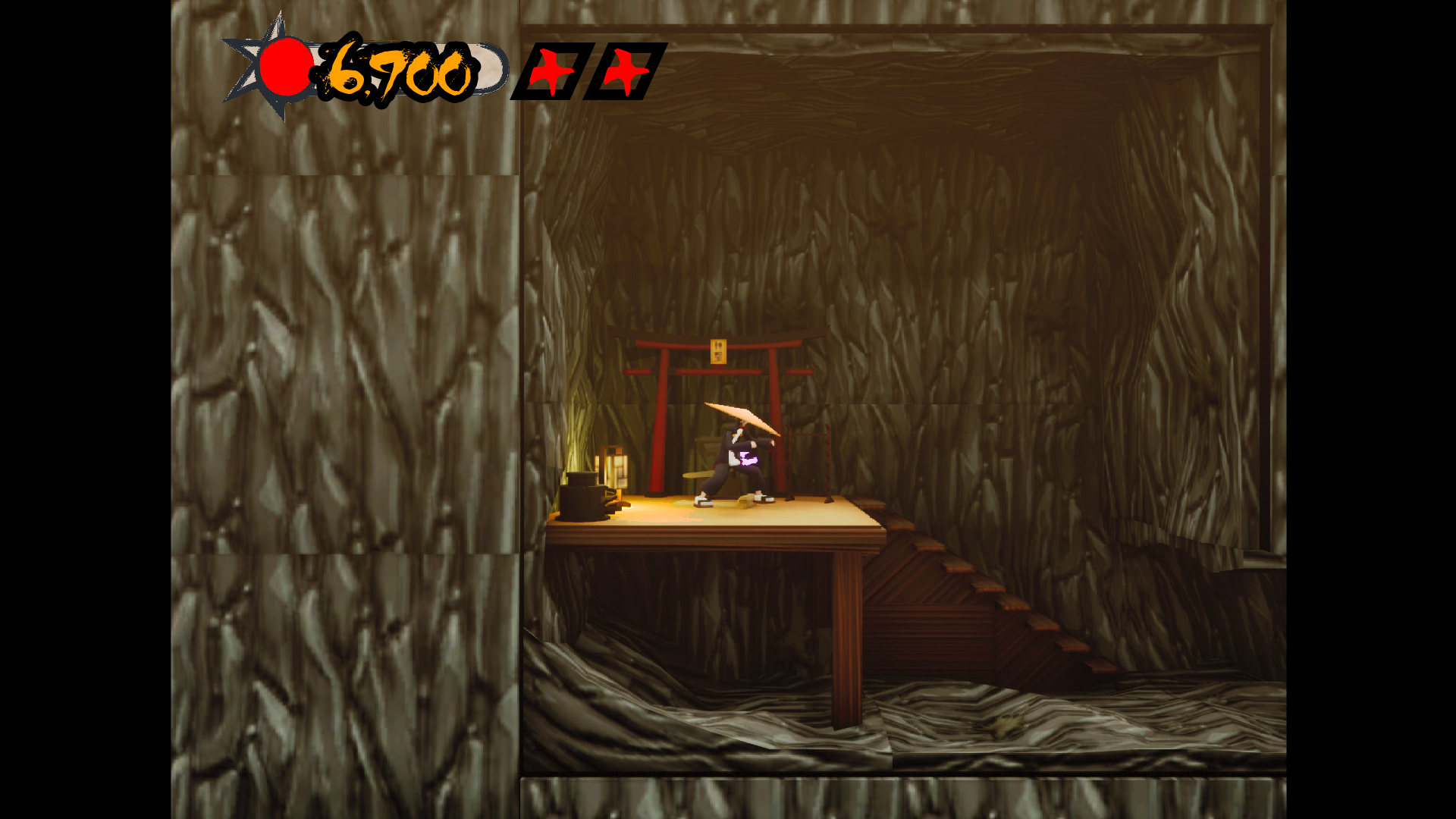
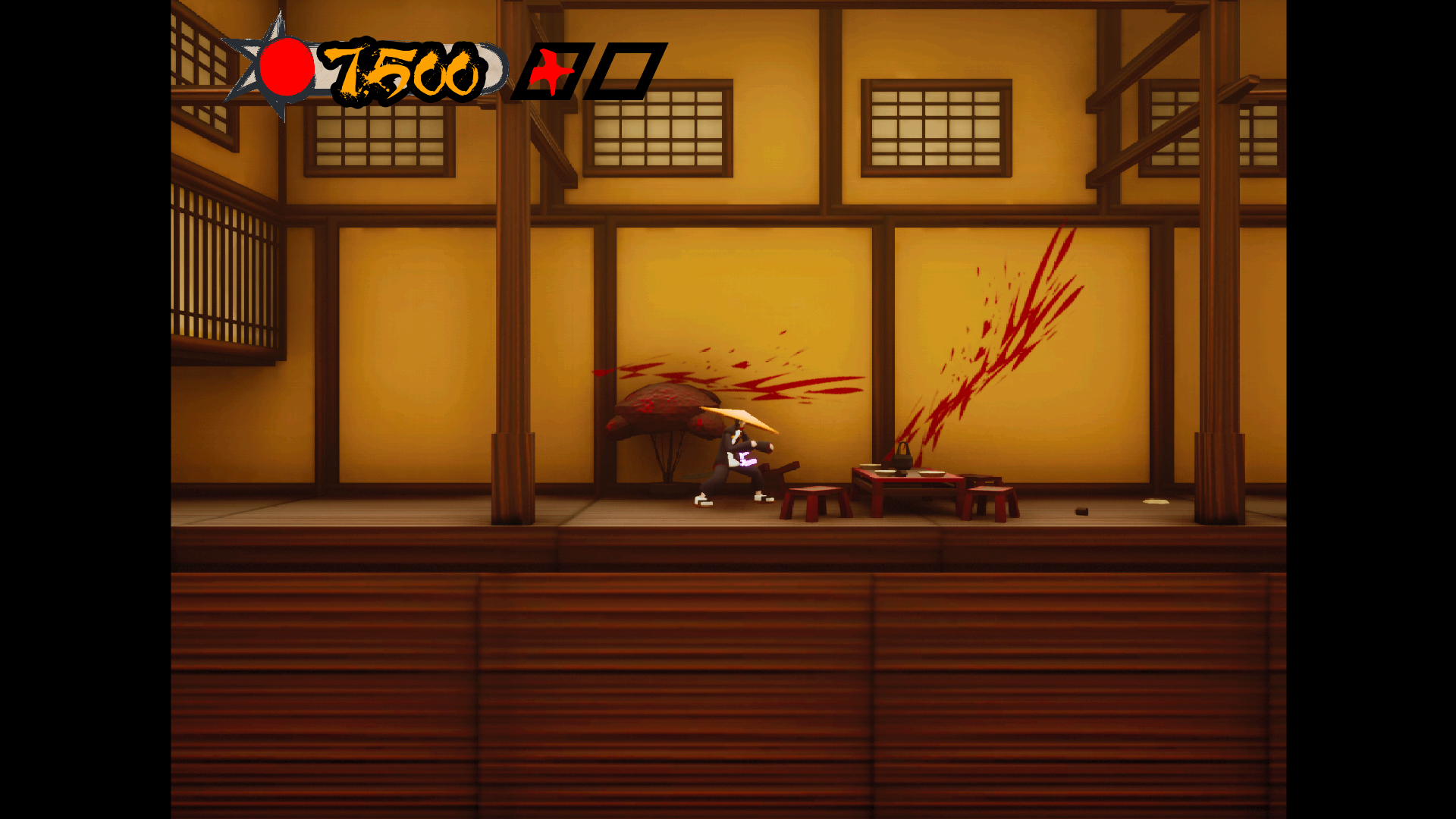
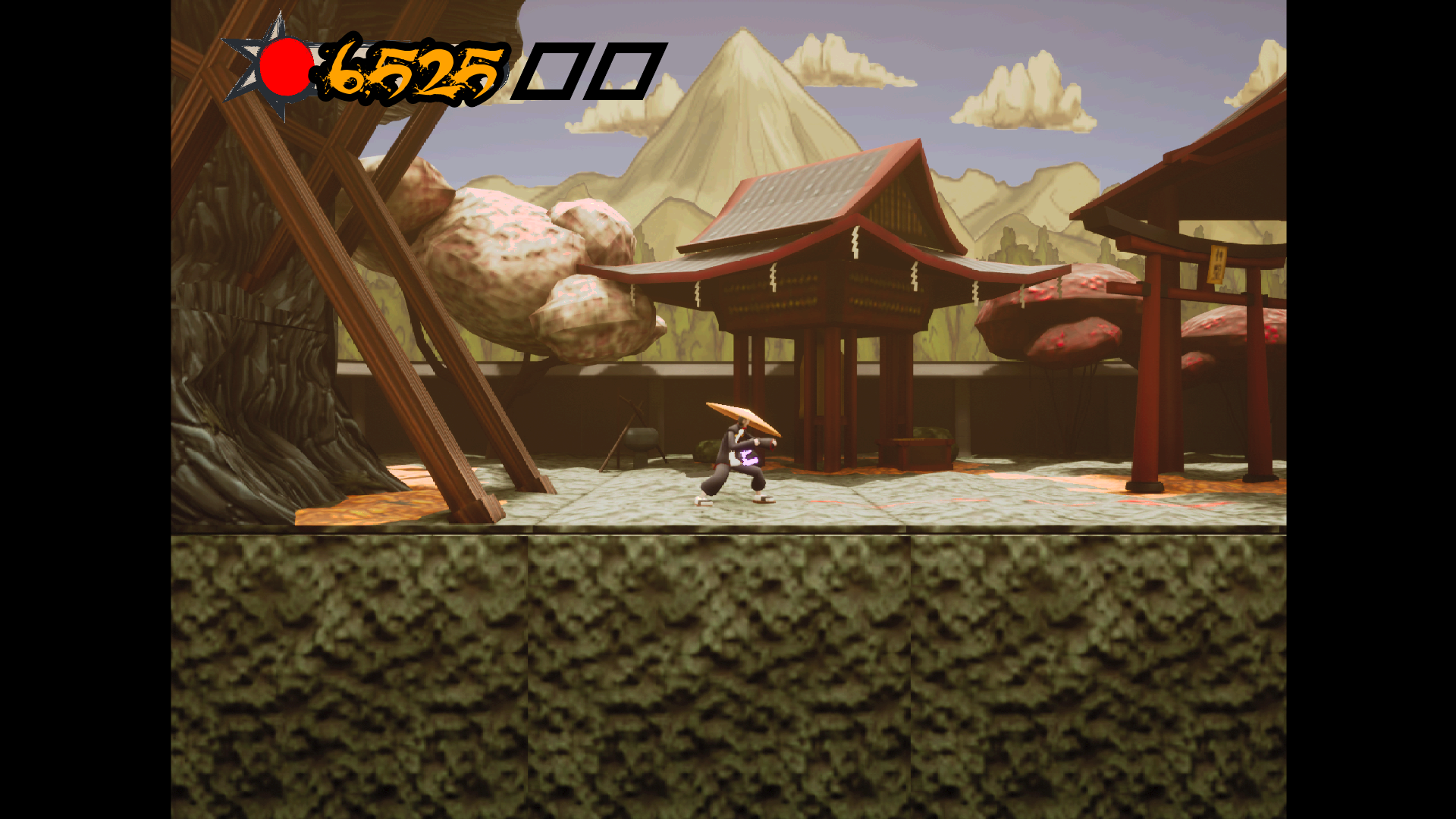
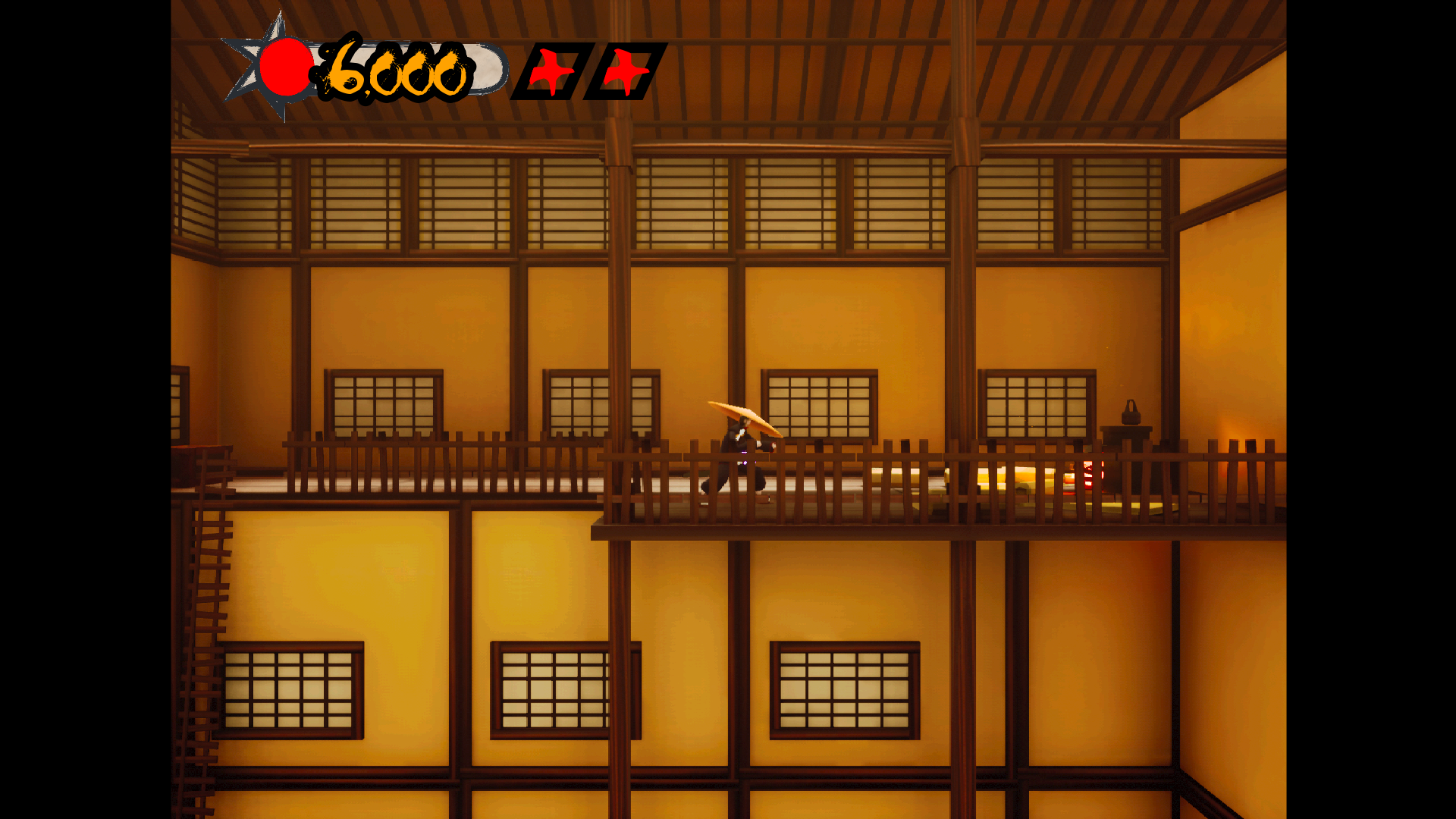
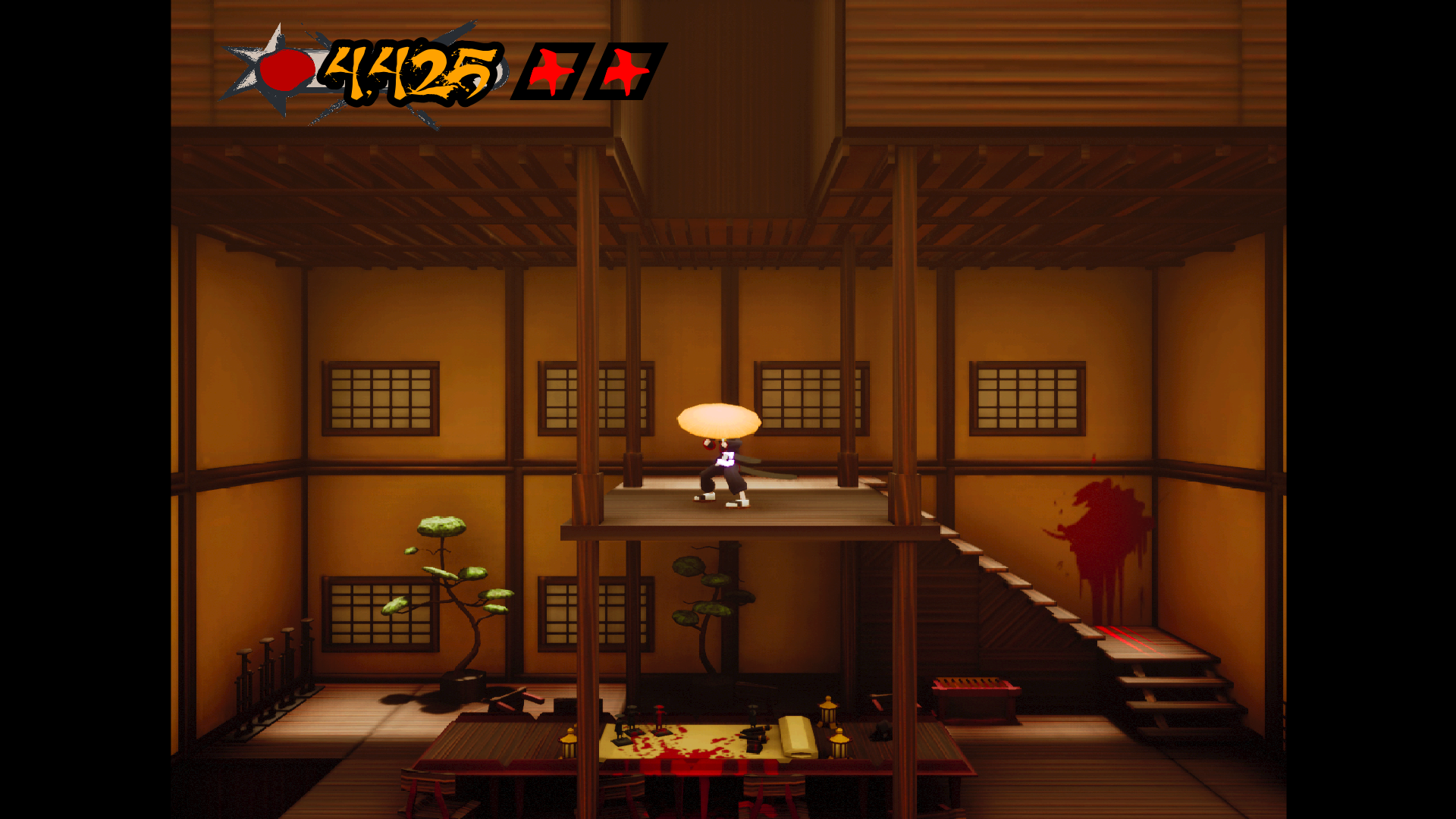
Above are screenshots from the final version of the game running in Unreal Engine.
game design document
For this project, I wanted to try my hand at creating a GDD. Documentation proved to be an invaluable tool for writing down designs for my team to reference - who knew?
Looking back on this, I'm proud of how far my GDD writing skills have improved with my current work.
level sketch
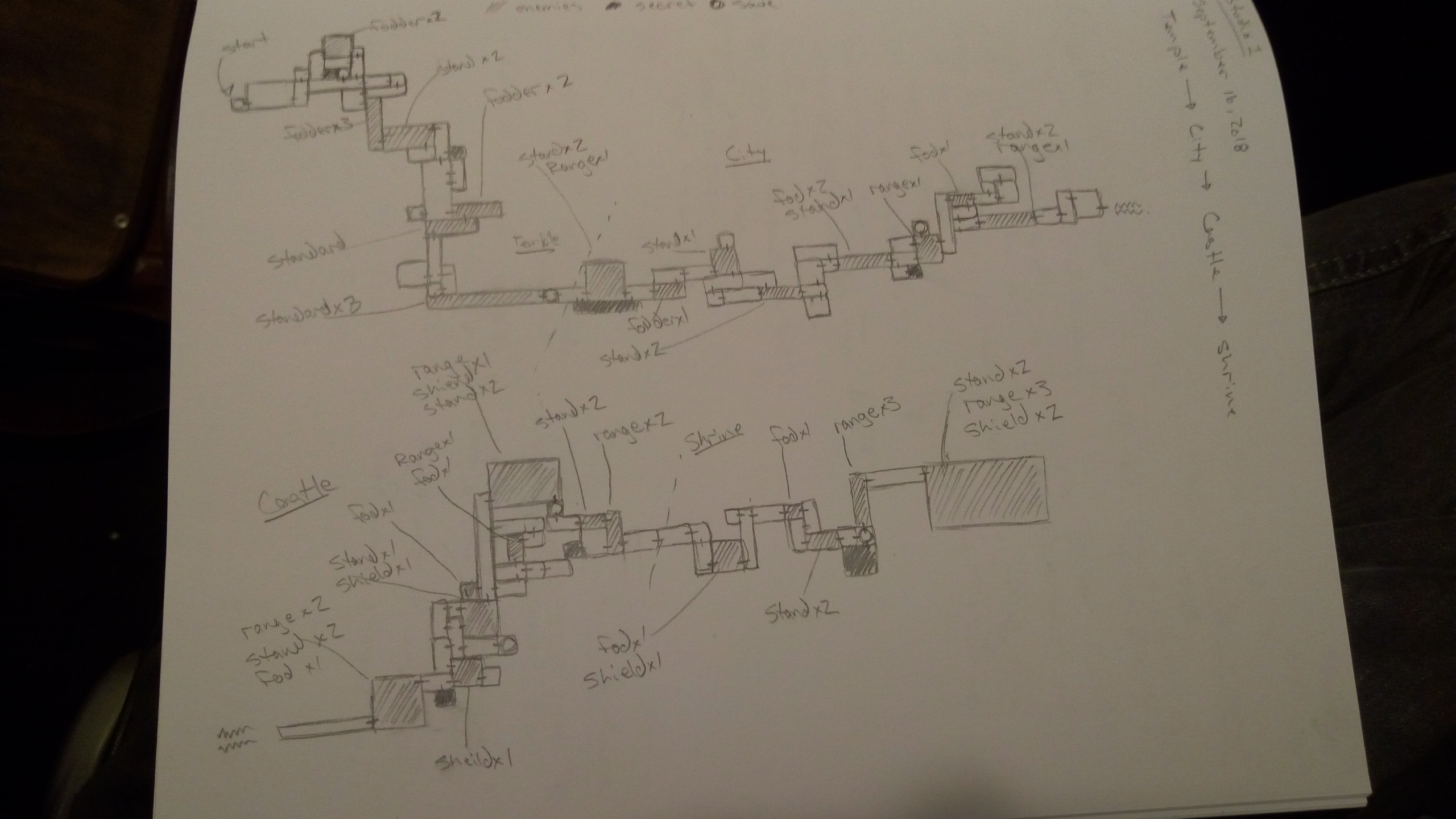
I always like to start my designs with an on-paper sketch. Here, I planned out four levels for the experience. While the game is mainly linear - I knew I wouldn't have time for a true Metroidvania - I included side rooms and secrets to reward exploration.
Unfortunately, we only managed to make the first two due to an unexpected absence from the team.
greybox process
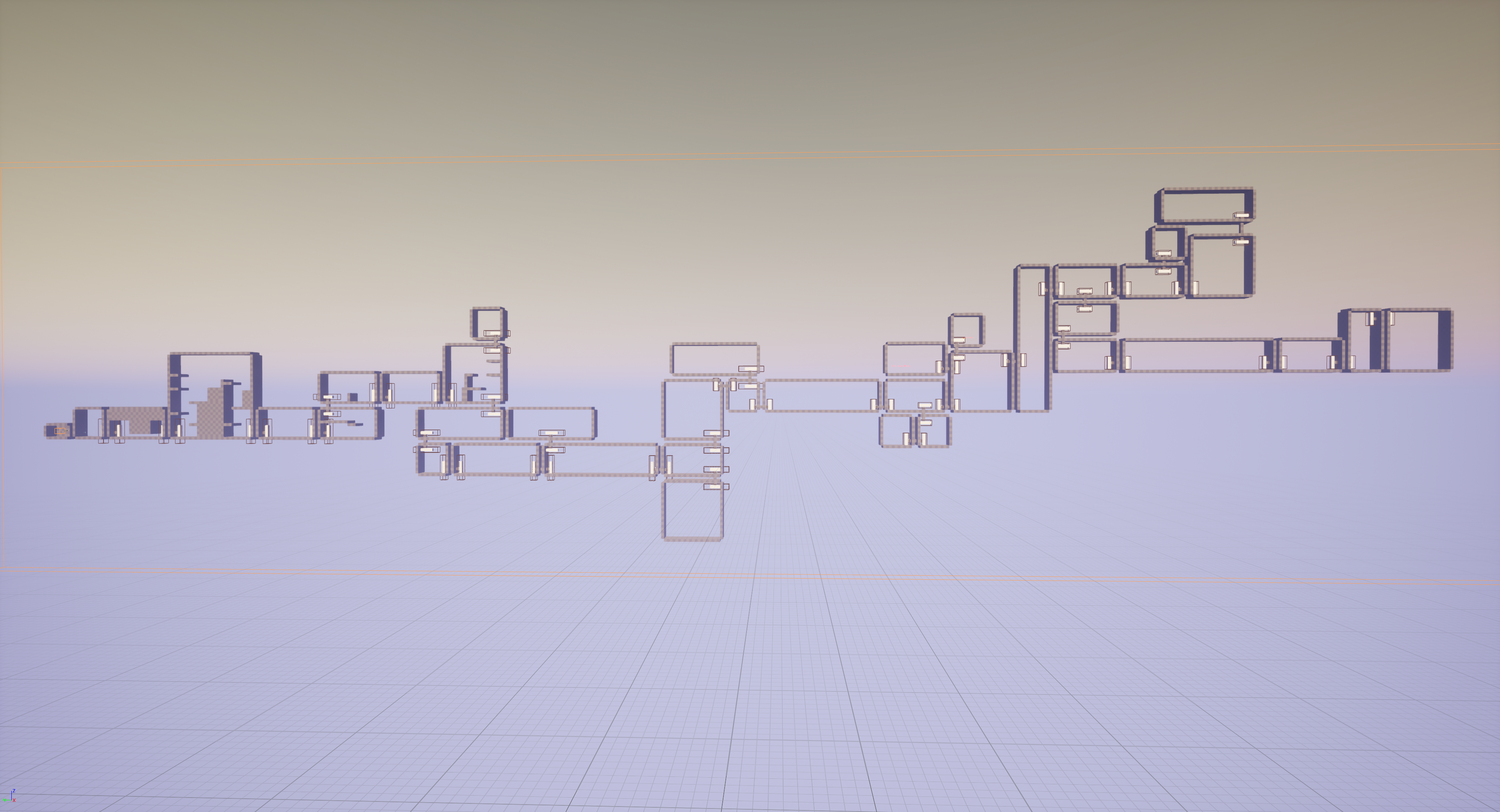
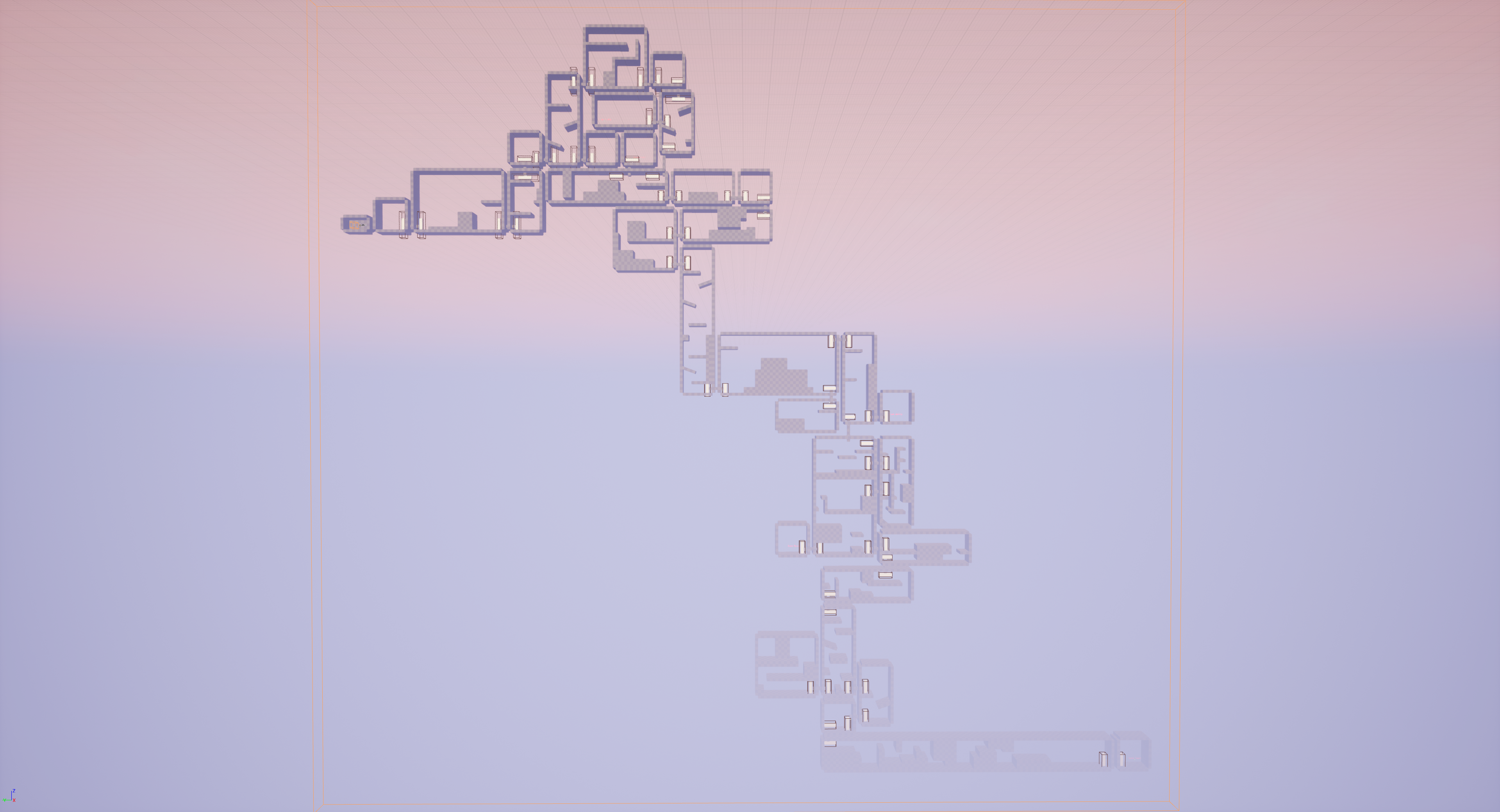
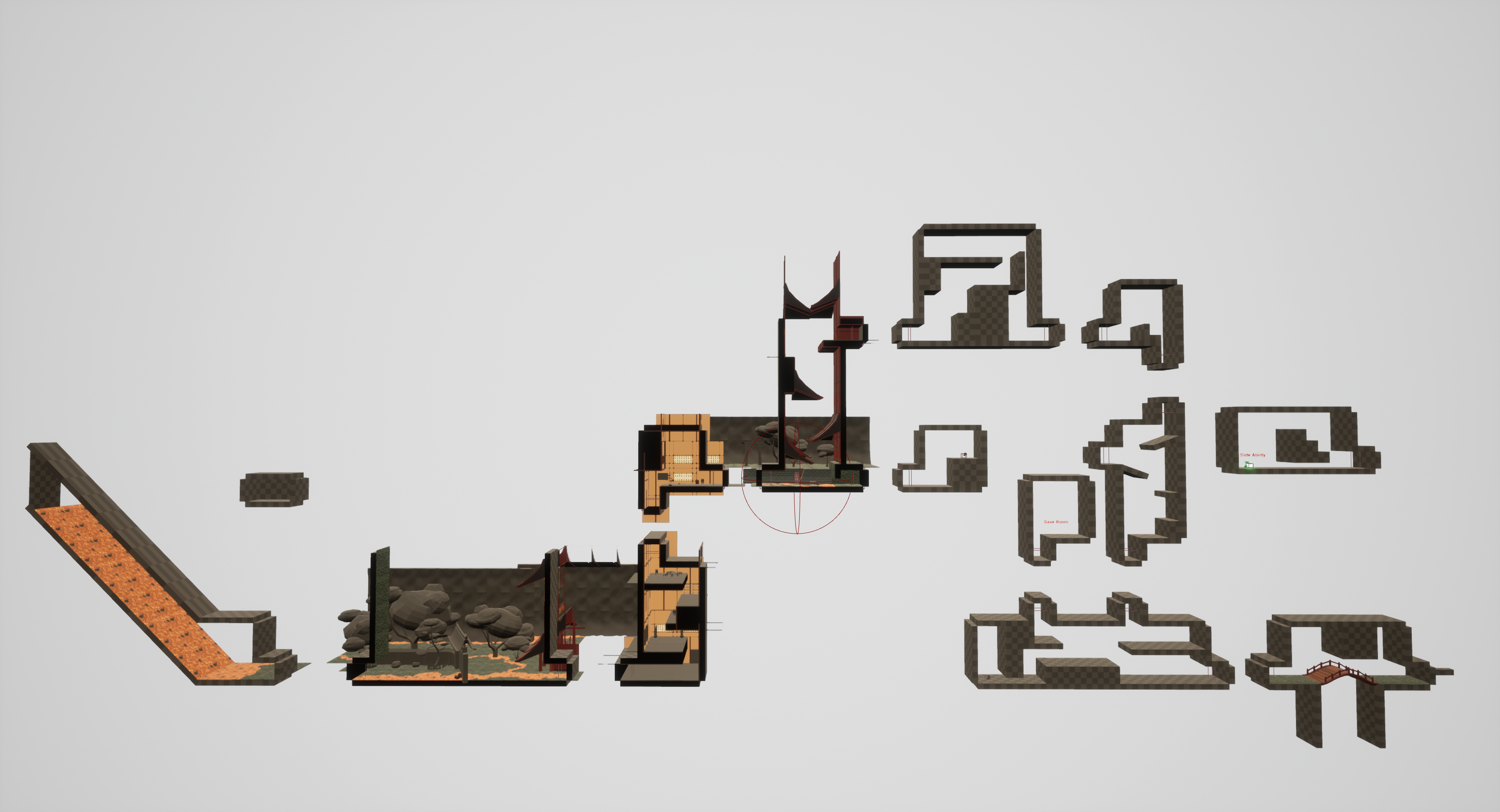
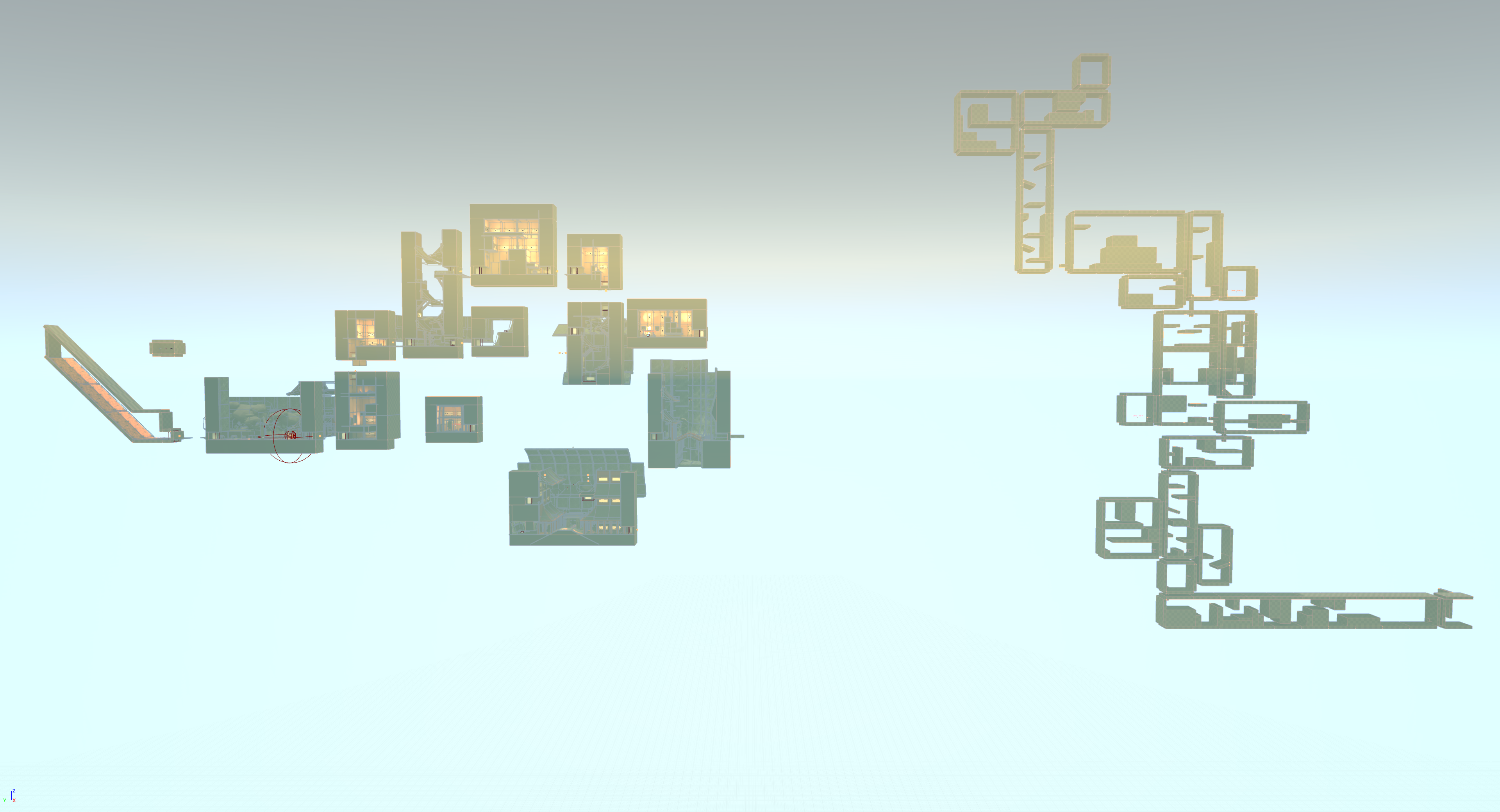
Once we had the gameplay basics in place, primarily room transitions and player locomotion, I began the level blockouts.
Initially, the greybox was built precisely to the sketch, but the layout was often adjusted according to feedback. In some cases, this meant removing additional routes and secrets, and in some cases, it meant changing how individual rooms were laid out to ensure they were fun and easy to navigate.
asset library
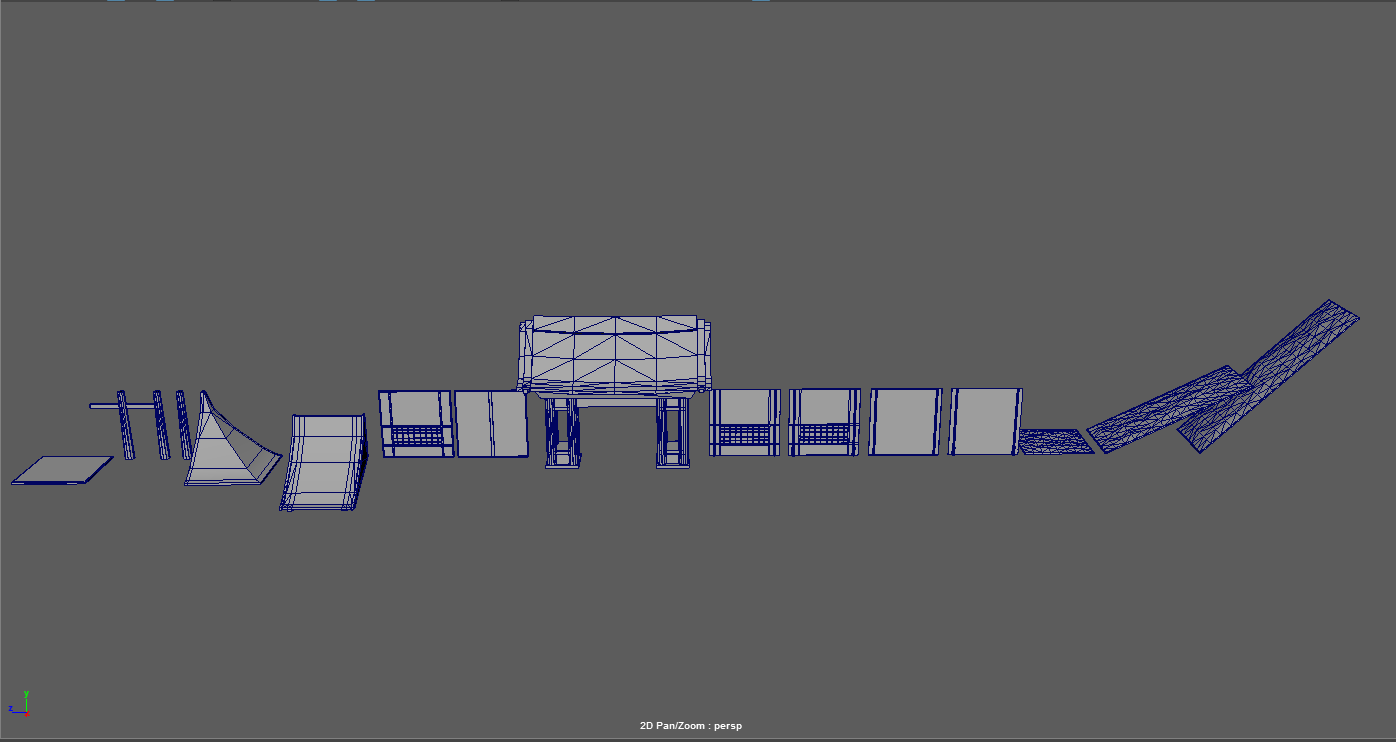
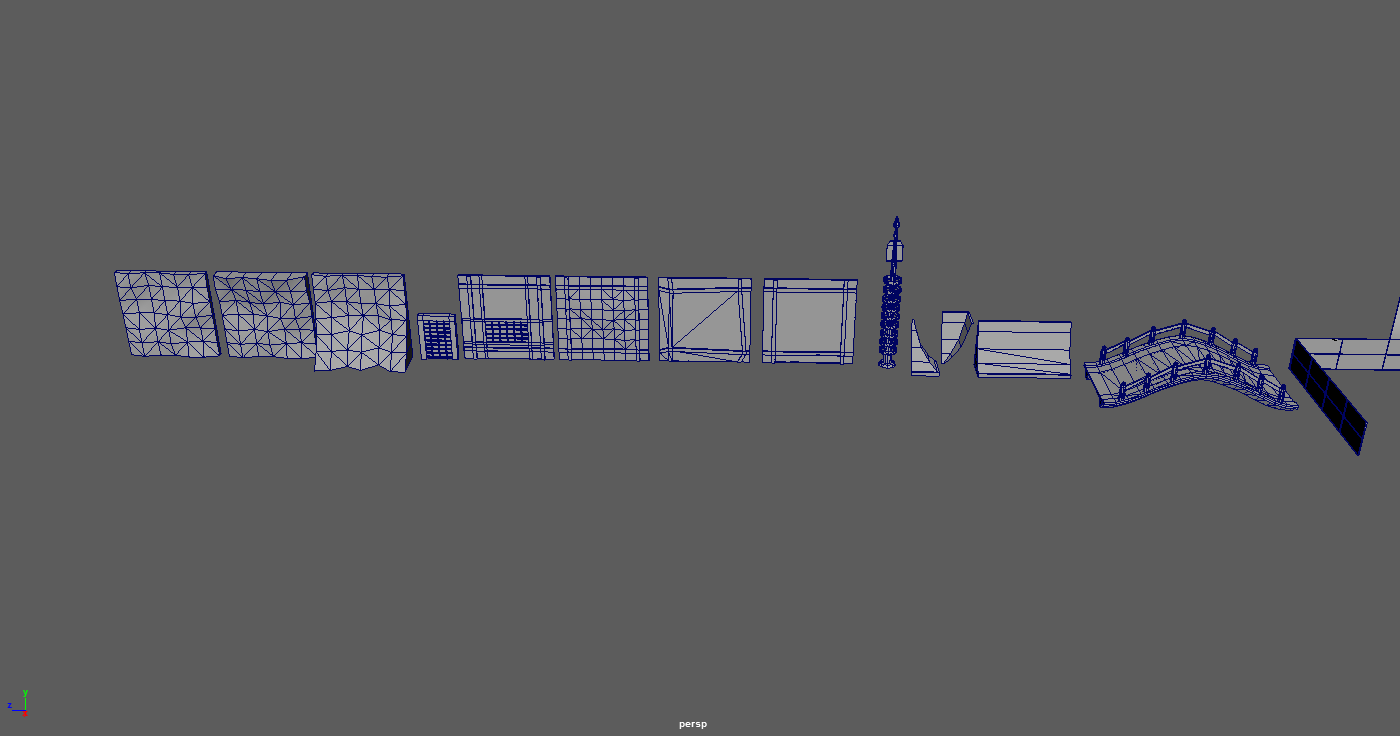
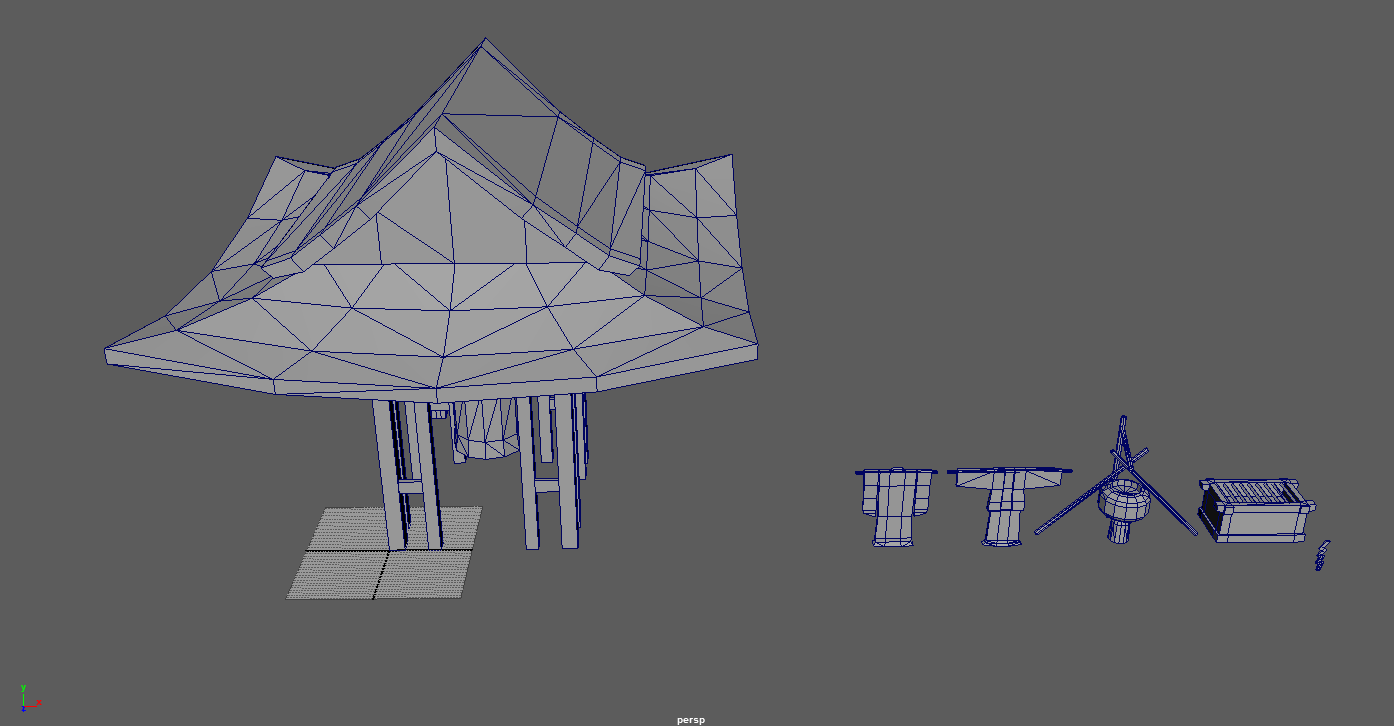
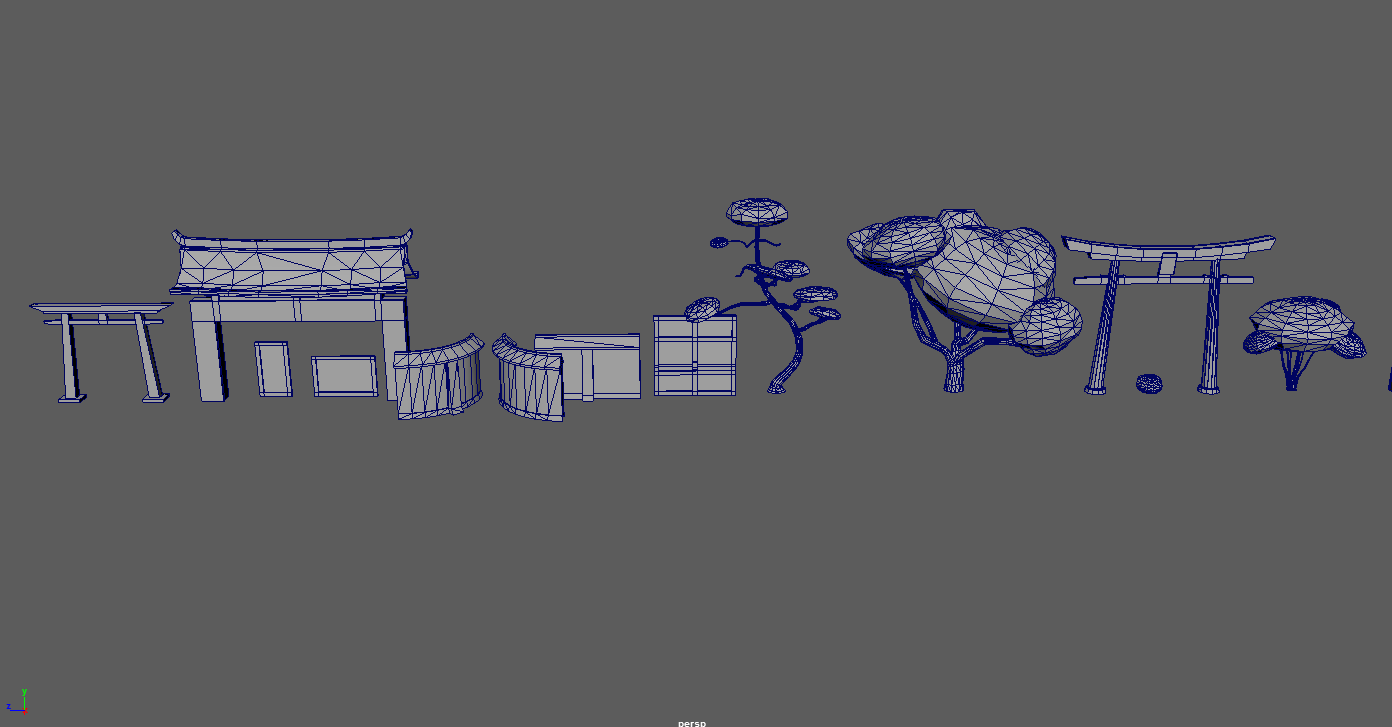
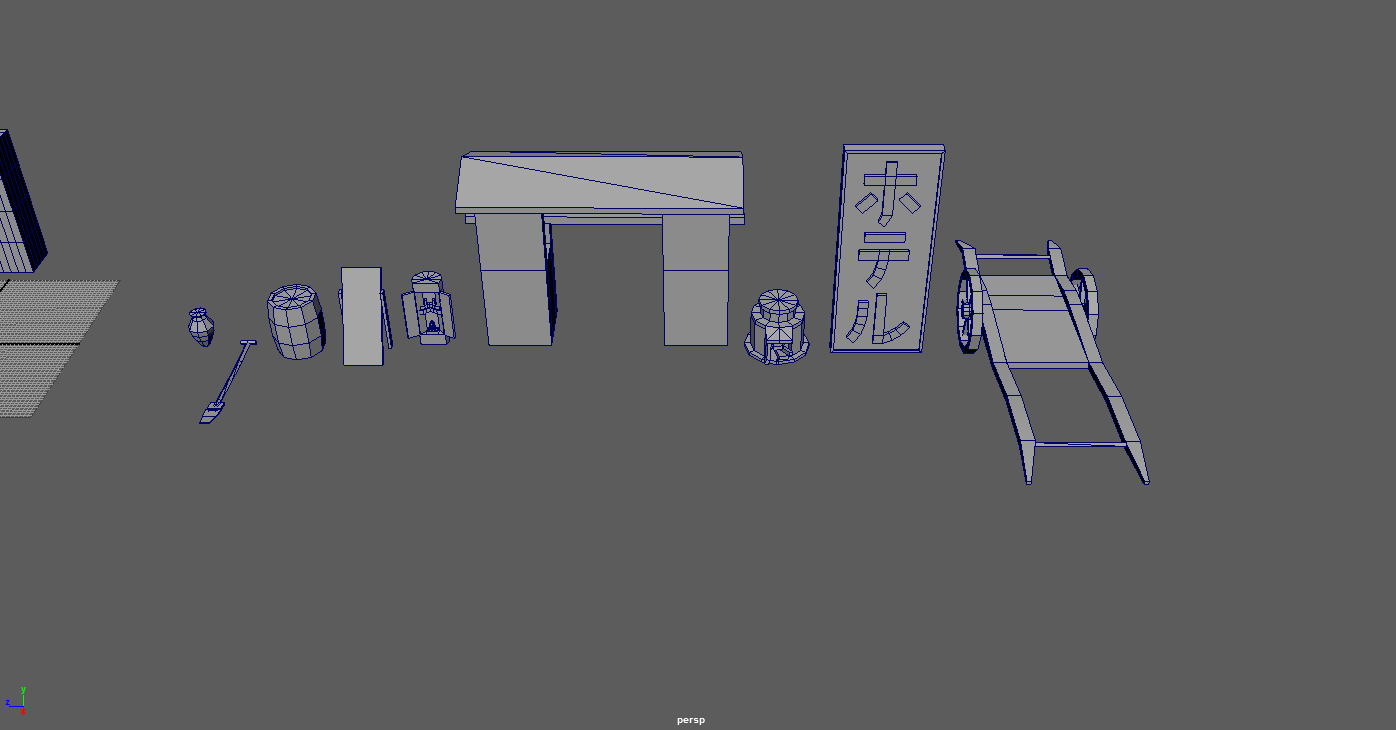
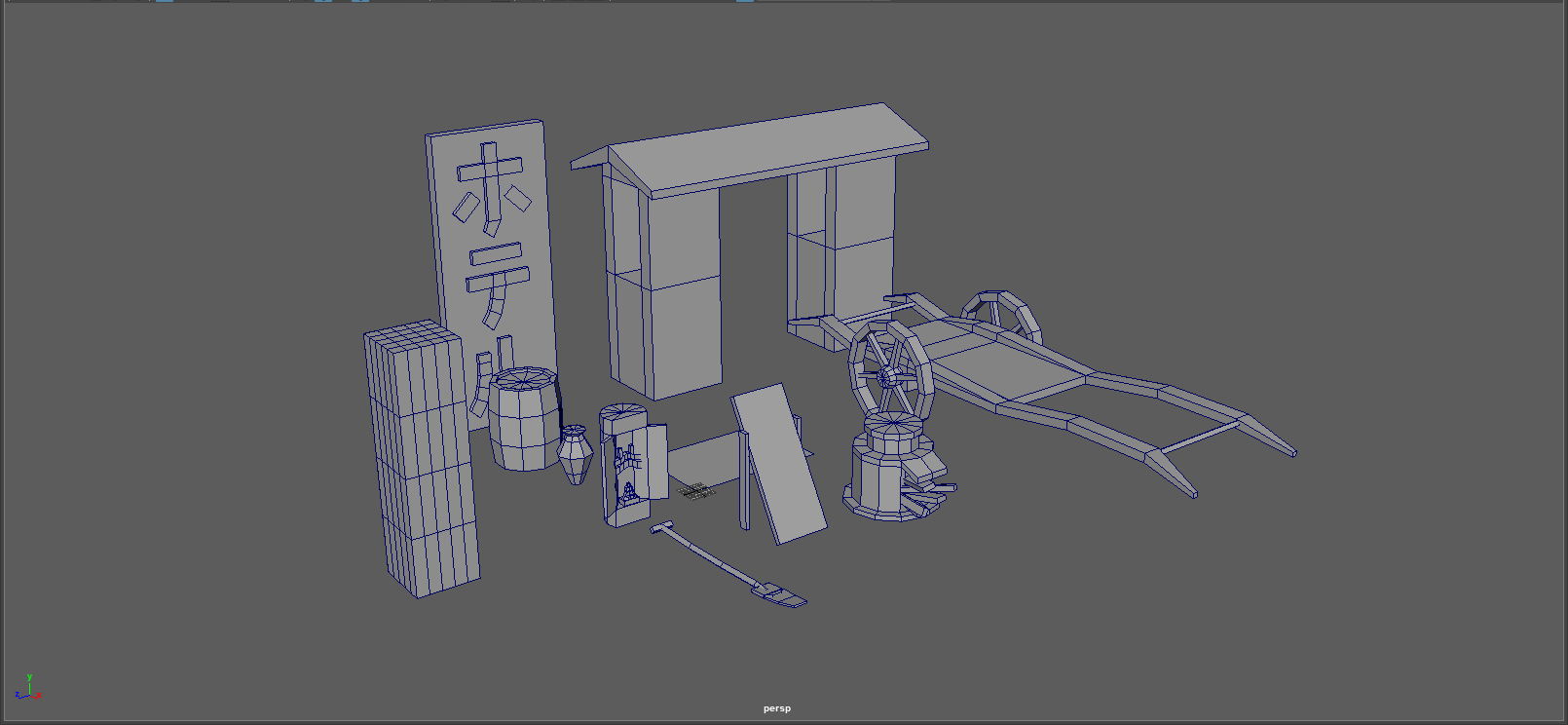
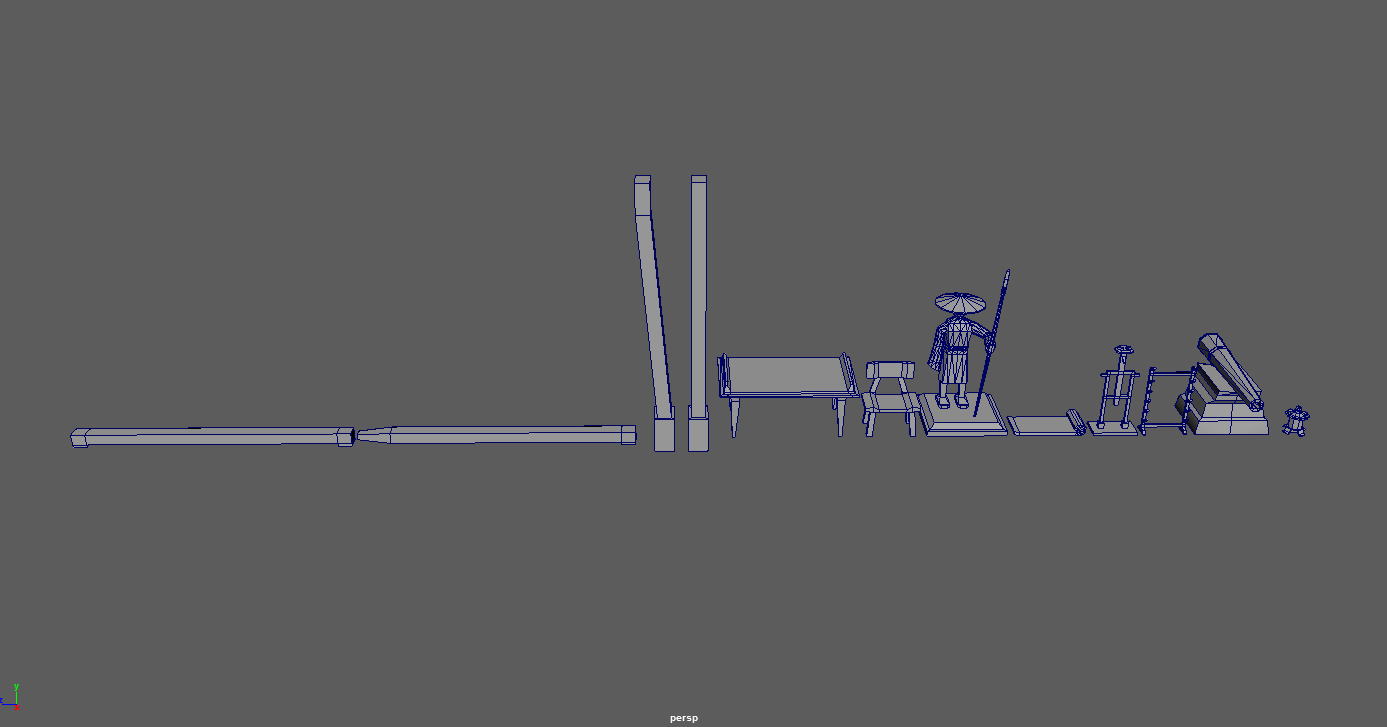
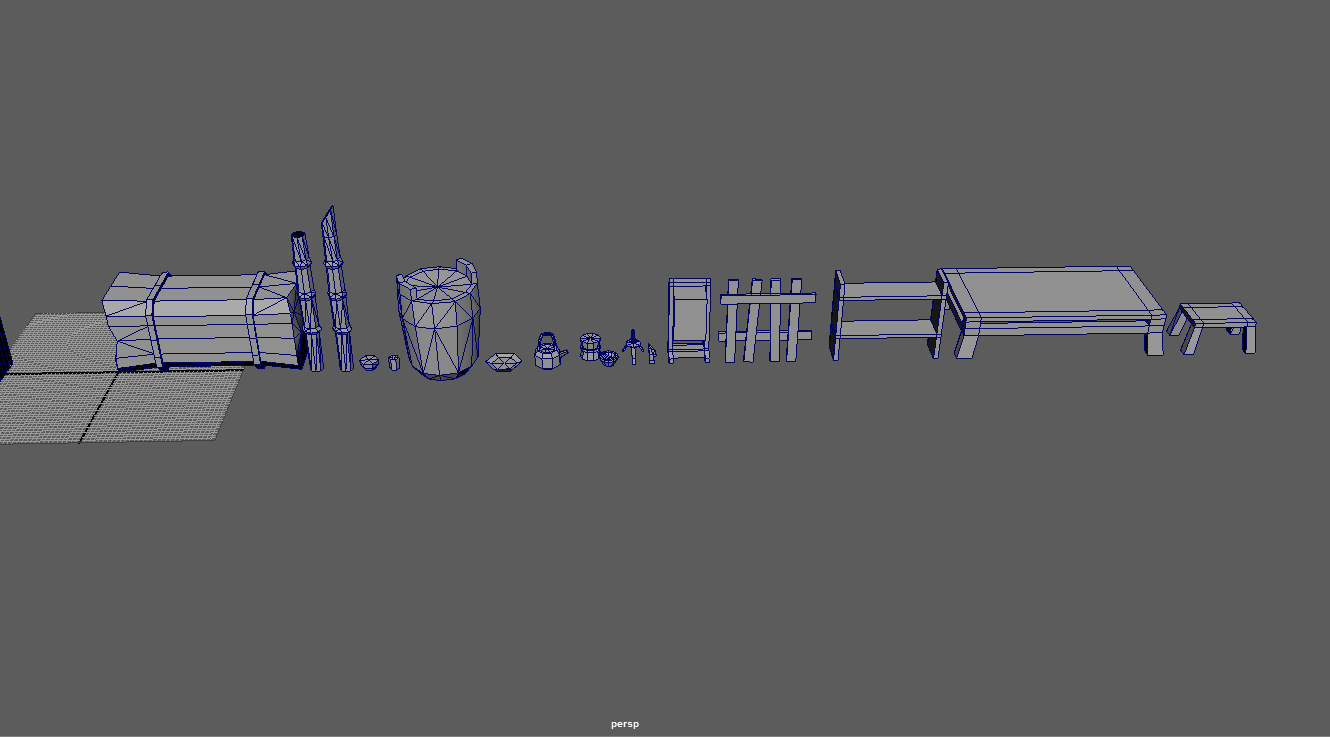
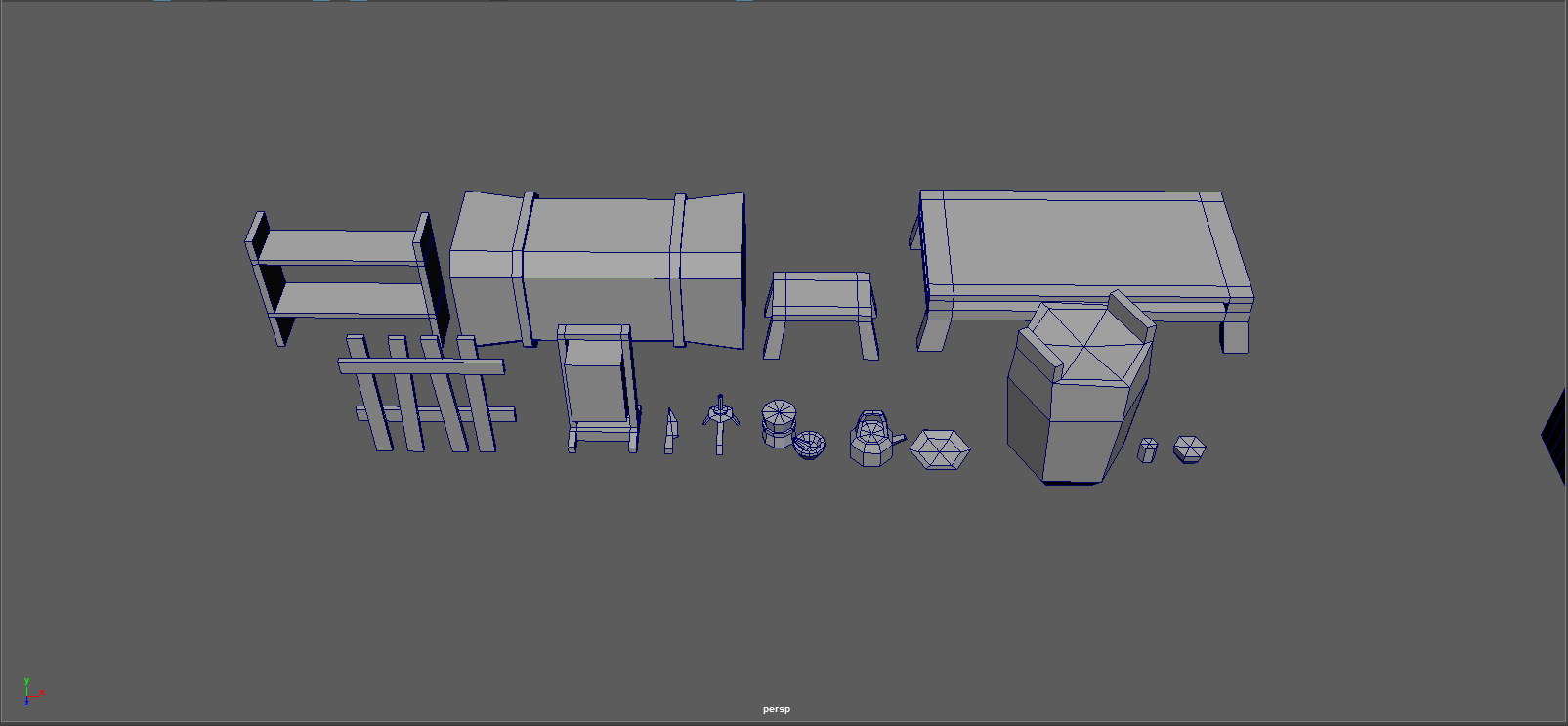
For this project, I created quite a few kits to ensure each location felt unique. A player would be able to tell if they were in the Temple, Caves, or City from a glance.
Several kits were created for cut locations and ended up being used elsewhere in the game.