
zero day
technology used

Unreal Engine

Blender

Adobe Illustrator

Adobe Photoshop
forward
Zero Day was an internal Puny Human project I worked on between contracts and during my free time from March 2021 to March 2023. Zero Day underwent many changes during this prototyping phase it was ultimately canceled when Puny Human closed its doors.
Below is a small accumulation of my work on the project over two years, some of the designs I documented, and what I learned. I greatly appreciate that Puny Human has allowed me to present this project on my portfolio, as it was an incredible learning experience for me, and I loved Zero Day.
city design concept
When my work began on Zero Day, it was heavily inspired by games like Escape From Tarkov and Hunt: Showdown. We wanted a large map that players would join and leave at will. When players joined, they aimed to complete contracts, obtain loot, and try to survive. In their way were AI enemies and other players competing for that same loot. Different teams of players would organically interact with each other and fight to the death to steal each other's loot.
All players had a primary objective to complete to allow extraction, but many other optional goals littered the level offering more rewards. I created an enormous, highly vertical city that could act like a lite sandbox to accomplish this loop.
city prototype screenshots
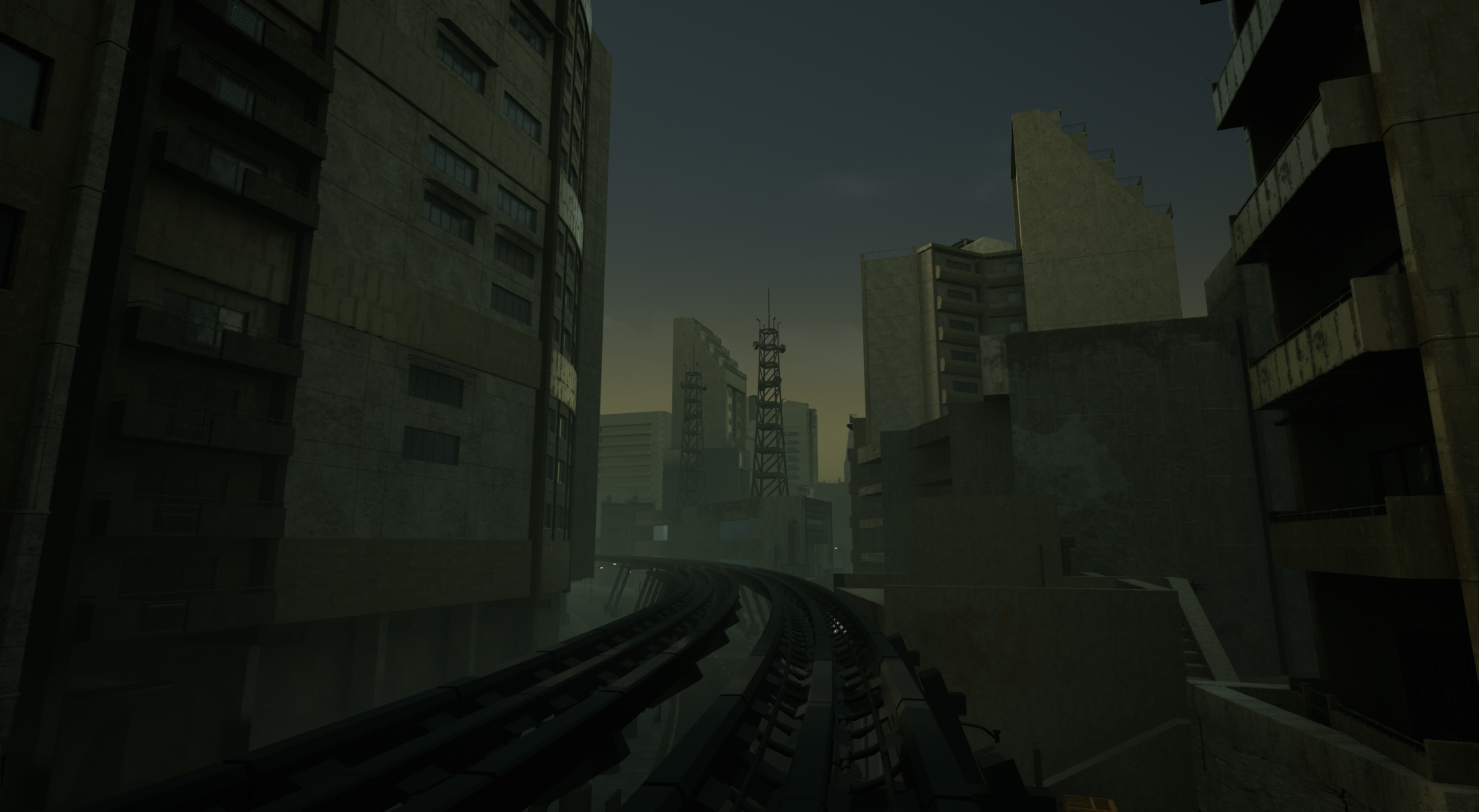
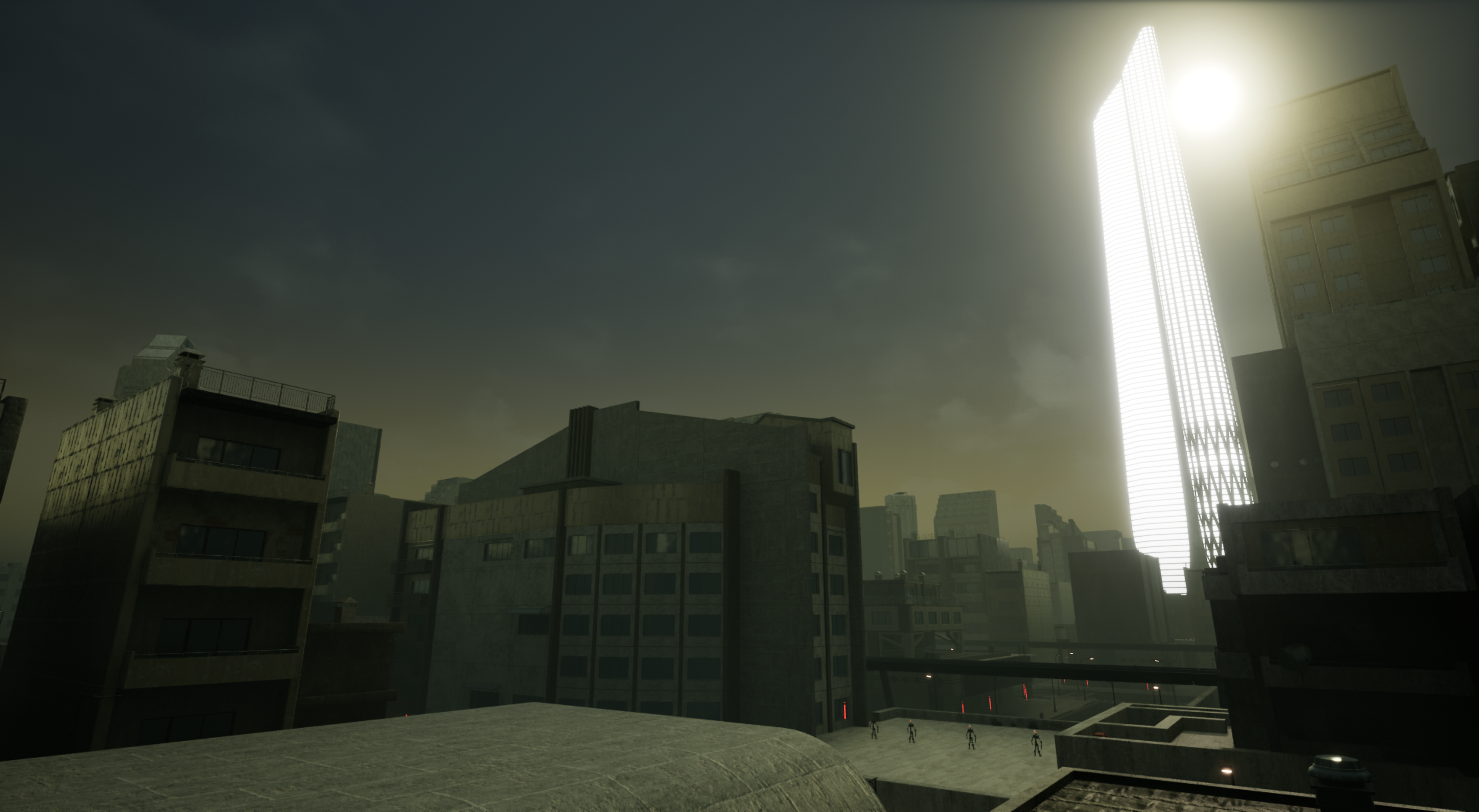
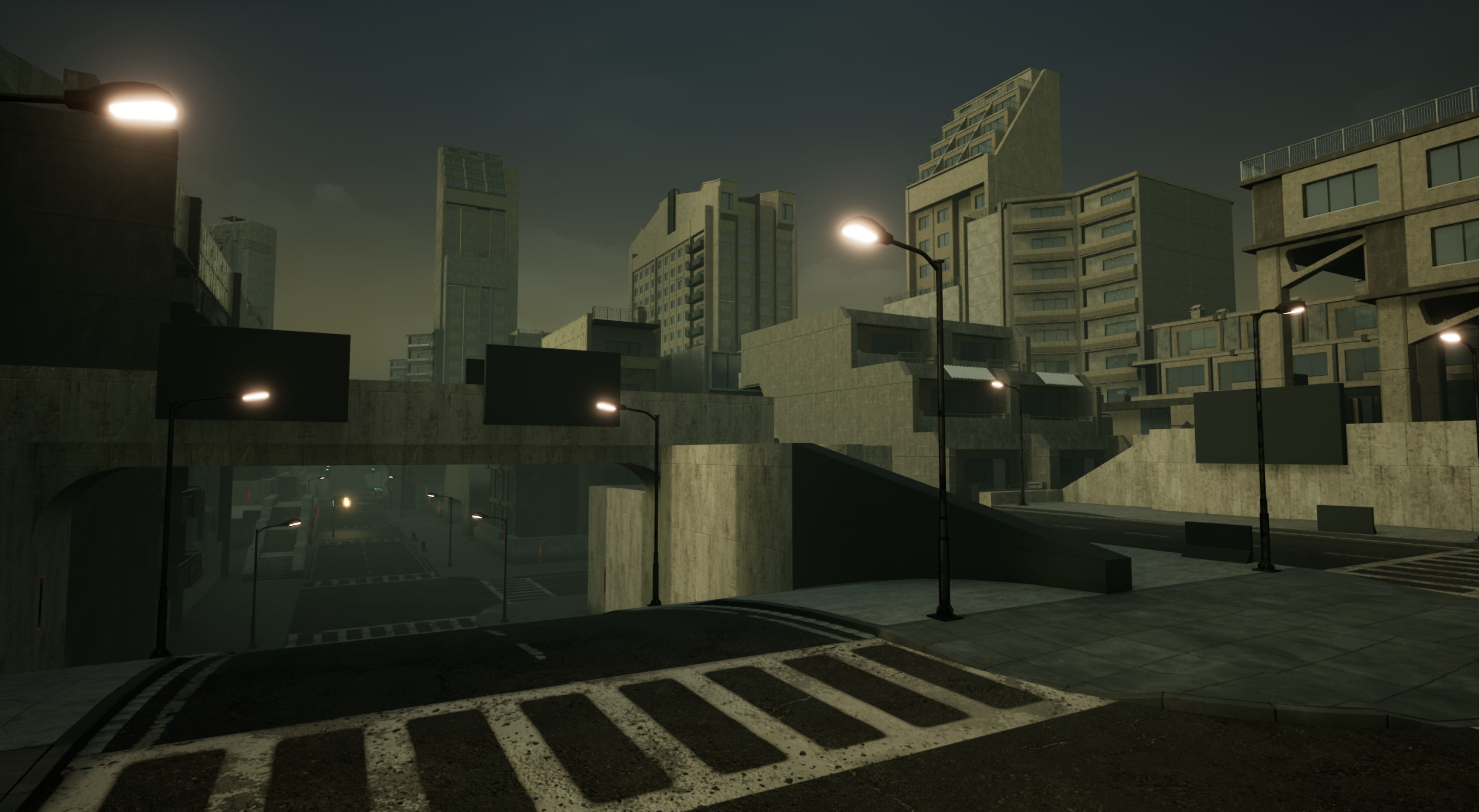
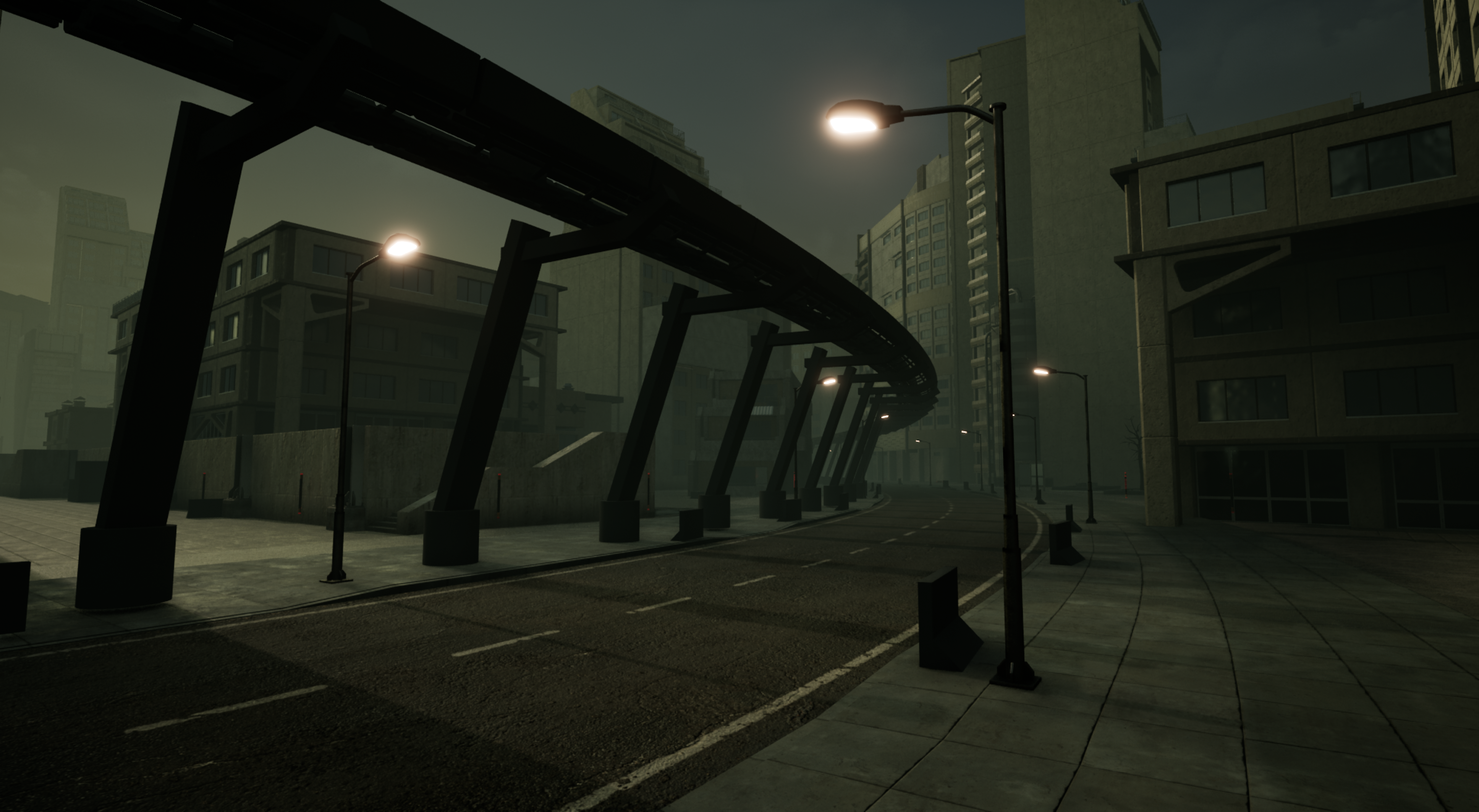
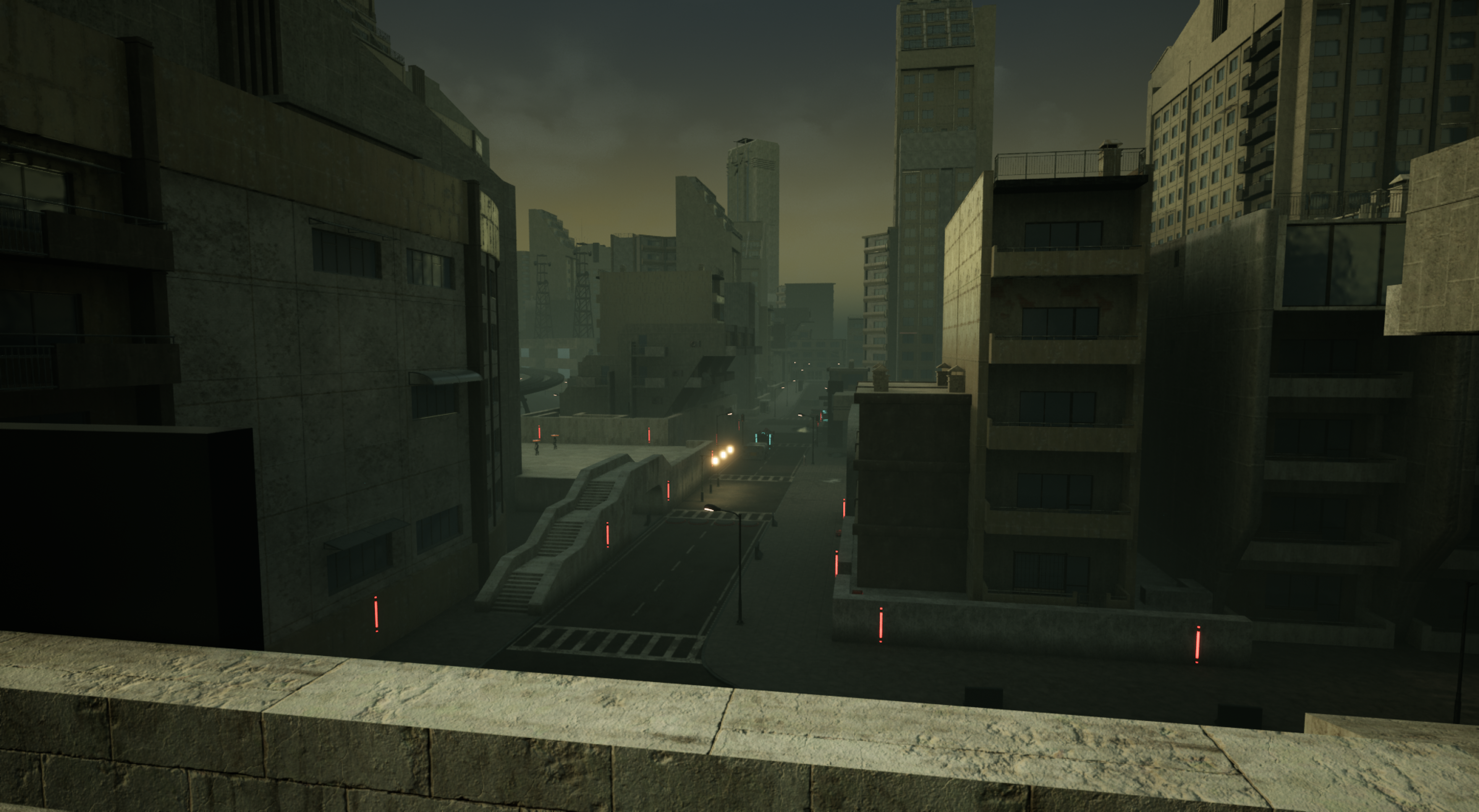
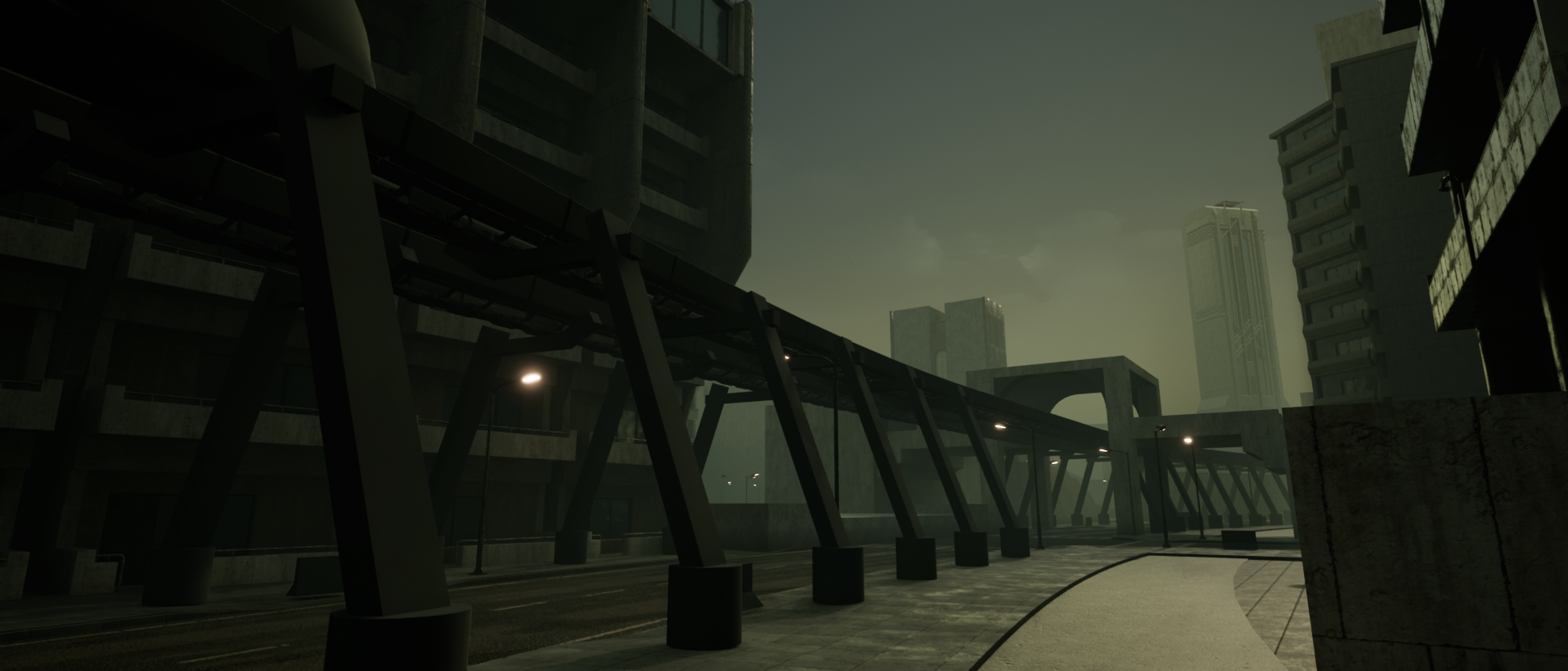
A heavy emphasis was placed on verticality and navigability when laying out this city map. Despite the oppressive, concrete surroundings, we wanted players always to know where they were but never find the navigation boring.
The city was constructed in layers, and each began to take on a unique gameplay feel, so the city was more like 2 or 3 levels all in one. Thanks to this, players found the level an exciting place to be.
city prototype sketches
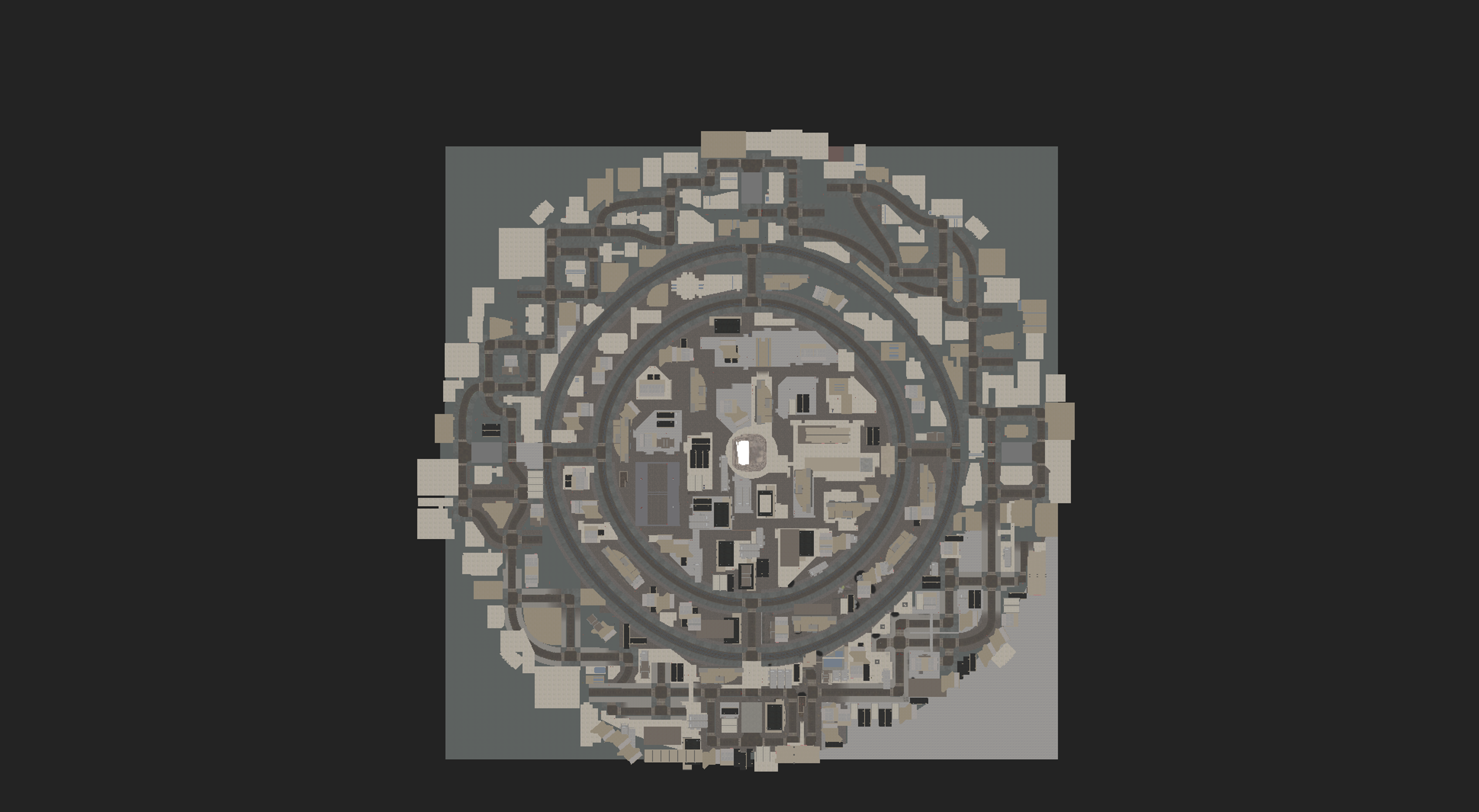
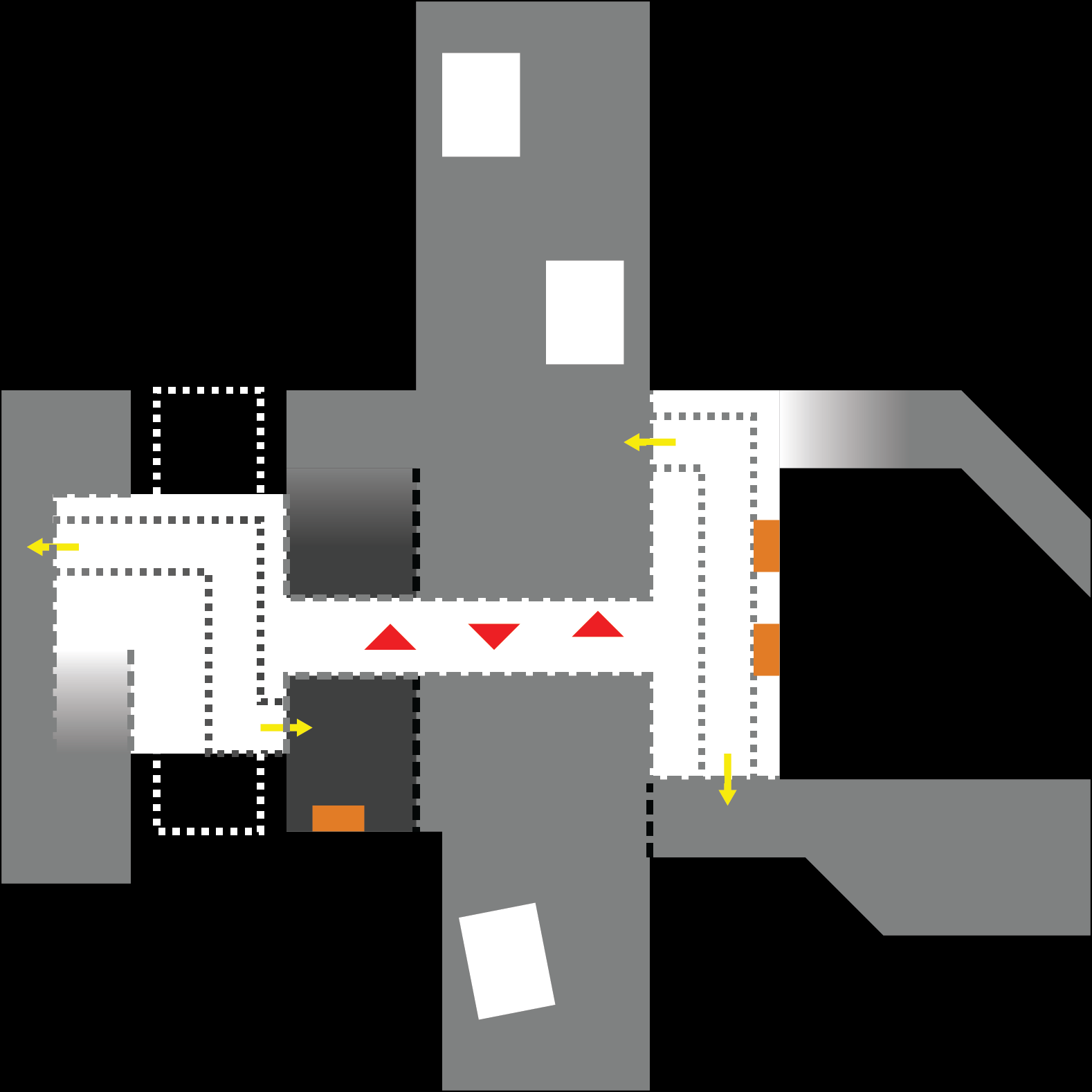
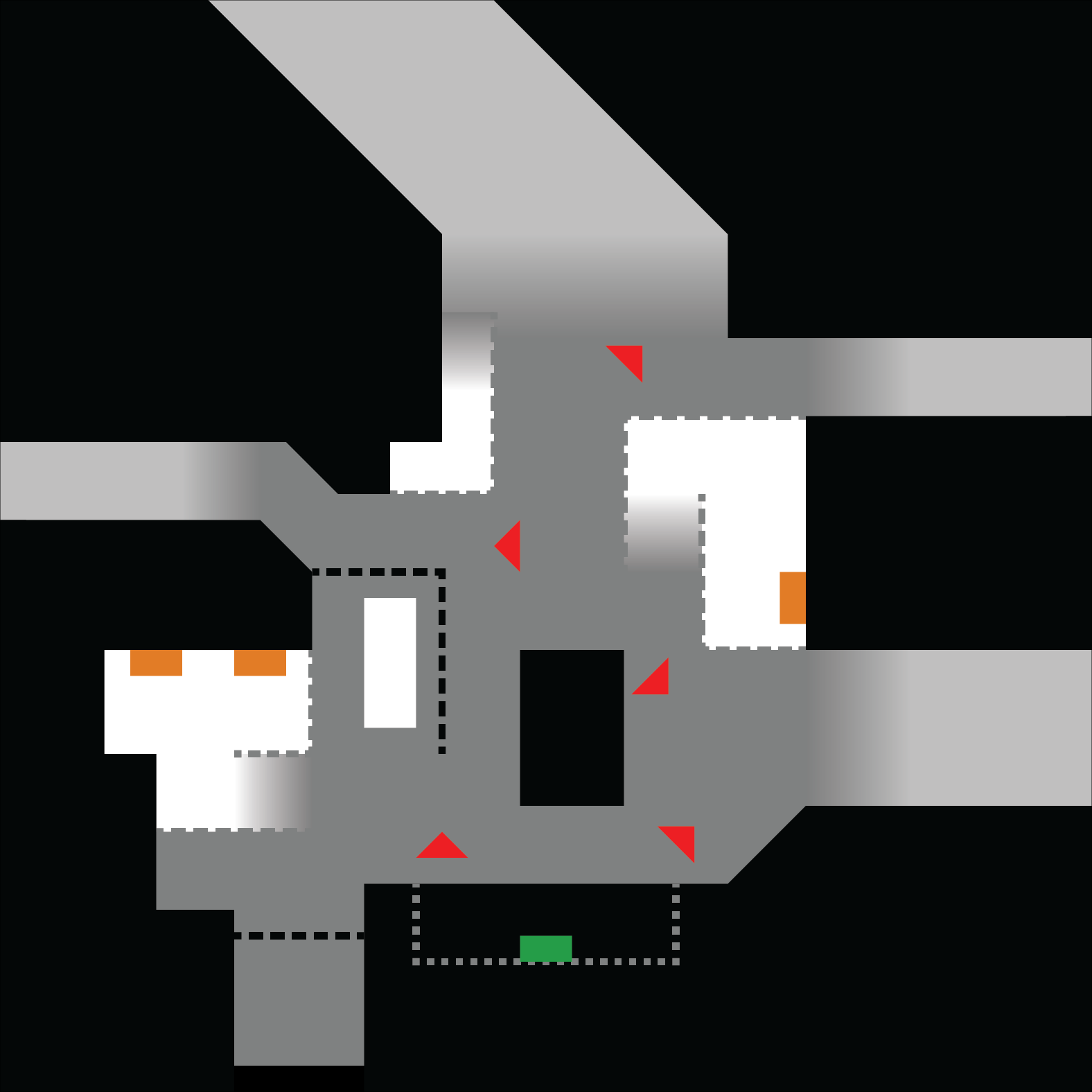
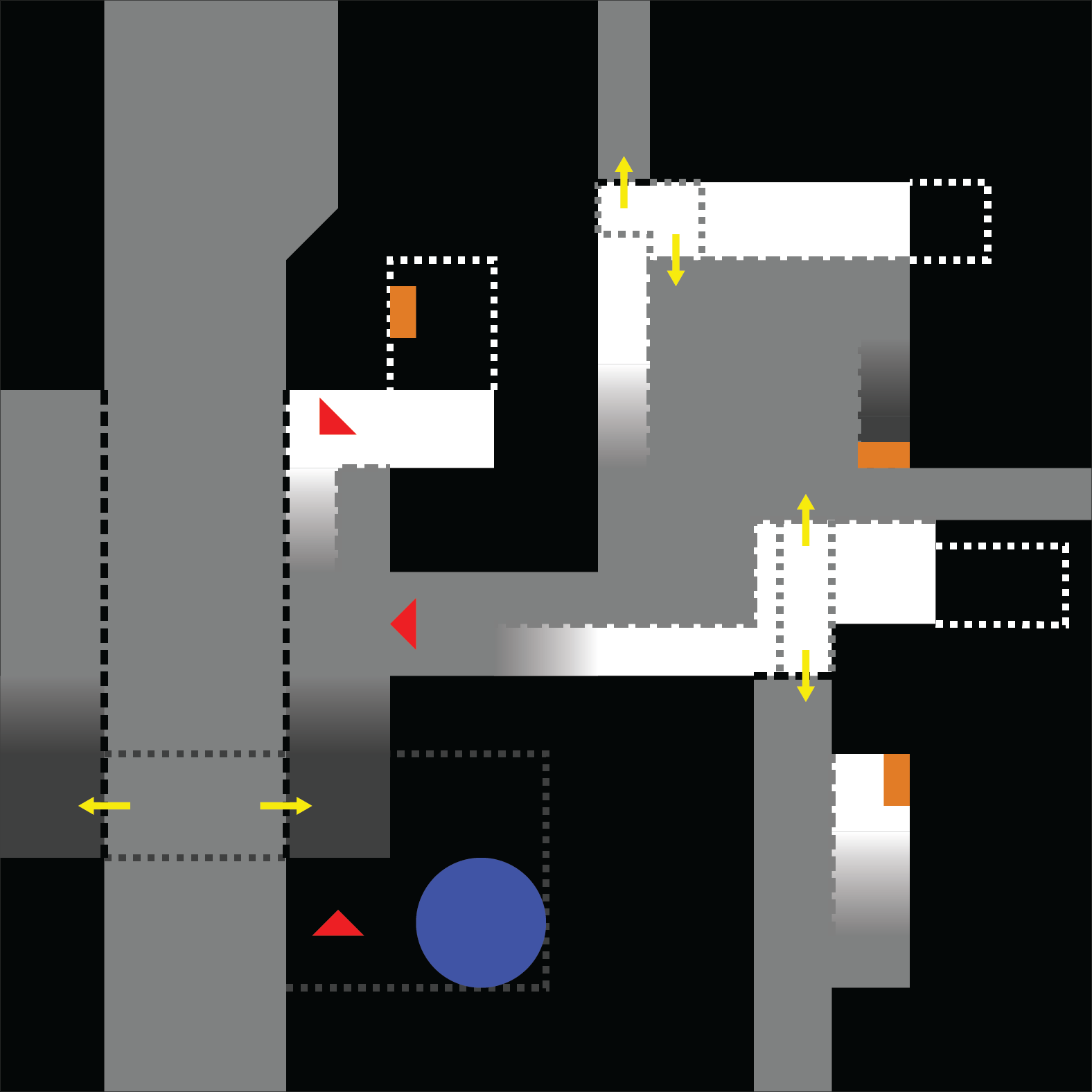
The layout of the city at large was a series of concentric circles with a tower in the center; this design helped players orient themselves and navigate quickly. We also split the map into segments and planned to give each a unique theme to improve players' understanding of their location further.
However, this large map needed to be denser to support the gameplay, and I began to design individual blocks; each would serve a tight and exciting experience. No matter where players and enemies were, there was room for memorable encounters. As we explored this idea, we realized that this large city was out of scope and presented some fundamental design challenges, so we restructured our approach to the levels.
district design concept
While working on the city prototype, we realized that such a large, complex level with non-traditional multiplayer on top of the existing complexity of a dual-space looter shooter was simply out of scope. For that reason, the districts prototype was born.
This design still focused on PvPvE looting and shooting but with smaller levels chained together linearly. This design decreased the scope, made room for quicker post-release content, and did so without changing our core or pillars. A majority of my time with ZD was spent with this prototype.
district prototype screenshots
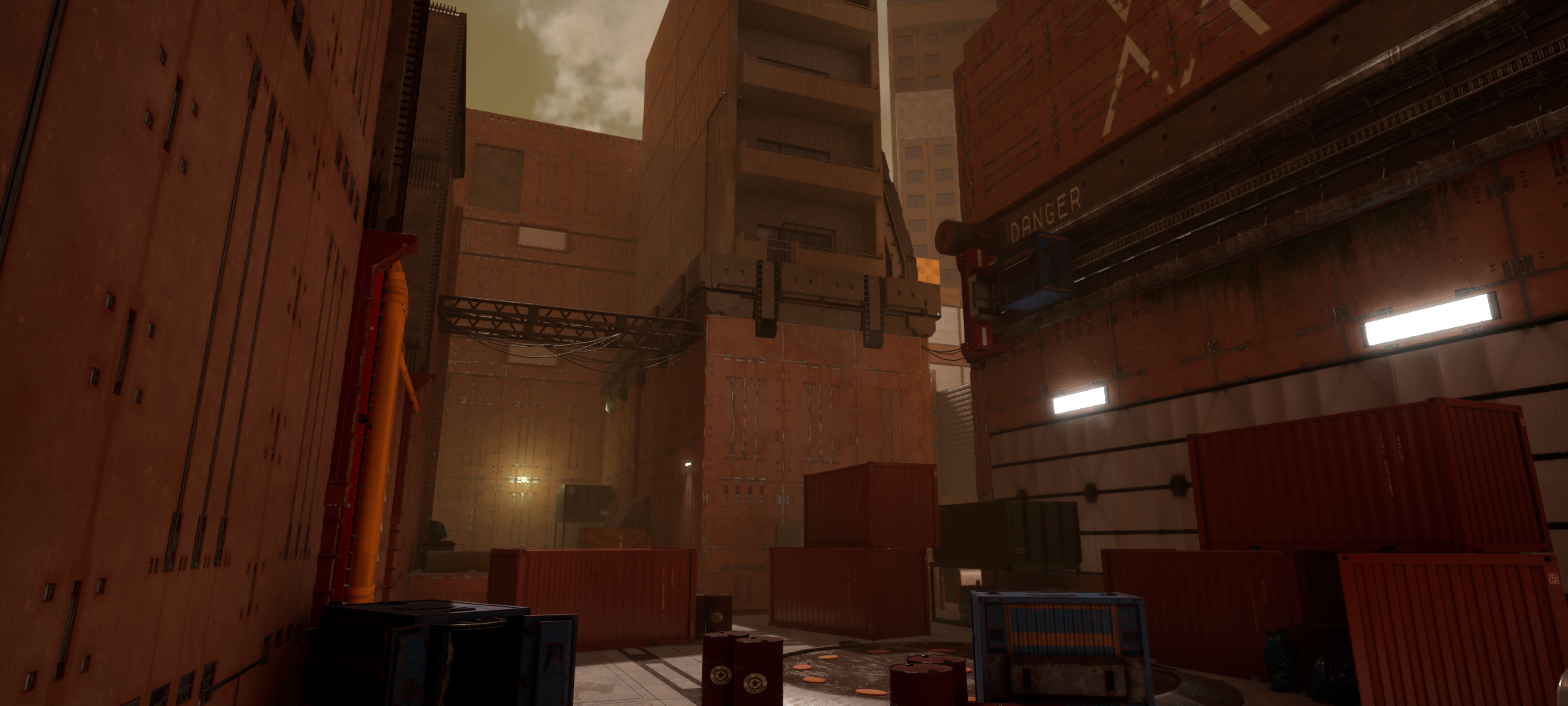
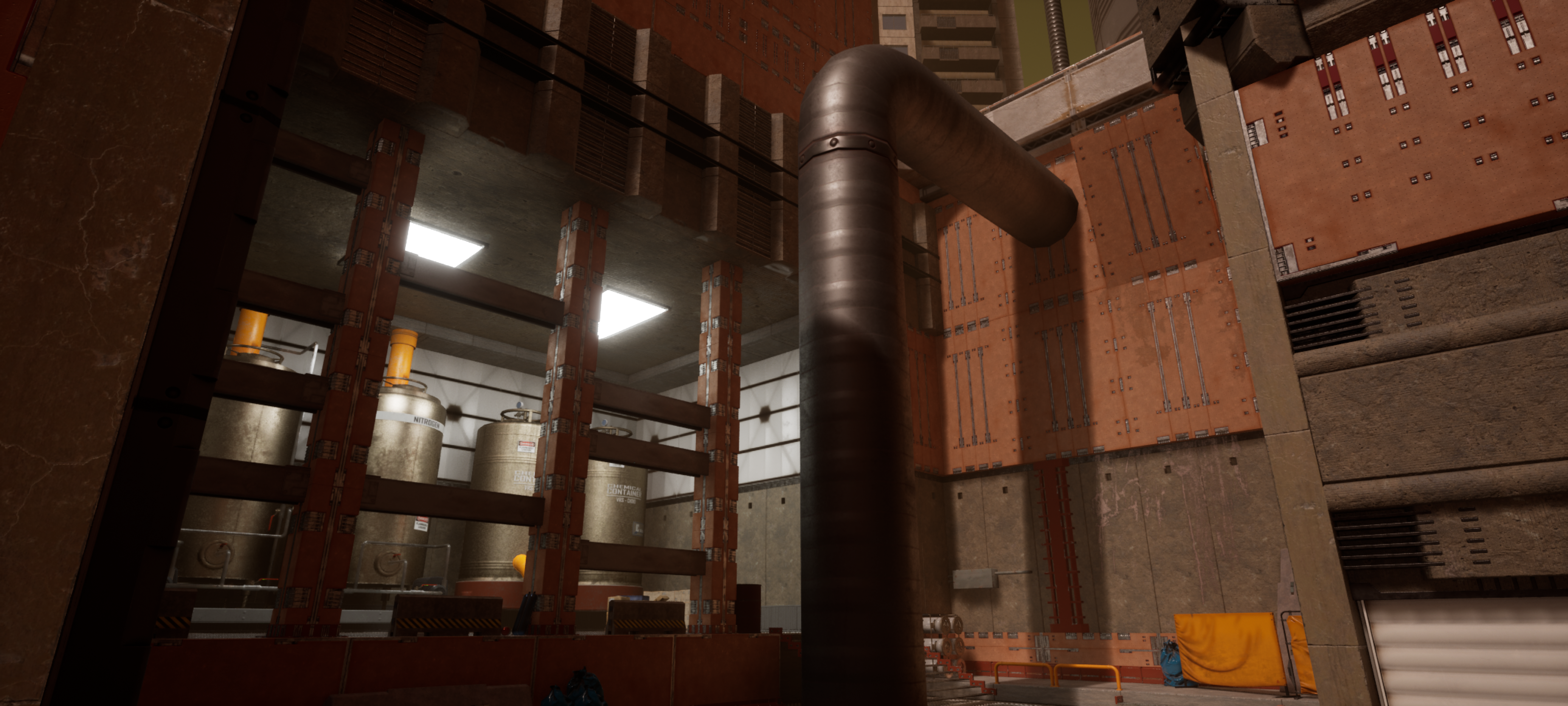
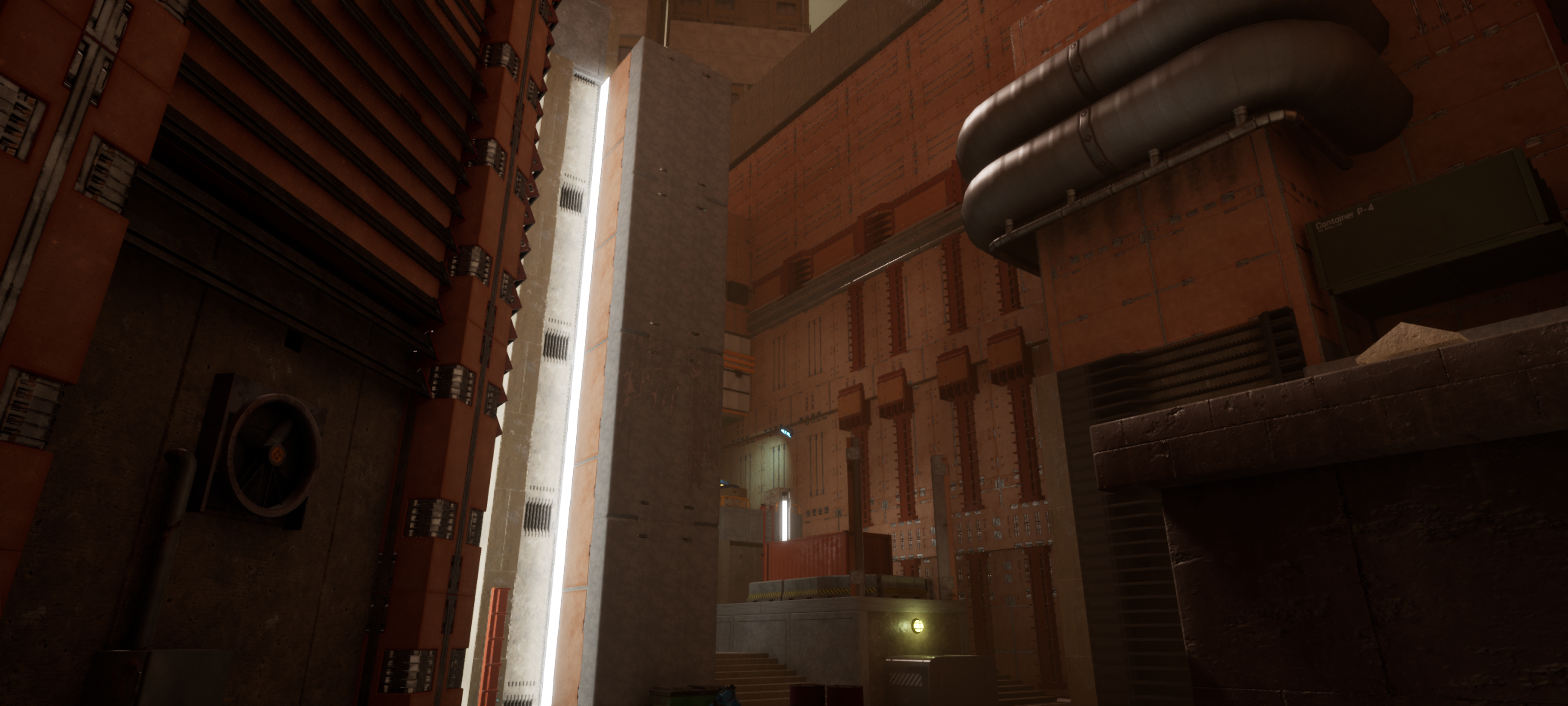
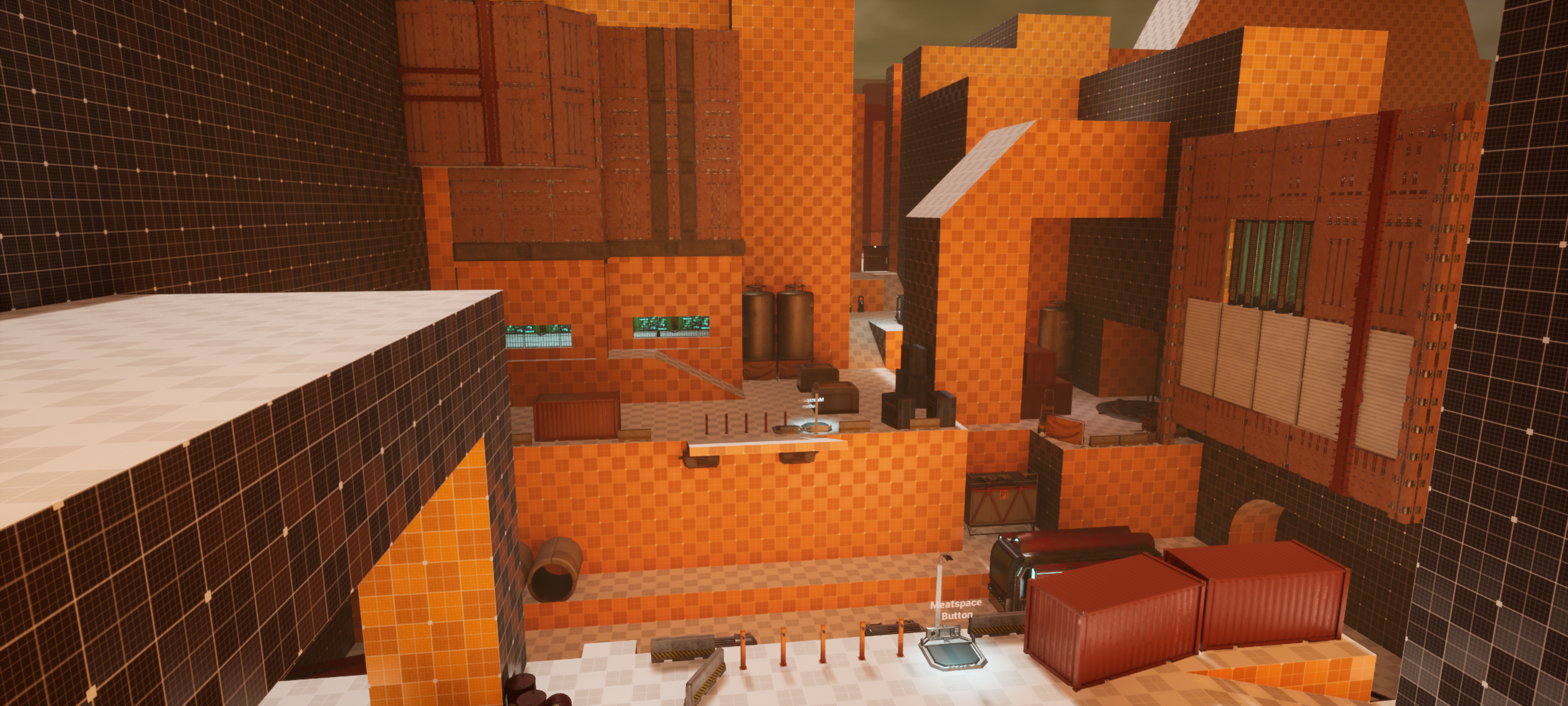
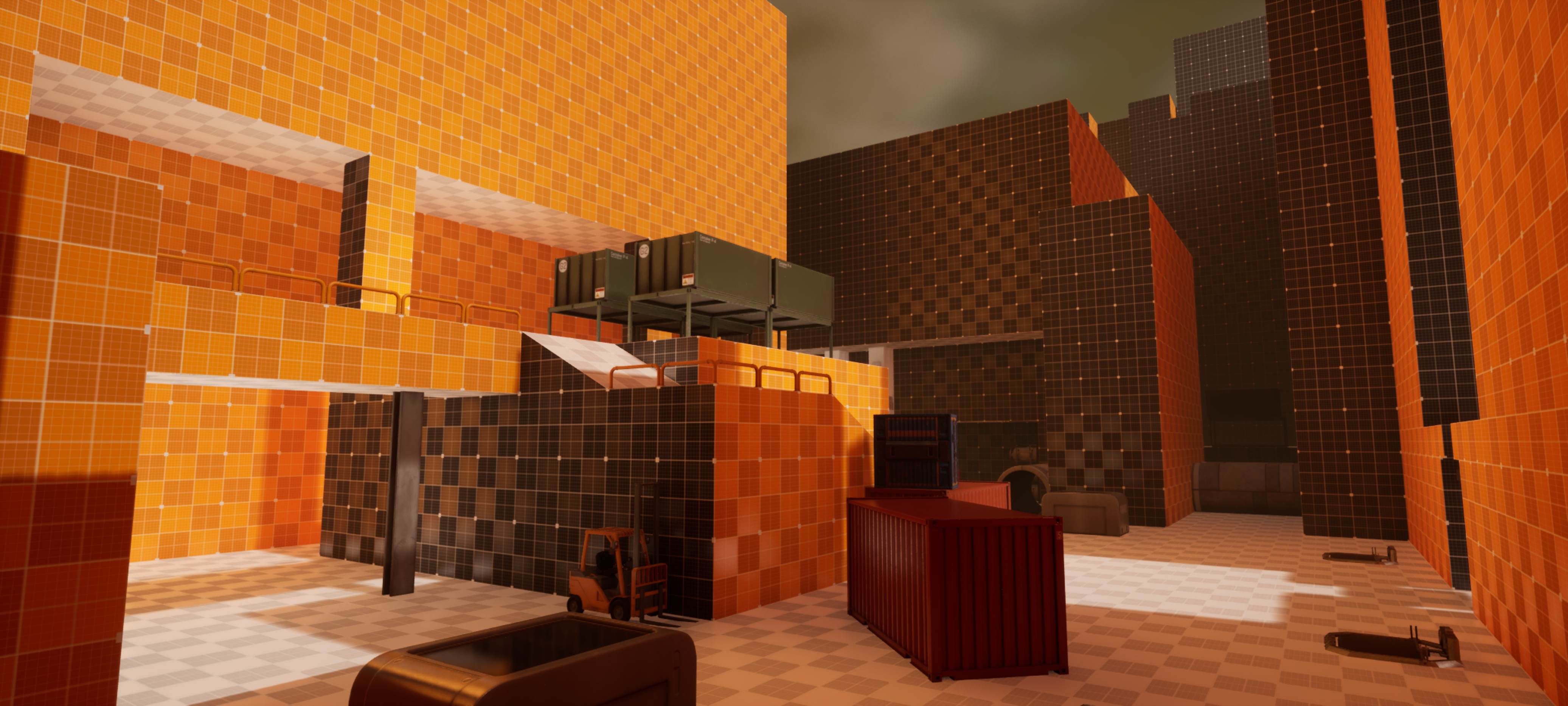
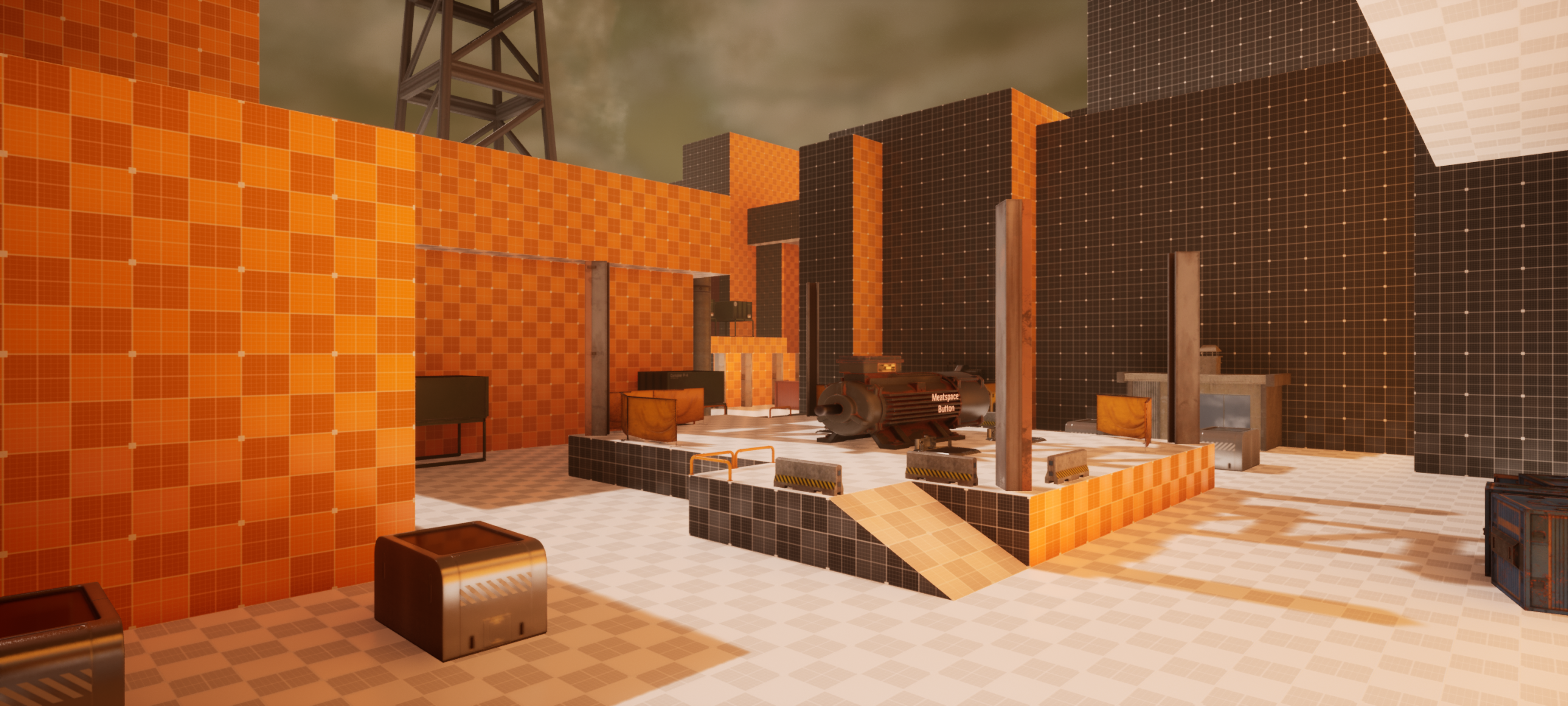
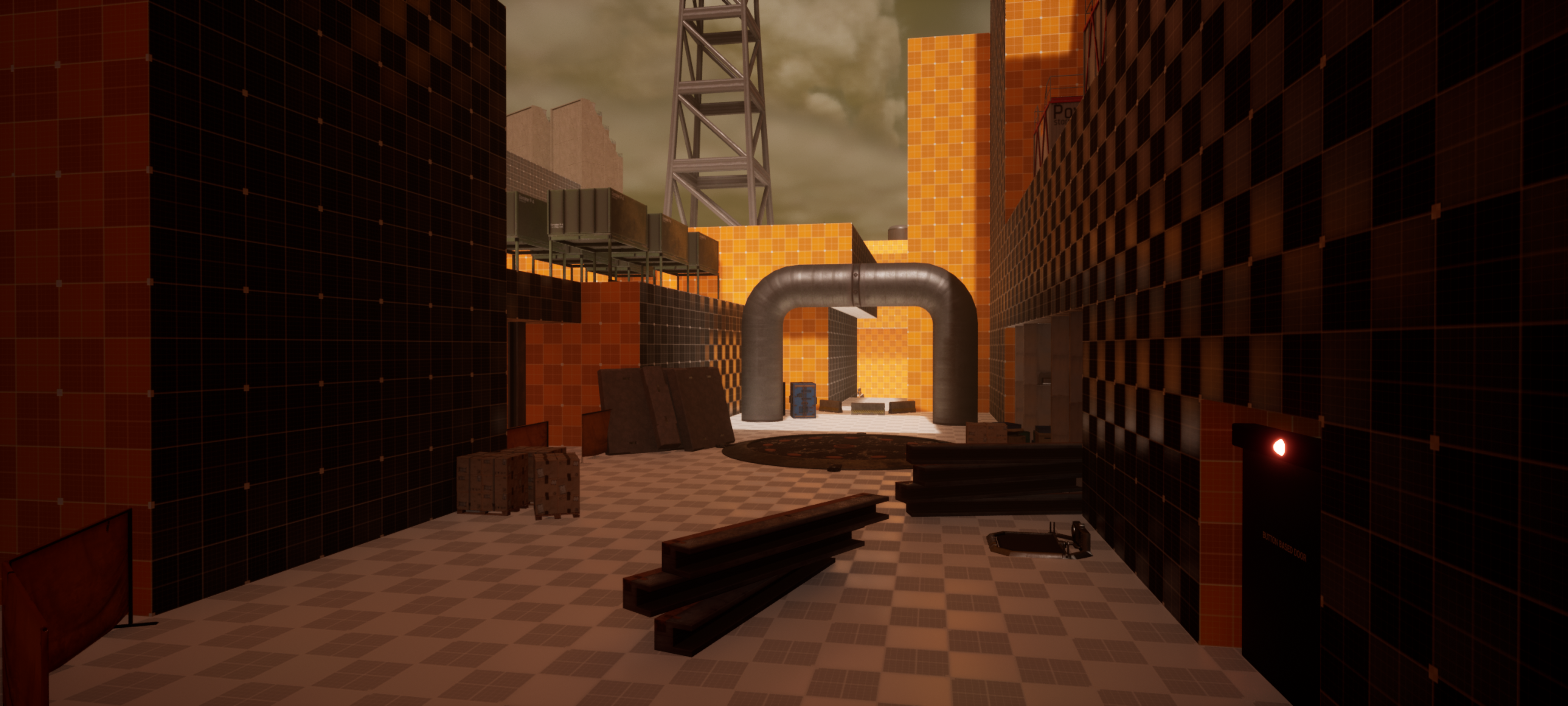
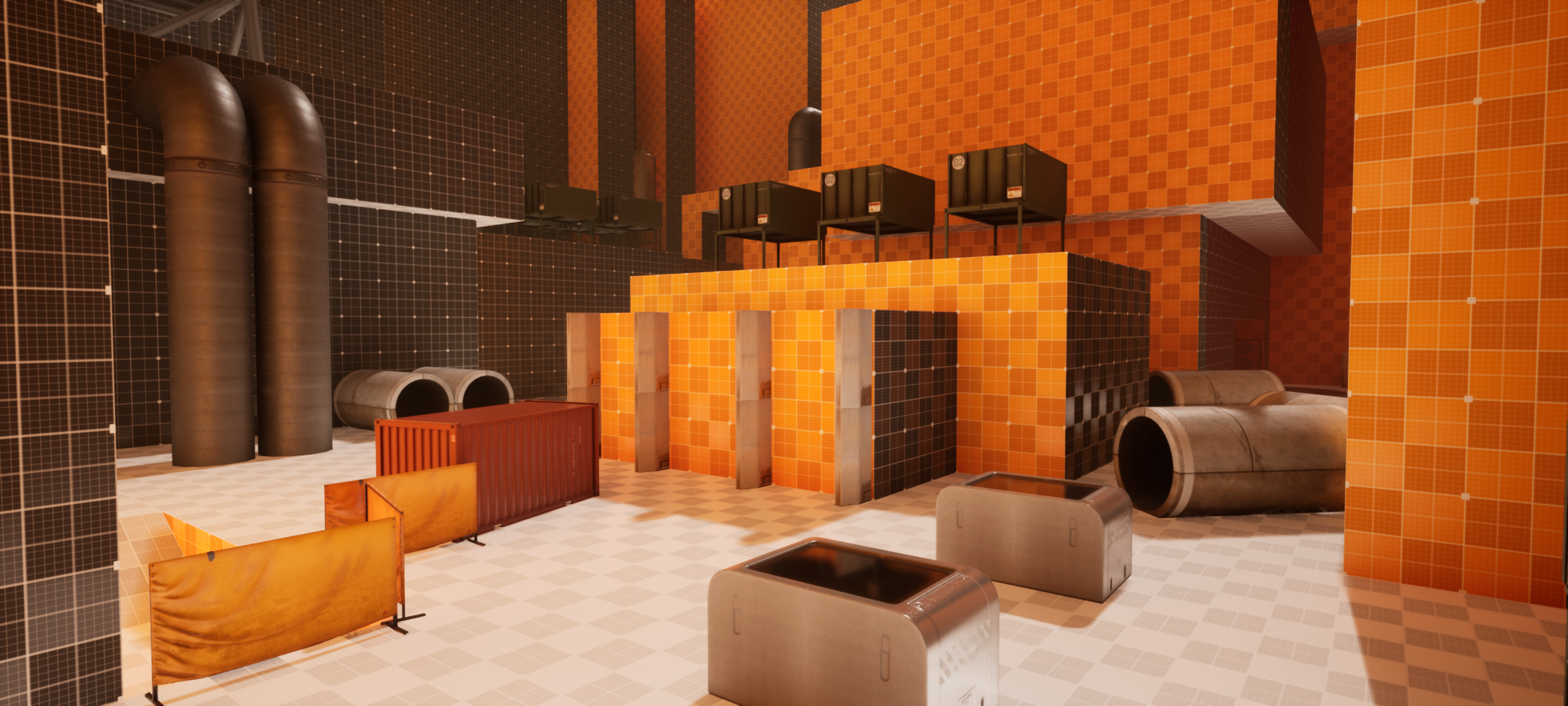
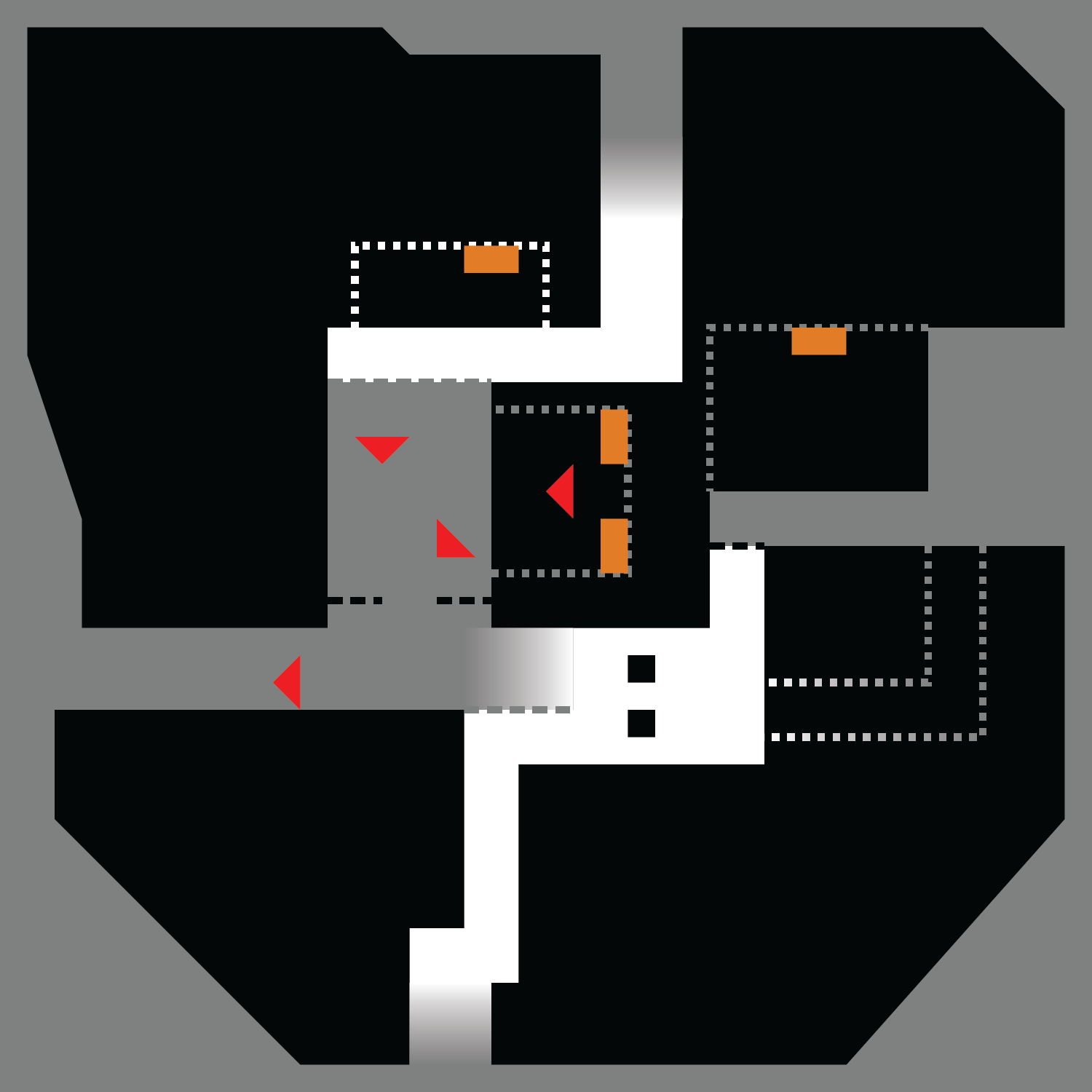
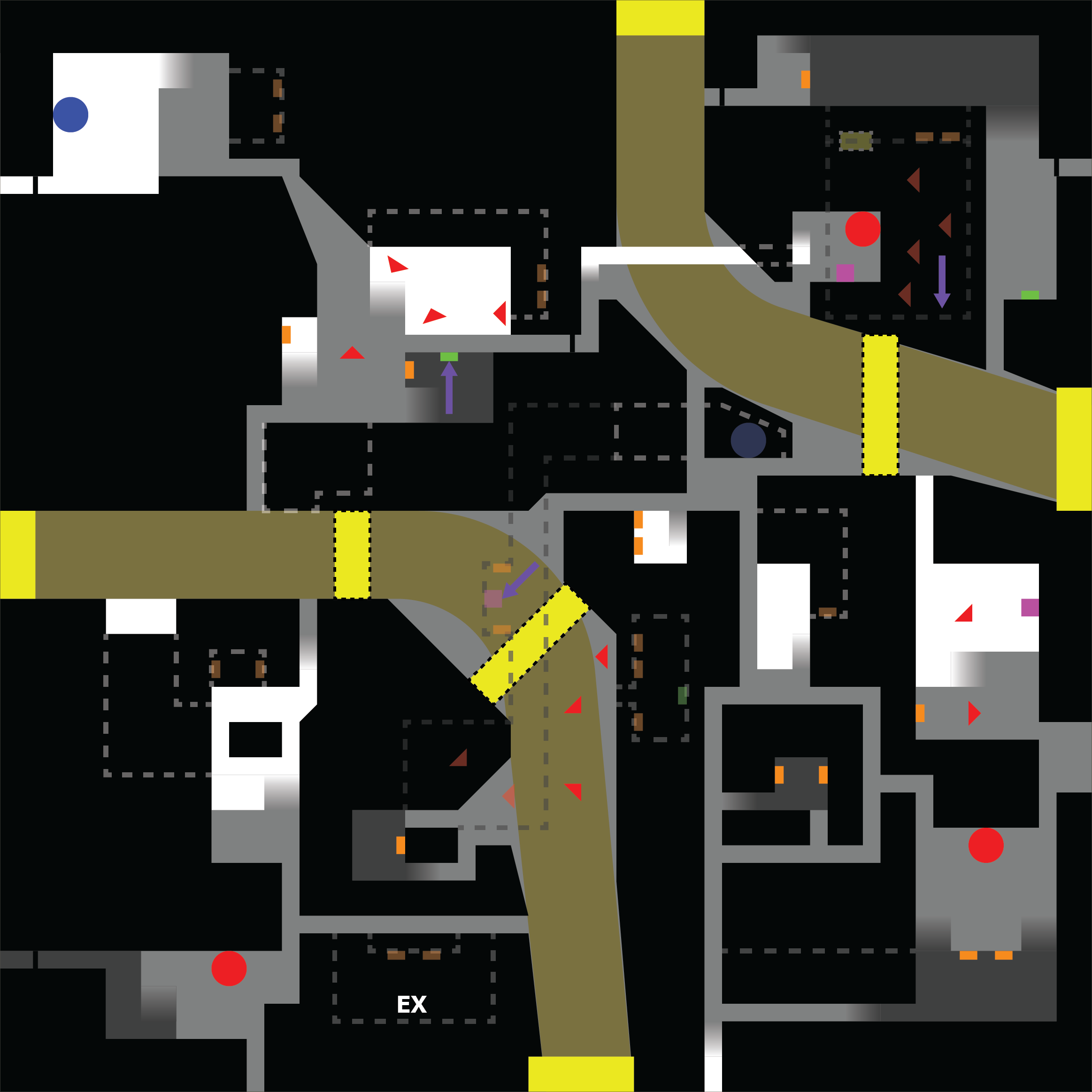
As we worked on the prototypes for the districts design, art direction and assets began to trickle down. This new direction took us away from the concrete brutalist architecture from before and into a 3D-printed industrial look, which gave Zero Day a unique and inspiring aesthetic which influenced how I built levels form then on. This art style also worked better with the tighter spaces we moved toward with the districts.
district prototype sketches
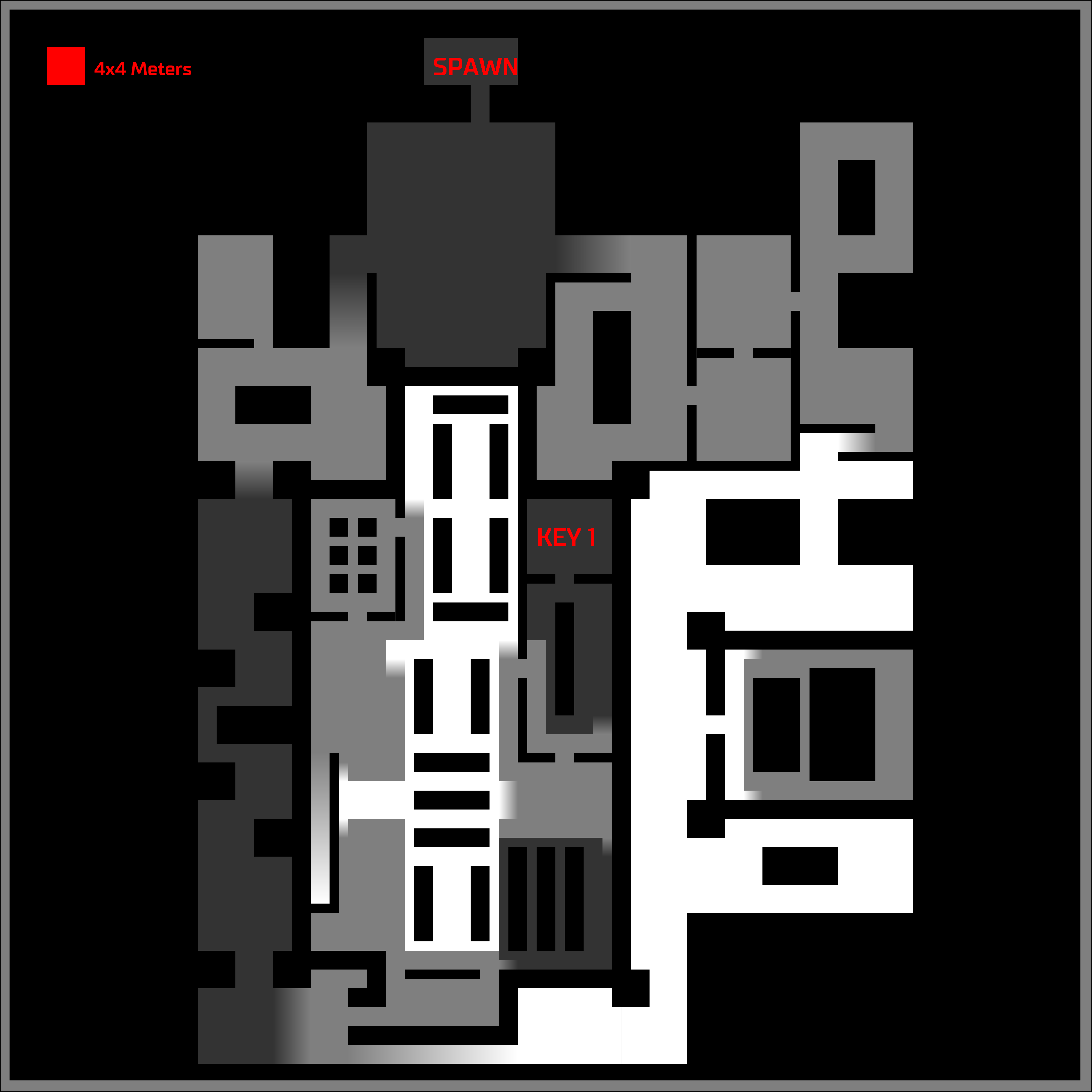
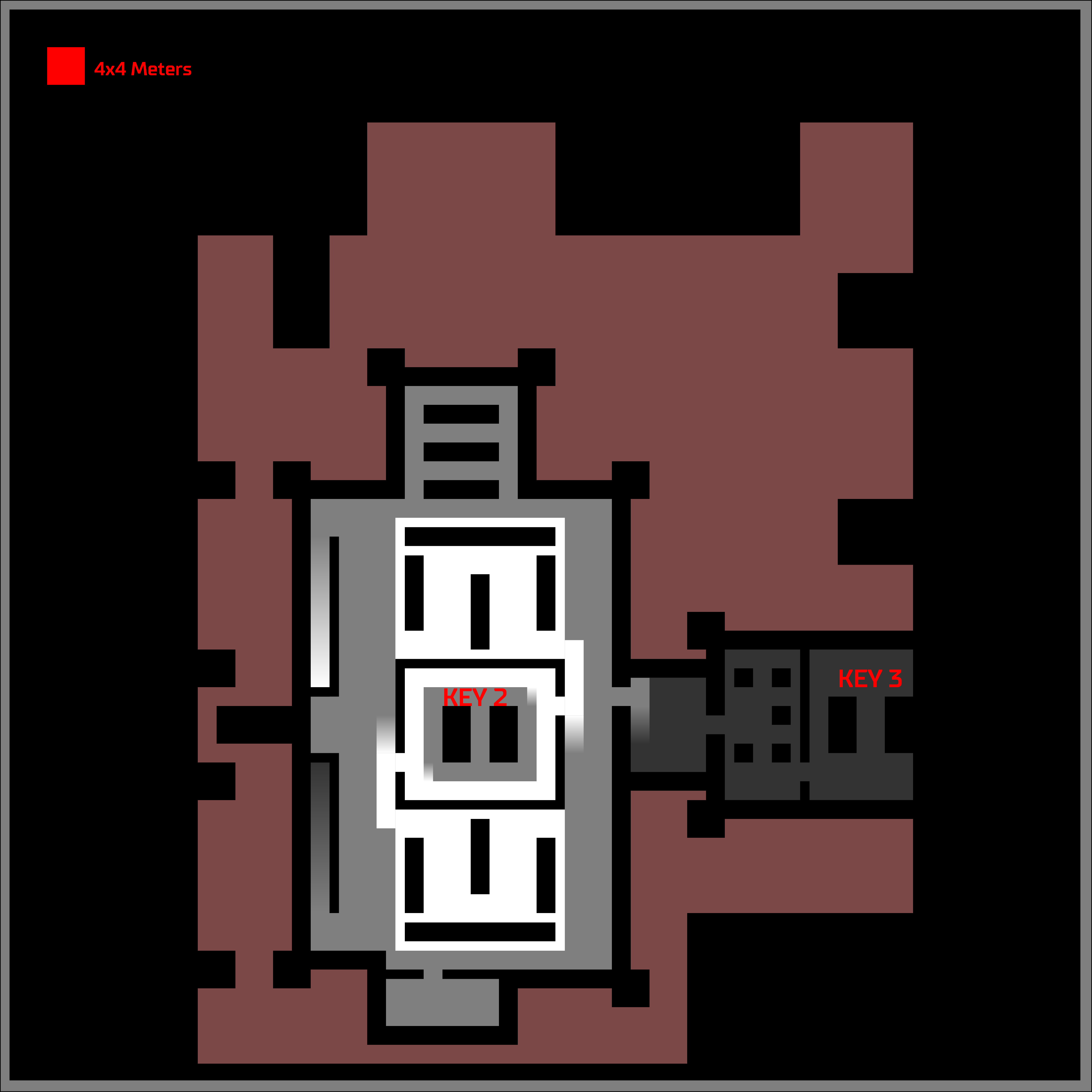
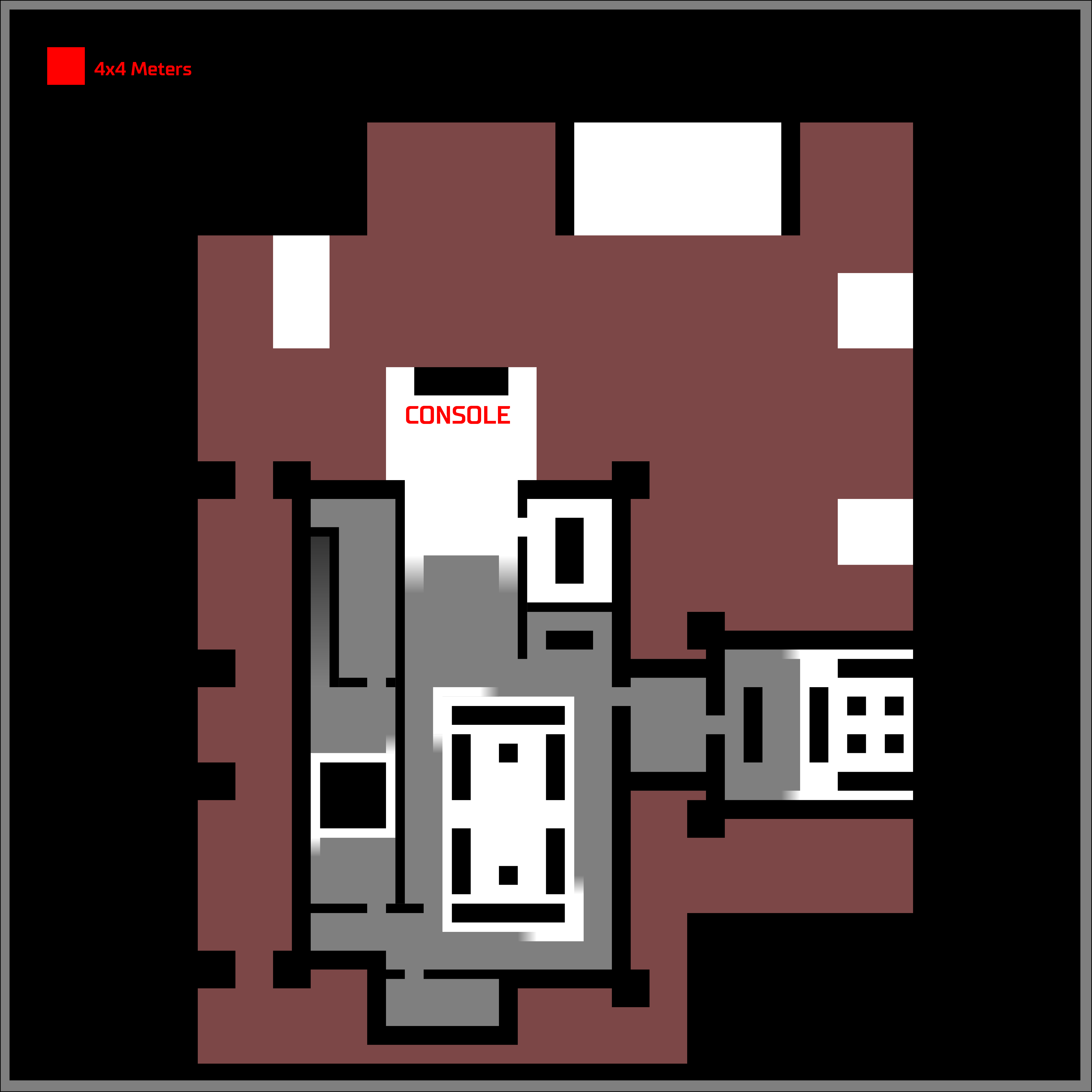
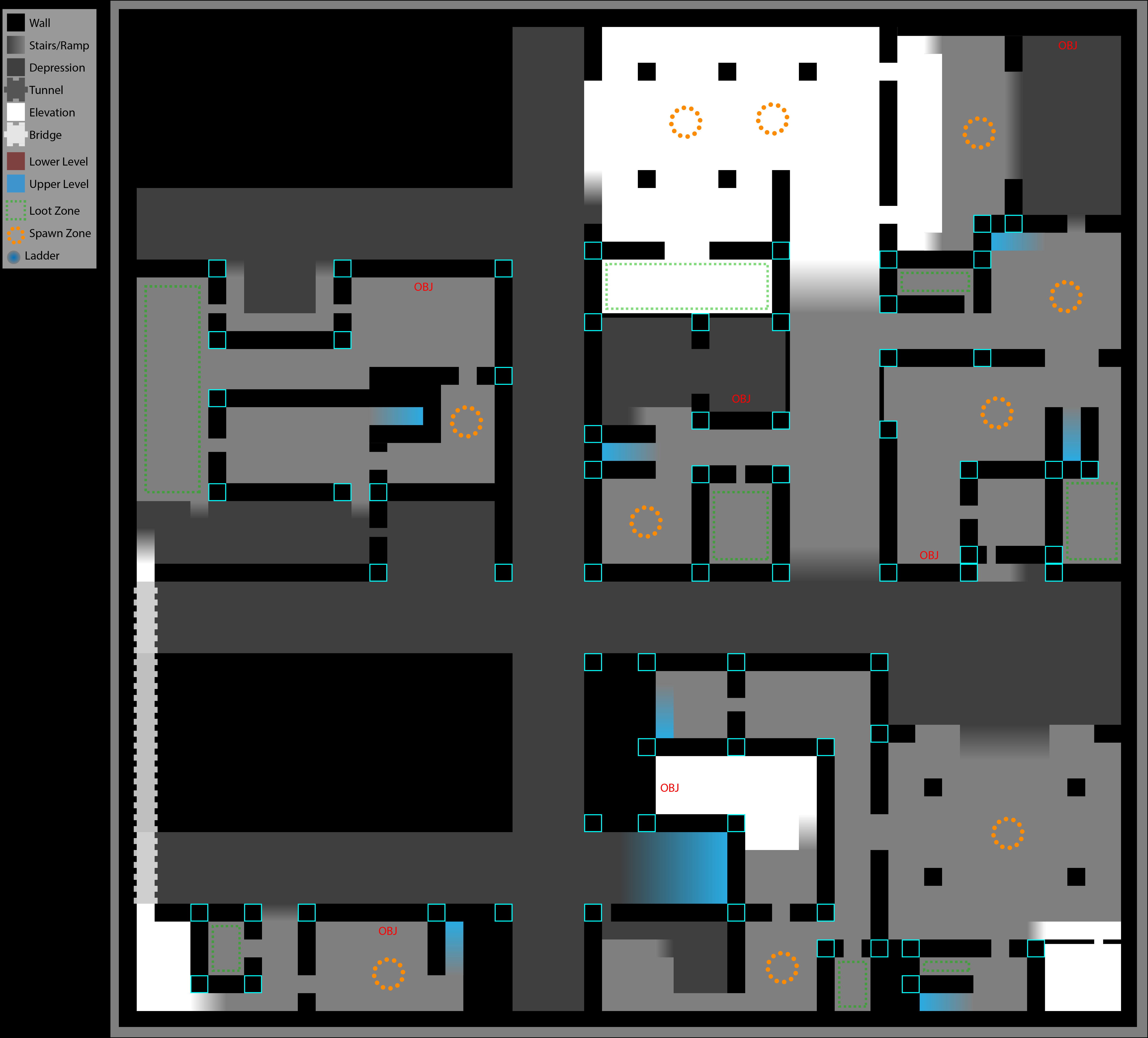
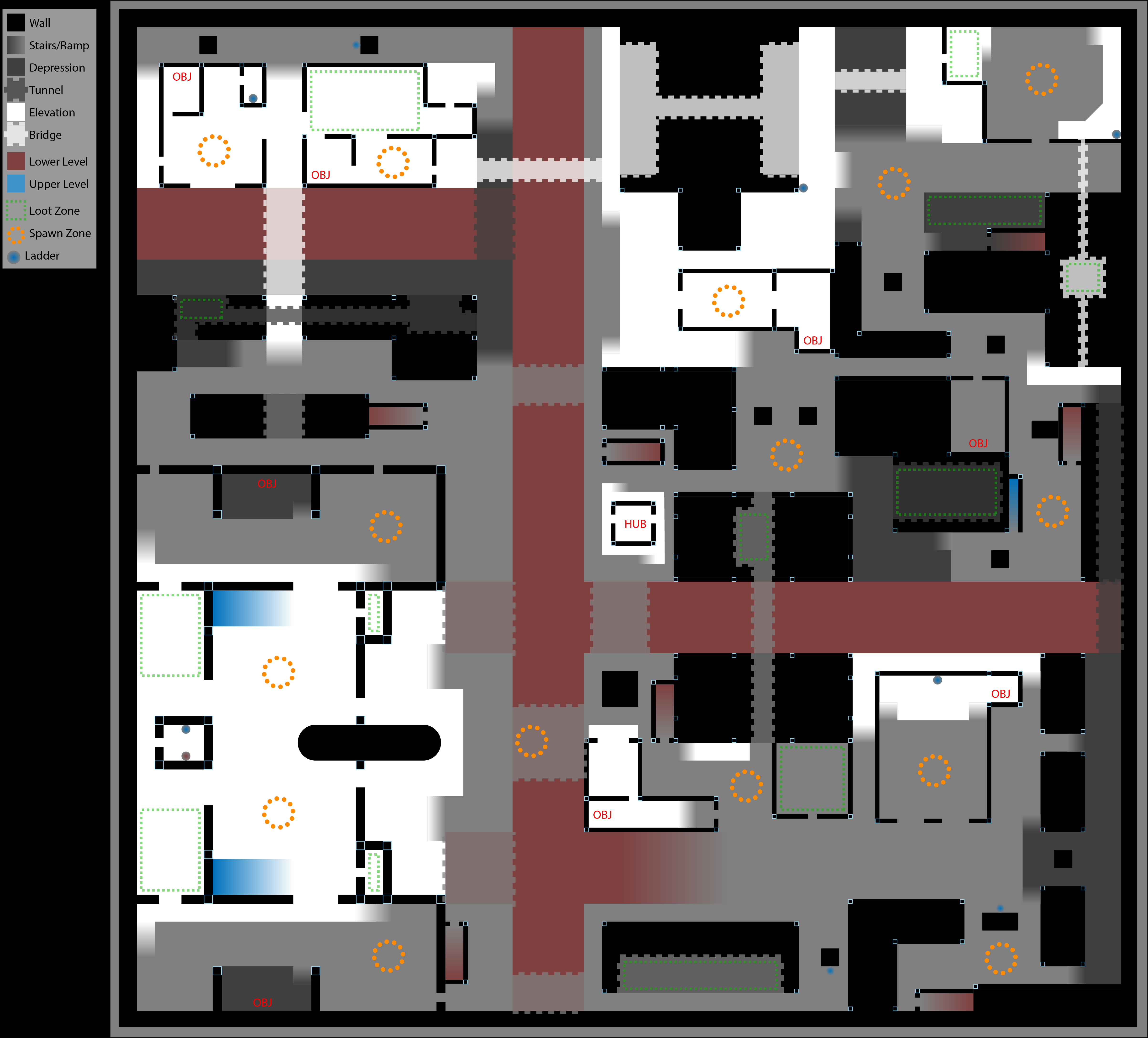
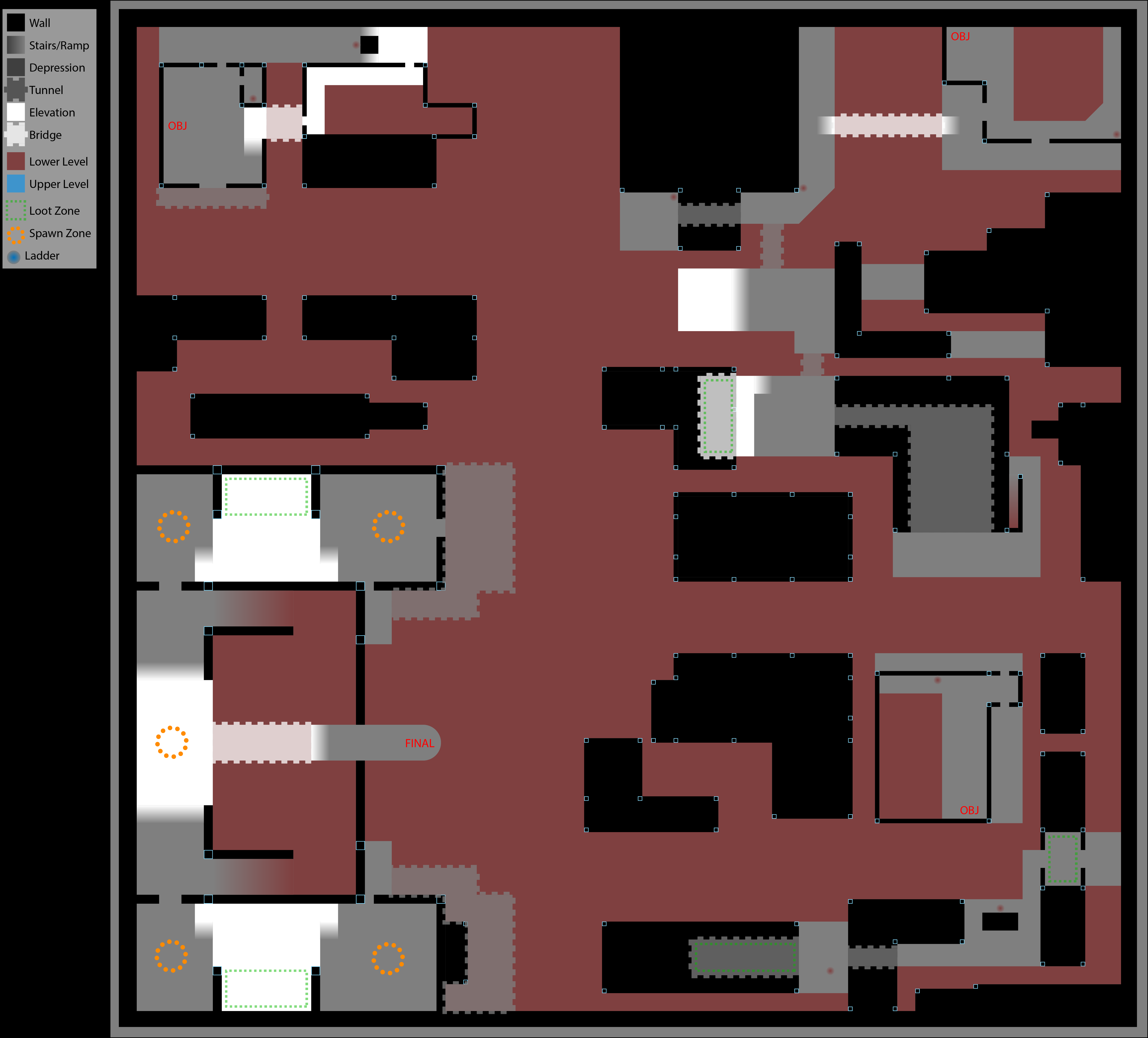
The districts focused on themed multi-block segments of the city, each with various objectives, enemies, loot, and other activities. Through testing, we found 150x150m was ideal for making each district feel large and complex enough for players to strategize without being so large that it felt empty or overwhelming.
assorted design boards
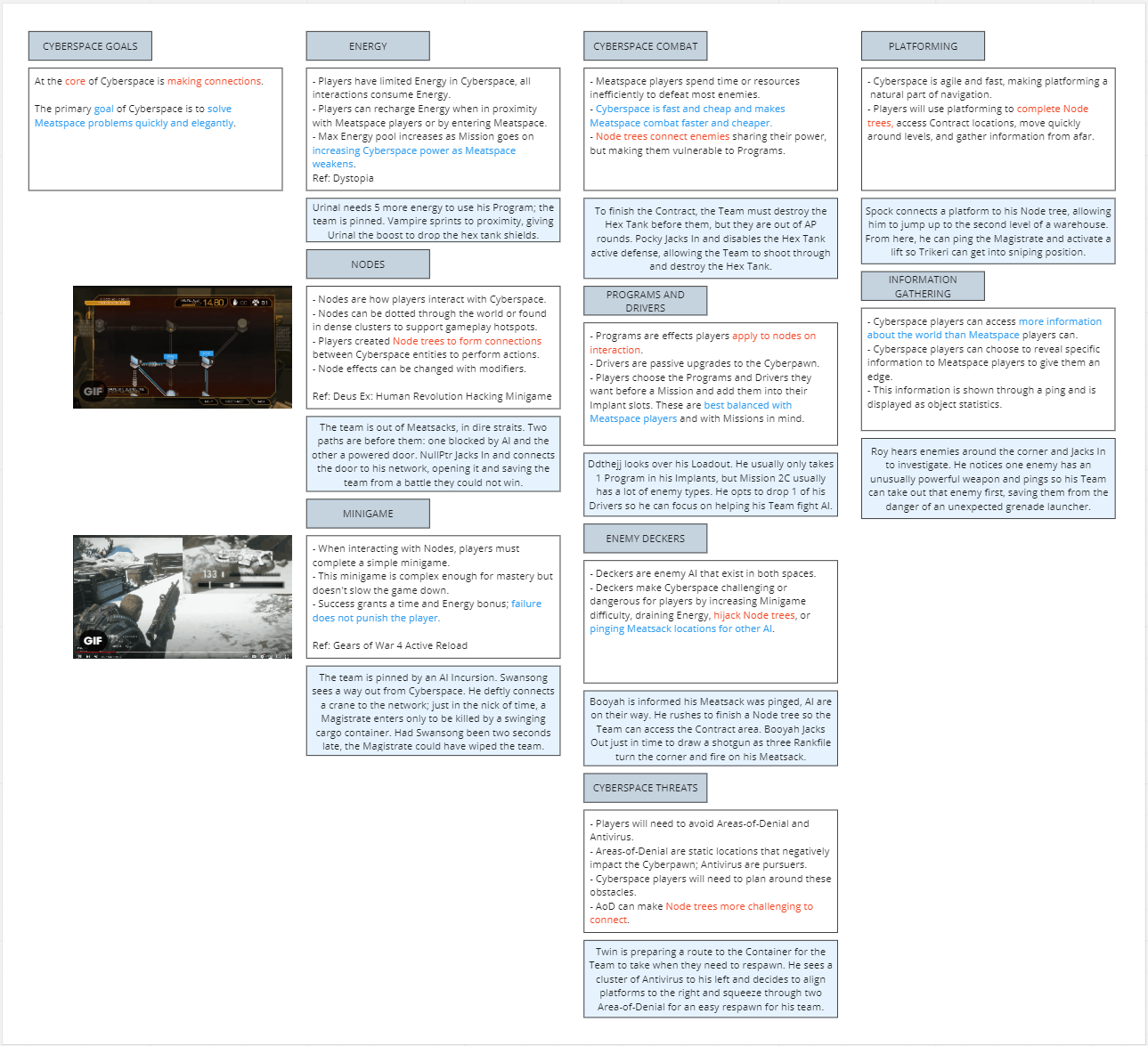
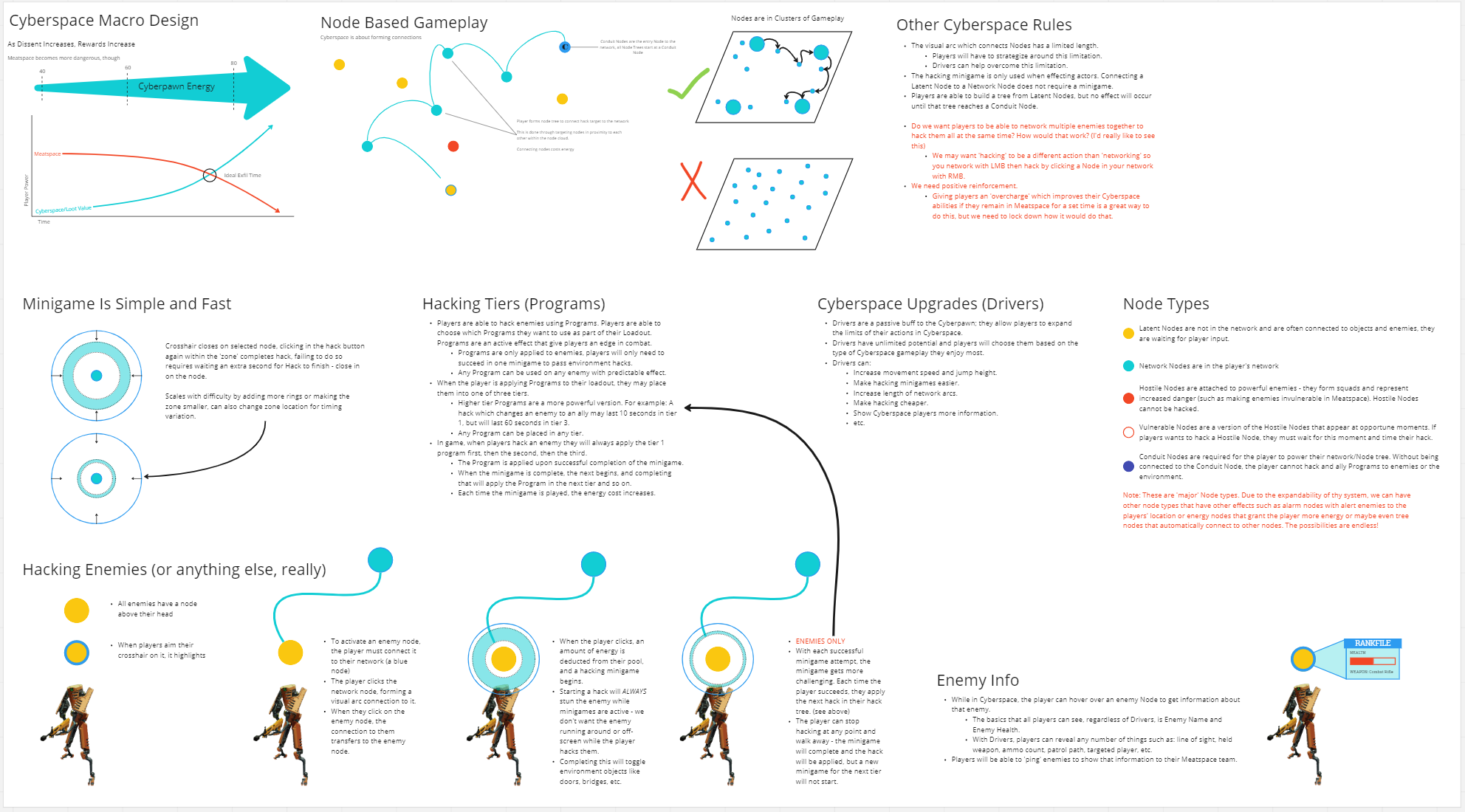
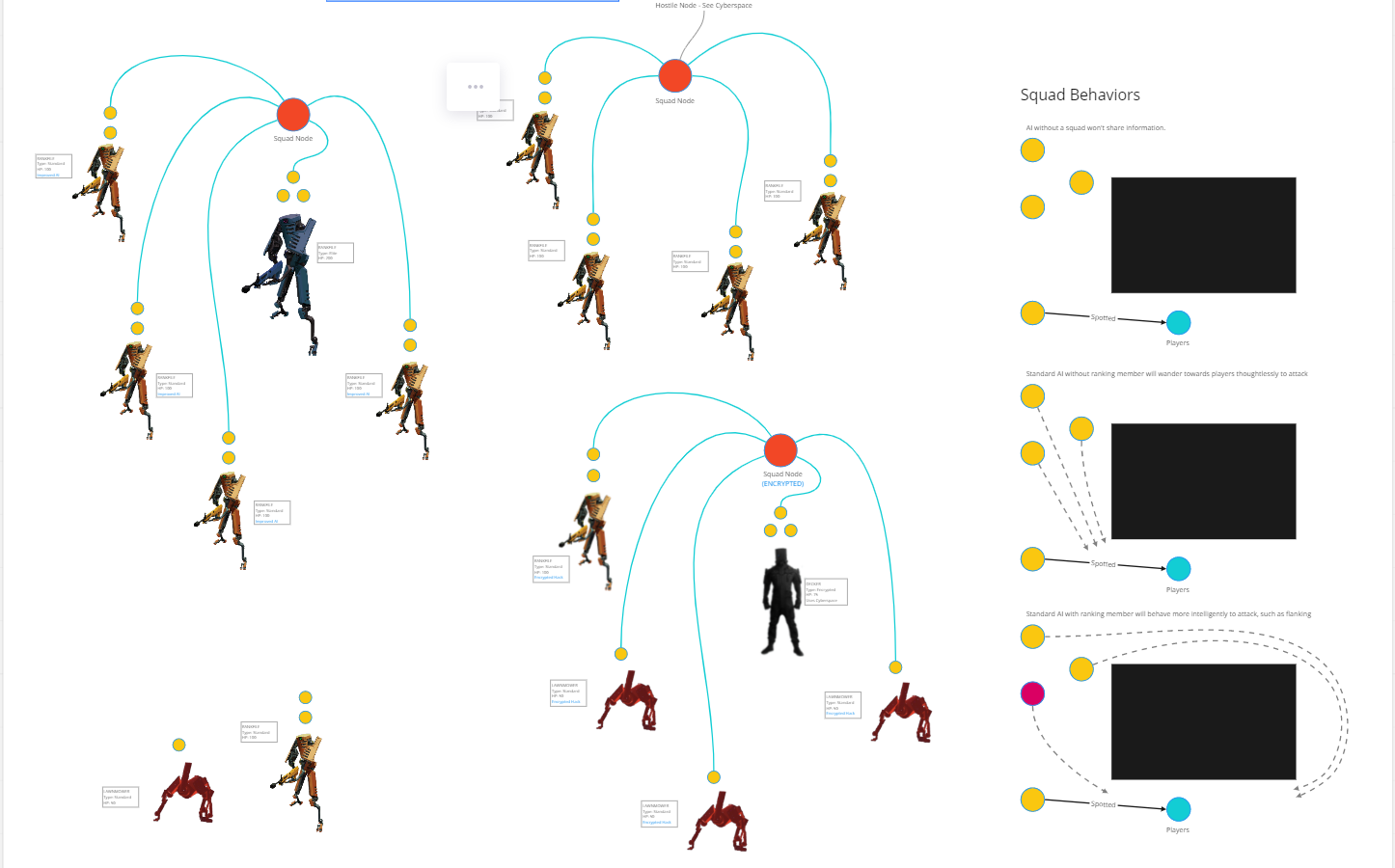
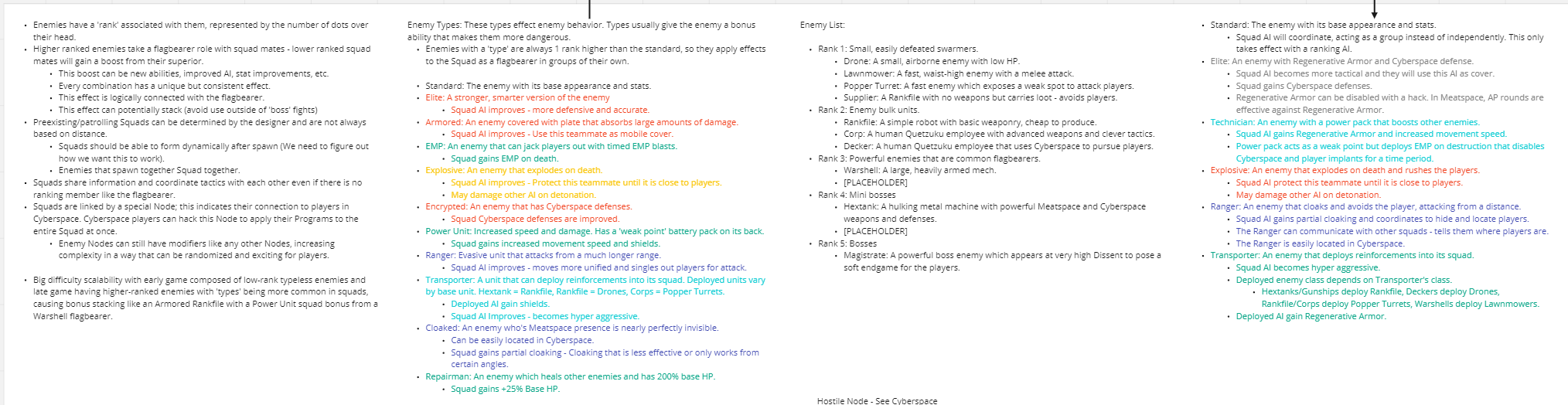
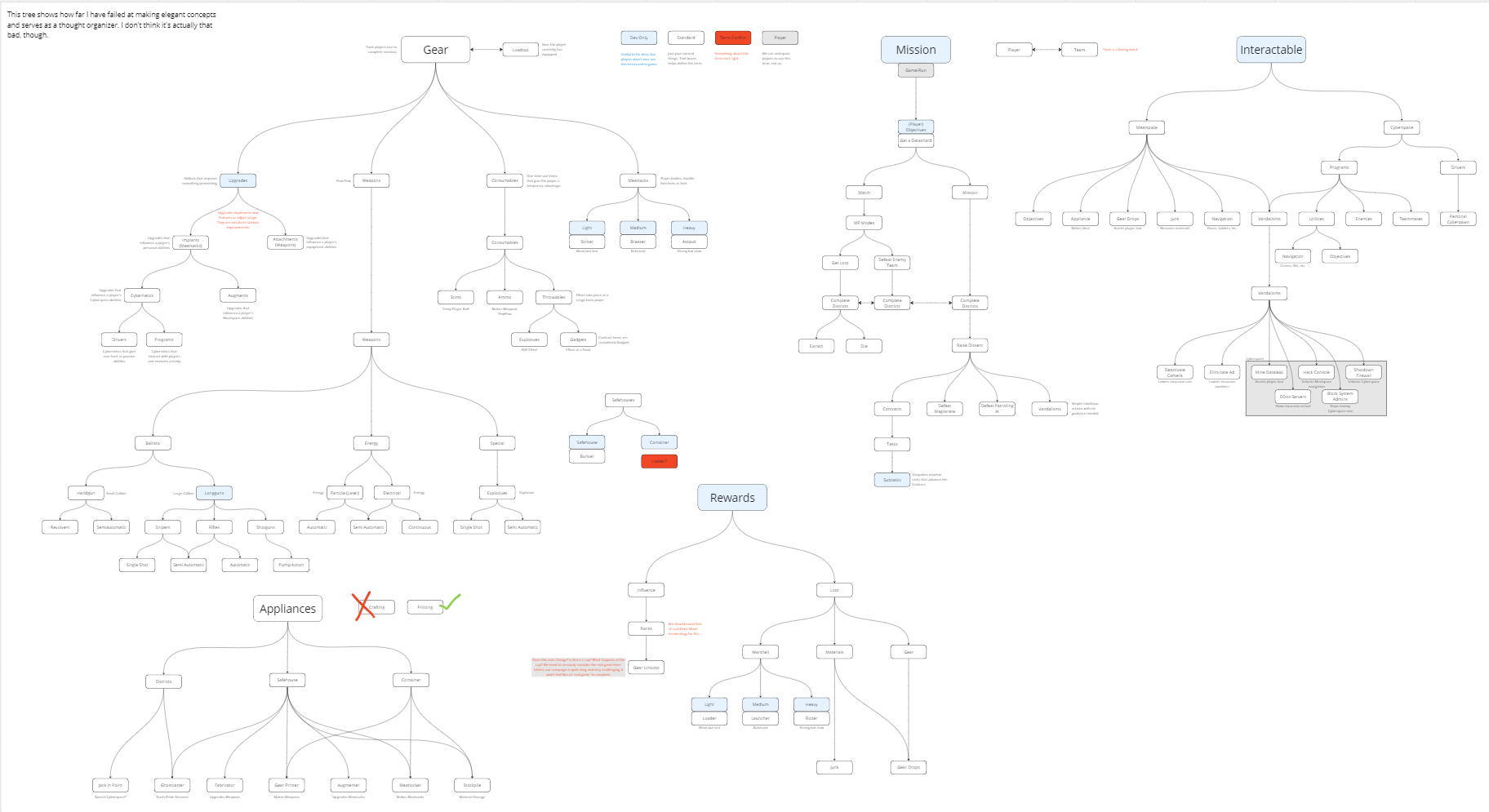
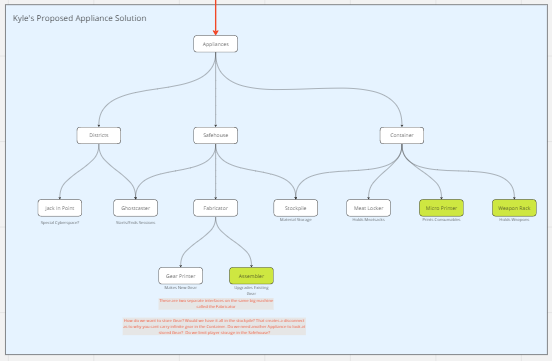
Cyberspace posed many challenges across all departments; considering it was our primary USP, these issues had to be solved. I worked closely with the product owner, tech lead, and art director to develop a Cyberspace design that was elegant and easy to read but felt deep and powerful.
The answer was deemed the Node System and sought to simplify Cyberspace to connecting nodes and completing simple minigames for consistent interactions; we would then allow players to choose the result of those actions through their build.
Also seen here are some of the design boards regarding AI squads and how they function, the expected flow for the more linear mission type, and terminology trees developed to help align the team on the numerous terms within the documentation to make for more effective communication. These terminology trees were invaluable and are now a core aspect of all of my designs.
zero day game design document
When Zero Day evolved to a smaller, more focused scope, I got the pleasure of creating a GDD to help align the team on the new design and goals for the project. My goal wasn't to create a comprehensive list of every mechanic and metric but to explain the main features of the game and how they worked together, providing examples and detail where needed. Please keep in mind this is incomplete.